Häftad, Engelska, 1985
222 kr
Skickas inom 10-15 vardagar
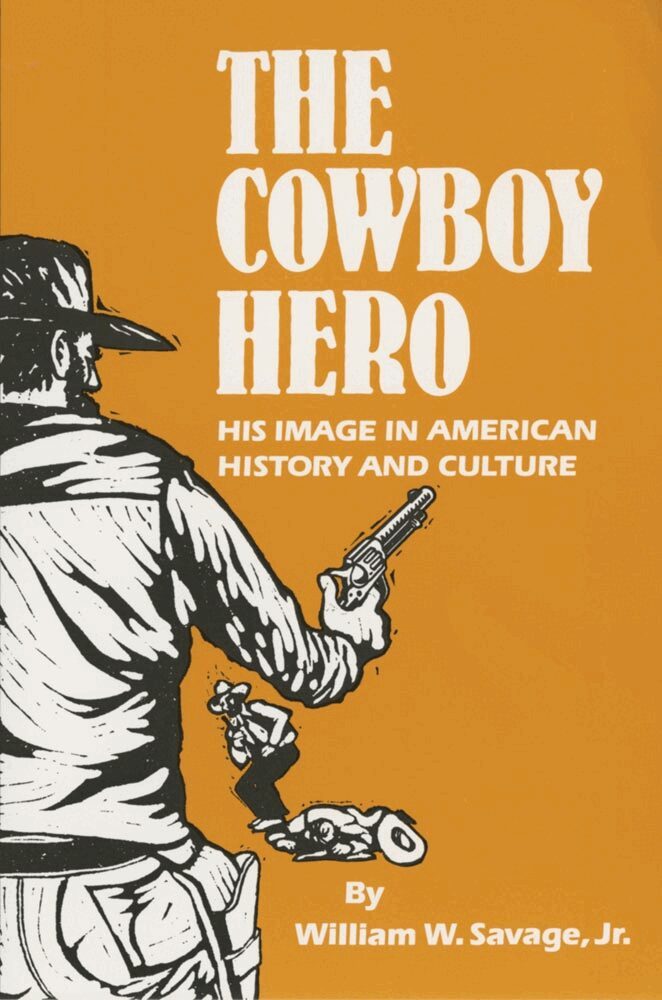
Like most other serious students of American popular culture, William W. Savage, Jr., believes that by examining our heroes we learn about ourselves. In The Cowboy Hero he takes as his subject the cowboy of myth, dime novel, wild West show, legend, Hollywood, museum, and television.With an introductory discussion of the elusive historical cowboy and an occasional return to his real world to keep the reader in balance, Savage reviews the cowboy hero in his various guises-as a cowboy doing the work of cowboys (seldom), as musician, as performer on state and in wild West shows, and above all as a man's man, the object of whose affections is most generally his horse (other objects of the historical cowboy's affections are courageously alluded to).Then there is the cowboy the purveyor of macho cigarettes, sugarcoated cereal (""the historical cowboy was the very picture of malnutrition, but the cowboy hero might well hold a degree in home economics, so ardent is his praise of brand-name foodstuff""), coughdrops, painkillers, barbecue sauce, and laundry detergent. ""No matter how much the American people revere their heroes or tout their myths,"" says Savage, ""they will sell them all to any buyer and at nearly any price."" The approach is topical rather than media-oriented, though it is largely through the cowboy's media appearances that we come to know and love him.With the (no doubt temporary) absence of the cowboy from the television screen, the cowboy hero is today most revered as rodeo performer-participant in a sometimes brutal sport that has nothing to do with cowboying. The author's description of the young western boy's initiation into the sport turns little-league horror tales into bedtime stories. The inevitable result of all this is summed up in the title of the last chapter, ""A Bore at Last.""This book, often funny and expectable ironic but with a serious purpose, is bound to raise the hackles of the followers of the cowboy cult and others whose most lasting perceptions of the American West evolved from childhood cereal serials, B-movie horse operas, and latter-day television epics (did anyone ever actually see Hoss and Little Joe ride a fence line?). The fact is that, as Savage says, this book is, in the end, less about cowboys than it is about you and me.