Wim Decock – författare
Visar alla böcker från författaren Wim Decock. Handla med fri frakt och snabb leverans.
20 produkter
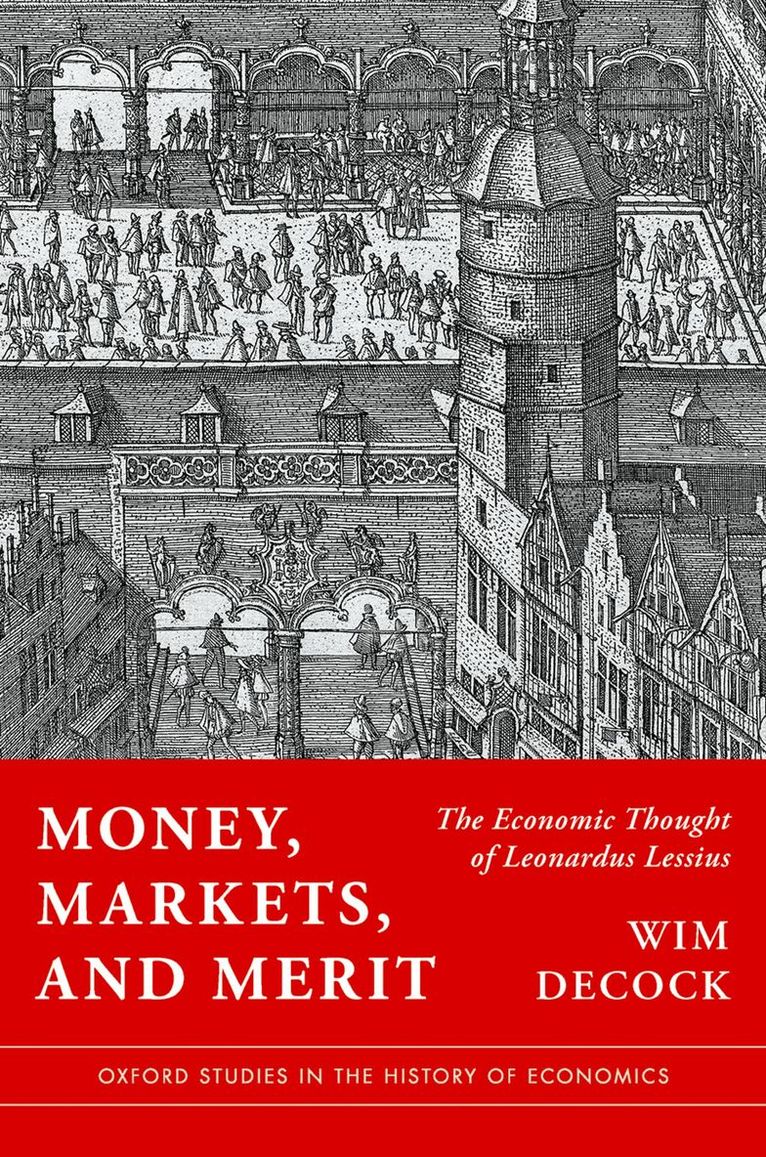
Money, Markets, and Merit
The Economic Thought of Leonardus Lessius
Av Wim Decock
Inbunden, 2026
920 kr
Lägg i varukorg
To understand the genesis of the modern economy, we must also investigate its normative foundations. More than a century after Max Weber's The Protestant Ethic and the Spirit of Capitalism, the pursuit of this key methodological intuition remains unfinished. This book revisits the legacy of a …
Money, Markets, and Merit
The Economic Thought of Leonardus Lessius
Av Wim Decock
E-bok, 2025
978 kr
Lägg i varukorg
To understand the genesis of the modern economy, we must also investigate its normative foundations. More than a century after Max Weber's The Protestant Ethic and the Spirit of Capitalism, the pursuit of this key methodological intuition remains unfinished. This book revisits the legacy of a …
Money, Markets, and Merit
The Economic Thought of Leonardus Lessius
Av Wim Decock
E-bok, 2025
978 kr
Lägg i varukorg
To understand the genesis of the modern economy, we must also investigate its normative foundations. More than a century after Max Weber's The Protestant Ethic and the Spirit of Capitalism, the pursuit of this key methodological intuition remains unfinished. This book revisits the legacy of a …
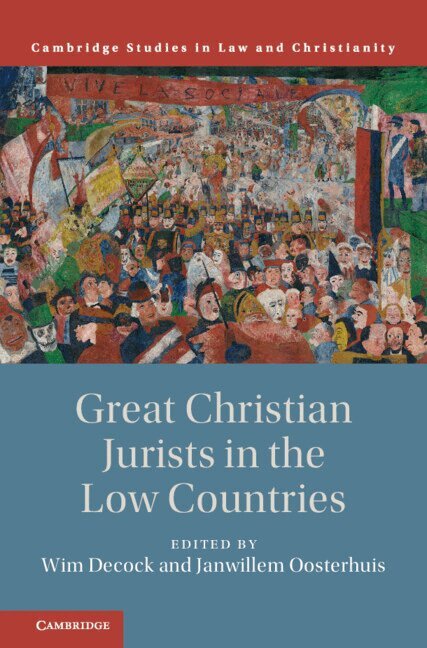
Great Christian Jurists in the Low Countries
Av Wim Decock, Janwillem Oosterhuis
Inbunden, 2021
1723 kr
Lägg i varukorg
What impact has Christianity had on law and policies in the Lowlands from the eleventh century through the end of the twentieth century? Taking the gradual 'secularization' of European legal culture as a framework, this volume explores the lives and times of twenty legal scholars and professionals …
Great Christian Jurists in the Low Countries
Av Janwillem Oosterhuis, Wim Decock
E-bok, 2021
1673 kr
Lägg i varukorg
What impact has Christianity had on law and policies in the Lowlands from the eleventh century through the end of the twentieth century? Taking the gradual ''secularization'' of European legal culture as a framework, this volume explores the lives and times of twenty legal scholars and …
Great Christian Jurists in the Low Countries
Av Janwillem Oosterhuis, Wim Decock
E-bok, 2021
1673 kr
Lägg i varukorg
What impact has Christianity had on law and policies in the Lowlands from the eleventh century through the end of the twentieth century? Taking the gradual ''secularization'' of European legal culture as a framework, this volume explores the lives and times of twenty legal scholars and …
Islamic Finance
Between Religious Norms and Legal Practice
Av Wim Decock, Vincent Sagaert
Häftad, 2019
725 kr
Lägg i varukorg
Islamic Finance is a truly international collaboration of outstanding scholars and practitioners in their field that reveals the complexities involved in applying religious principles and legal theory to the daily practice of business and finance.
On the Duty to Keep Faith with Heretics
Av Martinus Becanus, Wim Decock
Häftad, 2019
192 kr
Lägg i varukorg
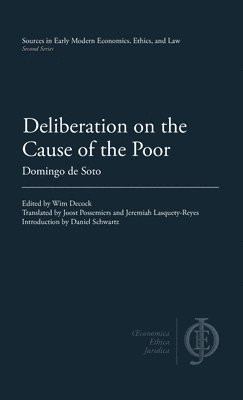
Deliberation on the Cause of the Poor
Av Domingo de Soto, Wim Decock
Inbunden, 2022
296 kr
Lägg i varukorg
Recht Und Moral in Der Scholastik Der Frühen Neuzeit 1500-1750
Av Wim Decock, Christiane Birr
Inbunden, 2016
324 kr
Lägg i varukorg
Recht und Moral in der Scholastik der Frühen Neuzeit 1500-1750
Av Christiane Birr, Wim Decock
E-bok, 2016
367 kr
Lägg i varukorg
Die Untersuchungen zur frühneuzeitlichen Scholastik erleben gerade eine Hochkonjunktur. Juristen, Philosophen, Theologen und Wirtschaftswissenschaftler nähern sich je nach eigener Perspektive den Texten der "Spanischen Spätscholastiker" oder "katholischen Naturrechtler" an. Neuanfänger wie auch …
Recht und Moral in der Scholastik der Frühen Neuzeit 1500-1750
Av Christiane Birr, Wim Decock
E-bok, 2016
375 kr
Lägg i varukorg
Die Untersuchungen zur frühneuzeitlichen Scholastik erleben gerade eine Hochkonjunktur. Juristen, Philosophen, Theologen und Wirtschaftswissenschaftler nähern sich je nach eigener Perspektive den Texten der "Spanischen Spätscholastiker" oder "katholischen Naturrechtler" an. Neuanfänger wie auch …
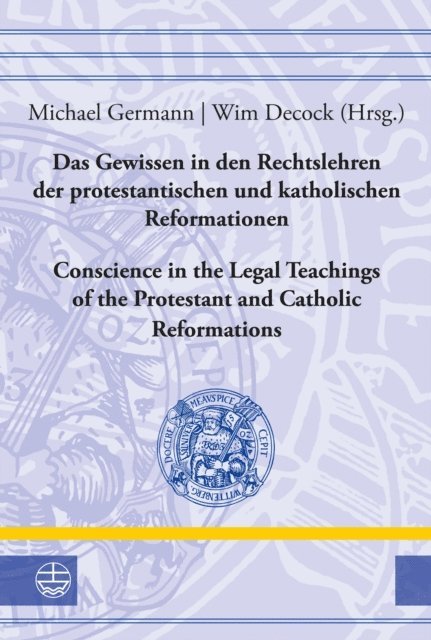
Das Gewissen in den Rechtslehren der protestantischen und katholischen Reformationen / Conscience in the Legal Teachings of the Protestant and Catholic Reformations
Av Wim Decock, Michael Germann
E-bok, 2017
654 kr
Lägg i varukorg
Die in diesem Band vereinigten Beiträge untersuchen die Bedeutung der religiösen Reformbewegungen ab dem 16. Jahrhundert für die moderne Rechtsentwicklung an einem spezifischen Gegenstand: am Rechtsstatus der in allen Konfessionen aktuellen Berufung auf das Gewissen. So führt der Band sonst oft …
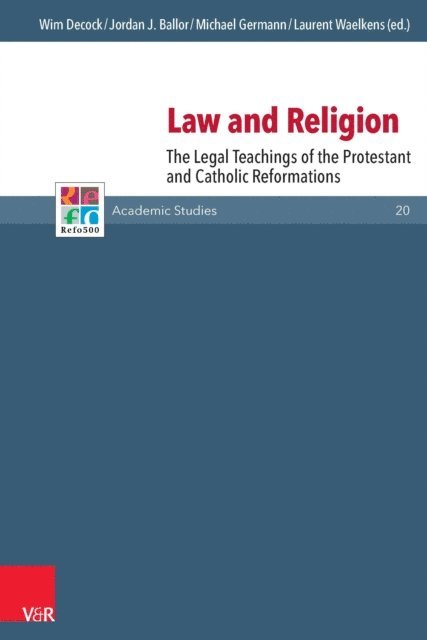
Law and Religion
The Legal Teachings of the Protestant and Catholic Reformations
Av Laurent Waelkens, Michael Germann m. fl.
E-bok, 2014
1783 kr
Lägg i varukorg
Wim Decockcollects contributions by internationally renowned experts in law, history and religion on the impact of the Reformations on law, jurisprudence and moral theology. The overall impression conveyed by the essays is that on the level of substantive doctrine (the legal teachings) there seems …
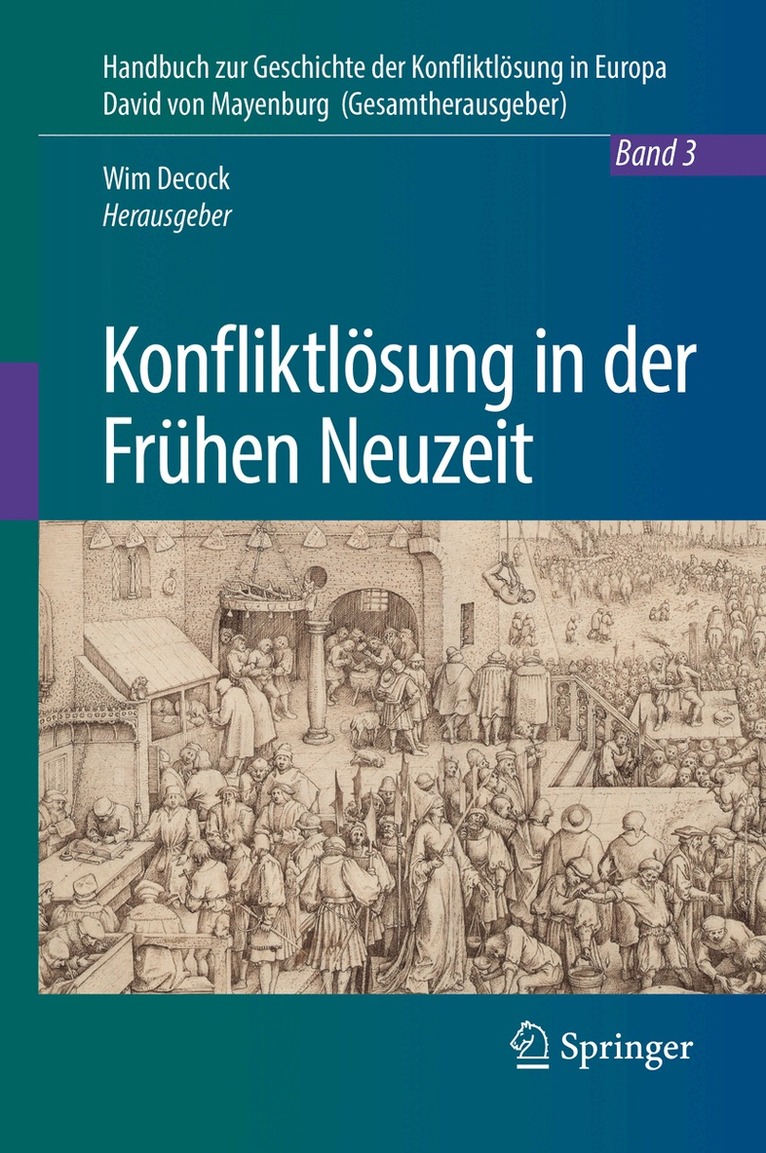
Konfliktlösung in der Frühen Neuzeit
Av Wim Decock
Inbunden, 2021
1601 kr
Lägg i varukorg
Das vierbändige „Handbuch zur Geschichte der Konfliktlösung in Europa“ beschäftigt sich mit rechtlichen und außerrechtlichen Wegen der Entscheidung von Konflikten zwischen einzelnen Menschen sowie zwischen Personen und ihren Obrigkeiten. Das von Expertinnen und Experten aus vielen europäischen …
Konfliktlösung in der Frühen Neuzeit
Av Wim Decock
E-bok, 2021
1672 kr
Lägg i varukorg
Das vierbändige „Handbuch zur Geschichte der Konfliktlösung in Europa“ beschäftigt sich mit rechtlichen und außerrechtlichen Wegen der Entscheidung von Konflikten zwischen einzelnen Menschen sowie zwischen Personen und ihren Obrigkeiten. Das von Expertinnen und Experten aus vielen europäischen …
Handbuch zur Geschichte der Konfliktlösung in Europa
Av David von Mayenburg, Anna Seelentag m. fl.
2021
13559 kr
Kommande
Das vierbändige Werk „Handbuch zur Geschichte der Konfliktlösung in Europa“ wurde von namhaften internationalen Expertinnen und Experten geschrieben und dient als zentrales Referenzmedium für die historische Dimension aller Formen der Streitentscheidung. Der Aufbau orientiert sich an den vier …
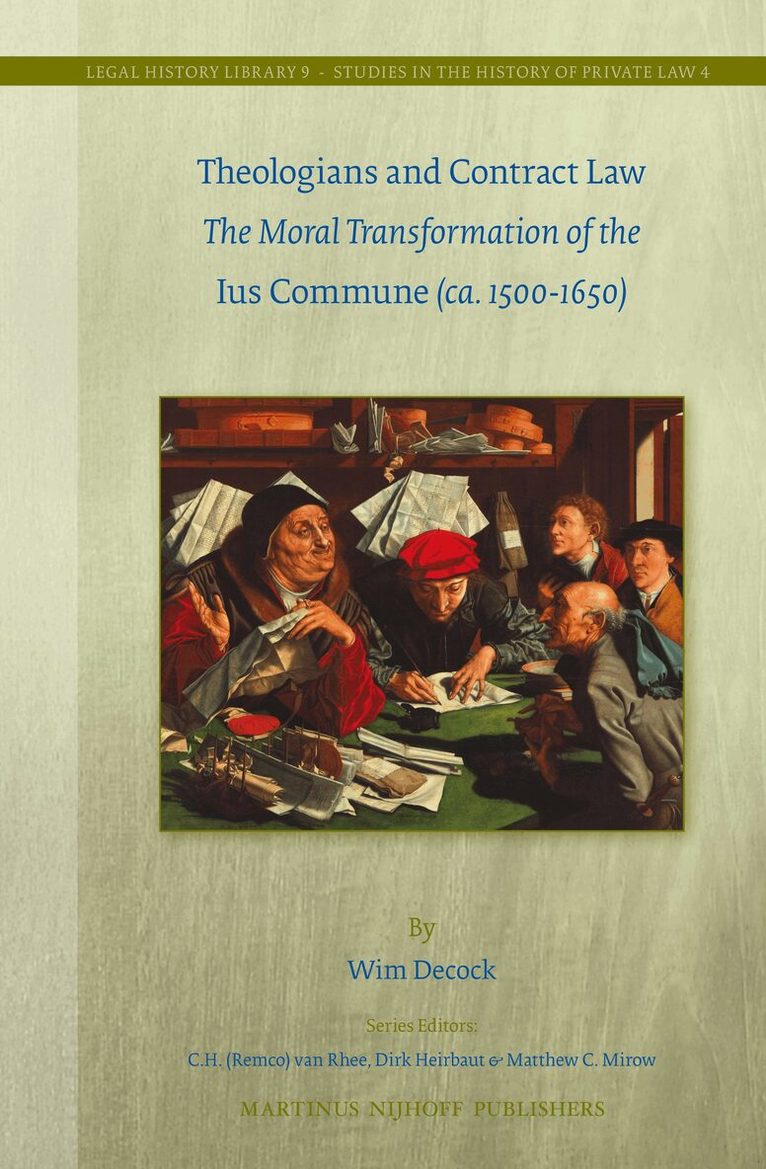
Theologians and Contract Law
The Moral Transformation of the Ius Commune (ca. 1500-1650)
Av Wim Decock
Inbunden, 2012
3792 kr
Lägg i varukorg
The Roman legal tradition is the ancestor of modern contract law but there is no agreement as to how and when a general law of contract emerged. Wim Decock’s thesis is that an important step in this evolution was taken by theologians in the sixteenth and seventeenth centuries. They transformed the …
Theologians and Contract Law
The Moral Transformation of the Ius Commune (ca. 1500-1650)
Av Wim Decock
Häftad, 2023
1069 kr
Lägg i varukorg
The Roman legal tradition is the ancestor of modern contract law but there is no agreement as to how and when a general law of contract emerged. Wim Decock’s thesis is that an important step in this evolution was taken by theologians in the sixteenth and seventeenth centuries. They transformed the …
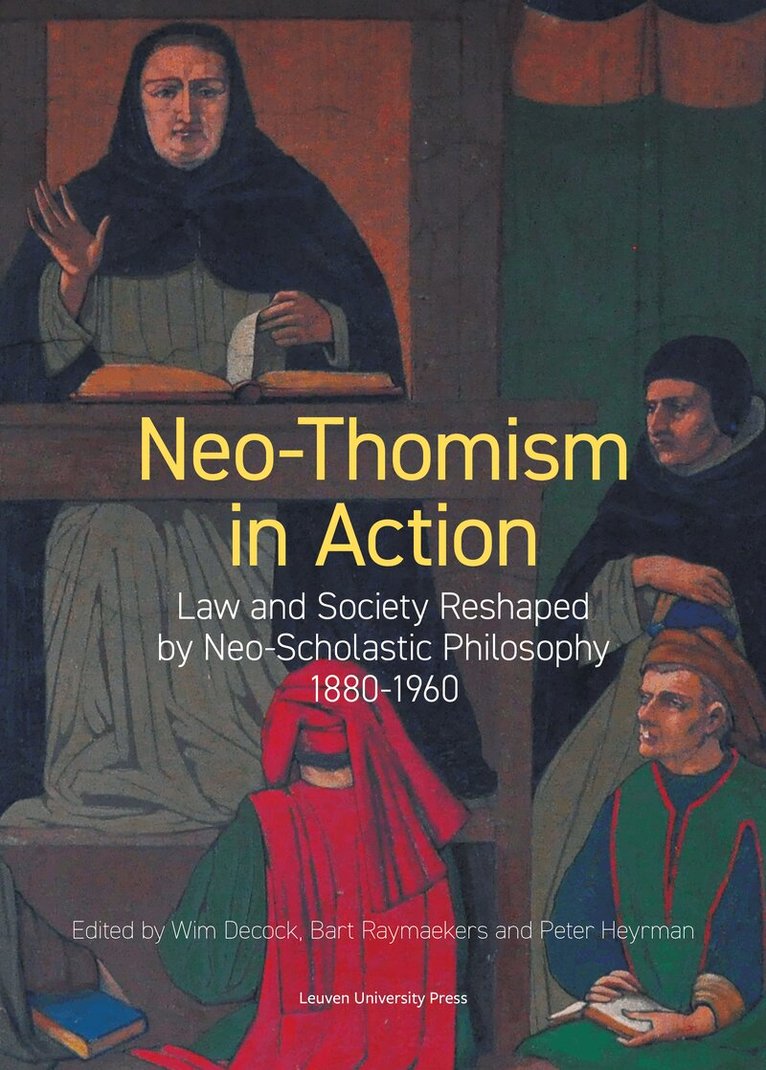
Neo-Thomism in Action
Law and Society Reshaped by Neo-Scholastic Philosophy, 1880-1960
Av Wim Decock, Bart Raymaekers m. fl.
Häftad, 2021
331 kr
Lägg i varukorg
In his encyclical Aeterni Patris (1879), Pope Leo XIII expressed the conviction that the renewed study of the philosophical legacy of Saint Thomas Aquinas would help Catholics to engage in a dialogue with secular modernity while maintaining respect for Church doctrine and tradition. As a result, …