Winfred B. Moore – författare
Visar alla böcker från författaren Winfred B. Moore. Handla med fri frakt och snabb leverans.
5 produkter
Southern Enigma
Essays on Race, Class, and Folk Culture
Av Walter J. Fraser, Winfred Moore m. fl.
Inbunden, 1983
1063 kr
Lägg i varukorg
This collection of fifteen essays, selected from papers presented at the April 1981 Citadel Conference on the South, examines three of the most powerful operating forces in southern life: race, class, and folk culture. The Southern Enigma, representing the work of both established and emerging …
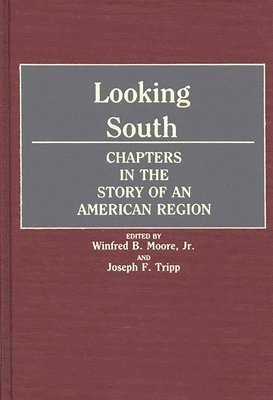
Looking South
Chapters in the Story of an American Region
Av Winfred Moore, Joseph F. Tripp m. fl.
Inbunden, 1989
1095 kr
Lägg i varukorg
The dramatic changes experienced by the South over the past 150 years have challenged deeply rooted values, beliefs, and institutions and shaped the region's complex and tumultuous history. These challenges, and the southern response to them, are the focus of this book. Presenting sixteen essays …
Toward the Meeting of the Waters
Currents in the Civil Rights Movement of South Carolina During the Twentieth Century
Av Winfred B. Moore, Orville Vernon Burton
Häftad, 2011
457 kr
Lägg i varukorg
Toward the Meeting of the Waters represents a watershed moment in civil rights history--bringing together voices of leading historians alongside recollections from central participants to provide the first comprehensive history of the civil rights movement as experienced by black and white South …
Warm Ashes
Issues in Southern History at the Dawn of the Twenty-first Century
Av Winfred B. Moore, Kyle Sinsi m. fl.
Inbunden, 2003
582 kr
Tillfälligt slut
Selected from papers presented at the 2000 Citadel Conference on the South, this collection of essays casts additional light on the southern experience and illuminates some of the directions its formal study may take in the new century. Emory Thomas opens the collection with a meditation on the …
Toward the Meeting of the Waters
Currents in the Civil Rights Movement of South Carolina During the Twentieth Century
Av Winfred B. Moore, Orville Vernon Burton
Inbunden, 2008
582 kr
Tillfälligt slut
South Carolina has long been the nexus of struggles in Southern race relations yet no definitive history has chronicled the dynamic social changes wrought in the Palmetto State during the civil rights era or interpreted the inspirational efforts of the state's reform-minded activists. ""Toward the …