Winifred Tate – författare
Visar alla böcker från författaren Winifred Tate. Handla med fri frakt och snabb leverans.
6 produkter
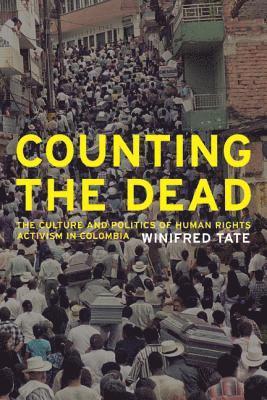
Counting the Dead
The Culture and Politics of Human Rights Activism in Colombia
Häftad, 2007
443 kr
Lägg i varukorg
At a time when a global consensus on human rights standards seems to be emerging, this rich study steps back to explore how the idea of human rights is actually employed by activists and human rights professionals. Winifred Tate, an anthropologist and activist with extensive experience in Colombia, …
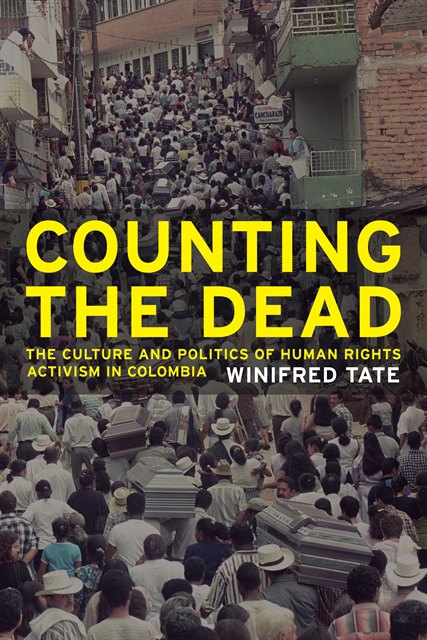
Counting the Dead
The Culture and Politics of Human Rights Activism in Colombia
E-bok, 2007
520 kr
Lägg i varukorg
At a time when a global consensus on human rights standards seems to be emerging, this rich study steps back to explore how the idea of human rights is actually employed by activists and human rights professionals. Winifred Tate, an anthropologist and activist with extensive experience in Colombia, …
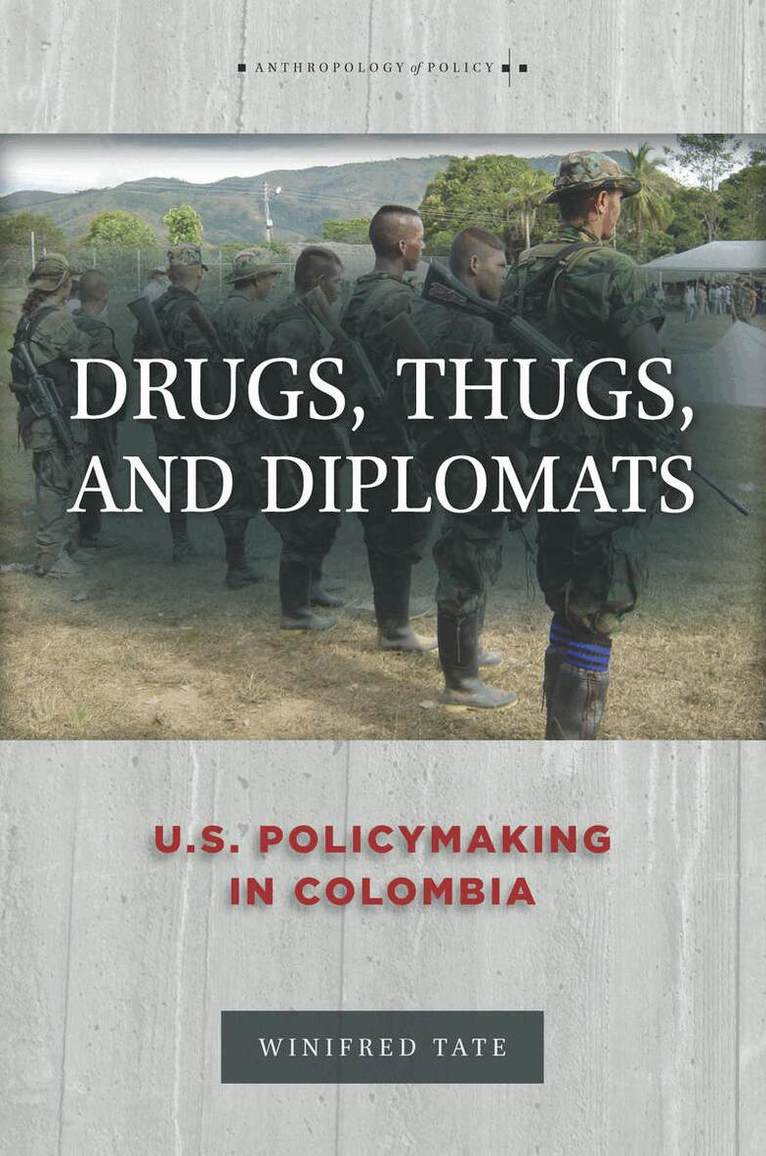
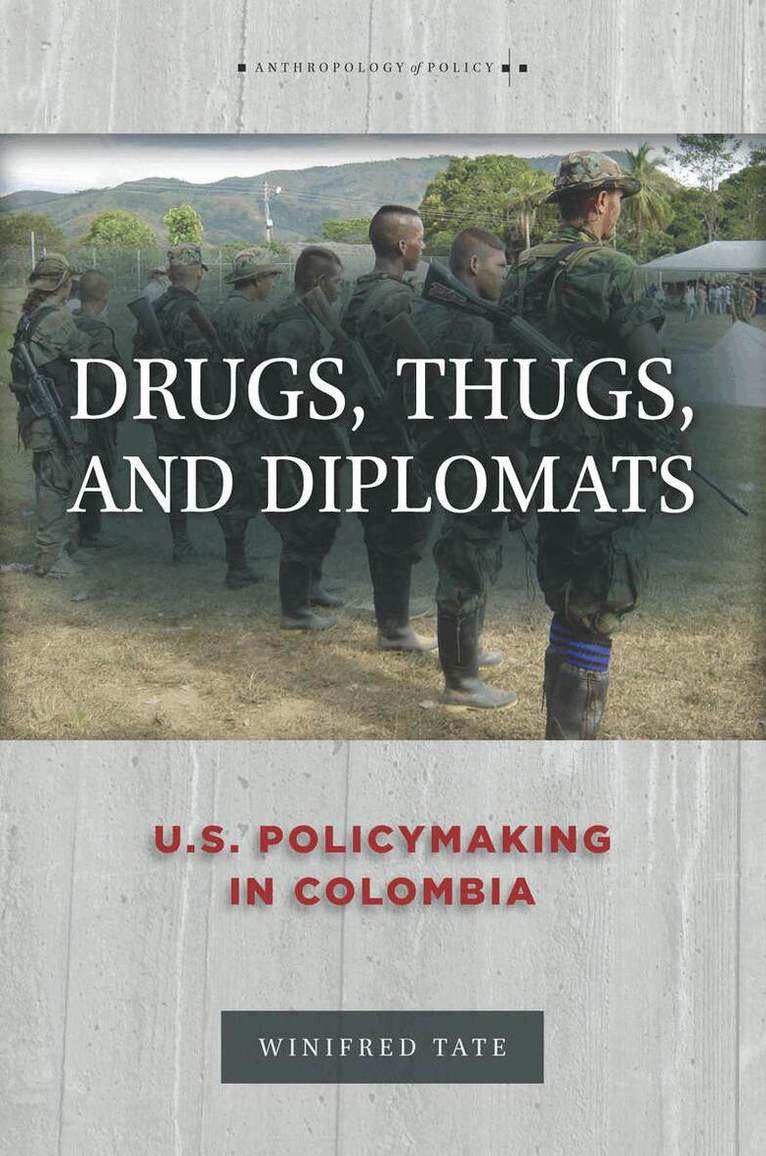
Drugs, Thugs, and Diplomats
U.S. Policymaking in Colombia
Inbunden, 2015
1363 kr
Lägg i varukorg
In 2000, the U.S. passed a major aid package that was going to help Colombia do it all: cut drug trafficking, defeat leftist guerrillas, support peace, and build democracy. More than 80% of the assistance, however, was military aid, at a time when the Colombian security forces were linked to …
Drugs, Thugs, and Diplomats
U.S. Policymaking in Colombia
Häftad, 2015
332 kr
Lägg i varukorg
In 2000, the U.S. passed a major aid package that was going to help Colombia do it all: cut drug trafficking, defeat leftist guerrillas, support peace, and build democracy. More than 80% of the assistance, however, was military aid, at a time when the Colombian security forces were linked to …
Drugs, Thugs, and Diplomats
U.S. Policymaking in Colombia
E-bok, 2015
399 kr
Lägg i varukorg
In 2000, the U.S. passed a major aid package that was going to help Colombia do it all: cut drug trafficking, defeat leftist guerrillas, support peace, and build democracy. More than 80% of the assistance, however, was military aid, at a time when the Colombian security forces were linked to …
Las Iglesias ante la violencia en América Latina
Los derechos humanos en el pasado y el presente
Av Kimberly Theidon, Amelia Frank-Vitale m. fl.
E-bok, 2021
137 kr
Lägg i varukorg
Desde la teología de la liberación hasta la inédita y ubicua presencia de las iglesias evangélicas y pentecostales, la religión ha demostrado un inesperado dinamismo como fuerza social en América Latina. Cuál ha sido su relación con el problema de la violencia Es el tema que discuten historiadores, …