Xiaoli Yang – författare
Visar alla böcker från författaren Xiaoli Yang. Handla med fri frakt och snabb leverans.
5 produkter
Learning Basic Genetics with Interactive Computer Programs
Av Charles C. Tseng, Xiaoli Yang
Inbunden, 2013
552 kr
Lägg i varukorg
Traditionally, genetics laboratory exercises at the university level focus on mono- and dihybrid crosses and phenotypic analysis—exercises under traditional time, materials, and process constraints. Lately, molecular techniques such as gene cloning, polymerase chain reactions (PCR), and …
Learning Basic Genetics with Interactive Computer Programs
Av Xiaoli Yang, Charles C. Tseng
E-bok, 2014
755 kr
Lägg i varukorg
Traditionally, genetics laboratory exercises at the university level focus on mono- and dihybrid crosses and phenotypic analysis—exercises under traditional time, materials, and process constraints. Lately, molecular techniques such as gene cloning, polymerase chain reactions (PCR), and …
Singing Theology from the Ground
Indigenous Hymnody and Global Christianity
Av Xiaoli Yang, William A. Dyrness
Häftad, 2026
493 kr
Kommande
Singing Theology from the Ground: Indigenous Hymnody and Global Christianity amplifies the voices from the ground by listening attentively to indigenous songs in local tongues from the Global South and those of indigenous people around the globe. Across the disciplines of ethnography, history and …
Learning Basic Genetics with Interactive Computer Programs
Av Charles C. Tseng, Xiaoli Yang
Häftad, 2017
564 kr
Lägg i varukorg
Traditionally, genetics laboratory exercises at the university level focus on mono- and dihybrid crosses and phenotypic analysis—exercises under traditional time, materials, and process constraints. Lately, molecular techniques such as gene cloning, polymerase chain reactions (PCR), and …
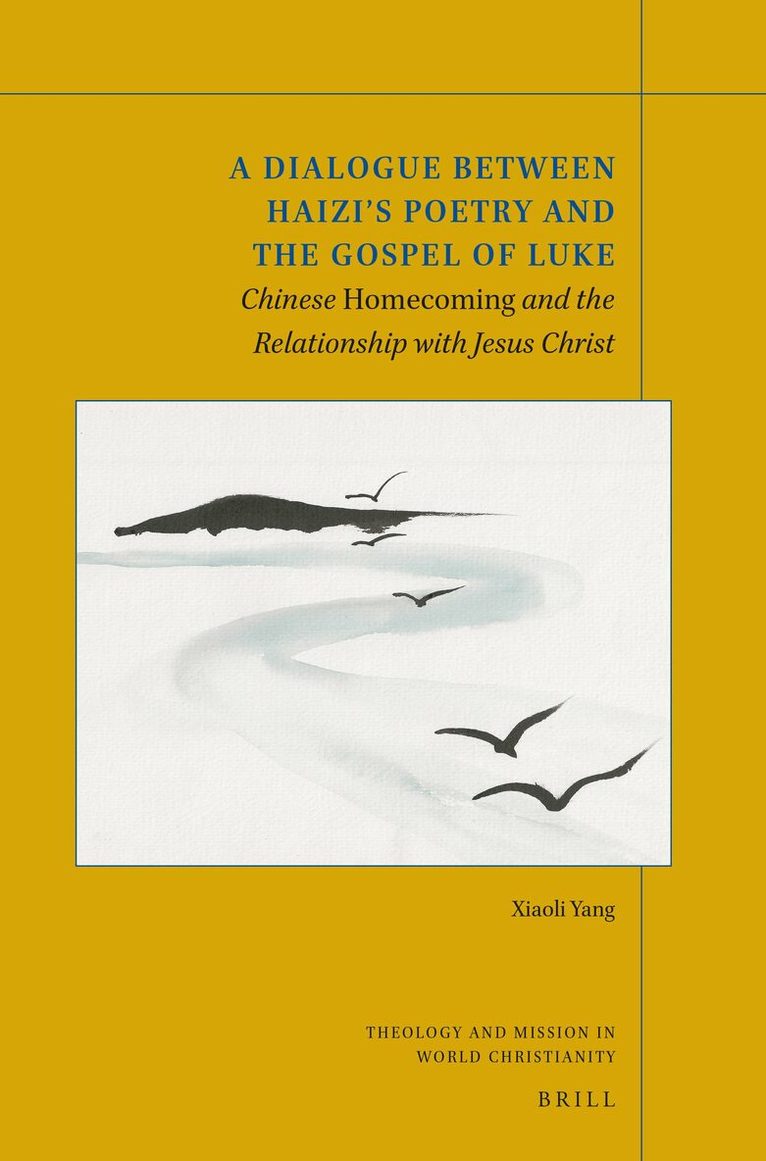
Dialogue between Haizi’s Poetry and the Gospel of Luke
Chinese Homecoming and the Relationship with Jesus Christ
Av Xiaoli Yang
Häftad, 2018
1387 kr
Lägg i varukorg
In A Dialogue between Haizi’s Poetry and the Gospel of Luke Xiaoli Yang offers a conversation between the Chinese soul-searching found in Haizi’s (1964–1989) poetry and the gospel of Jesus Christ through Luke’s testimony. It creates a unique contextual poetic lens that appreciates a generation of …