Xiaonan Wu – författare
Visar alla böcker från författaren Xiaonan Wu. Handla med fri frakt och snabb leverans.
8 produkter
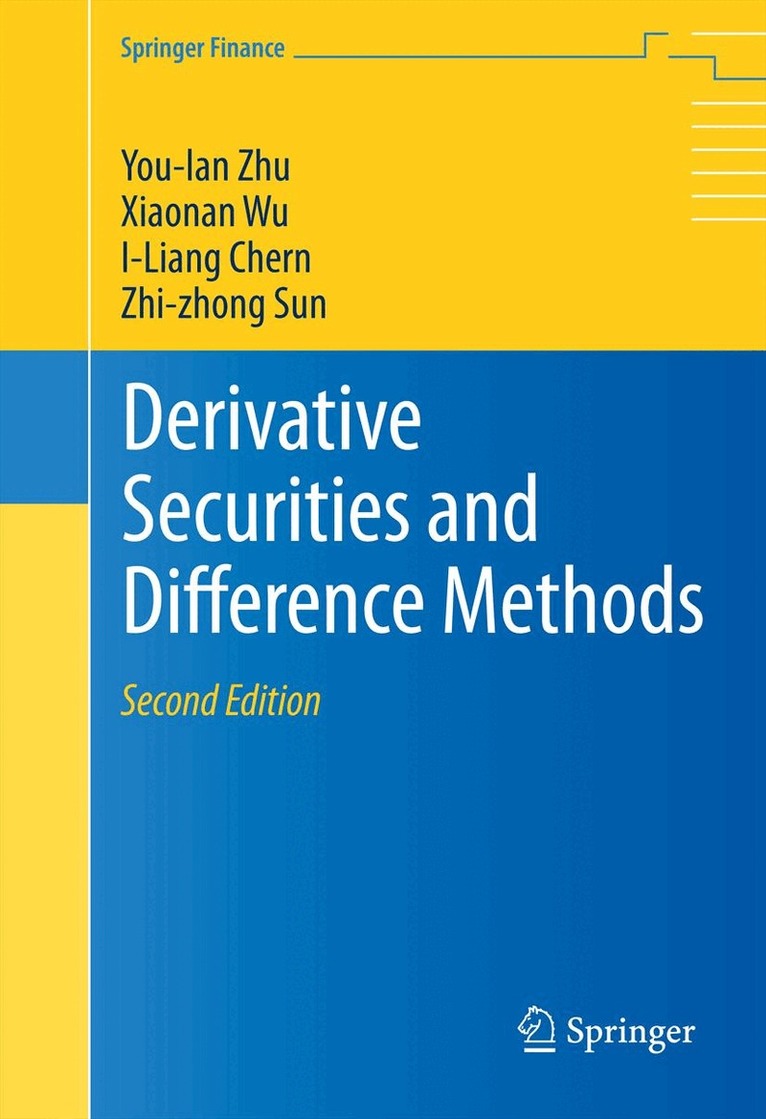
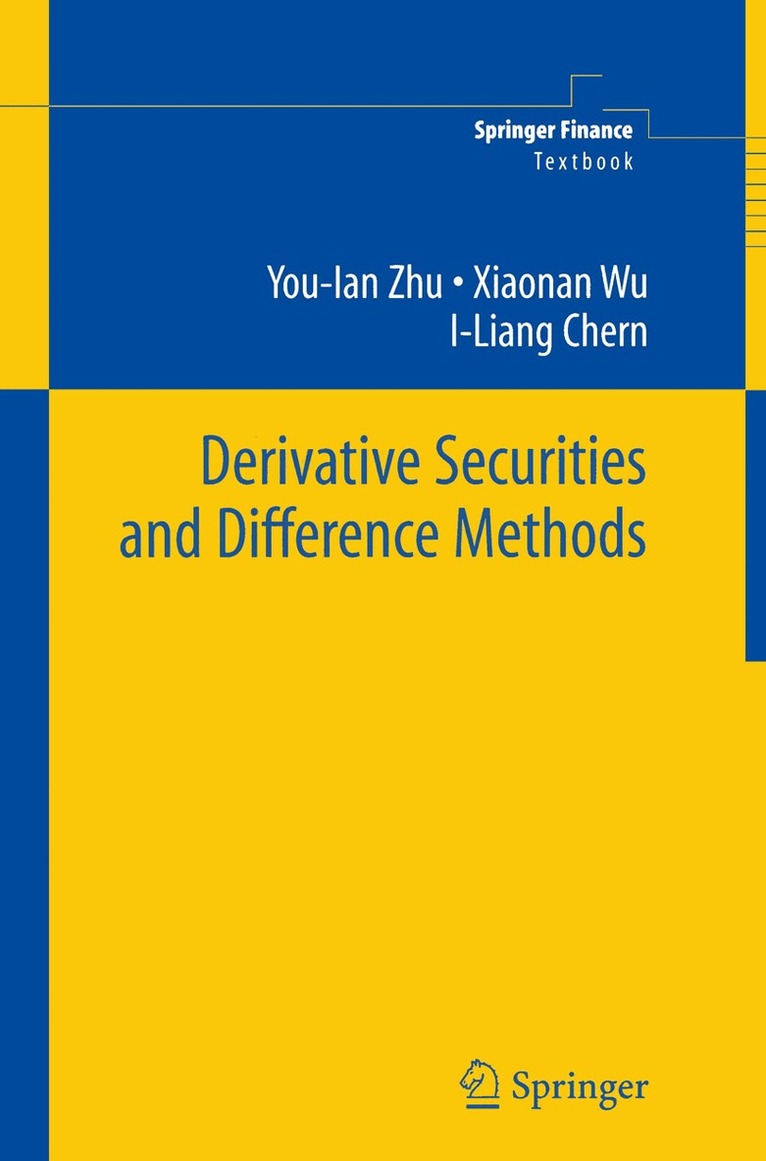
Derivative Securities and Difference Methods
Av You-lan Zhu, Xiaonan Wu m. fl.
Inbunden, 2013
1643 kr
Lägg i varukorg
This book is mainly devoted to finite difference numerical methods for solving partial differential equations (PDEs) models of pricing a wide variety of financial derivative securities. With this objective, the book is divided into two main parts.In the first part, after an introduction concerning …
Derivative Securities and Difference Methods
Av Zhi-zhong Sun, I-Liang Chern m. fl.
E-bok, 2013
2065 kr
Lägg i varukorg
This book is mainly devoted to finite difference numerical methods for solving partial differential equations (PDEs) models of pricing a wide variety of financial derivative securities. With this objective, the book is divided into two main parts. In the first part, after an introduction concerning …
Derivative Securities and Difference Methods
Av I-Liang Chern, Xiaonan Wu m. fl.
E-bok, 2013
1622 kr
Lägg i varukorg
In the past three decades, great progress has been made in the theory and prac tice of financial derivative securities. Now huge volumes of financial derivative securities are traded on the market every day. This causes a big demand for experts who know how to price financial derivative …
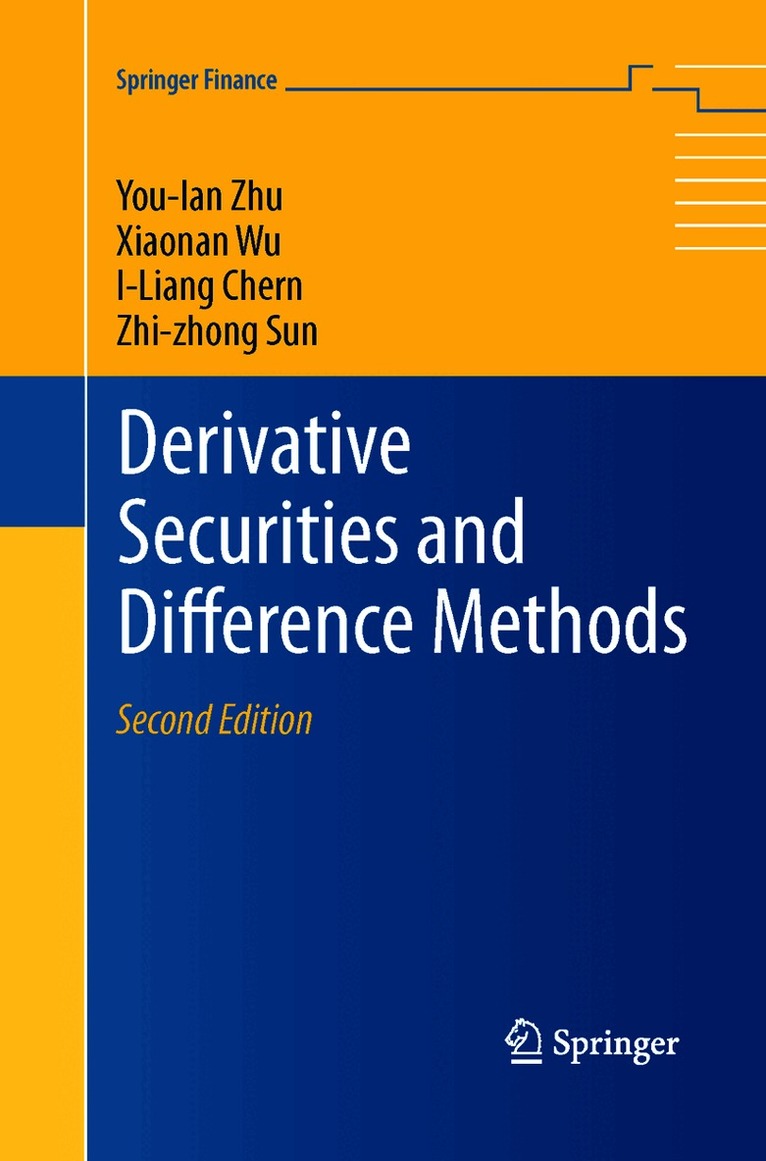
Derivative Securities and Difference Methods
Av You-lan Zhu, Xiaonan Wu m. fl.
Häftad, 2015
1628 kr
Lägg i varukorg
This book is mainly devoted to finite difference numerical methods for solving partial differential equations (PDEs) models of pricing a wide variety of financial derivative securities. With this objective, the book is divided into two main parts.In the first part, after an introduction concerning …
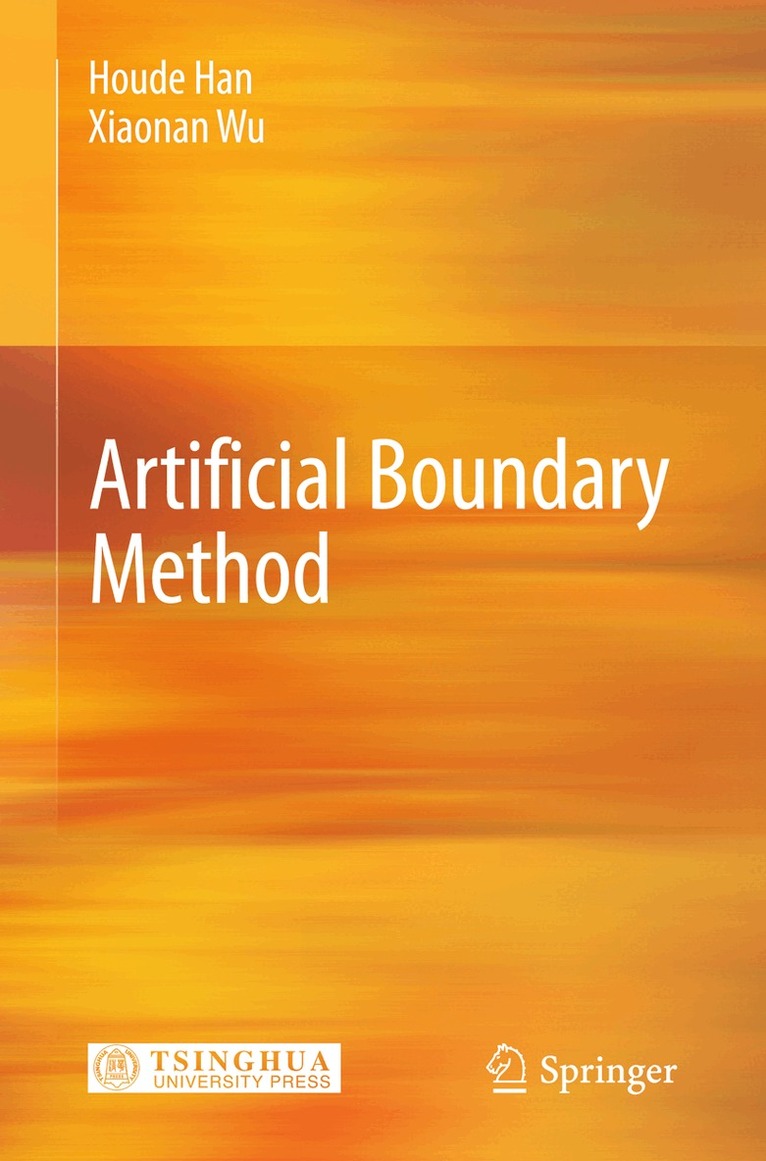
Artificial Boundary Method
Av Houde Han, Xiaonan Wu
Inbunden, 2013
1098 kr
Lägg i varukorg
"Artificial Boundary Method" systematically introduces the artificial boundary method for the numerical solutions of partial differential equations in unbounded domains. Detailed discussions treat different types of problems, including Laplace, Helmholtz, heat, Schrödinger, and Navier and Stokes …
Artificial Boundary Method
Av Xiaonan Wu, Houde Han
E-bok, 2013
1459 kr
Lägg i varukorg
"Artificial Boundary Method" systematically introduces the artificial boundary method for the numerical solutions of partial differential equations in unbounded domains. Detailed discussions treat different types of problems, including Laplace, Helmholtz, heat, Schrödinger, and Navier and Stokes …
Derivative Securities and Difference Methods
Av You-lan Zhu, Xiaonan Wu m. fl.
Häftad, 2011
1601 kr
Tillfälligt slut
In the past three decades, great progress has been made in the theory and prac tice of financial derivative securities. Now huge volumes of financial derivative securities are traded on the market every day. This causes a big demand for experts who know how to price financial derivative …