
Xiaoping Fang – Författare
Visar alla böcker från författaren Xiaoping Fang. Handla med fri frakt och snabb leverans.
2 produkter
2 produkter
489 kr
Skickas inom 7-10 vardagar
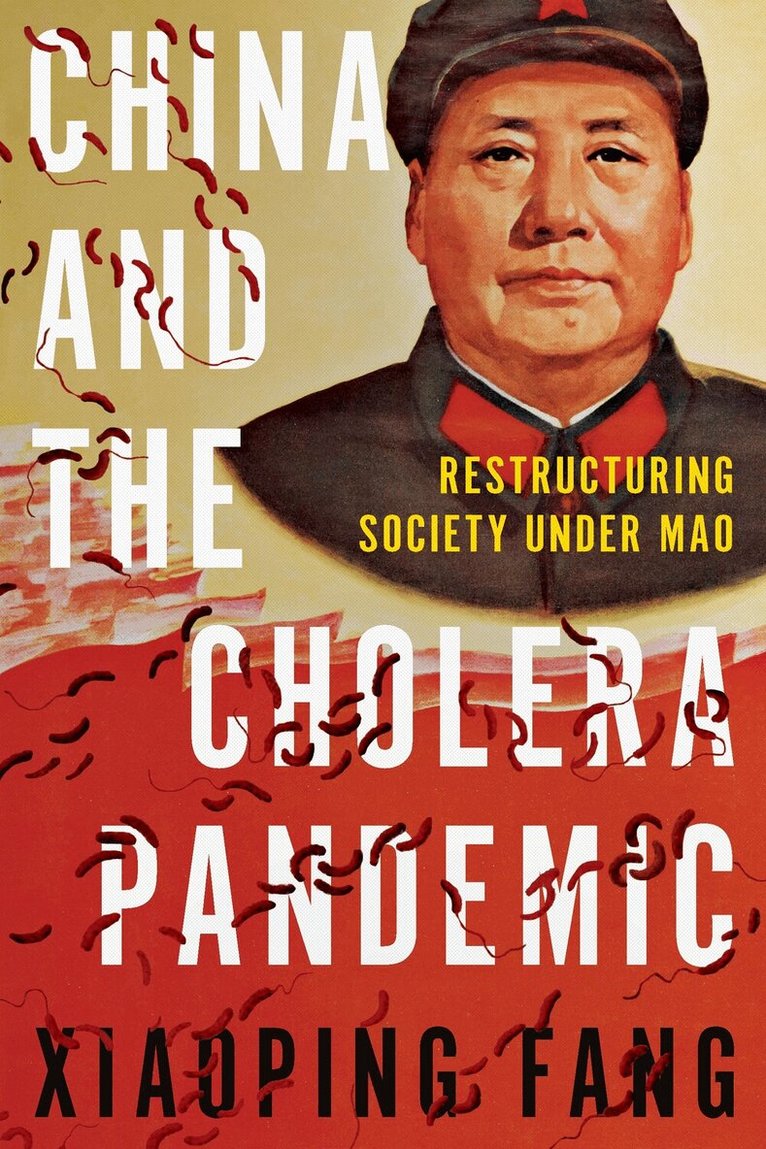
Mao Zedong’s Great Leap Forward campaign organized millions of Chinese peasants into communes in a misguided attempt to rapidly collectivize agriculture with disastrous effects. Catastrophic famine lingered as the global cholera pandemic of the early 1960s spread rampantly through the infected waters of southeastern coastal China. Confronted with a political crisis and the seventh global cholera pandemic in recorded history, the communist government committed to social restructuring in order to affirm its legitimacy and prevent transmission of the disease. Focusing on the Wenzhou Prefecture in Zhejiang Province, the area most seriously stricken by cholera at the time, Xiaoping Fang demonstrates how China’s pandemic was far more than a health incident; it became a significant social and political influence during a dramatic transition for the People’s Republic.China and the Cholera Pandemic reveals how disease control and prevention, executed through the government’s large-scale, clandestine anticholera campaign, were integral components of its restructuring initiatives, aimed at restoring social order. The subsequent rise of an emergency disciplinary health state furthered these aims through quarantine and isolation, which profoundly impacted the social epidemiology of the region, dividing Chinese society and reinforcing hierarchies according to place, gender, and socioeconomic status.
Del 23 - Rochester Studies in Medical History
Barefoot Doctors and Western Medicine in China
Häftad, Engelska, 2015
350 kr
Skickas inom 10-15 vardagar
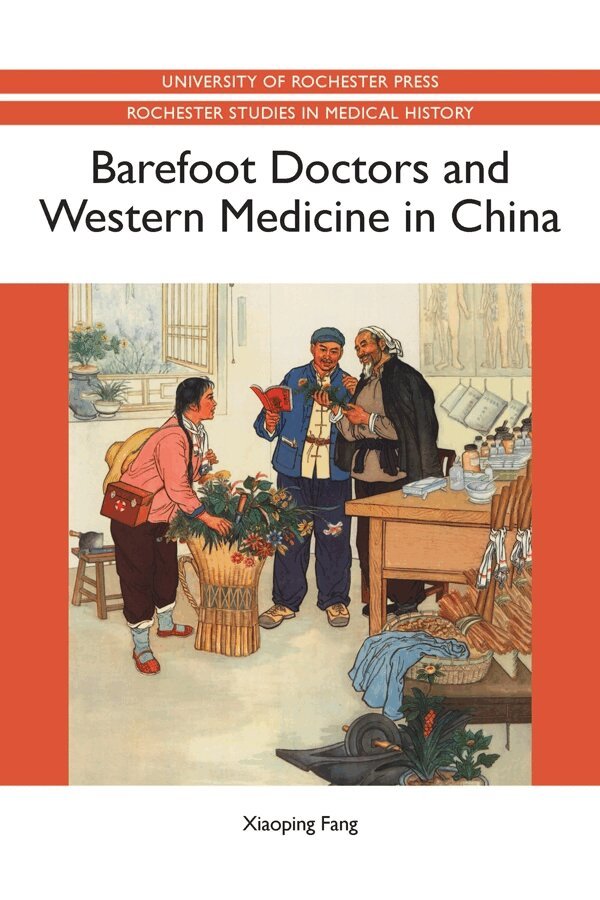
The first study in English that examines barefoot doctors in China from the perspective of the social history of medicine.In 1968, at the height of the Cultural Revolution, the Chinese Communist Party endorsed a radical new system of health-care delivery for the rural masses. Soon every village had at least one barefoot doctor to provide basic medical care, creating a national network of health-care services for the very first time. The barefoot doctors were portrayed nationally and internationally as revolutionary heroes, wading undaunted through rice paddies to bring effective, low-cost care to poor peasants.This book is the first comprehensive study to look beyond the nostalgia dominating present scholarship on public health in China and offer a powerful and carefully contextualized critiqueof the prevailing views on the role of barefoot doctors, their legacy, and their impact. Drawing on primary documents from the Cultural Revolution and personal interviews with patients and doctors, Xiaoping Fang examines the evidence within the broader history of medicine in revolutionary and postreform China. He finds that rather than consolidating traditional Chinese medicine, as purported by government propaganda, the barefoot doctor program introducedmodern Western medicine to rural China, effectively modernizing established methods and forms of care. As a result, this volume retrieves from potential oblivion a critical part of the history of Western medicine in China. Xiaoping Fang is assistant professor of Chinese history at Nanyang Technological University, Singapore.