Xiaoxuan Lu - Böcker
Visar alla böcker från författaren Xiaoxuan Lu. Handla med fri frakt och snabb leverans.
8 produkter
8 produkter
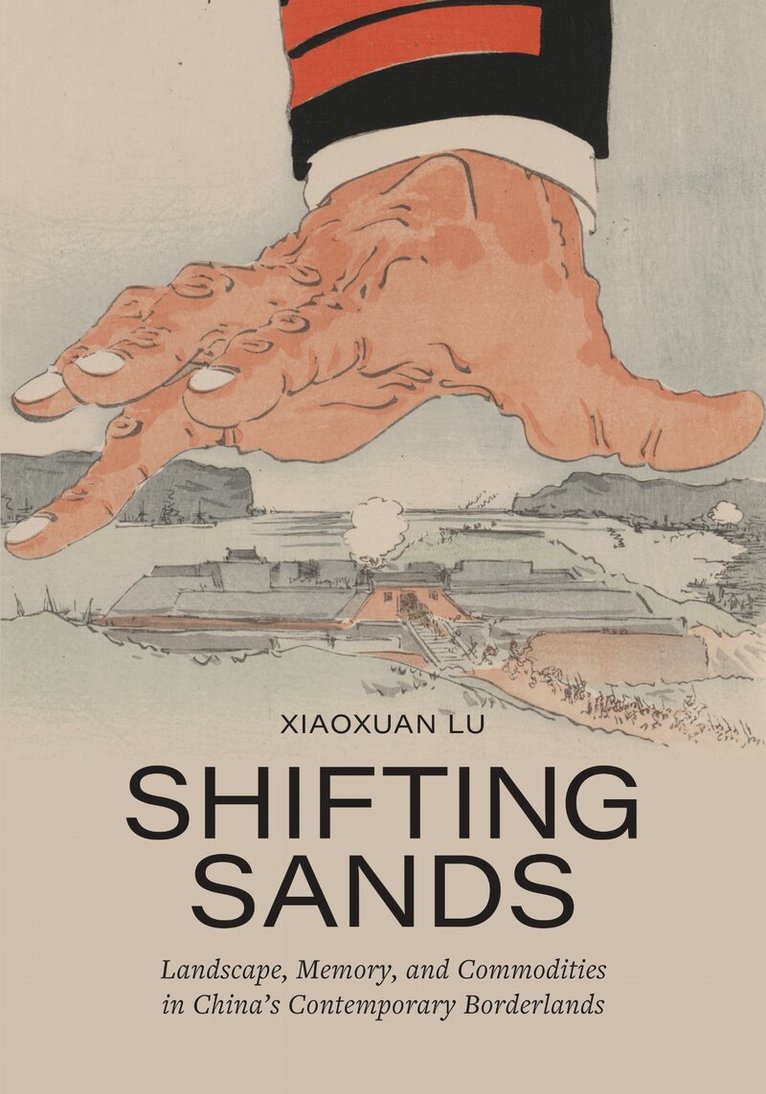
Shifting Sands
Landscape, Memory, and Commodities in China's Contemporary Borderlands
Inbunden, Engelska, 2023
550 kr
Skickas inom 7-10 vardagar
How China’s borderlands transformed politically and culturally throughout the twentieth and twenty-first centuries.China’s land borders, shared with fourteen other nations, are the world’s longest. Like all borders, they are not just lines on a map but also spaces whose histories and futures are defined by their frontier status. An ambitious appraisal of China’s borderlands, Shifting Sands addresses the full scope and importance of these regions, illustrating their transformation from imperial backwaters to hotbeds of resource exploitation and human development in the age of neoliberal globalization. Xiaoxuan Lu brings to bear an original combination of archival research, fieldwork, cartography, and landscape analysis, broadening our understanding of the political economy and cultural changes in China’s borderlands in the twentieth and twenty-first centuries. While conventional wisdom looks to the era of Deng Xiaoping for China’s “opening,” Lu shows the integration of China’s borderlands into national and international networks from Sun Yat-sen onward. Yet, while the state has left a firm imprint on the borderlands, they were hardly created by China alone. As the Chinese case demonstrates, all borderlands are transnational, their physical and socioeconomic landscapes shaped by multidirectional flows of materials, ideas, and people.
388 kr
Skickas inom 3-6 vardagar
414 kr
Skickas inom 3-6 vardagar
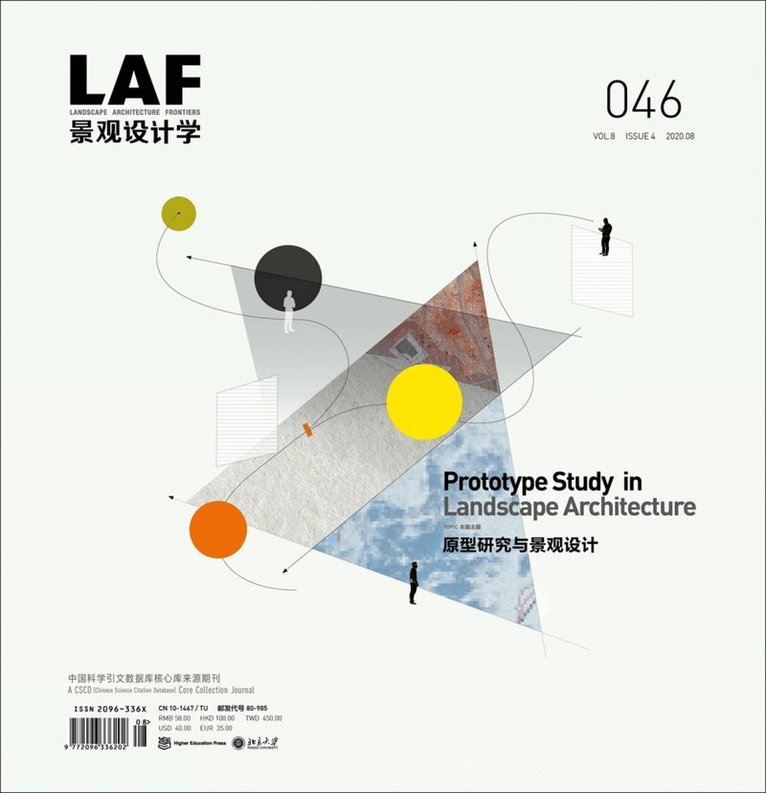
In this issue, LA Frontiers focuses on prototype studies by examining those traceable and repeatable landscape theories, methodologies, and pedagogies, and introducing the knowledge from allied disciplines to inspire knowledge innovation, with a particular highlight on the prototypes adaptive to future uncertainties.
374 kr
Tillfälligt slut
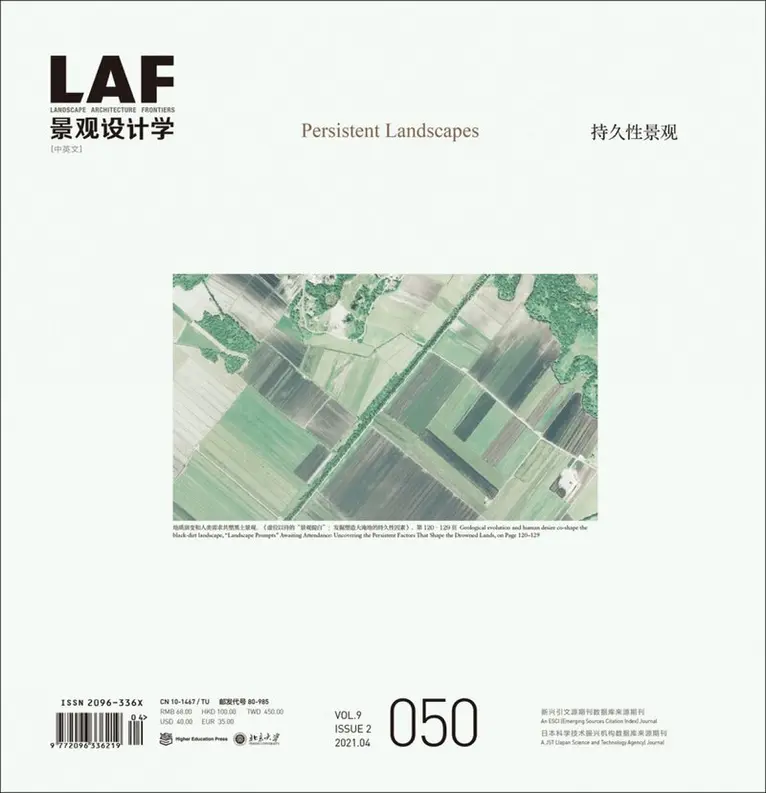
Landscape is a time-space compound shaped by human activities on natural processes; the persistence of a landscape supports its continuity and stability over time, as well as the stable variety of physical environment. For remaining landscapes, the persistence means the stability of natural ecosystems and the harmony of cultural-social contexts. The former emphasises the ability to maintain the dynamism and stability of the landscape system against external disturbances; the latter one, by regarding the landscape as a man-land composite ecosystem, refers to the ability to maintain localities and cultural legacy in response to changes of natural and social environments. For emerging landscapes, persistence manifests the ability to interact and integrate with and adapt to the remaining landscapes.The rapid urbanisation and population growth have caused tremendous changes in urban and rural landscapes worldwide, increasingly undermining the persistence of landscapes: traditional rural landscapes and urban historic neighbourhoods have been replaced with massive industrial scenes; the lack of innovative design ideas, the stagnation of theoretical study, and the limitation of aesthetic awareness have resulted in the neglect of critical ecological, social, and aesthetic values of such heritages, the damage of ecological security patterns, and the disappear of people’s collective memories about vernacular landscapes. Efforts addressing the pressing issues, e.g. the destruction of natural environment, the loss of landscape values, and the culture shock, are expected.Text in English and Chinese.
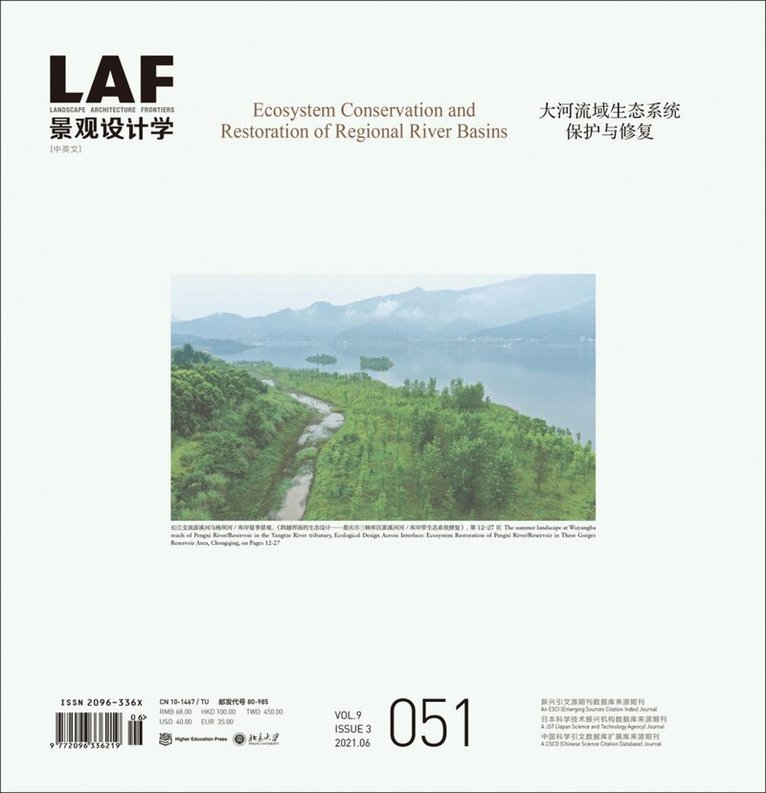
Landscape Architecture Frontiers 051
Ecosystem Conservation and Restoration of Regional River Basins
Häftad, Engelska, 2022
374 kr
Tillfälligt slut
In recent years, China has issued several basin-scale plans to deal with pressing resources, environmental, and social problems caused by regional urbanisation. These plans help push ahead flood control and disaster reduction, the allocation, utilisation, and conservation of water resources, water ecological environment protection, and integrated basin management. The development of Yangtze River Delta, the Yangtze Economic Belt, the Yellow River Basin, Beijing–Tianjin–Hebei Region, Guangdong–Hong Kong–Macao Greater Bay Area, etc., has now become new national agendas, which are guaranteed by top-down policies and offer opportunities for regional growth. Several new laws and regulations coming into effect as of 2021 also reinforce the collaborative basin management that drives regional social and economic development.Meanwhile, territorial spatial planning systems established under the requirement of Multiple-Plan Integration also underscore basin development strategies in spatial management and ecological restoration. This issue, mainly focusing on the regional planning research based on water and land resources through revealing their ecological characteristics, is expected to include contribution to the following aspects (but is not limited to):1) Research on regional ecology, land use, and ecosystem service at the basin scale2) Research on theories, approaches, and practices relevant to basin spatial planning and ecological restoration3) Research on spatial strategies and economic zoning to propel basin-scale social and economic development4) Research on basin-scale collaborative planning and sustainable development of water resources and environmental protection5) Integrated basin management planning geared to guaranteeing basins’ ecosystem services6) ecological river-corridor conservation and restoration at the basin scaleIn all these topics, researchers and planners are called to act as leaders in interdisciplinary collaboration within the fields of biology, geography, geology, and the climate sciences to solve ecological and environmental problems by treating the water network of a basin, as a whole. In this issue, LA Frontiers also attempts to learn from cutting-edge exemplars worldwide in basin management, especially in ecosystem conservation and restoration, to provide reference for Chinese researchers and practitioners.
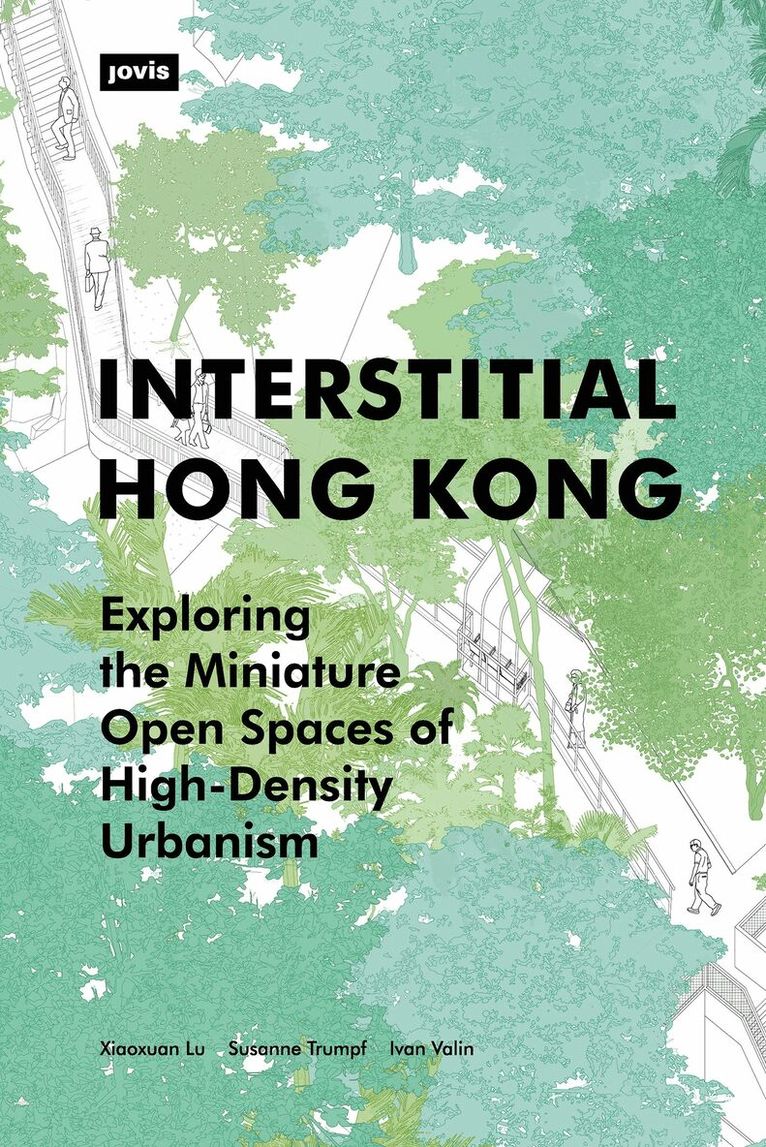
Interstitial Hong Kong
Exploring the Miniature Open Spaces of High-Density Urbanism
Häftad, Engelska, 2021
401 kr
Skickas inom 5-8 vardagar
Enmeshed in Hong Kong’s densely woven urban fabric, wedged between its towering mixed-use complexes and perched along its steep hillsides, sits a network of more than 500 miniature public parks comprising the smallest unit of the city’s public open space network. Though plentiful, these so-called Sitting-out Areas – referred to locally as 三角屎坑 (literally: a “three-cornered shit pit”) – have never been considered in terms of the collective resource they have the potential to be.This book presents a series of critical essays revealing the city’s Sitting-out Areas in relation to Hong Kong’s planning histories and shifting terrains, while also tracking how these spatial fragments have been shaped by concepts of publicness, accessibility and regulation. The second half of the book presents 44 richly illustrated case studies revealing the variety and idiosyncrasies of Hong Kong’s smallest open spaces. Ultimately, the book argues that we can understand the high-density city not only through its buildings, but through the character and potency of its interstitial landscapes.
550 kr
Skickas inom 10-15 vardagar
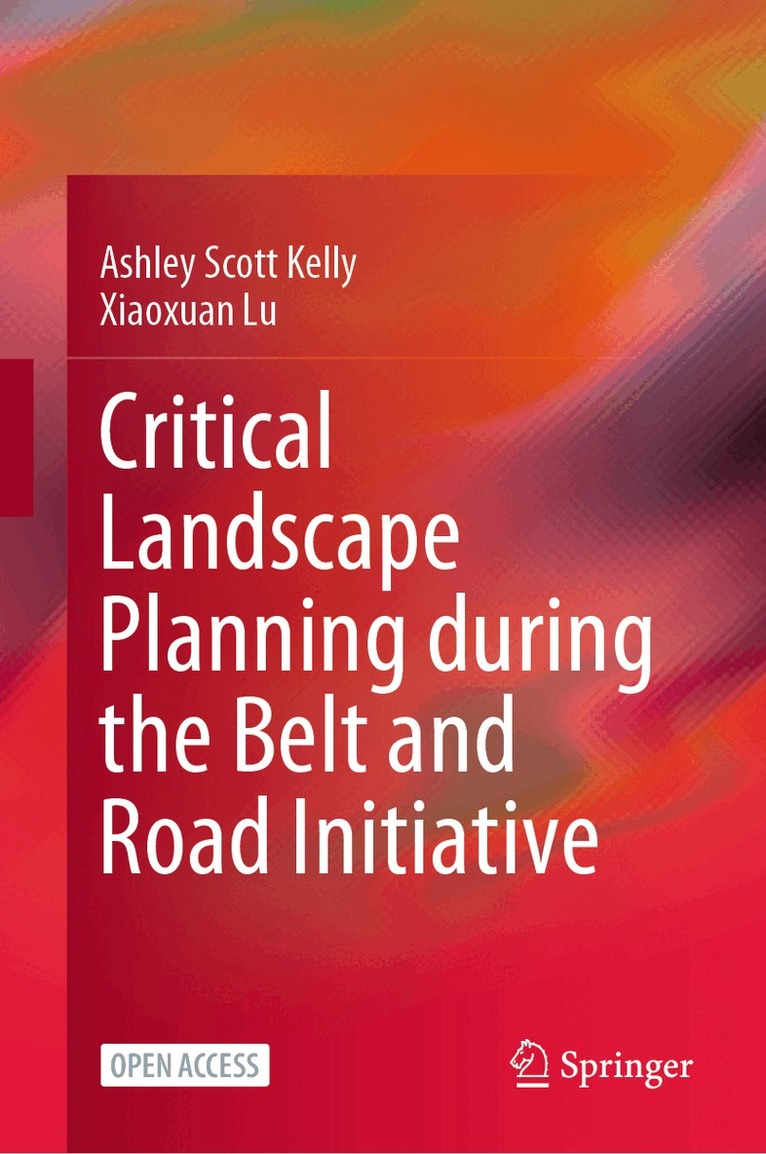
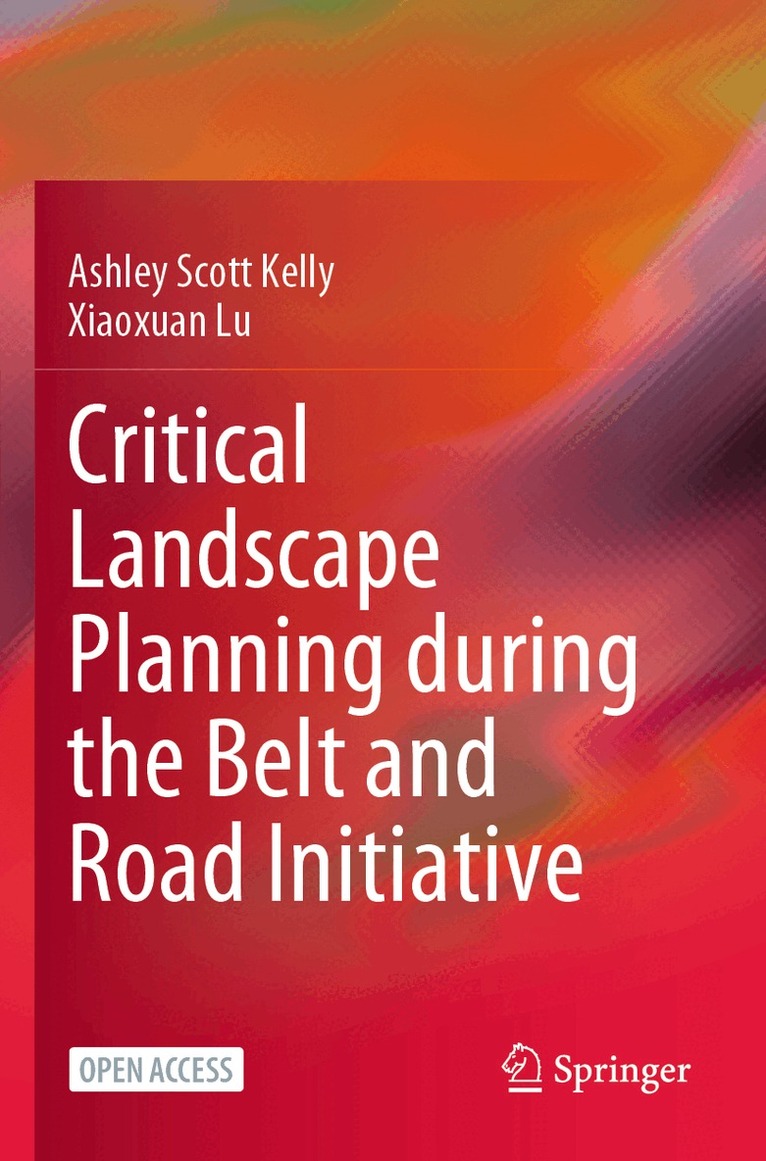
This open access book traces the development of landscapes along the 414-kilometer China–Laos Railway, one of the first infrastructure projects implemented under China’s Belt and Road Initiative (BRI) and which is due for completion at the end of 2021. Written from the perspective of landscape architecture and intended for planners and related professionals engaged in the development and conservation of these landscapes, this book provides history, planning pedagogy and interdisciplinary framing for working alongside the often-opaque planning, design and implementation processes of large-scale infrastructure. It complicates simplistic notions of development and urbanization frequently reproduced in the Laos–China frontier region. Many of the projects and sites investigated in this book are recent “firsts” in Laos: Laos’s first wildlife sanctuary for trafficked endangered species, its first botanical garden and its first planting plan for a community forest. Most often the agents and accomplices of neoliberal development, the planning and design professions, including landscape architecture, have little dialogue with either the mainstream natural sciences or critical social sciences that form the discourse of projects in Laos and comparable contexts. Covering diverse conceptions and issues of development, including cultural and scientific knowledge exchanges between Laos and China, nature tourism, connectivity and new town planning, this book also features nine planning proposals for Laos generated through this research initiative since the railway's groundbreaking in 2016. Each proposal promotes a wider "landscape approach" to development and deploys landscape architecture’s spatial and ecological acumen to synthesize critical development studies with the planner's capacity, if not naive predilection, to intervene on the ground. Ultimately, this book advocates the cautious engagement of the professionally oriented built-environment disciplines, such as regional planning, civil engineering and landscape architecture, with the landscapes of development institutions and environmental NGOs.
442 kr
Skickas inom 10-15 vardagar
This open access book traces the development of landscapes along the 414-kilometer China–Laos Railway, one of the first infrastructure projects implemented under China’s Belt and Road Initiative (BRI) and which is due for completion at the end of 2021. Written from the perspective of landscape architecture and intended for planners and related professionals engaged in the development and conservation of these landscapes, this book provides history, planning pedagogy and interdisciplinary framing for working alongside the often-opaque planning, design and implementation processes of large-scale infrastructure. It complicates simplistic notions of development and urbanization frequently reproduced in the Laos–China frontier region. Many of the projects and sites investigated in this book are recent “firsts” in Laos: Laos’s first wildlife sanctuary for trafficked endangered species, its first botanical garden and its first planting plan for a community forest. Most often the agents and accomplices of neoliberal development, the planning and design professions, including landscape architecture, have little dialogue with either the mainstream natural sciences or critical social sciences that form the discourse of projects in Laos and comparable contexts. Covering diverse conceptions and issues of development, including cultural and scientific knowledge exchanges between Laos and China, nature tourism, connectivity and new town planning, this book also features nine planning proposals for Laos generated through this research initiative since the railway's groundbreaking in 2016. Each proposal promotes a wider "landscape approach" to development and deploys landscape architecture’s spatial and ecological acumen to synthesize critical development studies with the planner's capacity, if not naive predilection, to intervene on the ground. Ultimately, this book advocates the cautious engagement of the professionally oriented built-environment disciplines, such as regional planning, civil engineering and landscape architecture, with the landscapes of development institutions and environmental NGOs.