Yea-Wen Chen - Böcker
Visar alla böcker från författaren Yea-Wen Chen. Handla med fri frakt och snabb leverans.
5 produkter
5 produkter
Del 25 - Critical Intercultural Communication Studies
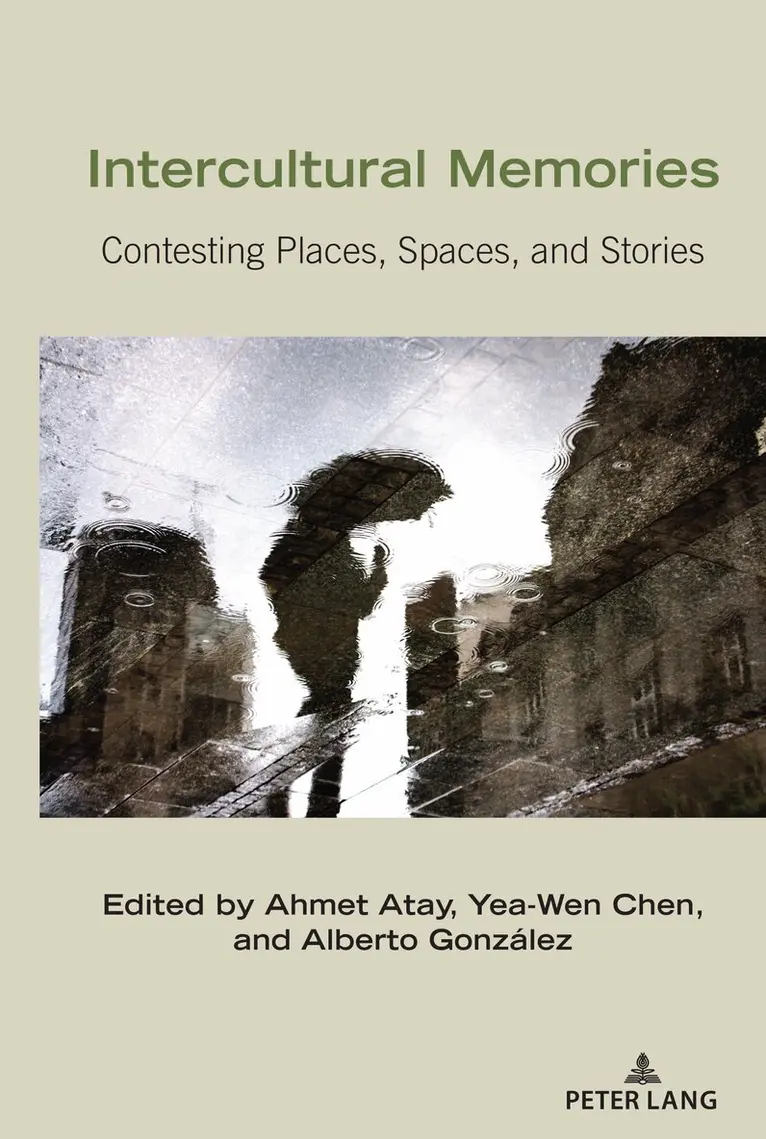
Intercultural Memories
Contesting Places, Spaces, and Stories
Inbunden, Engelska, 2021
1 090 kr
Skickas inom 5-8 vardagar
Collective remembering is an important way that communities name and make sense of the past. Places and stories about the past influence how communities remember the past, how they try to preserve it, or in some cases how they try to erase it. The research in this book offers key insights into how places and memories intersect with intercultural conflicts, oppressions, and struggles by which communities make sense of, deal with, and reconcile the past. The authors in this book examine fascinating stories from important sites—such as international commemorations of Korean “Comfort Women,” a film representation of the Stonewall Riots, and remembrances of the post-communist state in Albania. By utilizing various critical and cultural studies and ethnographic and narrative-based methods, each chapter examines cultural memory in intercultural encounters, everyday experiences, and identity performances that evoke collective memories of colonial pasts, immigration processes, and memories of places and spaces that are shaped by power structures and clashing ideologies. This book is essential reading for understanding the links between space/place and cultural memory, memories of nationally, and places constituted by markers of ethnicity, race, and sexuality. These readings are especially useful in courses in intercultural communication, cultural studies, international studies, and peace and conflict studies.
Del 25 - Critical Intercultural Communication Studies
Intercultural Memories
Contesting Places, Spaces, and Stories
Häftad, Engelska, 2021
406 kr
Skickas inom 5-8 vardagar
Collective remembering is an important way that communities name and make sense of the past. Places and stories about the past influence how communities remember the past, how they try to preserve it, or in some cases how they try to erase it. The research in this book offers key insights into how places and memories intersect with intercultural conflicts, oppressions, and struggles by which communities make sense of, deal with, and reconcile the past. The authors in this book examine fascinating stories from important sites—such as international commemorations of Korean “Comfort Women,” a film representation of the Stonewall Riots, and remembrances of the post-communist state in Albania. By utilizing various critical and cultural studies and ethnographic and narrative-based methods, each chapter examines cultural memory in intercultural encounters, everyday experiences, and identity performances that evoke collective memories of colonial pasts, immigration processes, and memories of places and spaces that are shaped by power structures and clashing ideologies. This book is essential reading for understanding the links between space/place and cultural memory, memories of nationally, and places constituted by markers of ethnicity, race, and sexuality. These readings are especially useful in courses in intercultural communication, cultural studies, international studies, and peace and conflict studies.
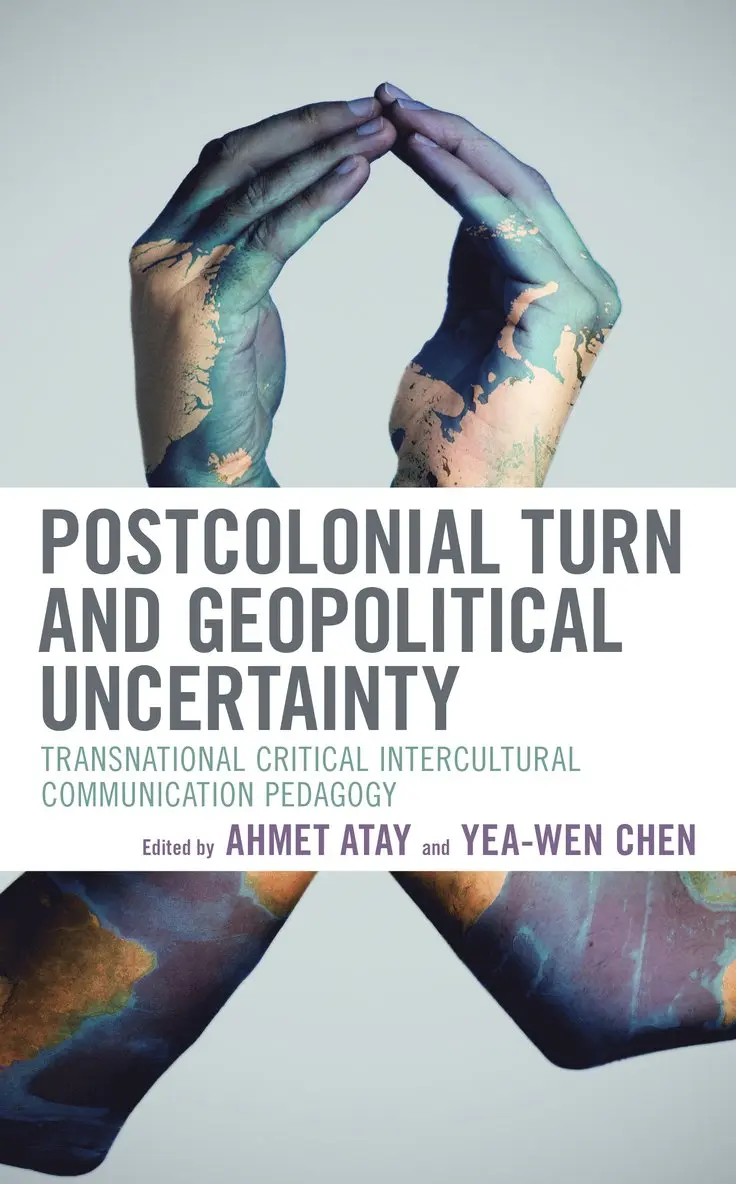
Postcolonial Turn and Geopolitical Uncertainty
Transnational Critical Intercultural Communication Pedagogy
Inbunden, Engelska, 2020
1 126 kr
Skickas inom 10-15 vardagar
Postcolonial Turn and Geopolitical Uncertainty: Transnational Critical Intercultural Communication Pedagogy connects and interweaves critical communication pedagogy and critical intercultural communication to create a new pedagogy, transnational critical communication pedagogy, that emphasizes the importance of postcolonial and global turns as they are molded into a new area of critical global and intercultural communication pedagogies. Contributors take a transnational approach that requires a deep commitment to acknowledging the importance of the role of geopolitics as it applies to voice, articulation, power, and oppression. This pedagogy ultimately focuses on the social change and social justice that are central to the critical and cultural communication work that aims to decolonize existing communication pedagogies and academia from a more global perspective. Scholars of communication, education, and decolonial studies will find this book particularly useful.
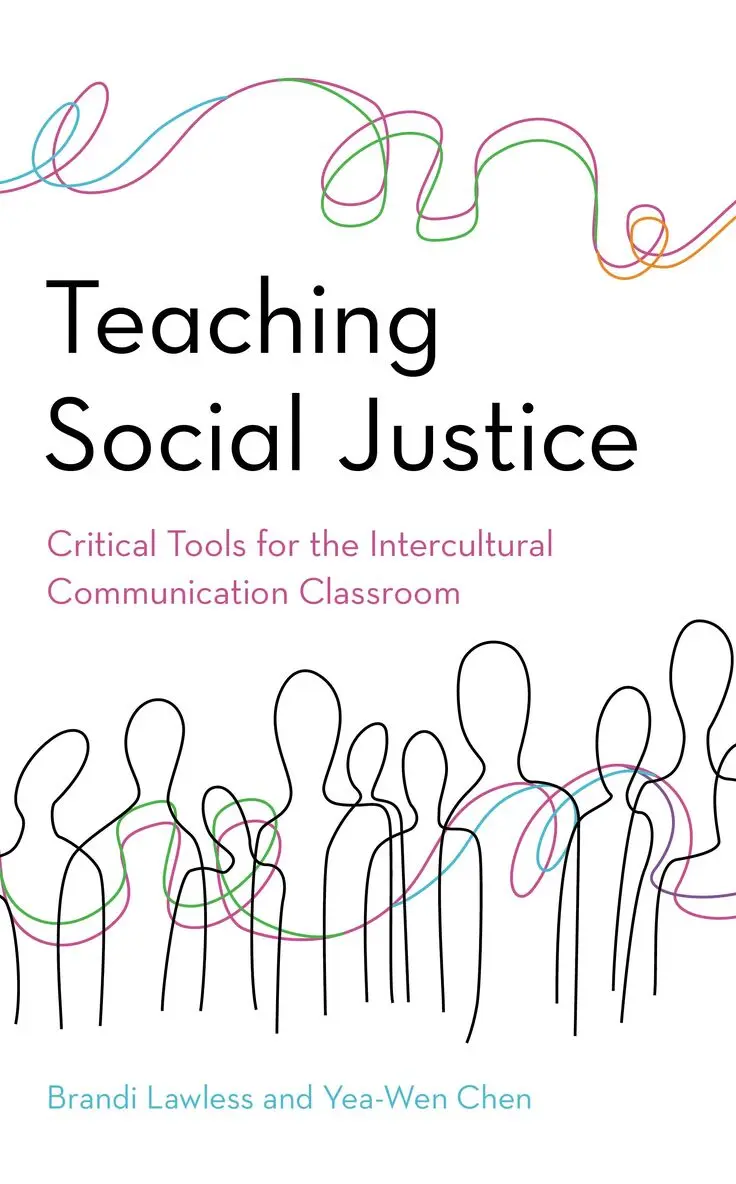
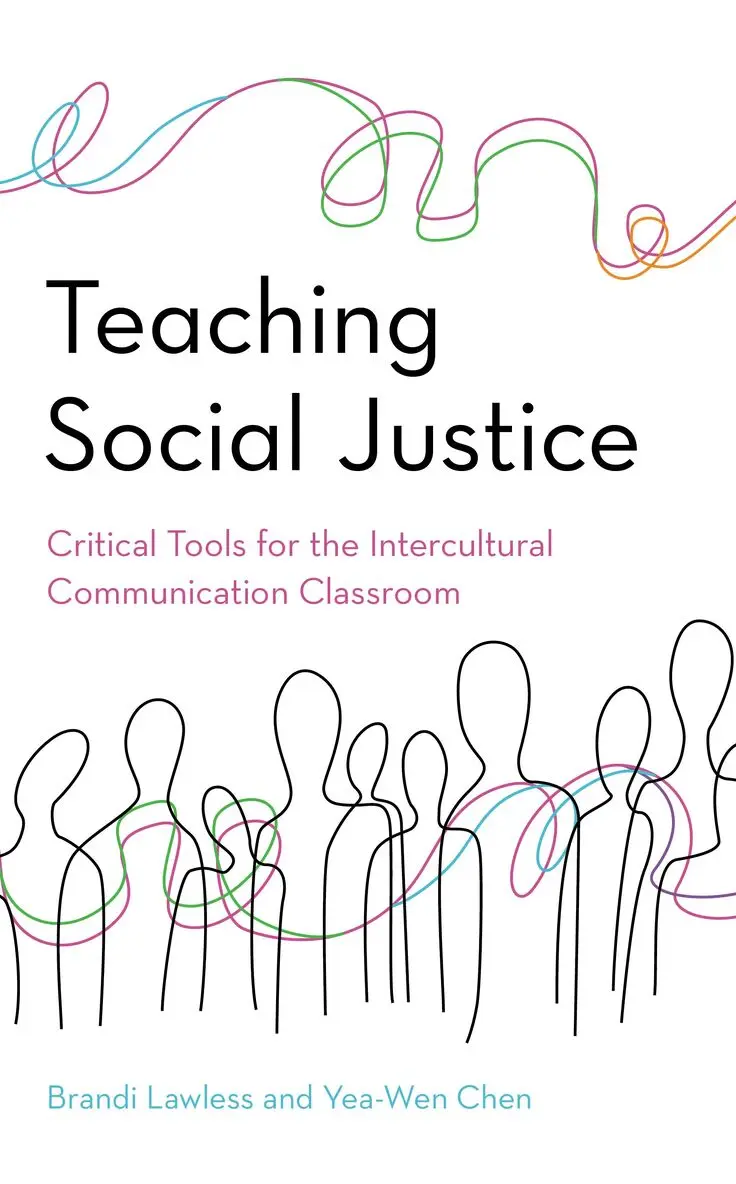
Teaching Social Justice
Critical Tools for the Intercultural Communication Classroom
Inbunden, Engelska, 2021
919 kr
Skickas inom 10-15 vardagar
The intercultural communication classroom can be an emotionally and intellectually heavy place for many students and teachers. Sensitive topics arise and students must face complex issues with intellectual curiosity and collegial respect. To navigate the precarious waters of intercultural communications, teachers need an intentional approach to foster meaningful discussion and learning.This pedagogical guide presents conceptual overviews, student activities, and problem-solving strategies for teaching intercultural communication. The authors navigate eight categories of potential conflict, including: communicating power and privilege, community engagement in social justice, and assessing intercultural pedagogies for social justice. In addition to empirical studies and the authors’ own classroom experiences, the book features the personal narratives of junior and senior intercultural communication teacher-scholars whose journeys will encourage and instruct readers towards more fulfilling teaching experiences.
Teaching Social Justice
Critical Tools for the Intercultural Communication Classroom
Häftad, Engelska, 2021
424 kr
Skickas inom 10-15 vardagar
The intercultural communication classroom can be an emotionally and intellectually heavy place for many students and teachers. Sensitive topics arise and students must face complex issues with intellectual curiosity and collegial respect. To navigate the precarious waters of intercultural communications, teachers need an intentional approach to foster meaningful discussion and learning.This pedagogical guide presents conceptual overviews, student activities, and problem-solving strategies for teaching intercultural communication. The authors navigate eight categories of potential conflict, including: communicating power and privilege, community engagement in social justice, and assessing intercultural pedagogies for social justice. In addition to empirical studies and the authors’ own classroom experiences, the book features the personal narratives of junior and senior intercultural communication teacher-scholars whose journeys will encourage and instruct readers towards more fulfilling teaching experiences.