Yoko Aoshima – författare
Visar alla böcker från författaren Yoko Aoshima. Handla med fri frakt och snabb leverans.
4 produkter
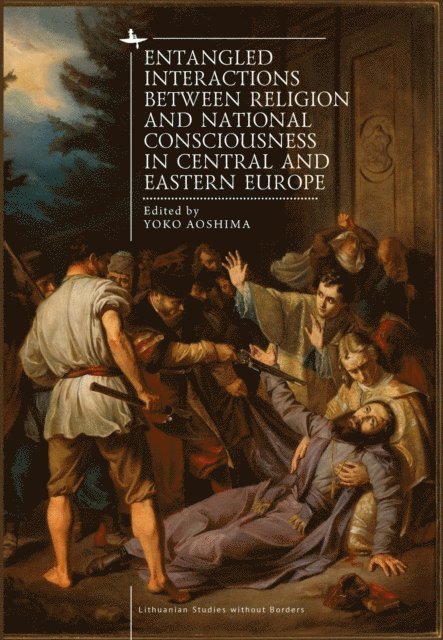
Entangled Interactions between Religion and National Consciousness in Central and Eastern Europe
Av Yoko Aoshima
Inbunden, 2020
1258 kr
Lägg i varukorg
This book elucidates the complicated relationship between religion and national consciousness in the modern world, highlighting various cases in Central and Eastern Europe. Though those analyses, the authors show how religion, far from disappearing, strongly impacted the emerging national …
Entangled Interactions between Religion and National Consciousness in Central and Eastern Europe
Av Yoko Aoshima
E-bok, 2020
2771 kr
Lägg i varukorg
This book elucidates the complicated relationship between religion and national consciousness in the modern world, highlighting various cases within Central and Eastern Europe. Through these analyses, contributors demonstrate how religion, far from disappearing, strongly impacted the emerging …
Entangled Interactions between Religion and National Consciousness in Central and Eastern Europe
Av Yoko Aoshima
E-bok, 2021
1847 kr
Lägg i varukorg
This book elucidates the complicated relationship between religion and national consciousness in the modern world, highlighting various cases within Central and Eastern Europe. Through these analyses, contributors demonstrate how religion, far from disappearing, strongly impacted the emerging …
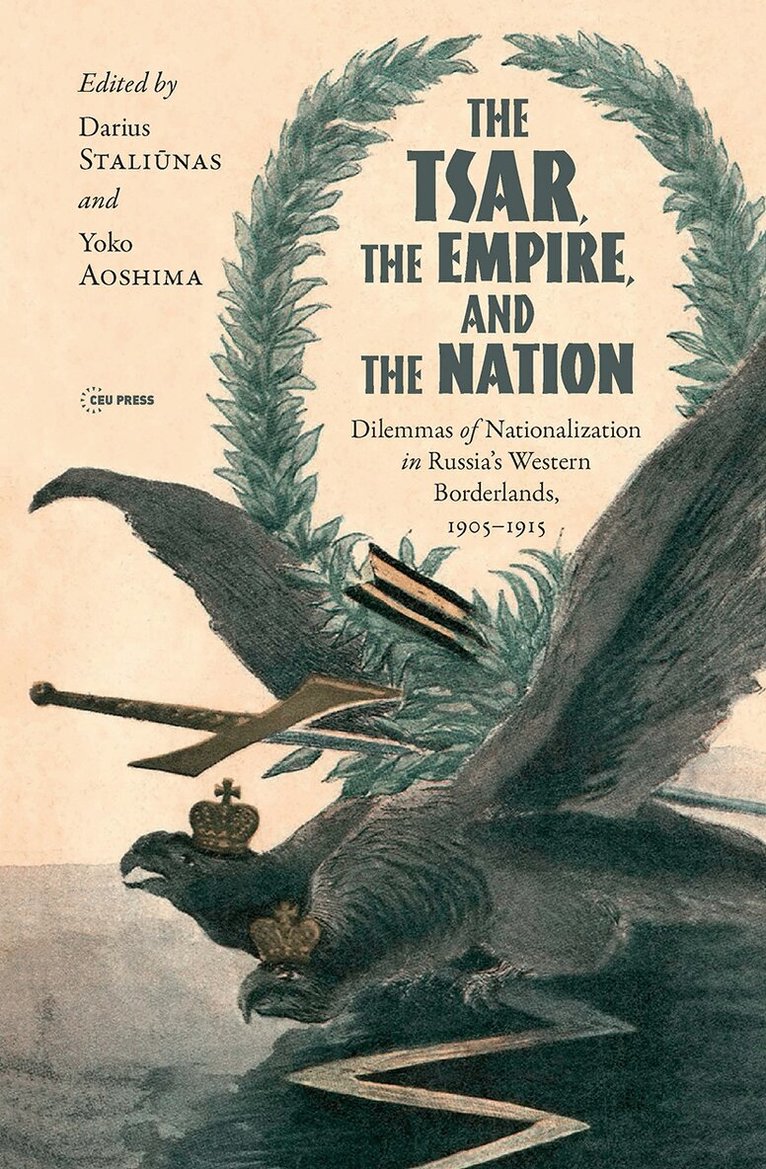
Tsar, The Empire, and The Nation
Dilemmas of Nationalization In Russia’s Western Borderlands, 1905-1915
Av Darius Staliūnas, Yoko Aoshima
Inbunden, 2021
2137 kr
Lägg i varukorg
This collection of essays addresses the challenge of modern nationalism to the tsarist Russian Empire. First appearing on the empire’s western periphery this challenge, was most prevalent in twelve provinces extending from Ukrainian lands in the south to the Baltic provinces in the north, as well …