Yong Suk Lee - Böcker
Visar alla böcker från författaren Yong Suk Lee. Handla med fri frakt och snabb leverans.
4 produkter
4 produkter
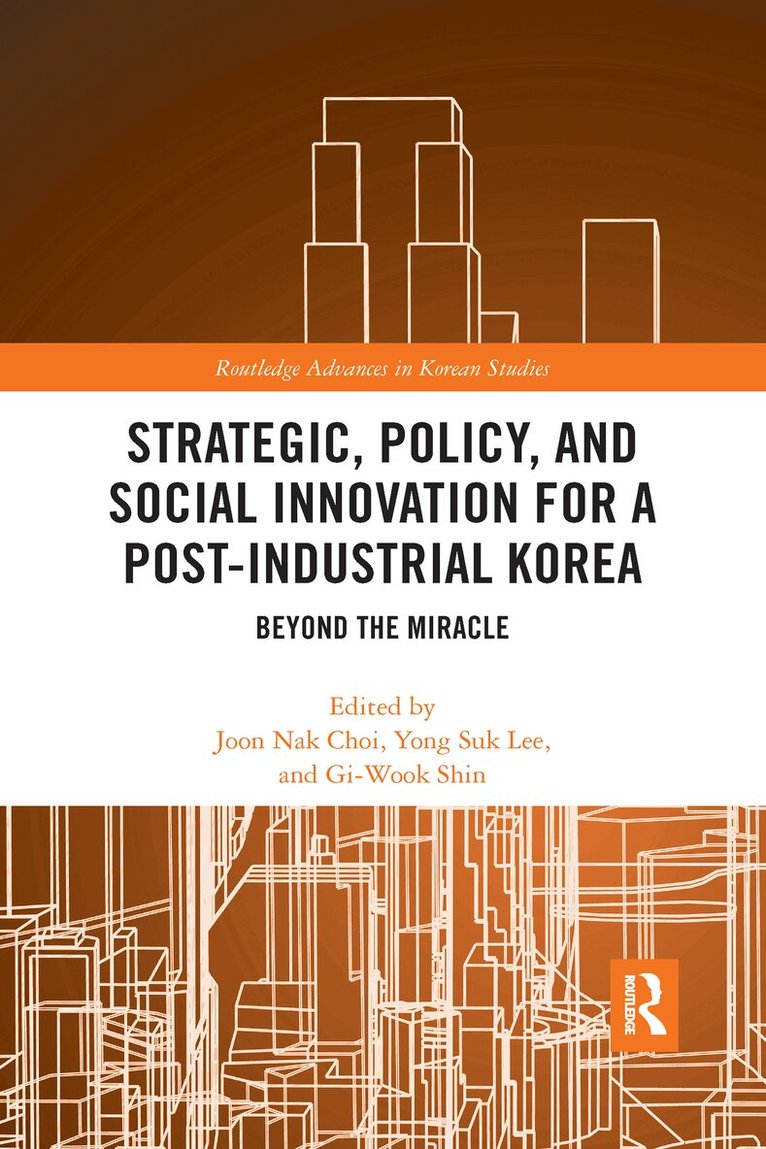
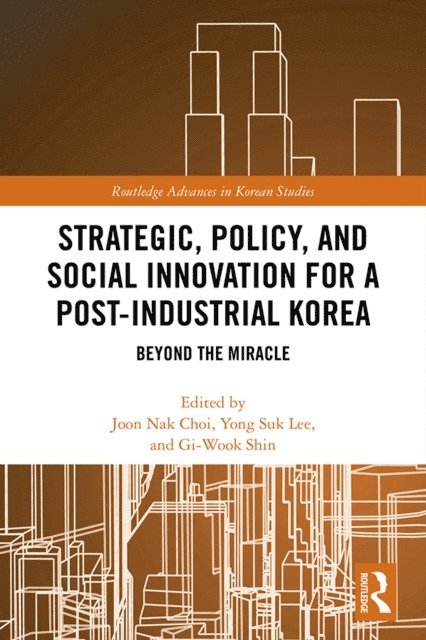
Strategic, Policy and Social Innovation for a Post-Industrial Korea
Beyond the Miracle
Häftad, Engelska, 2021
635 kr
Skickas inom 10-15 vardagar
Export-oriented industrialization has transformed the Korean economy so profoundly that it has become known as the "Miracle on the Han." Yet, this industrial model has become fragile, as Korea’s chaebols are being challenged by Chinese competitors. Attempts to seek out new engines of economic growth have failed, or remain underdeveloped, while a looming demographic crisis threatens to exacerbate Korea’s problems.This book outlines a blueprint for overcoming these challenges, moving beyond the business strategies, government policies, and socio-cultural patterns established under export-oriented industrialization. Written by a stellar line-up of international contributors, its central proposition is that social change is needed to support the strategic and operational transformation of the chaebol and SMEs. Specifically, it stresses the need for an appreciation of the gender, national, and ethnic diversity emerging within the Korean workplace today. If properly leveraged, such diversity has the potential to reduce the groupthink that hampers the creativity and responsiveness of Korean firms today, as well as facilitating greater success in overseas markets. Taking an interdisciplinary approach, this book will be useful to students and scholars in Korean Studies, as well as those studying business, economics, and sociology more broadly in East Asia.
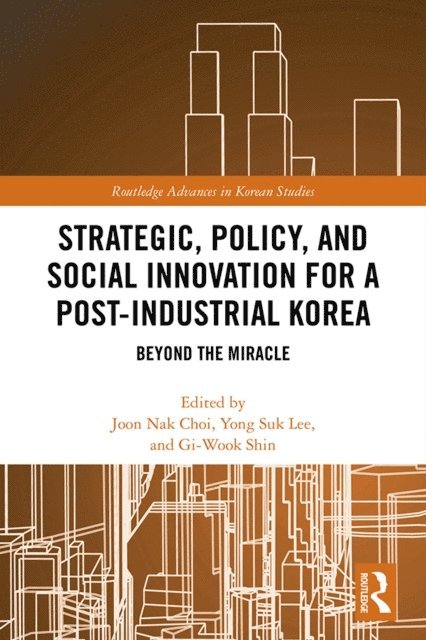
Strategic, Policy and Social Innovation for a Post-Industrial Korea
Beyond the Miracle
Inbunden, Engelska, 2018
2 151 kr
Skickas inom 10-15 vardagar
Export-oriented industrialization has transformed the Korean economy so profoundly that it has become known as the "Miracle on the Han." Yet, this industrial model has become fragile, as Korea’s chaebols are being challenged by Chinese competitors. Attempts to seek out new engines of economic growth have failed, or remain underdeveloped, while a looming demographic crisis threatens to exacerbate Korea’s problems.This book outlines a blueprint for overcoming these challenges, moving beyond the business strategies, government policies, and socio-cultural patterns established under export-oriented industrialization. Written by a stellar line-up of international contributors, its central proposition is that social change is needed to support the strategic and operational transformation of the chaebol and SMEs. Specifically, it stresses the need for an appreciation of the gender, national, and ethnic diversity emerging within the Korean workplace today. If properly leveraged, such diversity has the potential to reduce the groupthink that hampers the creativity and responsiveness of Korean firms today, as well as facilitating greater success in overseas markets. Taking an interdisciplinary approach, this book will be useful to students and scholars in Korean Studies, as well as those studying business, economics, and sociology more broadly in East Asia.
417 kr
Skickas inom 7-10 vardagar
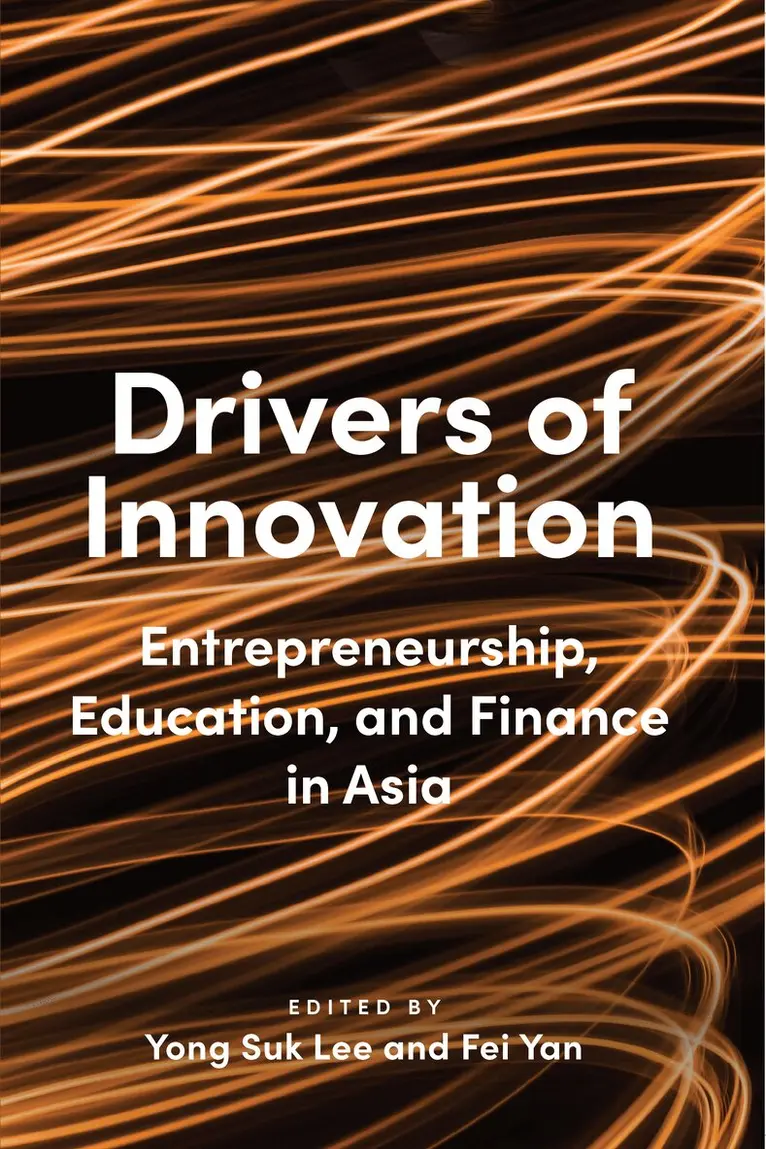
Innovation and entrepreneurship rank highly on the strategic agenda of most countries today. As global economic competition intensifies, many national policymakers now recognize the central importance of entrepreneurship education and the building of financial institutions to promote long-term innovation, entrepreneurship, and economic growth. Drivers of Innovation brings together scholars from the United States and Asia to explore those education and finance policies that might be conducive to accelerating innovation and developing a more entrepreneurial workforce in East Asia. Some of the questions covered include: How do universities in China and Singapore experiment with new types of learning in their quest to promote innovation and entrepreneurship? Is there a need to transform the traditional university into an “entrepreneurial university”? What are the recent developments in and outstanding challenges to financing innovation in China and Japan? What is the government’s role in promoting innovative entrepreneurship under the shadow of big business in South Korea? What can we learn about the capacity of services to drive innovation-led growth in India? Drivers of Innovation will serve as a valuable reference for scholars and policymakers working to develop human capital for innovation in Asia.
377 kr
Skickas inom 7-10 vardagar
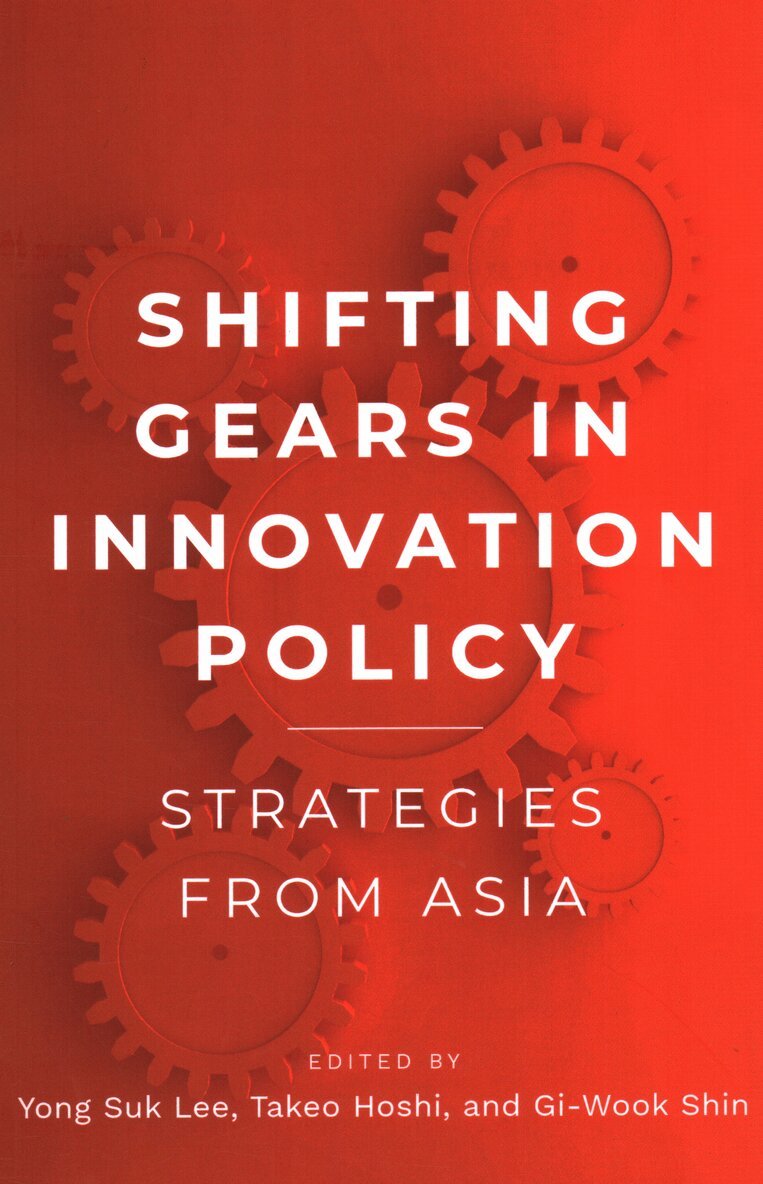
In the six Asian countries focused on in this book—China, India, Japan, Singapore, South Korea, and Taiwan—high economic growth has been achieved in many industrial sectors, the catch-up phase of growth has ended or is about to end, and technological frontiers have been reached in many industries. These countries can no longer rely on importing or imitating new technology from abroad and expanding imports, and instead have to develop their own innovations to maintain growth. The policy tools they often used to advance "innovation," for the most traditional industrial policies of identifying promising industries and promoting them, will no longer be effective. And indeed, governments in Asia have recently put forward new policies, such as China's push for mass entrepreneurship and innovation.Domestic conditions in Asian economies have also started to change. Many countries are facing rapidly aging populations and low birth rates: Japan's population, declining for several years, is the first population decline not caused by war or disease in the modern world; South Korea's labor force started to shrink in 2018 as well; China's huge population will start to age, even as a large part of the population remains poor.Facing these challenges, today Asia is at a juncture. East Asia as a whole has greater real economic output than North America, South and Southeast Asia possess enormous economic potential due to size and resources, and countries within Asia are becoming more connected in both trade and diplomacy. It is at this juncture that the authors of Shifting Gears examine and reassess Asia's innovation and focus on national innovation strategies and regional cluster policies that can promote entrepreneurship and innovation in the larger Asia-Pacific. Chapters explore how institutions and policies affect incentives for innovation and entrepreneurship; whether Asia's innovation systems are substantially different from those of other countries, and in which ways, and whether there are any promising strategies for promoting innovation.