Yoshinori Nishizaki - Böcker
Visar alla böcker från författaren Yoshinori Nishizaki. Handla med fri frakt och snabb leverans.
4 produkter
4 produkter
888 kr
Skickas inom 10-15 vardagar
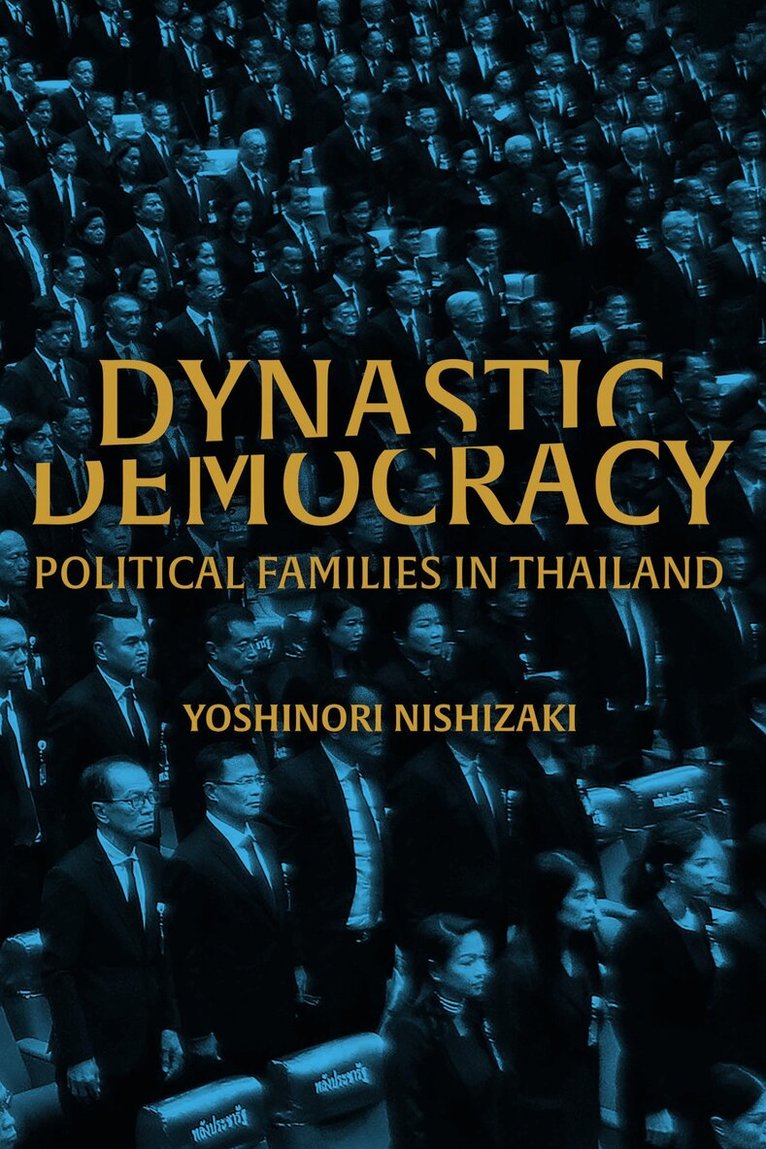
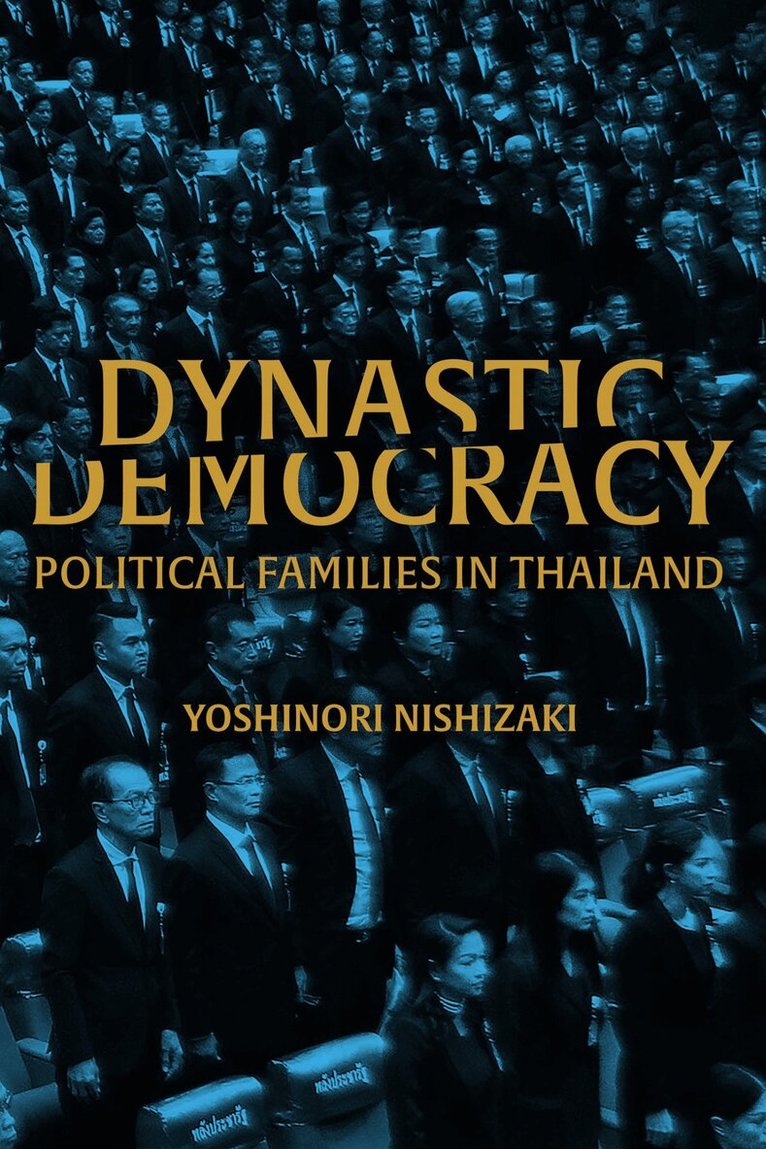
The political history of Thailand since the overthrow of absolute monarchy in 1932 has conventionally been interpreted as a long series of popular struggles for representative democracy and against military authoritarian rule. Yoshinori Nishizaki argues that this history can be better understood as one of struggles by elite political families for and against “dynastic democracy”—a form of democracy that is characterized by the patrimonial transmission of power between members of select ruling families. Dynastic Democracy suggests it is these familial-based contestations for political ascendancy that underlie the tumultuous politics of Thailand, a country that has experienced no fewer than twenty-two coups over the course of the past century. Drawing extensively on Thai-language primary sources, including assets documents and cremation volumes for deceased politicians and their kin, Nishizaki traces the intricate blood and marriage connections among Thailand’s political families. These families may fall into two categories: influential commoner families that have held parliamentary seats since 1932 and form the core of Thailand’s dynastic democracy; and upper-class families that are kin to or aligned ideologically with the royal family and have repeatedly challenged dynastic democracy through coups, constitutional changes, and other political maneuvers. Nishizaki’s exploration of dynastic democracy illustrates how democratic pluralism in Thailand has been consistently stifled, to the detriment of ordinary citizens. Dynastic Democracy fleshes out a widely acknowledged yet heretofore empirically unsubstantiated facet of Thai political history—that in Thai politics, family matters.
351 kr
Skickas inom 10-15 vardagar
Since the overthrow of absolute monarchy in 1932, Thailand’s political history has conventionally been interpreted as a long series of popular struggles for representative democracy and against authoritarian military rule. Yoshinori Nishizaki proposes that this history be understood as a continual struggle by elite political families for and against “dynastic democracy”—characterized by the transmission of power between members of select ruling families. Thailand has experienced no fewer than twenty-two coups over the past century, and Nishizaki shows that family-based contests for power underlie that tumultuous politics.Drawing extensively on Thai-language primary sources, Nishizaki traces the intricate blood and marriage connections among Thailand’s political families. These families fall into two categories: influential commoners who have held parliamentary seats since 1932 and form the core of Thailand’s dynastic democracy; and upper-class citizens who are related to the royal family either by kin or by ideological alignment, and who have repeatedly challenged political transitions with coups and constitutional changes, among other maneuvers. Nishizaki illustrates how a broader democracy in Thailand has been consistently stifled, to the detriment of ordinary citizens. Dynastic Democracy fleshes out a widely acknowledged yet heretofore empirically unsubstantiated facet of Thai political history—that in Thai politics, family matters.
Political Authority and Provincial Identity in Thailand
The Making of Banharn-buri
Häftad, Engelska, 2011
255 kr
Skickas inom 10-15 vardagar
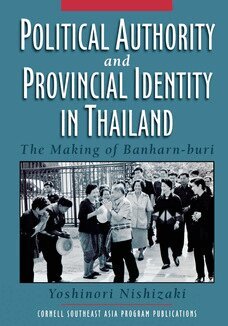
The powerful Thai politician Banharn Silpa-archa has been disparaged as a corrupt operator who for years channeled excessive state funds into developing his own rural province. This book reinterprets Banharm's career and offers a detailed portrait of the voters who support him. Relying on extensive interviews, the author shows how Banharm's constituents have developed a strong provincial identity based on their pride in his advancement of their province, Suphanburi, which many now call "Banharm-buri," the place of Banharm. Yoshinori Nishizaki's analysis challenges simplistic perceptions of rural Thai voters and raises vital questions about contemporary democracy in Thailand.Yoshinori Nishizaki's close and thorough examination of the numerous public construction projects sponsored and even personally funded by Banharn clearly illustrates this politician's canny abilities and tireless, meticulous oversight of his domain. Banharn's constituents are aware that Suphanburi was long considered a "backward" province by other Thais—notably the Bangkok elite. Suphanburians hold the neglectful central government responsible for their province's former sorry condition and humiliating reputation. Banharn has successfully identified himself as the antithesis to the inefficient central state by promoting rapid "development" and advertising his own role in that development through well-publicized donations, public ceremonies, and visits to the sites of new buildings and highways.Much standard literature on rural politics and society in Thailand and other democratizing countries in Southeast Asia would categorize this politician as a typical "strongman," the boss of a semiviolent patronage network that squeezes votes out of the people. That standard analysis would utterly fail to recognize and understand the grassroots realities of Suphanburi that Nishizaki has captured in his study. This compassionate, well-grounded analysis challenges simplistic perceptions of rural Thai voters and raises vital questions about contemporary democracy in Thailand.
Political Authority and Provincial Identity in Thailand
The Making of Banharn-buri
Inbunden, Engelska, 2011
530 kr
Skickas inom 10-15 vardagar
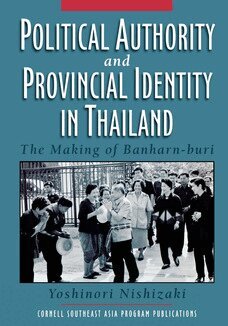
The powerful Thai politician Banharn Silpa-archa has been disparaged as a corrupt operator who for years channeled excessive state funds into developing his own rural province. This book reinterprets Banharm's career and offers a detailed portrait of the voters who support him. Relying on extensive interviews, the author shows how Banharm's constituents have developed a strong provincial identity based on their pride in his advancement of their province, Suphanburi, which many now call "Banharm-buri," the place of Banharm. Yoshinori Nishizaki's analysis challenges simplistic perceptions of rural Thai voters and raises vital questions about contemporary democracy in Thailand.Yoshinori Nishizaki's close and thorough examination of the numerous public construction projects sponsored and even personally funded by Banharn clearly illustrates this politician's canny abilities and tireless, meticulous oversight of his domain. Banharn's constituents are aware that Suphanburi was long considered a "backward" province by other Thais—notably the Bangkok elite. Suphanburians hold the neglectful central government responsible for their province's former sorry condition and humiliating reputation. Banharn has successfully identified himself as the antithesis to the inefficient central state by promoting rapid "development" and advertising his own role in that development through well-publicized donations, public ceremonies, and visits to the sites of new buildings and highways.Much standard literature on rural politics and society in Thailand and other democratizing countries in Southeast Asia would categorize this politician as a typical "strongman," the boss of a semiviolent patronage network that squeezes votes out of the people. That standard analysis would utterly fail to recognize and understand the grassroots realities of Suphanburi that Nishizaki has captured in his study. This compassionate, well-grounded analysis challenges simplistic perceptions of rural Thai voters and raises vital questions about contemporary democracy in Thailand.