Youngmin Choe - Böcker
Visar alla böcker från författaren Youngmin Choe. Handla med fri frakt och snabb leverans.
5 produkter
5 produkter
1 677 kr
Skickas inom 7-10 vardagar
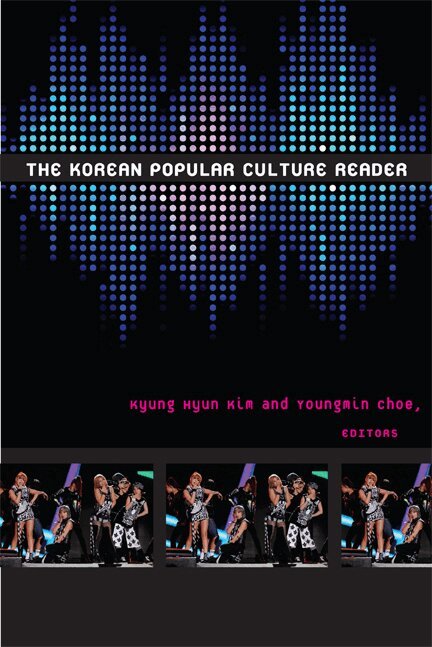
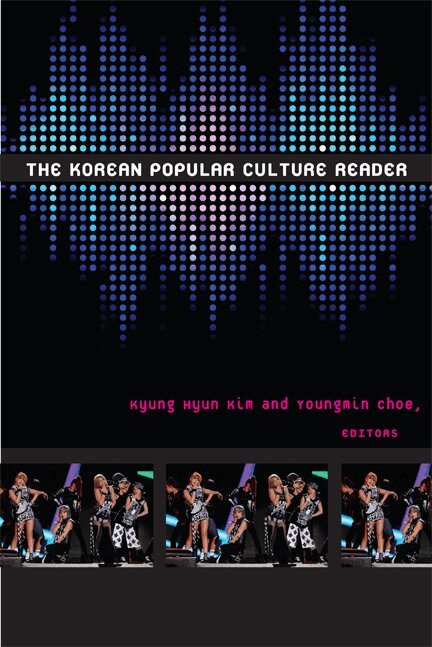
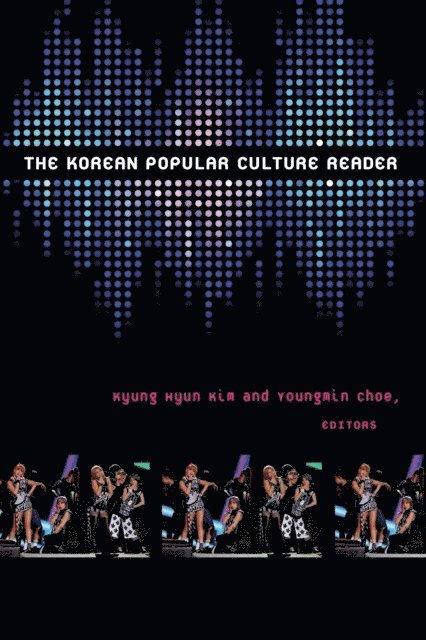
Over the past decade, Korean popular culture has become a global phenomenon. The "Korean Wave" of music, film, television, sports, and cuisine generates significant revenues and cultural pride in South Korea. The Korean Popular Culture Reader provides a timely and essential foundation for the study of "K-pop," relating the contemporary cultural landscape to its historical roots. The essays in this collection reveal the intimate connections of Korean popular culture, or hallyu, to the peninsula's colonial and postcolonial histories, to the nationalist projects of the military dictatorship, and to the neoliberalism of twenty-first-century South Korea. Combining translations of seminal essays by Korean scholars on topics ranging from sports to colonial-era serial fiction with new work by scholars based in fields including literary studies, film and media studies, ethnomusicology, and art history, this collection expertly navigates the social and political dynamics that have shaped Korean cultural production over the past century.Contributors. Jung-hwan Cheon, Michelle Cho, Youngmin Choe, Steven Chung, Katarzyna J. Cwiertka, Stephen Epstein, Olga Fedorenko, Kelly Y. Jeong, Rachael Miyung Joo, Inkyu Kang, Kyu Hyun Kim, Kyung Hyun Kim, Pil Ho Kim, Boduerae Kwon, Regina Yung Lee, Sohl Lee, Jessica Likens, Roald Maliangkay, Youngju Ryu, Hyunjoon Shin, Min-Jung Son, James Turnbull, Travis Workman
410 kr
Skickas
Over the past decade, Korean popular culture has become a global phenomenon. The "Korean Wave" of music, film, television, sports, and cuisine generates significant revenues and cultural pride in South Korea. The Korean Popular Culture Reader provides a timely and essential foundation for the study of "K-pop," relating the contemporary cultural landscape to its historical roots. The essays in this collection reveal the intimate connections of Korean popular culture, or hallyu, to the peninsula's colonial and postcolonial histories, to the nationalist projects of the military dictatorship, and to the neoliberalism of twenty-first-century South Korea. Combining translations of seminal essays by Korean scholars on topics ranging from sports to colonial-era serial fiction with new work by scholars based in fields including literary studies, film and media studies, ethnomusicology, and art history, this collection expertly navigates the social and political dynamics that have shaped Korean cultural production over the past century.Contributors. Jung-hwan Cheon, Michelle Cho, Youngmin Choe, Steven Chung, Katarzyna J. Cwiertka, Stephen Epstein, Olga Fedorenko, Kelly Y. Jeong, Rachael Miyung Joo, Inkyu Kang, Kyu Hyun Kim, Kyung Hyun Kim, Pil Ho Kim, Boduerae Kwon, Regina Yung Lee, Sohl Lee, Jessica Likens, Roald Maliangkay, Youngju Ryu, Hyunjoon Shin, Min-Jung Son, James Turnbull, Travis Workman
1 228 kr
Skickas inom 7-10 vardagar
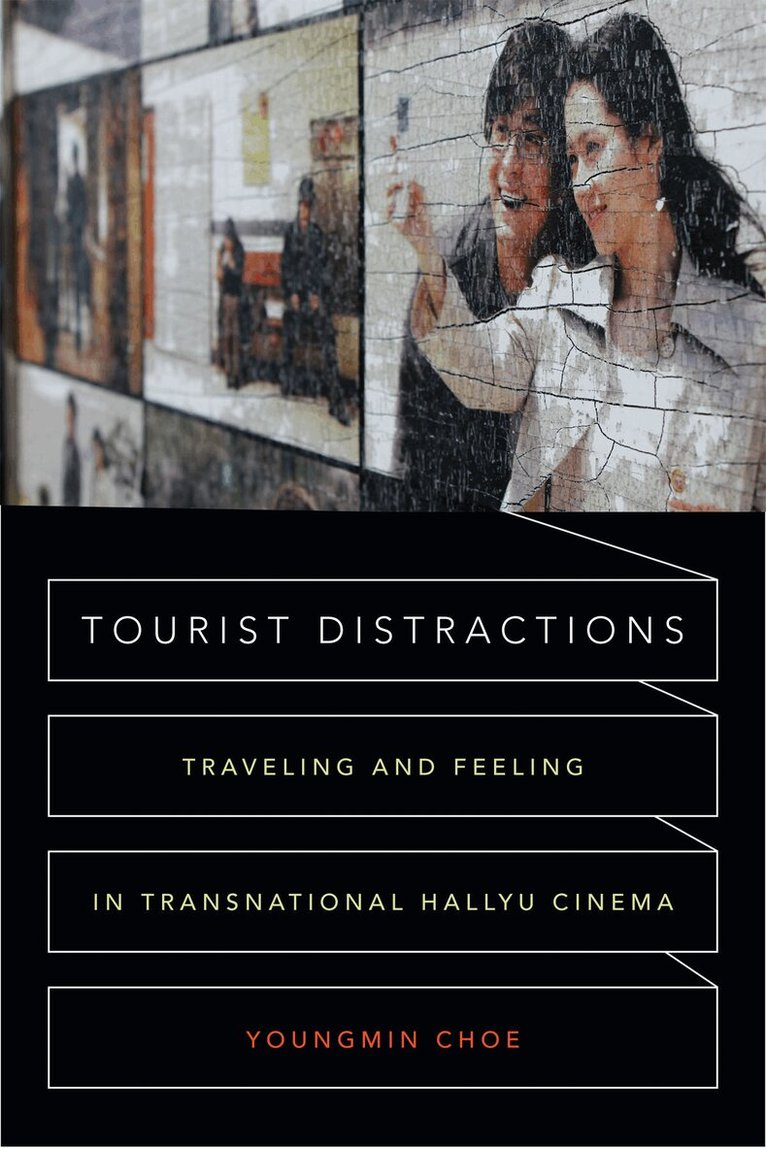
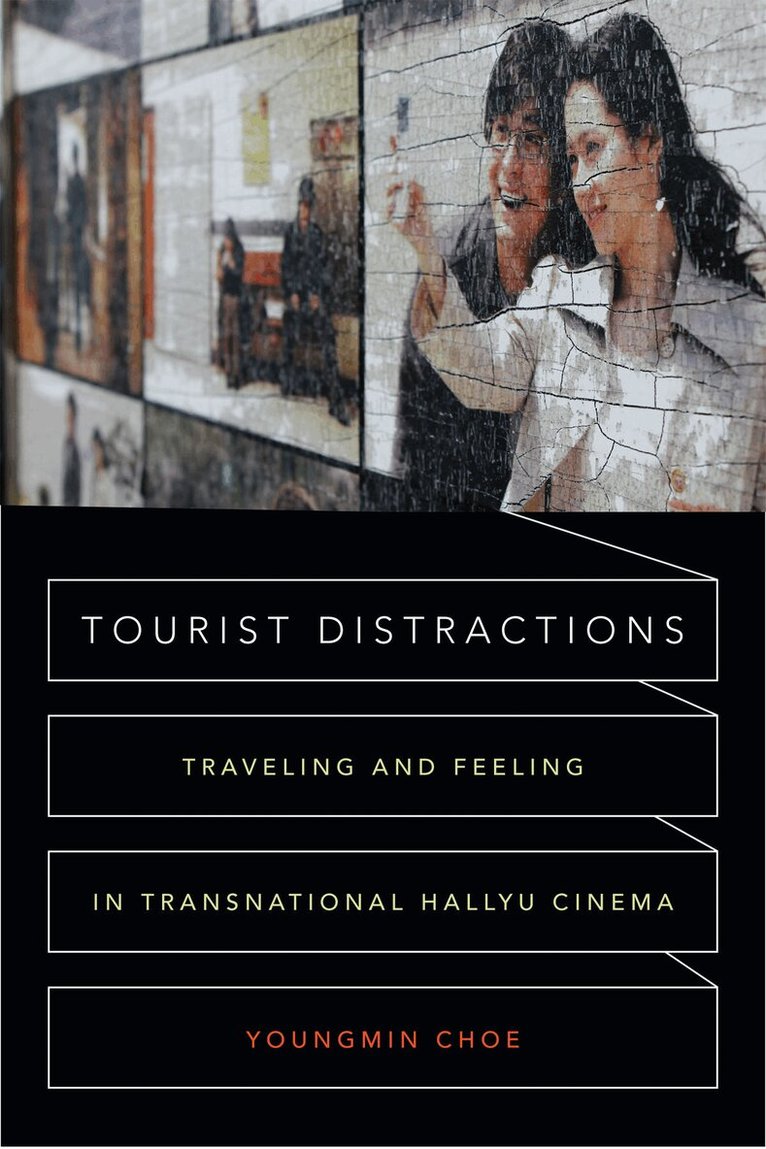
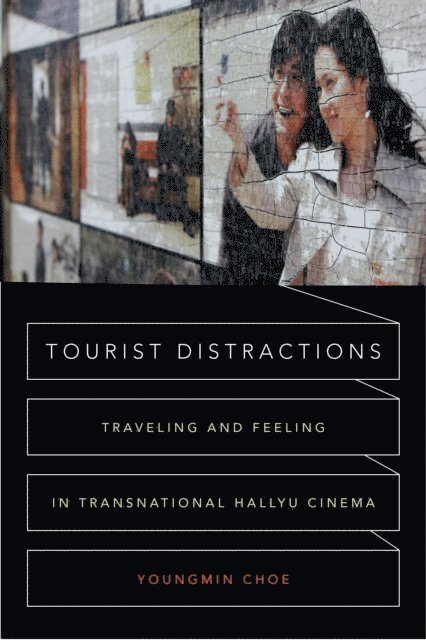
In Tourist Distractions Youngmin Choe uses hallyu (Korean-wave) cinema as a lens to examine the relationships among tourism and travel, economics, politics, and history in contemporary East Asia. Focusing on films born of transnational collaboration and its networks, Choe shows how the integration of the tourist imaginary into hallyu cinema points to the region's evolving transnational politics and the ways Korea negotiates its colonial and Cold War past with East Asia's neoliberal present. Hallyu cinema's popularity has inspired scores of international tourists to visit hallyu movie sets, filming sites, and theme parks. This tourism helps ease regional political differences; reimagine South Korea's relationships with North Korea, China, and Japan; and blur the lines between history, memory, affect, and consumerism. It also provides distractions from state-sponsored narratives and forges new emotional and economic bonds that foster community and cooperation throughout East Asia. By attending to the tourist imaginary at work in hallyu cinema, Choe helps us to better understand the complexities, anxieties, and tensions of East Asia's new affective economy as well as Korea's shifting culture industry, its relation to its past, and its role in a rapidly changing region.
373 kr
Skickas inom 7-10 vardagar
In Tourist Distractions Youngmin Choe uses hallyu (Korean-wave) cinema as a lens to examine the relationships among tourism and travel, economics, politics, and history in contemporary East Asia. Focusing on films born of transnational collaboration and its networks, Choe shows how the integration of the tourist imaginary into hallyu cinema points to the region's evolving transnational politics and the ways Korea negotiates its colonial and Cold War past with East Asia's neoliberal present. Hallyu cinema's popularity has inspired scores of international tourists to visit hallyu movie sets, filming sites, and theme parks. This tourism helps ease regional political differences; reimagine South Korea's relationships with North Korea, China, and Japan; and blur the lines between history, memory, affect, and consumerism. It also provides distractions from state-sponsored narratives and forges new emotional and economic bonds that foster community and cooperation throughout East Asia. By attending to the tourist imaginary at work in hallyu cinema, Choe helps us to better understand the complexities, anxieties, and tensions of East Asia's new affective economy as well as Korea's shifting culture industry, its relation to its past, and its role in a rapidly changing region.
181 kr
Skickas
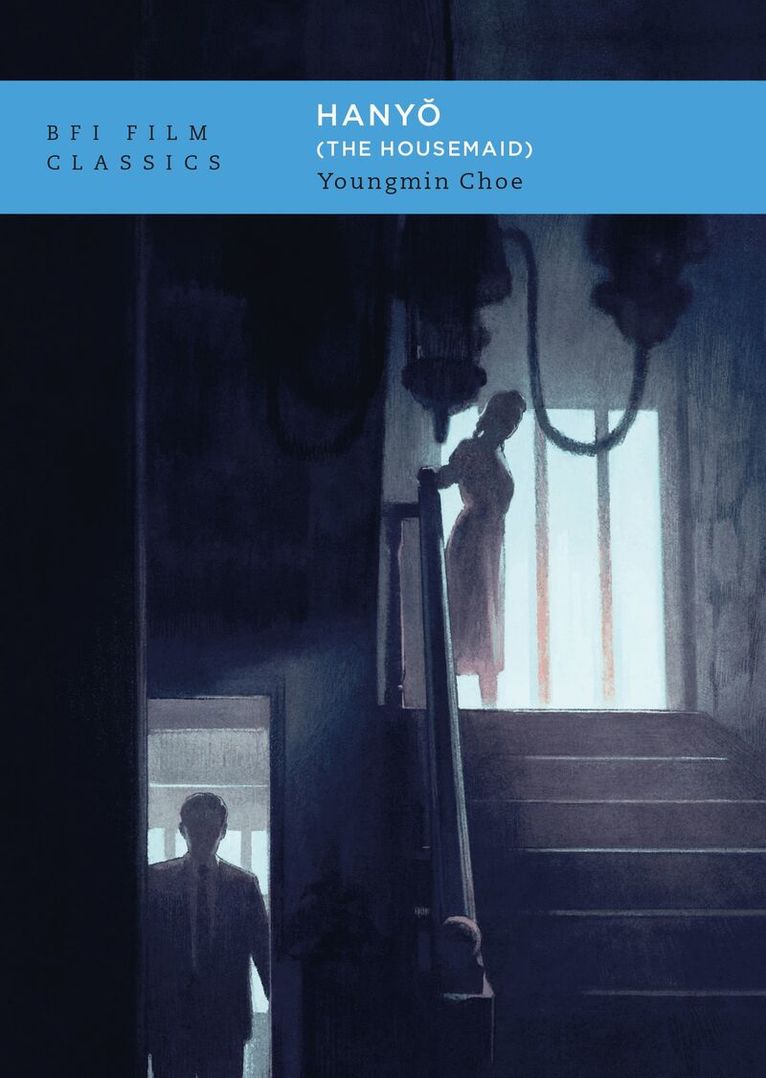
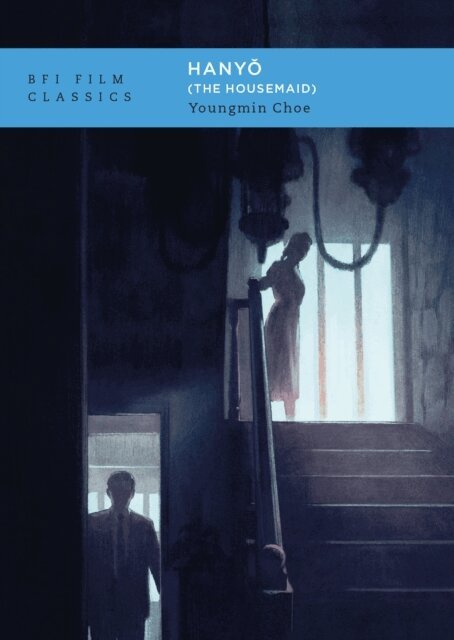
The upwardly mobile Kim family employs a young woman to help manage their new house. Mr. Kim begins an affair with the nameless ‘housemaid’, who soon drags the entire family into a terrible tragedy… The director Kim Ko-young played a formative part in South Korean cinema’s “Golden Age” of the 1960s and 1970s; his 1960 masterpiece, Hanyo (The Housemaid), rescued and restored after almost being lost, is today widely regarded as one of the greatest South Korean films of all time. Directors such as Park Chan-wook, Im Sang-soo, Kim Ki-duk, Ryu Seung-wan and Kim Jee-woon have all praised the film, and Bong Joon-ho has referred to Hanyo as “the Citizen Kane of Korean cinema,” citing it as an inspiration for his film, Parasite (2019). In this book, Youngmin Choe argues that Hanyo encapsulates the mood of social change in postwar South Korea during the period of tremendous upheaval and rapid transformation that followed the devastating war, which divided families across the newly formed Cold War boundaries. The housemaid – a figure that Kim Ki-young would explore repeatedly throughout his career – was a young woman driven by greed and envy, a femme-fatale set loose on the middle-class home. A monstrous embodiment of the destructive desires of capitalism, which recklessly eroded the foundations of tradition, this housemaid served as the conscience of a period that otherwise leaned heavily into economic transformation, pointing to the anxiety that undergirded what might be otherwise regarded as a time of ‘progress’. Going beyond the traditionalist approaches that resist feminist readings of Hanyo, Youngmin Choe insists that the enduring legacy of Hanyo is both due to its uncanny aesthetics and - though it certainly was not intended to be an explicitly feminist film - in the questions it raises about class mobility, gender oppression and women’s work.