Youru Wang – författare
Visar alla böcker från författaren Youru Wang. Handla med fri frakt och snabb leverans.
15 produkter
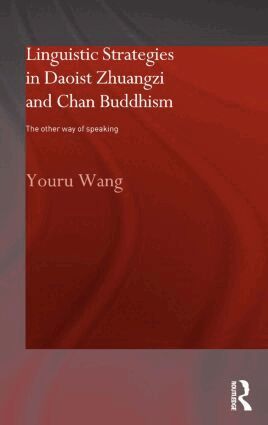
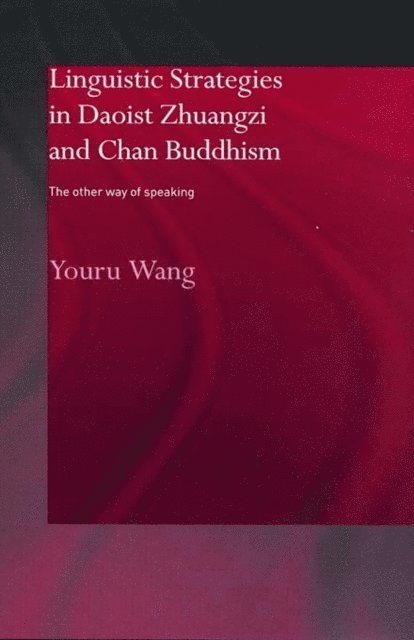
Linguistic Strategies in Daoist Zhuangzi and Chan Buddhism
The Other Way of Speaking
Av Youru Wang
Inbunden, 2003
3168 kr
Lägg i varukorg
As the first systematic attempt to probe the linguistic strategies of Daoist Zhuangzi and Chan Buddhism, this book investigates three areas: deconstructive strategy, liminology of language, and indirect communication. It bases these investigations on the critical examination of original texts, …
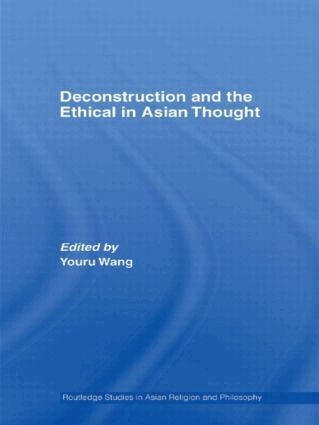
Deconstruction and the Ethical in Asian Thought
Av Youru Wang
Häftad, 2011
750 kr
Lägg i varukorg
The striking parallels between Derrida’s deconstruction and certain strategies eschewing oppositional hierarchies in Asian thought, especially in Buddhism and Daoism, have attracted much attention from scholars of both Western and Asian philosophy. This book contributes to this discussion by …
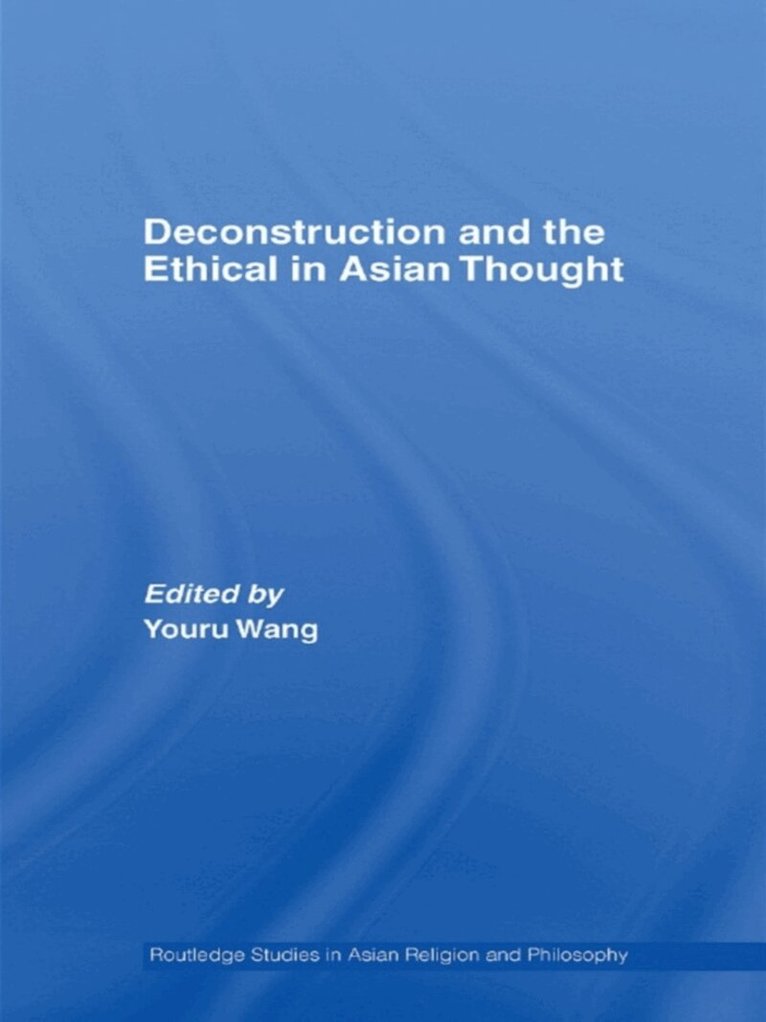
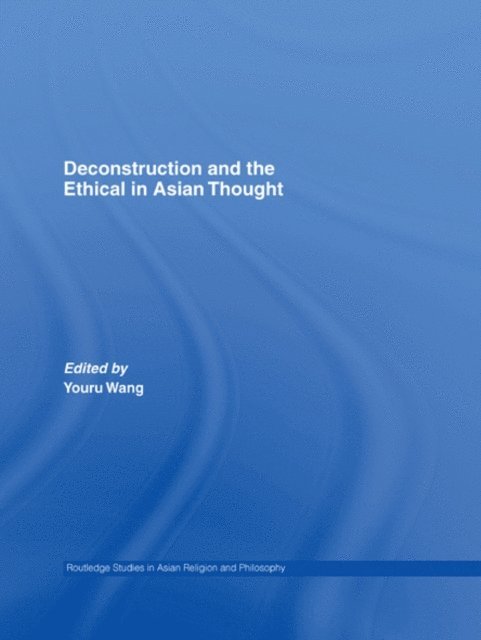
Deconstruction and the Ethical in Asian Thought
Av Youru Wang
Inbunden, 2007
2513 kr
Lägg i varukorg
The striking parallels between Derrida’s deconstruction and certain strategies eschewing oppositional hierarchies in Asian thought, especially in Buddhism and Daoism, have attracted much attention from scholars of both Western and Asian philosophy. This book contributes to this discussion by …
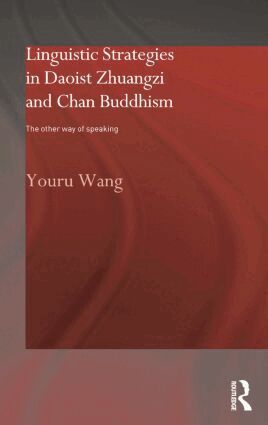
Linguistic Strategies in Daoist Zhuangzi and Chan Buddhism
The Other Way of Speaking
Av Youru Wang
Häftad, 2014
1151 kr
Lägg i varukorg
As the first systematic attempt to probe the linguistic strategies of Daoist Zhuangzi and Chan Buddhism, this book investigates three areas: deconstructive strategy, liminology of language, and indirect communication. It bases these investigations on the critical examination of original texts, …
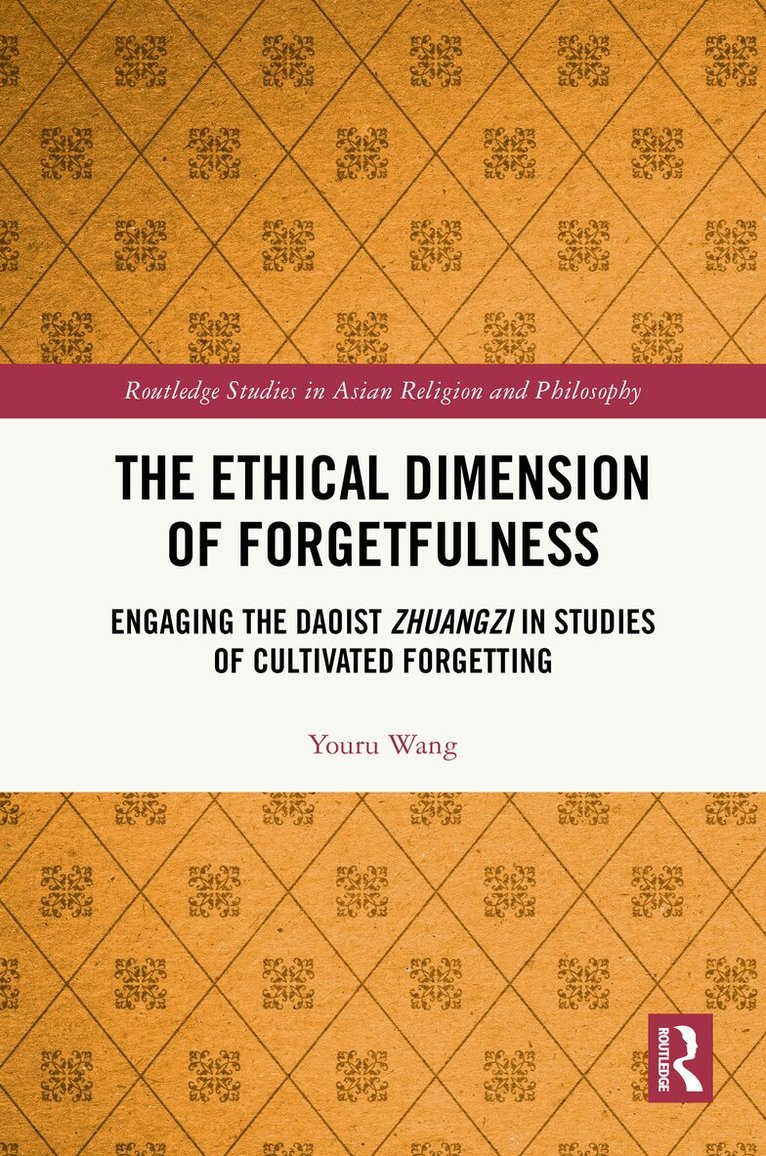
Ethical Dimension of Forgetfulness
Engaging the Daoist Zhuangzi in Studies of Cultivated Forgetting
Av Youru Wang
Inbunden, 2024
2513 kr
Lägg i varukorg
This book investigates the various meanings of forgetting and their ethical dimension in the Daoist classic Zhuangzi.It responds to recent scholarship in the study of the ethics of forgetting, which has only emerged within the past two decades in the wake of the widespread memory-studies of the …
Ethical Dimension of Forgetfulness
Engaging the Daoist Zhuangzi in Studies of Cultivated Forgetting
Av Youru Wang
Häftad, 2025
706 kr
Lägg i varukorg
This book investigates the various meanings of forgetting and their ethical dimension in the Daoist classic Zhuangzi.It responds to recent scholarship in the study of the ethics of forgetting, which has only emerged within the past two decades in the wake of the widespread memory-studies of the …
Ethical Dimension of Forgetfulness
Engaging the Daoist Zhuangzi in Studies of Cultivated Forgetting
Av Youru Wang
E-bok, 2024
805 kr
Lägg i varukorg
This book investigates the various meanings of forgetting and their ethical dimension in the Daoist classic Zhuangzi . It responds to recent scholarship in the study of the ethics of forgetting, which has only emerged within the past two decades in the wake of the widespread memory-studies of the …
Ethical Dimension of Forgetfulness
Engaging the Daoist Zhuangzi in Studies of Cultivated Forgetting
Av Youru Wang
E-bok, 2024
813 kr
Lägg i varukorg
This book investigates the various meanings of forgetting and their ethical dimension in the Daoist classic Zhuangzi . It responds to recent scholarship in the study of the ethics of forgetting, which has only emerged within the past two decades in the wake of the widespread memory-studies of the …
Linguistic Strategies in Daoist Zhuangzi and Chan Buddhism
The Other Way of Speaking
Av Youru Wang
E-bok, 2003
1074 kr
Lägg i varukorg
As the first systematic attempt to probe the linguistic strategies of Daoist Zhuangzi and Chan Buddhism, this book investigates three areas: deconstructive strategy, liminology of language, and indirect communication. It bases these investigations on the critical examination of original texts, …
Linguistic Strategies in Daoist Zhuangzi and Chan Buddhism
The Other Way of Speaking
Av Youru Wang
E-bok, 2003
1074 kr
Lägg i varukorg
As the first systematic attempt to probe the linguistic strategies of Daoist Zhuangzi and Chan Buddhism, this book investigates three areas: deconstructive strategy, liminology of language, and indirect communication. It bases these investigations on the critical examination of original texts, …
Deconstruction and the Ethical in Asian Thought
Av Youru Wang
E-bok, 2007
883 kr
Lägg i varukorg
The striking parallels between Derrida’s deconstruction and certain strategies eschewing oppositional hierarchies in Asian thought, especially in Buddhism and Daoism, have attracted much attention from scholars of both Western and Asian philosophy. This book contributes to this discussion by …
Deconstruction and the Ethical in Asian Thought
Av Youru Wang
E-bok, 2007
855 kr
Lägg i varukorg
The striking parallels between Derrida’s deconstruction and certain strategies eschewing oppositional hierarchies in Asian thought, especially in Buddhism and Daoism, have attracted much attention from scholars of both Western and Asian philosophy. This book contributes to this discussion by …
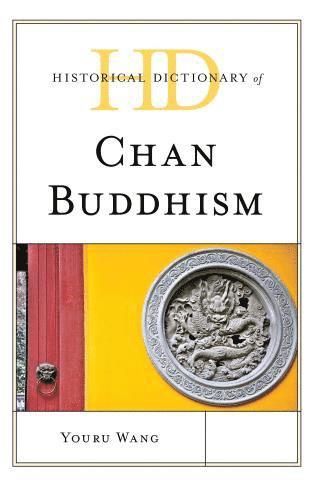
Historical Dictionary of Chan Buddhism
Av Youru Wang
Inbunden, 2017
1420 kr
Lägg i varukorg
The popular name for Chan Buddhism, in the West, is Zen Buddhism, as it was Japanese scholars who first introduced Chan Buddhism to the West with this translation. Indeed, chan is a shortened form of the Chinese word channa, rendered from the Sanskrit word dhyana, which denotes practices of the …
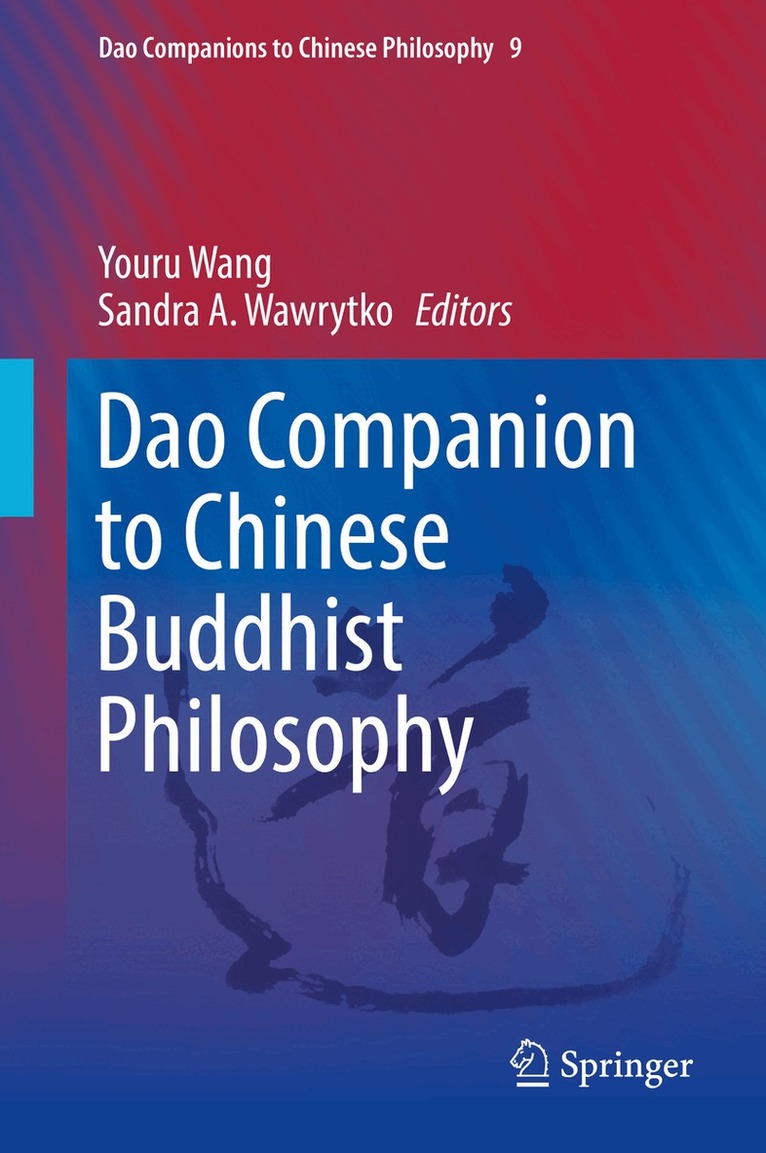
Dao Companion to Chinese Buddhist Philosophy
Av Youru Wang, Sandra A. Wawrytko
Inbunden, 2019
1862 kr
Lägg i varukorg
Too often Buddhism has been subjected to the Procrustean box of western thought, whereby it is stretched to fit fixed categories or had essential aspects lopped off to accommodate vastly different cultural norms and aims. After several generations of scholarly discussion in English-speaking …
Dao Companion to Chinese Buddhist Philosophy
Av Sandra A. Wawrytko, Youru Wang
E-bok, 2019
2437 kr
Lägg i varukorg
Too often Buddhism has been subjected to the Procrustean box of western thought, whereby it is stretched to fit fixed categories or had essential aspects lopped off to accommodate vastly different cultural norms and aims. After several generations of scholarly discussion in English-speaking …