Youth and Families Board on Children – författare
602 kr
Läs direkt efter köp
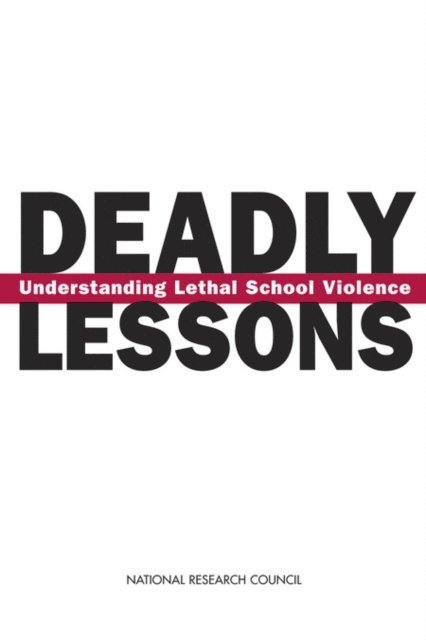
The shooting at Columbine High School riveted national attention on violence in the nation''s schools. This dramatic example signaled an implicit and growing fear that these events would continue to occur—and even escalate in scale and severity.
How do we make sense of the tragedy of a school shooting or even draw objective conclusions from these incidents? Deadly Lessons is the outcome of the National Research Council''s unique effort to glean lessons from six case studies of lethal student violence. These are powerful stories of parents and teachers and troubled youths, presenting the tragic complexity of the young shooter''s social and personal circumstances in rich detail.
The cases point to possible causes of violence and suggest where interventions may be most effective. Readers will come away with a better understanding of the potential threat, how violence might be prevented, and how healing might be promoted in affected communities.
For each case study, Deadly Lessons relates events leading up to the violence, provides quotes from personal interviews about the incident, and explores the impact on the community. The case studies center on:
Two separate incidents in East New York in which three students were killed and a teacher was seriously wounded. A shooting on the south side of Chicago in which one youth was killed and two wounded. A shooting into a prayer group at a Kentucky high school in which three students were killed. The killing of four students and a teacher and the wounding of 10 others at an Arkansas middle school. The shooting of a popular science teacher by a teenager in Edinboro, Pennsylvania. A suspected copycat of Columbine in which six students were wounded in Georgia.For everyone who puzzles over these terrible incidents, Deadly Lessons offers a fresh perspective on the most fundamental of questions: Why?
284 kr
Läs direkt efter köp
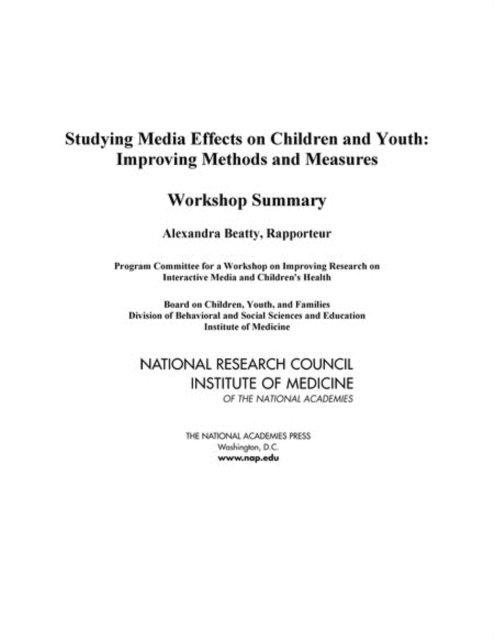
The presence and intensity of media influences television, radio, music, computers, films, videos, and the Internet are increasingly recognized as an important part of the social ecology of children and youth, and these influences have become more visible and volatile in recent decades. Research that explores the level and effects of media influences calls for measurements of the quantity and character of exposure to a variety of potentially overlapping media sources, an analysis of the content of the media output, and examination of the social context and relationships that are associated with the media experience.Recognizing the importance of this research, the Board on Children, Youth, and Families, under the auspices of the National Research Council and the Institute of Medicine, and with the sponsorship of the Henry J. Kaiser Family Foundation, held a workshop in March 2006. Its purpose was twofold: to examine the quality of the measures used in studies of the effects of media on children''s health and development and to identify gaps in both research and practice. The goal was for a variety of experts to consider steps and strategies that could move this research forward and improve its utility for helping parents, practitioners, and policy makers guide young people in navigating a media-rich environment.Studying Media Effects on Children and Youth provides a summary of that discussion, supplemented with information from two papers prepared for the workshop. It begins with an examination of the potential impact of media exposure, followed by a description of the basic research questions and the methods currently used to study them. Methodological questions and challenges and theoretical approaches are described; they are discussed from the perspective of other kinds of epidemiological research. This report closes with a discussion of future directions for the field.
518 kr
Läs direkt efter köp
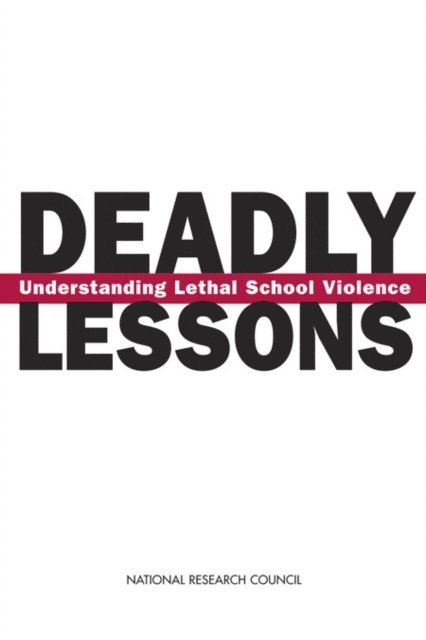
The shooting at Columbine High School riveted national attention on violence in the nation''s schools. This dramatic example signaled an implicit and growing fear that these events would continue to occur—and even escalate in scale and severity.
How do we make sense of the tragedy of a school shooting or even draw objective conclusions from these incidents? Deadly Lessons is the outcome of the National Research Council''s unique effort to glean lessons from six case studies of lethal student violence. These are powerful stories of parents and teachers and troubled youths, presenting the tragic complexity of the young shooter''s social and personal circumstances in rich detail.
The cases point to possible causes of violence and suggest where interventions may be most effective. Readers will come away with a better understanding of the potential threat, how violence might be prevented, and how healing might be promoted in affected communities.
For each case study, Deadly Lessons relates events leading up to the violence, provides quotes from personal interviews about the incident, and explores the impact on the community. The case studies center on:
Two separate incidents in East New York in which three students were killed and a teacher was seriously wounded. A shooting on the south side of Chicago in which one youth was killed and two wounded. A shooting into a prayer group at a Kentucky high school in which three students were killed. The killing of four students and a teacher and the wounding of 10 others at an Arkansas middle school. The shooting of a popular science teacher by a teenager in Edinboro, Pennsylvania. A suspected copycat of Columbine in which six students were wounded in Georgia.For everyone who puzzles over these terrible incidents, Deadly Lessons offers a fresh perspective on the most fundamental of questions: Why?
193 kr
Läs direkt efter köp
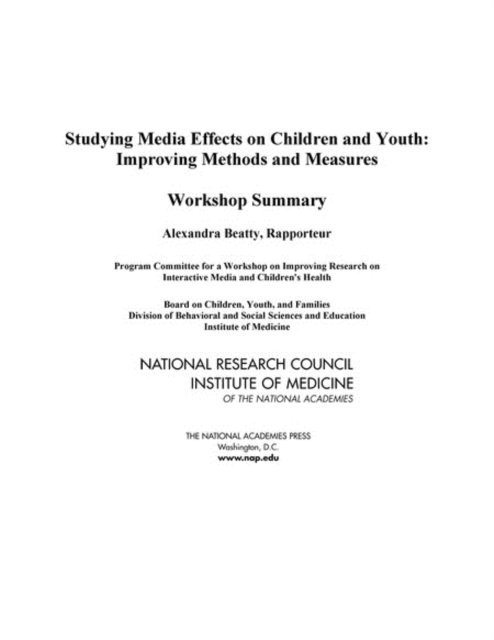
The presence and intensity of media influences television, radio, music, computers, films, videos, and the Internet are increasingly recognized as an important part of the social ecology of children and youth, and these influences have become more visible and volatile in recent decades. Research that explores the level and effects of media influences calls for measurements of the quantity and character of exposure to a variety of potentially overlapping media sources, an analysis of the content of the media output, and examination of the social context and relationships that are associated with the media experience.Recognizing the importance of this research, the Board on Children, Youth, and Families, under the auspices of the National Research Council and the Institute of Medicine, and with the sponsorship of the Henry J. Kaiser Family Foundation, held a workshop in March 2006. Its purpose was twofold: to examine the quality of the measures used in studies of the effects of media on children''s health and development and to identify gaps in both research and practice. The goal was for a variety of experts to consider steps and strategies that could move this research forward and improve its utility for helping parents, practitioners, and policy makers guide young people in navigating a media-rich environment.Studying Media Effects on Children and Youth provides a summary of that discussion, supplemented with information from two papers prepared for the workshop. It begins with an examination of the potential impact of media exposure, followed by a description of the basic research questions and the methods currently used to study them. Methodological questions and challenges and theoretical approaches are described; they are discussed from the perspective of other kinds of epidemiological research. This report closes with a discussion of future directions for the field.
602 kr
Tillfälligt slut
408 kr
Tillfälligt slut