
Yu-Gang Jiang – författare
Visar alla böcker från författaren Yu-Gang Jiang. Handla med fri frakt och snabb leverans.
3 produkter
3 produkter

Häftad, Engelska, 2025
2 273 kr
Skickas inom 10-15 vardagar
Artificial Intelligence Data and Model Safety: Risks, Attacks and Defenses offers a comprehensive overview of the evolution of AI and its security concerns. The book delves into how historical advancements in AI have both bolstered and complicated the issue of safeguarding data and models. By reflecting on the interplay between machine learning innovations and vulnerabilities, it sets the stage for readers to understand the critical importance of robust defenses in this era of digital and algorithmic reliance. In addition to contextualizing the historical trajectory of AI security, the book examines foundational elements of machine learning, emphasizing the mechanisms that contribute to, or mitigate, risks.Readers are guided through case studies of real-world attacks, illustrating the practical implications of security weaknesses, while proposed defense strategies provide actionable insights for strengthening AI systems.Comprehensively introduces AI safety, covering both attack and defense technologiesCovers a broad range of attack and defense strategies from the perspectives of adversarial learning and robust optimization, providing detailed explanations and insightsIncludes the latest research developments and state-of-the-art techniques in the field of AI security
Inbunden, Engelska, 2024
1 513 kr
Skickas inom 10-15 vardagar
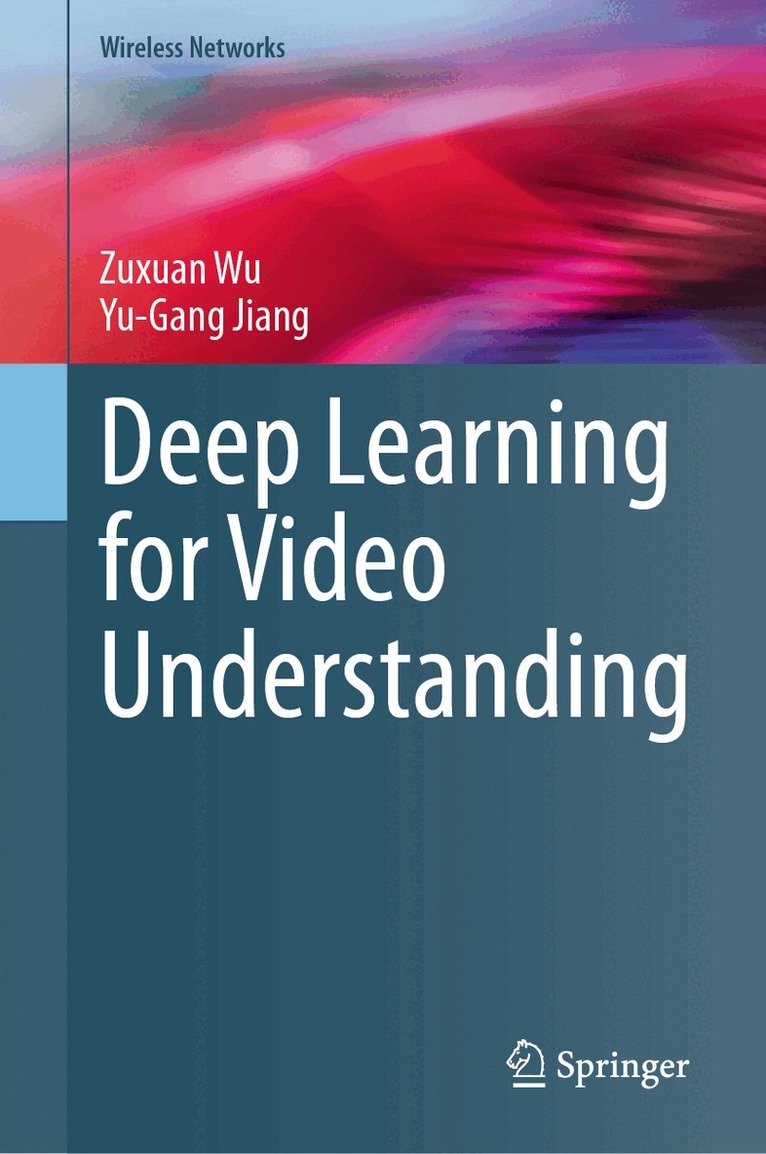
For unsupervised feature learning, the authors discuss the necessity of shifting from supervised learning to unsupervised learning and then introduce how to design better surrogate training tasks to learn video representations.
Häftad, Engelska, 2025
1 506 kr
Skickas inom 5-8 vardagar
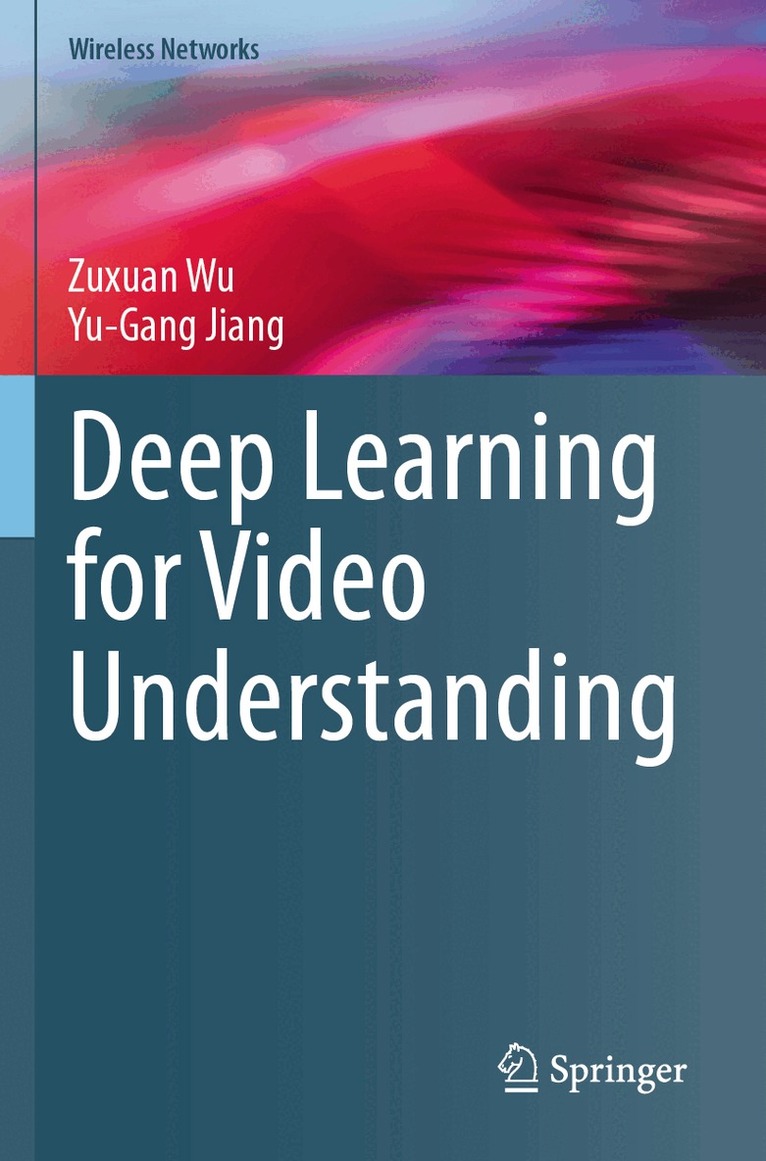
This book presents deep learning techniques for video understanding. For deep learning basics, the authors cover machine learning pipelines and notations, 2D and 3D Convolutional Neural Networks for spatial and temporal feature learning. For action recognition, the authors introduce classical frameworks for image classification, and then elaborate both image-based and clip-based 2D/3D CNN networks for action recognition. For action detection, the authors elaborate sliding windows, proposal-based detection methods, single stage and two stage approaches, spatial and temporal action localization, followed by datasets introduction. For video captioning, the authors present language-based models and how to perform sequence to sequence learning for video captioning. For unsupervised feature learning, the authors discuss the necessity of shifting from supervised learning to unsupervised learning and then introduce how to design better surrogate training tasks to learn video representations. Finally, the book introduces recent self-training pipelines like contrastive learning and masked image/video modeling with transformers. The book provides promising directions, with an aim to promote future research outcomes in the field of video understanding with deep learning.