Yulia Gradskova – författare
Visar alla böcker från författaren Yulia Gradskova. Handla med fri frakt och snabb leverans.
21 produkter
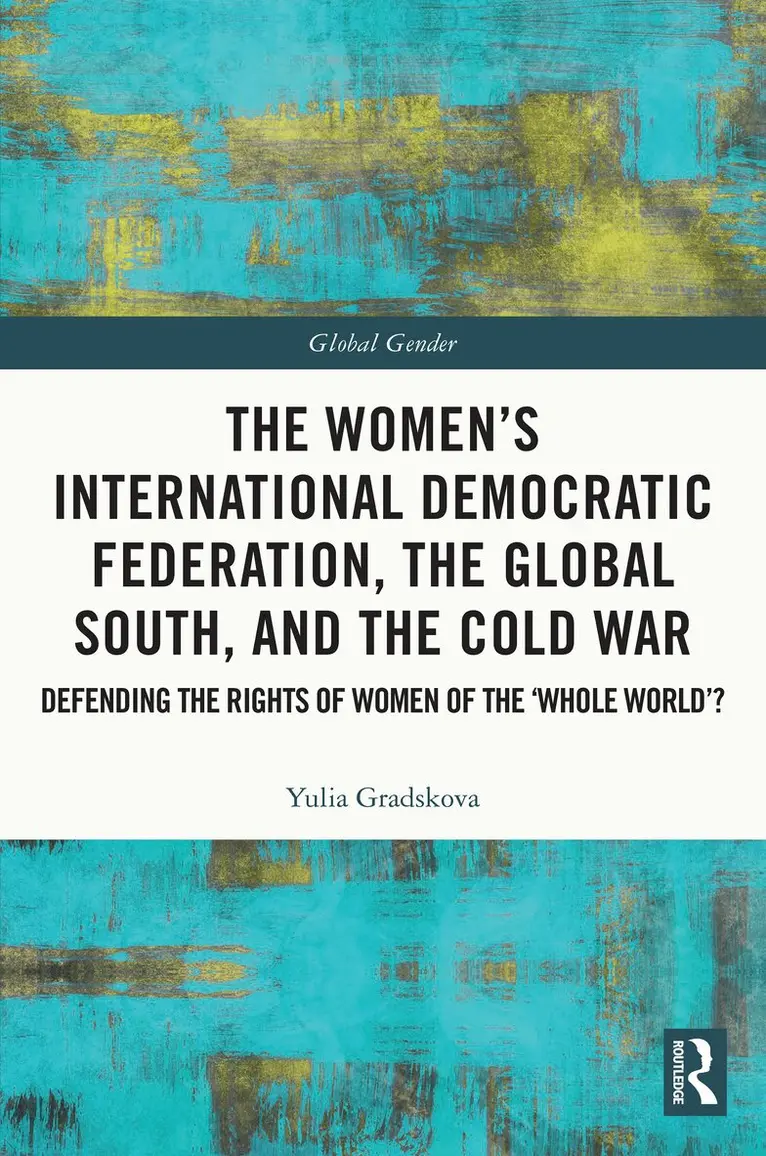
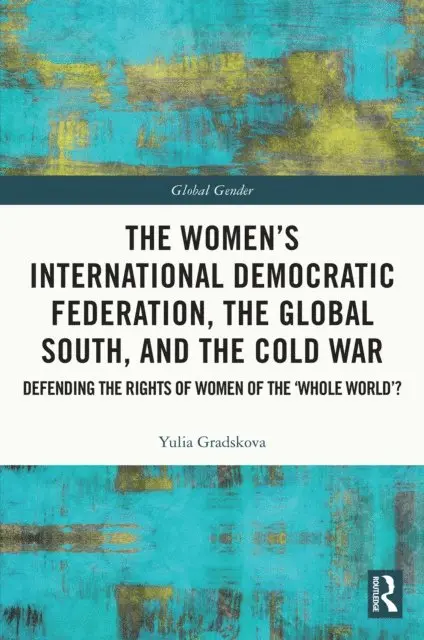
Women’s International Democratic Federation, the Global South and the Cold War
Defending the Rights of Women of the ‘Whole World’?
Inbunden, 2020
2591 kr
Lägg i varukorg
This book examines the role of the Women's International Defense Federation (WIDF) in transnational women’s activism in the context of the Cold War, and in connection to the rights of women from Asia, Africa and Latin America. Combining a global history and postcolonial theory approach, this …
Women’s International Democratic Federation, the Global South and the Cold War
Defending the Rights of Women of the ‘Whole World’?
Häftad, 2022
707 kr
Lägg i varukorg
This book examines the role of the Women's International Defense Federation (WIDF) in transnational women’s activism in the context of the Cold War, and in connection to the rights of women from Asia, Africa and Latin America. Combining a global history and postcolonial theory approach, this …
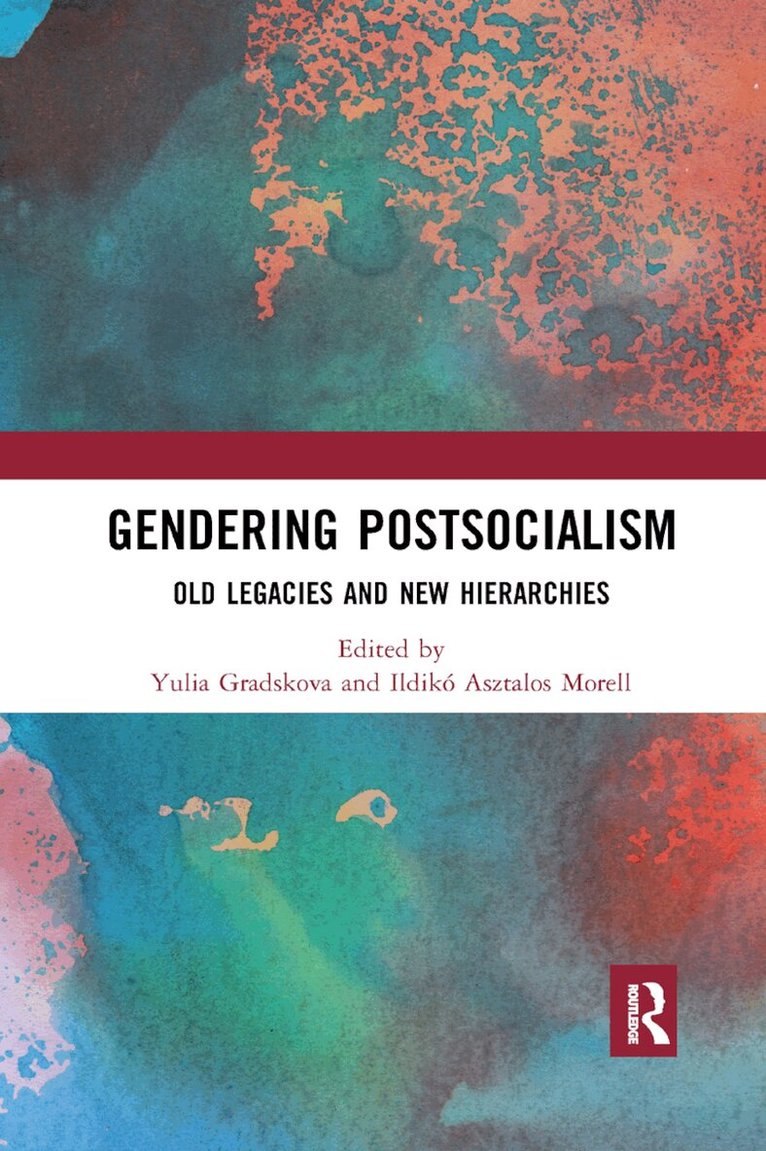
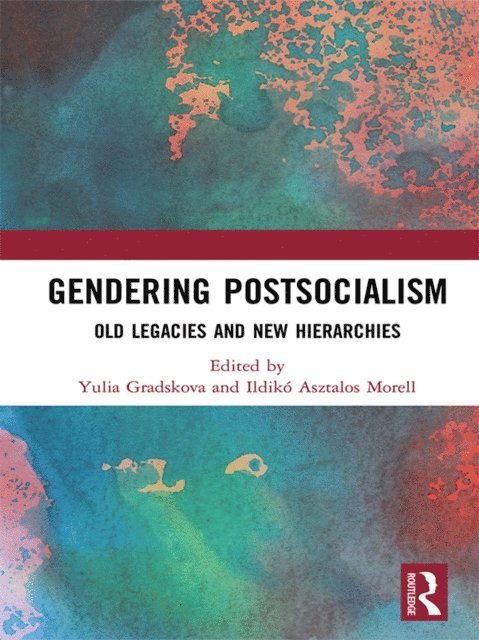
Gendering Postsocialism
Old Legacies and New Hierarchies
Av Yulia Gradskova, Ildikó Asztalos Morell
Häftad, 2020
707 kr
Lägg i varukorg
Gendering Postsocialism explores changes in gendered norms and expectations in Eastern Europe and Eurasia after the fall of the Berlin Wall. The dismantlement of state socialism in these regions triggered monumental shifts in their economic landscape, the involvement of their welfare states in …
Women's International Democratic Federation, the Global South and the Cold War
Defending the Rights of Women of the ‘Whole World’?
E-bok, 2020
831 kr
Lägg i varukorg
This book examines the role of the Women''s International Defense Federation (WIDF) in transnational women’s activism in the context of the Cold War, and in connection to the rights of women from Asia, Africa and Latin America. Combining a global history and postcolonial theory approach, this …
Women's International Democratic Federation, the Global South and the Cold War
Defending the Rights of Women of the ‘Whole World’?
E-bok, 2020
831 kr
Lägg i varukorg
This book examines the role of the Women''s International Defense Federation (WIDF) in transnational women’s activism in the context of the Cold War, and in connection to the rights of women from Asia, Africa and Latin America. Combining a global history and postcolonial theory approach, this …
Gendering Postsocialism
Old Legacies and New Hierarchies
Av Yulia Gradskova, Ildikó Asztalos Morell
Inbunden, 2018
2516 kr
Lägg i varukorg
Gendering Postsocialism explores changes in gendered norms and expectations in Eastern Europe and Eurasia after the fall of the Berlin Wall. The dismantlement of state socialism in these regions triggered monumental shifts in their economic landscape, the involvement of their welfare states in …
Gendering Postsocialism
Old Legacies and New Hierarchies
Av Ildiko Asztalos Morell, Yulia Gradskova
E-bok, 2018
807 kr
Lägg i varukorg
Gendering Postsocialism explores changes in gendered norms and expectations in Eastern Europe and Eurasia after the fall of the Berlin Wall. The dismantlement of state socialism in these regions triggered monumental shifts in their economic landscape, the involvement of their welfare states in …
Gendering Postsocialism
Old Legacies and New Hierarchies
Av Ildiko Asztalos Morell, Yulia Gradskova
E-bok, 2018
831 kr
Lägg i varukorg
Gendering Postsocialism explores changes in gendered norms and expectations in Eastern Europe and Eurasia after the fall of the Berlin Wall. The dismantlement of state socialism in these regions triggered monumental shifts in their economic landscape, the involvement of their welfare states in …
Institutionalizing Gender Equality
Historical and Global Perspectives
Av Yulia Gradskova, Sara Sanders
Inbunden, 2015
1564 kr
Lägg i varukorg
Forty years have passed since the first UN-organized World Conference on Women in Mexico City in 1975. In that time, women’s rights, and later gender equality, have become firmly established as an important area of global politics and human rights. What shape have these processes taken in different …
Institutionalizing Gender Equality
Historical and Global Perspectives
Av Yulia Gradskova, Sara Sanders
Häftad, 2017
714 kr
Lägg i varukorg
Forty years have passed since the first UN-organized World Conference on Women in Mexico City in 1975. In that time, women’s rights, and later gender equality, have become firmly established as an important area of global politics and human rights. What shape have these processes taken in different …
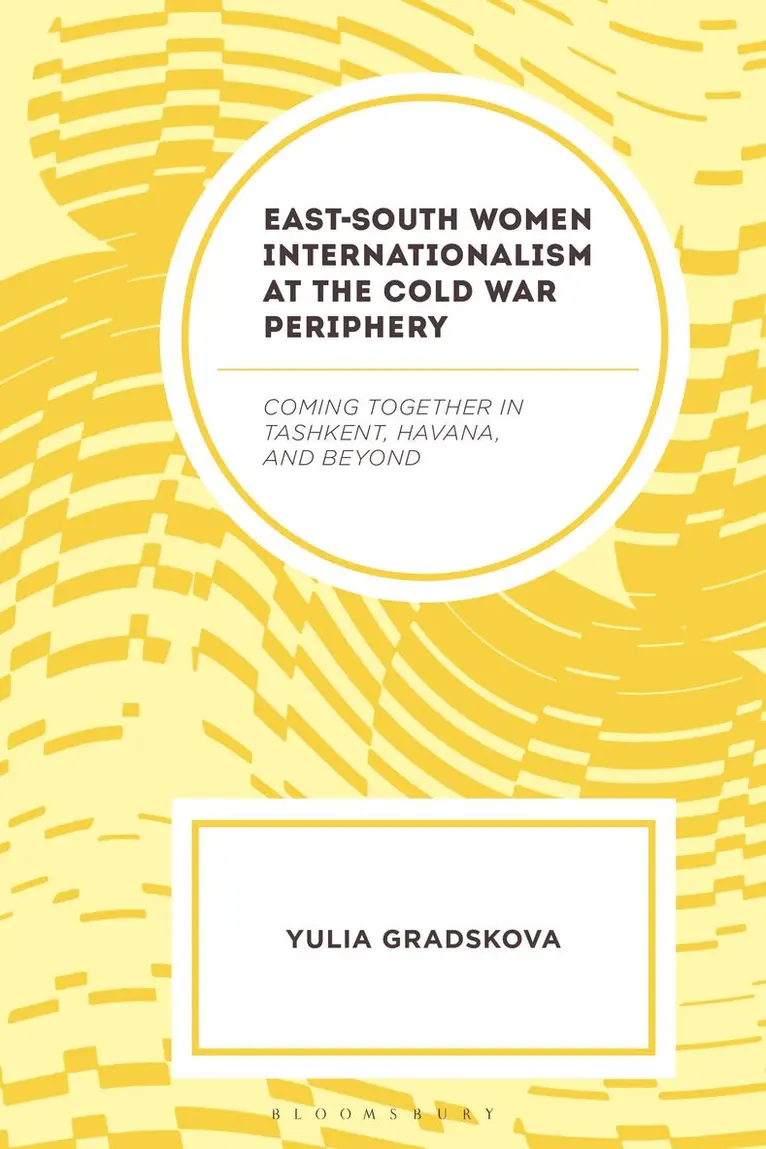
East–South Women Internationalism at the Cold War Periphery
Coming Together in Tashkent, Havana, and Beyond
Inbunden, 2025
1351 kr
Lägg i varukorg
This open access book by Yulia Gradskova examines women’s internationalism and gatherings in the places understood as Cold War peripheries.East–South Women Internationalism at the Cold War Periphery: Coming Together in Tashkent, Havana, and Beyond examines women’s gatherings, internationalism, …
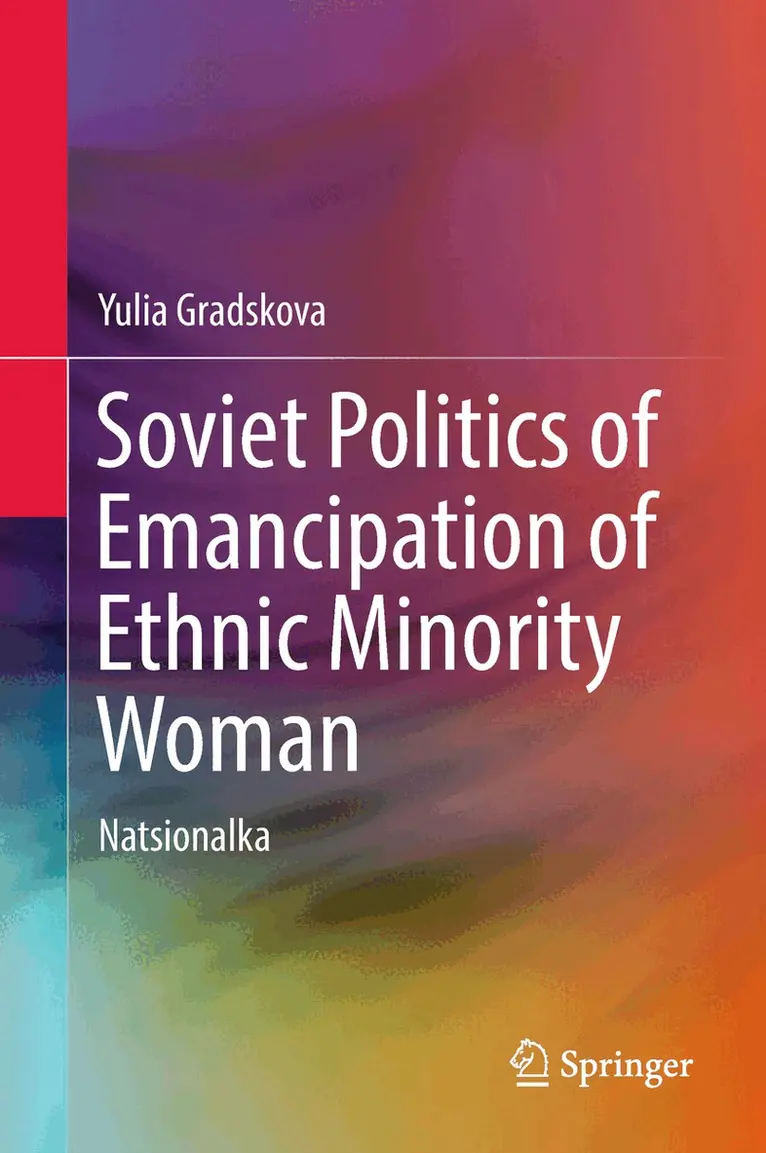
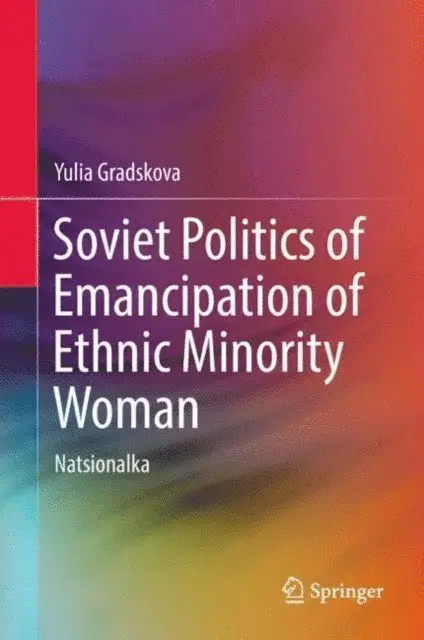
Soviet Politics of Emancipation of Ethnic Minority Woman
Natsionalka
Häftad, 2018
568 kr
Lägg i varukorg
This book provides a new perspective through a closer look on “Other”, i.e. ethnic minority women defined by the Soviet documents as natsionalka. Applying decolonial theory and critical race and whiteness studies, the book analyzes archive documents, early Soviet films and mass publications in …
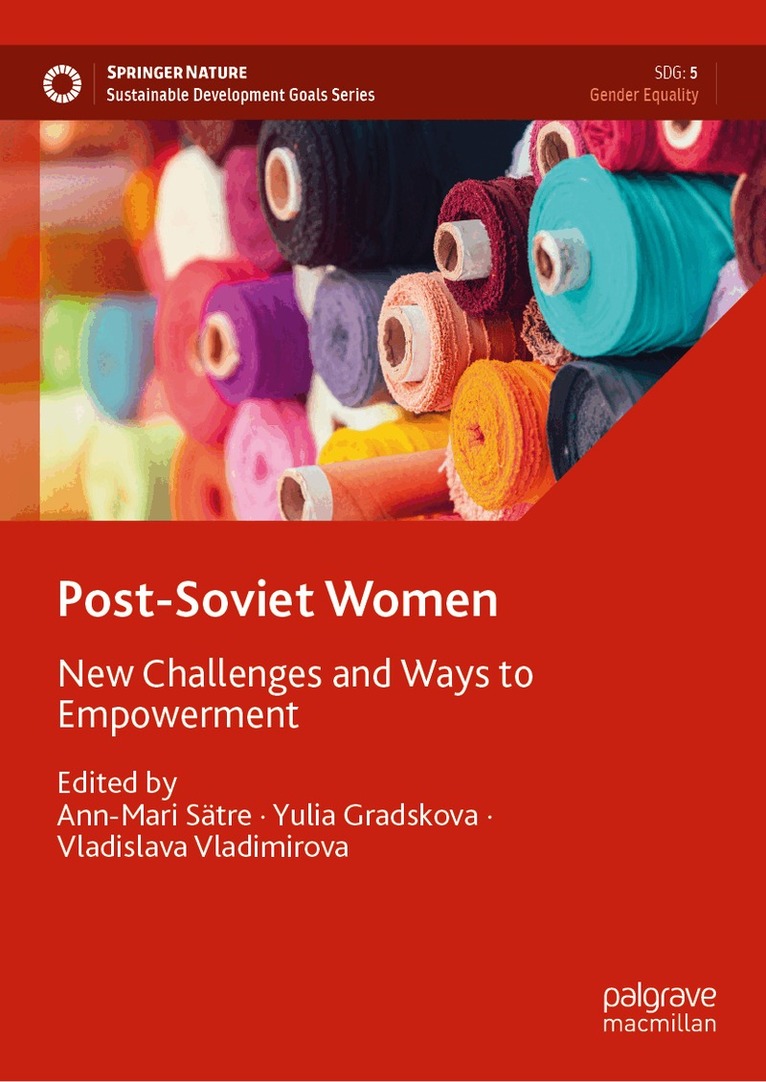
Post-Soviet Women
New Challenges and Ways to Empowerment
Av Ann-Mari Sätre, Yulia Gradskova m. fl.
Inbunden, 2023
1462 kr
Lägg i varukorg
This volume explores how different post-Soviet countries have reinterpreted and diverged from the Soviet gender roles and values. It synthesizes results from multiple empirical studies that attend to increasingly conservative features of political governance in the region, particularly the …
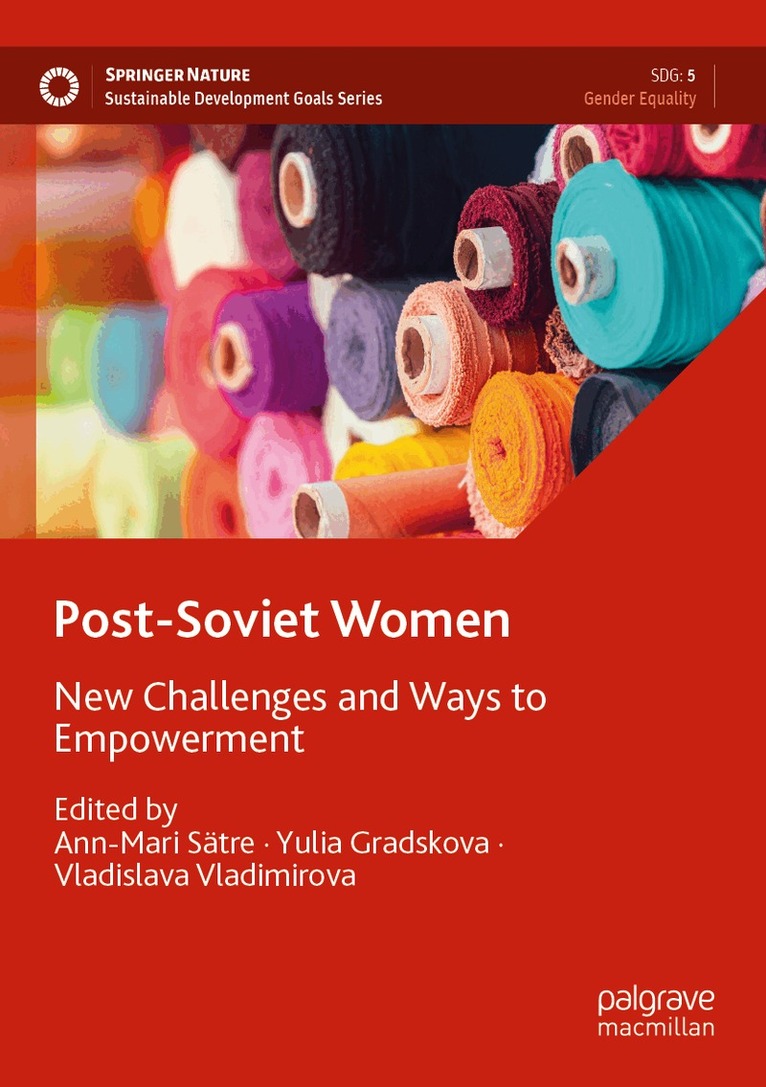
Post-Soviet Women
New Challenges and Ways to Empowerment
Av Vladislava Vladimirova, Yulia Gradskova m. fl.
E-bok, 2023
1798 kr
Lägg i varukorg
This volume explores how different post-Soviet countries have reinterpreted and diverged from the Soviet gender roles and values. It synthesizes results from multiple empirical studies that attend to increasingly conservative features of political governance in the region, particularly the …
Post-Soviet Women
New Challenges and Ways to Empowerment
Av Ann-Mari Sätre, Yulia Gradskova m. fl.
Häftad, 2024
1462 kr
Lägg i varukorg
This volume explores how different post-Soviet countries have reinterpreted and diverged from the Soviet gender roles and values. It synthesizes results from multiple empirical studies that attend to increasingly conservative features of political governance in the region, particularly the …
Soviet Politics of Emancipation of Ethnic Minority Woman
Natsionalka
Inbunden, 2018
568 kr
Lägg i varukorg
This book provides a new perspective through a closer look on “Other”, i.e. ethnic minority women defined by the Soviet documents as natsionalka. Applying decolonial theory and critical race and whiteness studies, the book analyzes archive documents, early Soviet films and mass publications in …
Soviet Politics of Emancipation of Ethnic Minority Woman
Natsionalka
E-bok, 2018
755 kr
Lägg i varukorg
This book provides a new perspective through a closer look on “Other”, i.e. ethnic minority women defined by the Soviet documents as natsionalka. Applying decolonial theory and critical race and whiteness studies, the book analyzes archive documents, early Soviet films and mass publications in …
And They Lived Happily Ever After
Norms and Everyday Practices of Family and Parenthood in Russia and Eastern Europe
Av Yulia Gradskova, Helene Carlback m. fl.
Inbunden, 2012
1930 kr
Lägg i varukorg
Takes a comparative perspective on family life and childhood in the past half century in Russia and Eastern Europe, highlighting similarities and differences. Focuses on the problematic domains of the institutions and laws devised to cope with family difficulties, and discusses the social strains …
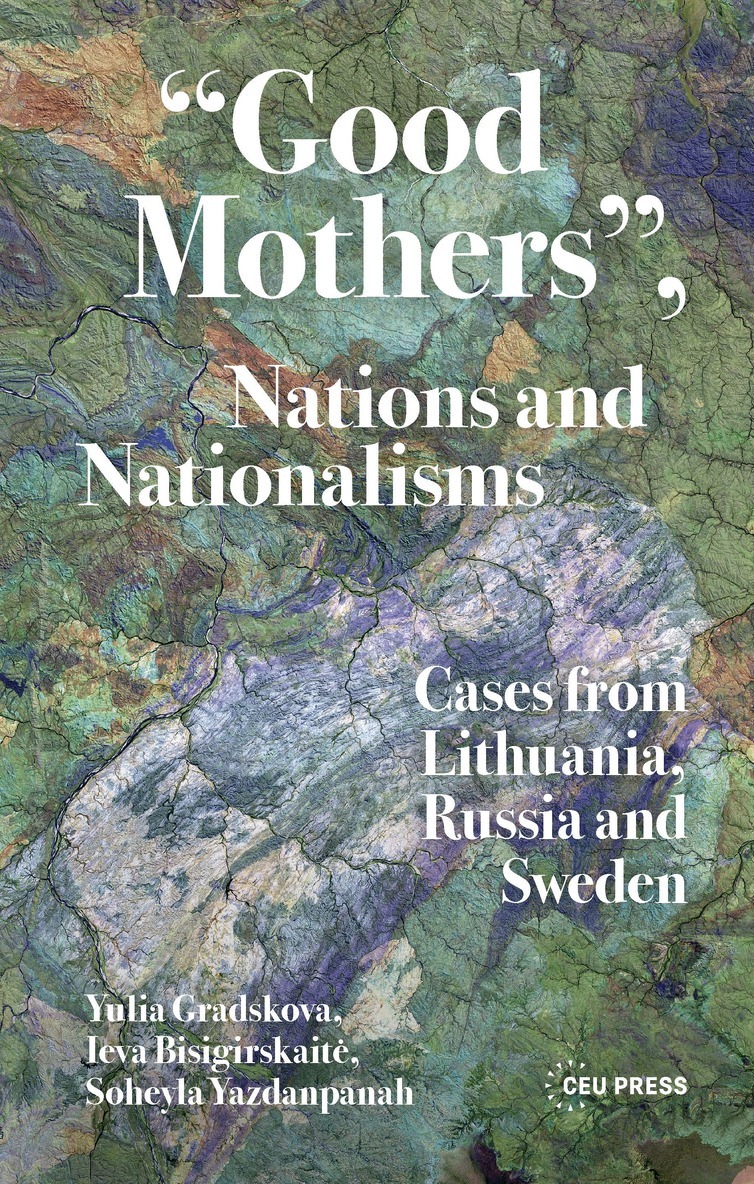
“Good Mothers”, Nations and Nationalisms
Cases from Lithuania, Russia and Sweden
Av Yulia Gradskova, Ieva Bisigirskaitė m. fl.
Inbunden, 2026
1728 kr
Lägg i varukorg
This book explores constructions of the “good mother” within diverse nations and nationalisms, focusing on three contexts grappling with distinct forms of “demographic anxiety.” Inspired by Sara Farris’ inquiry into femonationalism and utilizing “maternalism” and “politics of care” as critical …
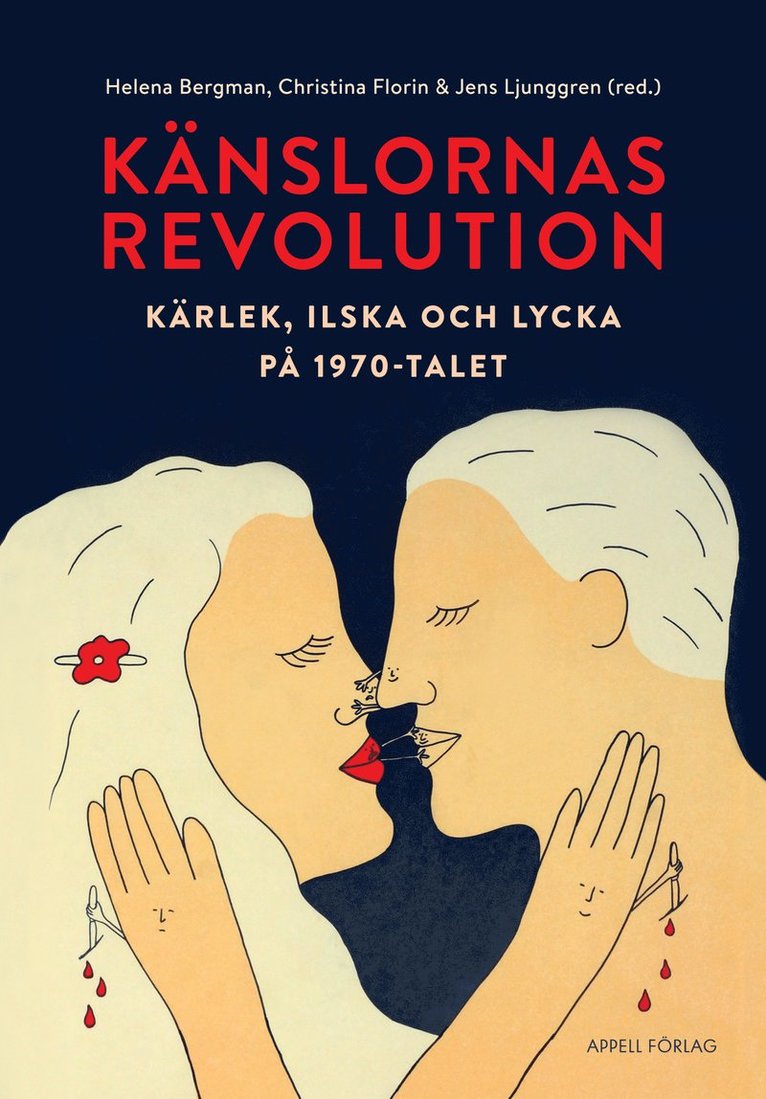
Känslornas revolution : kärlek, ilska och lycka på 1970-talet
Av Helena Bergman, Christina Florin m. fl.
Inbunden, 2017
240 kr
Lägg i varukorg
1970-talets känslomönster utmärktes av en dröm om mänsklig gemenskap och befrielse från fördomar samt en vilja att komma i kontakt med sig själv och andra, att söka det äkta, det naturliga, det autentiska och nå en öppenhet. Man ville att det skulle kännas på ett visst sätt att arbeta, vila, skapa, …
East–South Women Internationalism at the Cold War Periphery
Coming Together in Tashkent, Havana, and Beyond
Häftad, 2027
413 kr
Kommande
This open access book by Yulia Gradskova examines women’s internationalism and gatherings in the places understood as Cold War peripheries.East–South Women Internationalism at the Cold War Periphery: Coming Together in Tashkent, Havana, and Beyond examines women’s gatherings, internationalism, …