Yunus Doğan Telliel - Böcker
Visar alla böcker från författaren Yunus Doğan Telliel. Handla med fri frakt och snabb leverans.
3 produkter
3 produkter
928 kr
Kommande
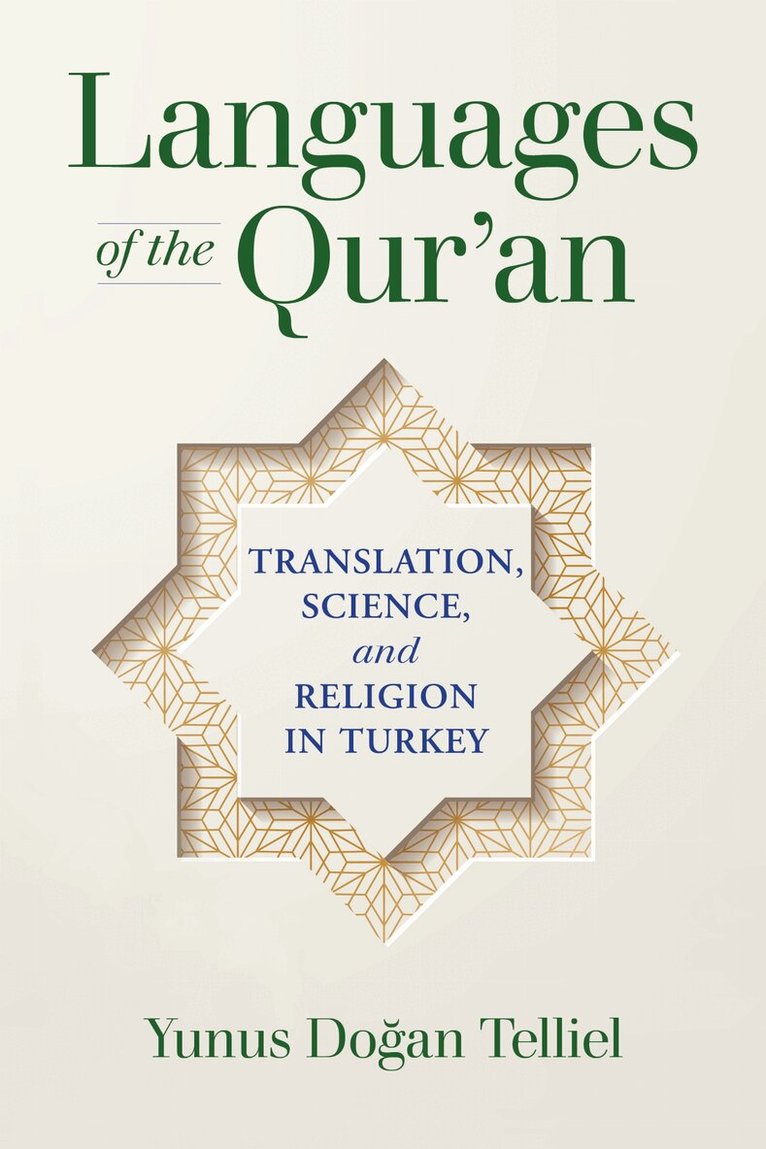
How do Muslims make sense of a scripture they believe was revealed fourteen centuries ago? In Languages of the Qur'an, anthropologist Yunus Doğan Telliel takes readers into the lives of Turkish Muslims grappling with this very question. Following years of ethnographic fieldwork in Turkey, Telliel explores two of the most powerful forces shaping how Muslims relate to the Qur'an today: translation and science. Secular reform in Turkey has made reading the Qur'an in Turkish both possible and controversial, raising the question of whether God's word can truly be rendered in another language. At the same time, more Muslims have begun to read the Qur'an through the lens of modern science as they seek new ways to explain their scripture's relevance to the present day. Through conversations with believers navigating belief and doubt, Telliel reveals how modern Muslims engage with these theological questions, challenging one another to explain how and why they understand divine revelation as they do. The result is a new portrait of a scripture continually reimagined in a rapidly changing world of science and technology.Fresh and accessible, Languages of the Qur'an offers essential reading for anyone interested in Islam, the relationship between science and religion, or changing understandings of religious language in the contemporary world.
420 kr
Kommande
How do Muslims make sense of a scripture they believe was revealed fourteen centuries ago? In Languages of the Qur'an, anthropologist Yunus Doğan Telliel takes readers into the lives of Turkish Muslims grappling with this very question. Following years of ethnographic fieldwork in Turkey, Telliel explores two of the most powerful forces shaping how Muslims relate to the Qur'an today: translation and science. Secular reform in Turkey has made reading the Qur'an in Turkish both possible and controversial, raising the question of whether God's word can truly be rendered in another language. At the same time, more Muslims have begun to read the Qur'an through the lens of modern science as they seek new ways to explain their scripture's relevance to the present day. Through conversations with believers navigating belief and doubt, Telliel reveals how modern Muslims engage with these theological questions, challenging one another to explain how and why they understand divine revelation as they do. The result is a new portrait of a scripture continually reimagined in a rapidly changing world of science and technology.Fresh and accessible, Languages of the Qur'an offers essential reading for anyone interested in Islam, the relationship between science and religion, or changing understandings of religious language in the contemporary world.
1 678 kr
Kommande
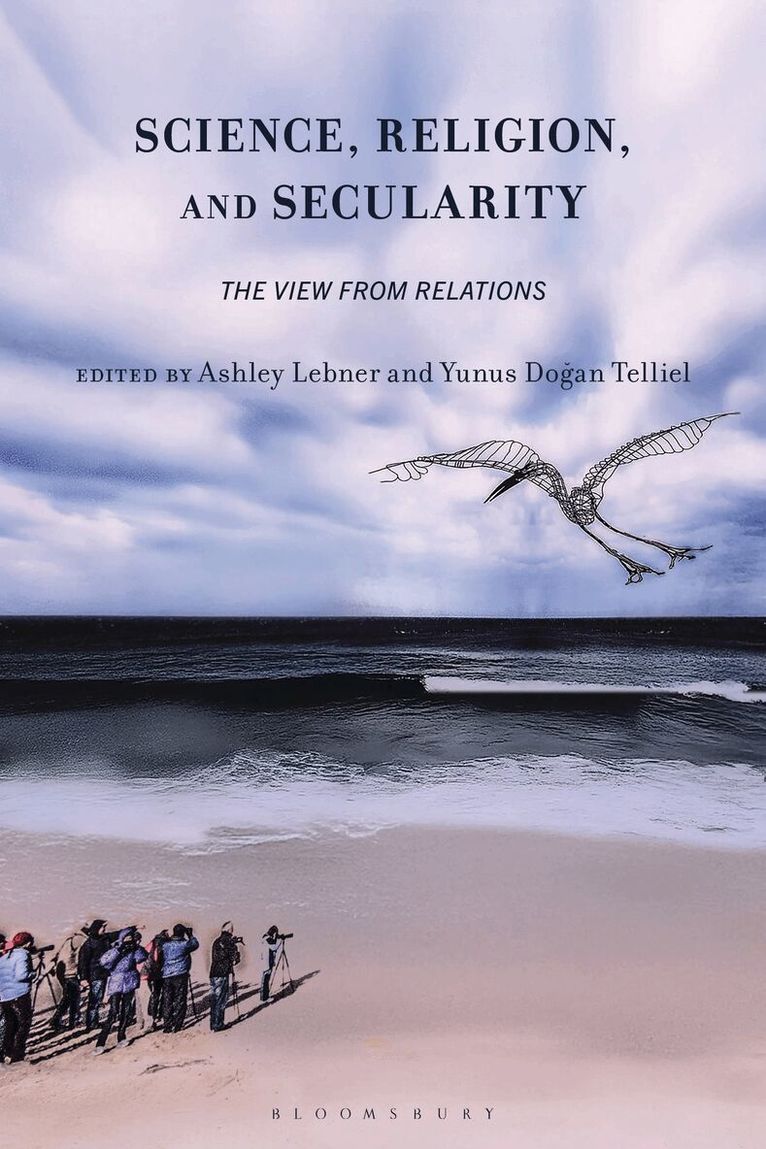
Can the often-conflicted relationship between science and religion be seen in new light? In this volume, Ashley Lebner, Yunus Dogan Telliel, and their contributors show that engaging secularity and its constitutive relations can take science-religion debates onto new terrain.Increasing antagonism towards science and scientists in the twenty-first century is often explained simplistically by pointing to the rise of religiously-underpinned right-wing movements — a narrative that reinforces the idea of an age-old and inevitable clash between science and religion. This book shows that engaging the concept of secularity, which has been understudied in scholarship on science and religion, helps take the scholarly debate into productive new directions.Focusing on contemporary issues in the study of science and religion, including UFOs, cognitive science, decolonization, the Covid-19 pandemic, and religious nationalism, the contributions in this volume consider how people support, reject and grapple with common secularist ideas. They argue that the conditions of secularity both produce and are produced through relationships — those between humans as well as those that humans have with animals, matter and the divine. Moving beyond the individualism that is typically privileged in the West, this relational perspective assumes that the web of secularity, religion and science is open to constant negotiation and transformation: people and knowledge keep changing in relation to the world.In foregrounding relationships and their capacity for change, this volume raises important questions about the political dimension of research on science, religion, and secularity. At a time of science denial and ecological crisis, it invites us to think about how humans can live with each other — and with non-humans — in better and less destructive ways.