Yuqun Liao – författare
Visar alla böcker från författaren Yuqun Liao. Handla med fri frakt och snabb leverans.
3 produkter
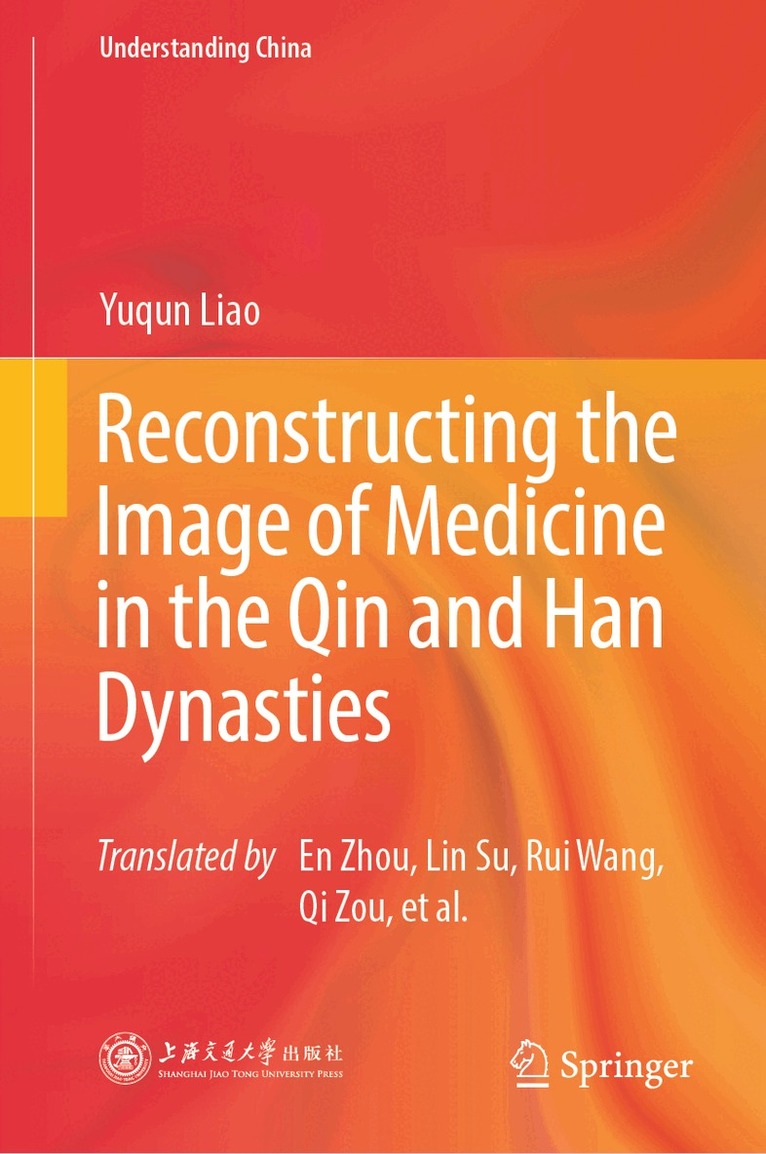
Reconstructing the Image of Medicine in the Qin and Han Dynasties
Av Yuqun Liao
Inbunden, 2026
1687 kr
Lägg i varukorg
This book discusses the medical knowledge system in the pre-Qin period and its specific development during the Han Dynasty, drawing on related accounts in non-medical literature as background evidence and analyzing in detail the texts of the current edition of Huangdi’s Internal Classic (including …
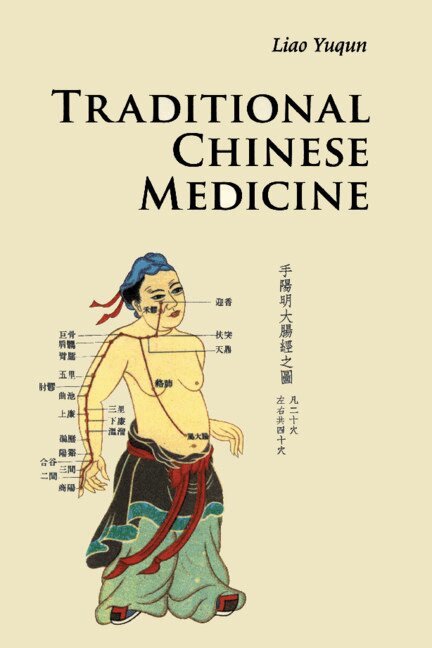
Traditional Chinese Medicine
Av Yuqun Liao
Häftad, 2011
373 kr
Lägg i varukorg
Traditional Chinese medicine is one of the most renowned and most controversial scientific achievements of ancient Chinese civilisation. Although Western medicine is often the basic method used to deal with medical problems, the techniques developed in traditional Chinese medicine still play an …
Reconstructing the Image of Medicine in the Qin and Han Dynasties
Av Yuqun Liao
E-bok, 2026
2127 kr
Lägg i varukorg
This book discusses the medical knowledge system in the pre-Qin period and its specific development during the Han Dynasty, drawing on related accounts in non-medical literature as background evidence and analyzing in detail the texts of the current edition of Huangdi’s Internal Classic (including …