Yuri Glazov – författare
Visar alla böcker från författaren Yuri Glazov. Handla med fri frakt och snabb leverans.
4 produkter
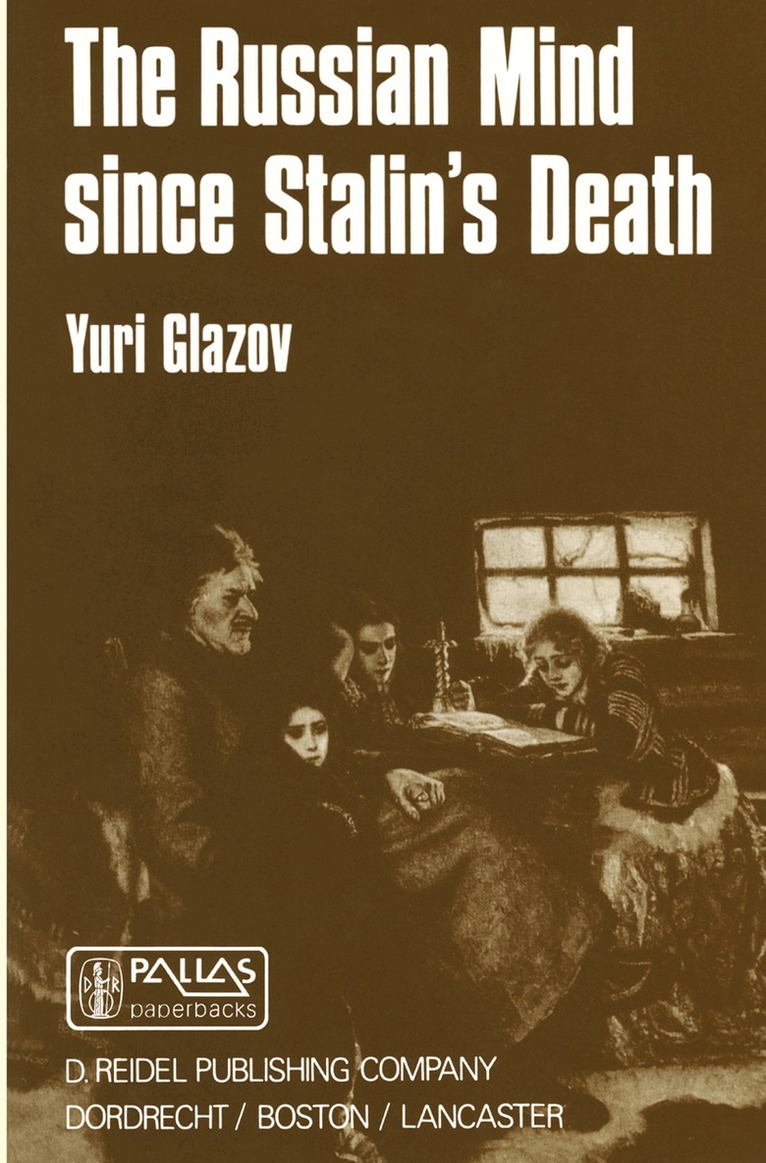
Russian Mind Since Stalin’s Death
Av Yuri Glazov
Häftad, 1985
552 kr
Lägg i varukorg
I have been working on this book since leaving Russia in April of 1972. It was my wish to write this book in English, and there were what seemed to me to be serious reasons for doing so. In recent years there has appeared a wealth of literature, in Russian, about Russia. As a rule, this literature …
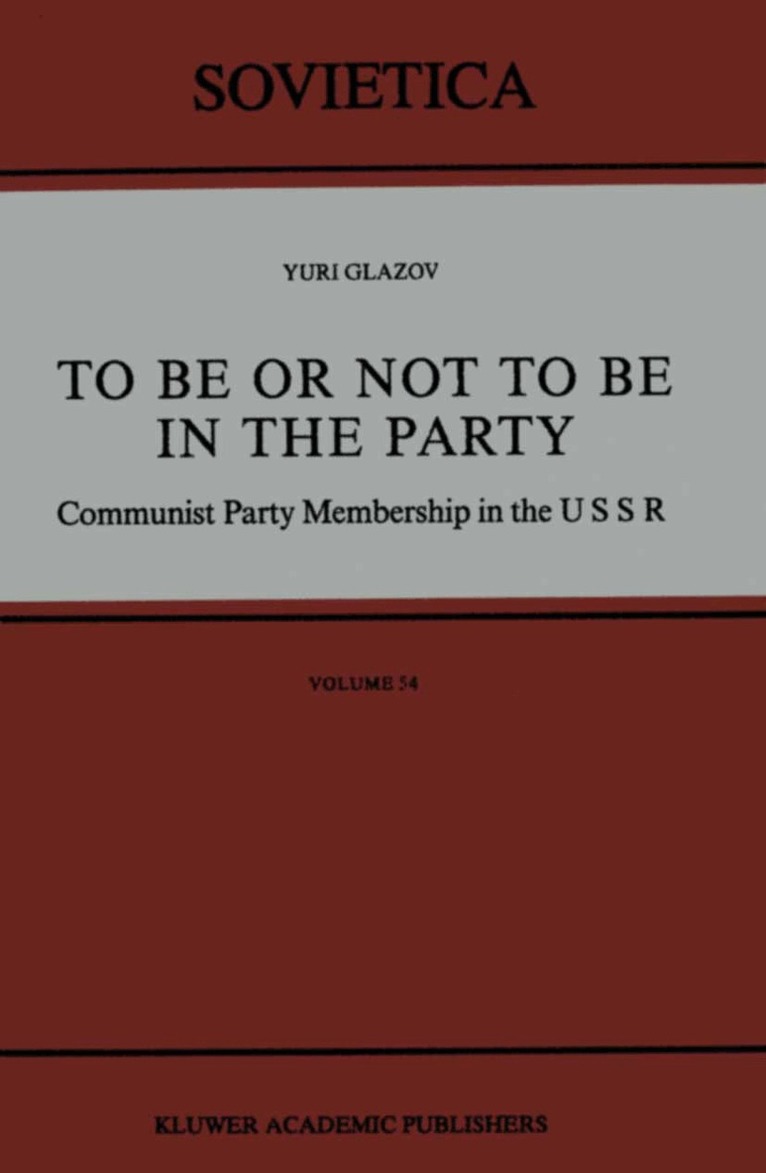
To Be or Not to Be in the Party
Communist Party Membership in the USSR
Av Yuri Glazov
Häftad, 1988
569 kr
Lägg i varukorg
In March of 1985 Mikhail Gorbachev came to power in the Seviet Union. Initially, one could discern serious changes in the policy and statements of this new, young, and obviously efficient leader only with great difficulty. While abroad, Gorbachev had said that anti-Stalinism was a form of …
To Be or Not to Be in the Party
Communist Party Membership in the USSR
Av Yuri Glazov
E-bok, 2012
739 kr
Lägg i varukorg
In March of 1985 Mikhail Gorbachev came to power in the Seviet Union. Initially, one could discern serious changes in the policy and statements of this new, young, and obviously efficient leader only with great difficulty. While abroad, Gorbachev had said that anti-Stalinism was a form of …
Russian Mind Since Stalin's Death
Av Yuri Glazov
E-bok, 2012
734 kr
Lägg i varukorg
I have been working on this book since leaving Russia in April of 1972. It was my wish to write this book in English, and there were what seemed to me to be serious reasons for doing so. In recent years there has appeared a wealth of literature, in Russian, about Russia. As a rule, this literature …