
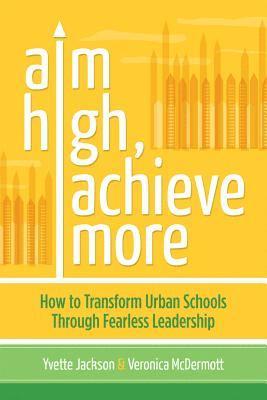
Häftad, Engelska, 2012
444 kr
Skickas inom 3-6 vardagar
444 kr
Skickas inom 3-6 vardagar
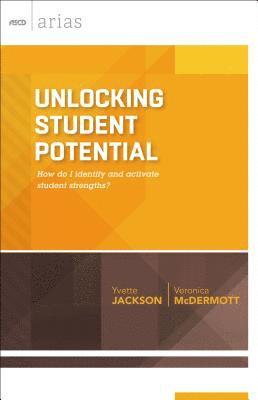
175 kr
Skickas inom 5-8 vardagar
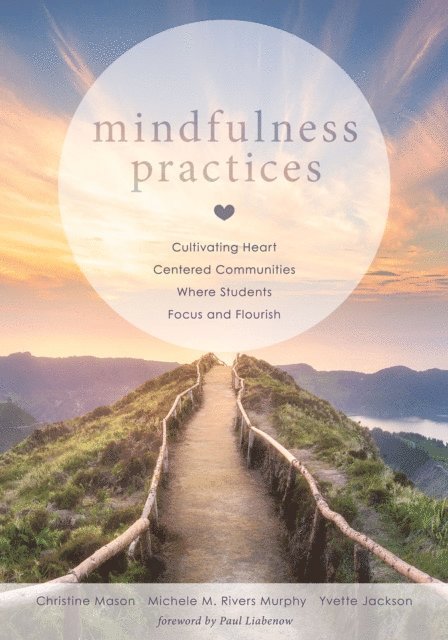
414 kr
Läs direkt efter köp
With foreword by Paul Liabenow
Build compassionate classroom environments and mindful schools that prioritize high levels of achievement and high levels of well-being. Based on the latest neuroscience research, Mindfulness Practices details how mindfulness in schools can lead to new, improved ways of educating, learning, and living. The book''s mindful education exercises are easily adaptable across grade levels -- from prekindergarten through high school -- as well as across urban, suburban, and rural school settings.
Mindfulness exercises and trauma-informed practices for a positive learning environment:
Explore the theory behind mindful education, including the interrelated nature of physiology, cognition, emotions, and mindfulness for students.Learn how mindfulness in schools contributes to a positive mindset, alleviates the impact of toxic stress, and takes advantage of neuroplasticity.Understand the effects of trauma and ACEs (adverse childhood experiences) on student behavior and the ability to learn, and discover trauma-informed practices that support healing.Acquire research-based mindfulness practices, including breathing exercises, yoga for the classroom, meditation for students, and cognitive reflection and awareness.Reignite the passion that first drew you to education and prioritize self-care for yourself and your students.Discover how to build a heart-centered learning community in classrooms and create mindful schools.Contents:Foreword by Paul LiabenowIntroduction
Part I: The Urgency of NowChapter 1: The Need to CareChapter 2: The Journey--Healing Along the WayChapter 3: Our Brain and the Mind-Body Connection
Part II: Mindfulness Practices--Getting PracticalChapter 4: A Deep BreathChapter 5: Move and Stretch--Yoga and Meditation BasicsChapter 6: Mindful Sensation, Presence, and Emotion
Part III: Mindful and Compassionate Classrooms and School CommunitiesChapter 7: Mindful Instruction--Paying Attention to Your StudentsChapter 8: Executive FunctioningChapter 9: Mindful Leadership From Within--A New Mindset
EpilogueReferences and ResourcesIndex
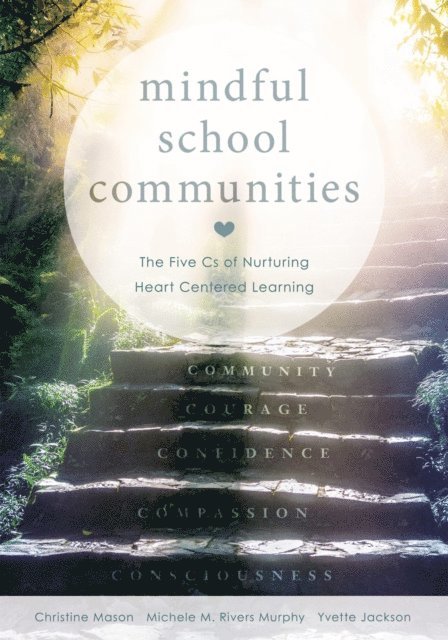
417 kr
Läs direkt efter köp
Build a thriving school community that creates healthy, resilient, and successful students. A companion to Mindfulness Practices, this research-backed guide outlines how to teach self-regulation by fostering the five Cs of social-emotional learning and mindfulness: consciousness, compassion, confidence, courage, and community. The authors provide a wealth of practical exercises, strategies, and tools to bring this scientifically proven approach to life across grade levels and subject areas.
Use this resource to foster the well-being of every learner:
Benefit from exercises that infuse social-emotional concepts and 21st century skills into academic curriculum across subjects and grade levels.Discover ideas for incorporating historical examples of consciousness, compassion, confidence, courage, and community into classwork.Learn ways to assess the five Cs elements, including the research-based S-CCATE tool, to provide evidence for what might seem unquantifiable.Become familiar with different ways educators have implemented Heart Centered Learning™ in the real world.Work with numerous activities and mindsets that foster a mixture of vulnerability and strength and ameliorate trauma.Contents:IntroductionChapter 1: Heart Centered LearningChapter 2: Heart Physiology and Heart-Mind ConnectionsChapter 3: ConsciousnessChapter 4: CompassionChapter 5: ConfidenceChapter 6: CourageChapter 7: CommunityChapter 8: Conscious LeadershipEpilogue: Taking Heart, Having Heart—Looking to Our FutureAppendix: S-CCATE—A Visioning and Assessment Tool to Create Heart Centered CommunitiesReferences and ResourcesIndex
334 kr
Läs direkt efter köp
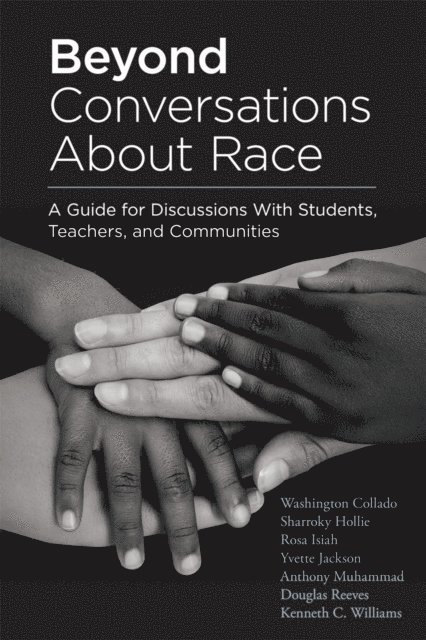
Written by a collective of brilliant authors, this essential work provokes respectful dialogue about race that catalyzes school-changing action. The book masterfully weaves together an array of scenarios and discussions, and directly addresses challenging topics such as discomfort, violence, advocacy, bias, and responsibility. The authors call on their lived experiences and, most important, their work with tens of thousands of educators, leaders, and students to help all of us do better in our schools and communities.
Learn how to talk about race in the classroom and advocate for racial equity in schools:
Recognize the presence of systemic racism in schools and understand why racism is such an uncomfortable topic for many.Use scenarios and effective discussion questions to encourage challenging conversations.Learn how to advocate for underserved communities and those who suffer under racism.Resist racial stereotypes and promote equity in the classroom.Take appropriate action based on challenging conversations.Ultimately develop classrooms, schools, and districts into safe, anti-racist educational strongholds and promote positive learning experiences for marginalized students.Contents:AcknowledgmentsTable of ContentsAbout the AuthorsIntroduction: How to Get the Most Out of This Book
Part 1: Getting Ready for Challenging ConversationsChapter 1: Why Is Talking About Race So Hard?Chapter 2: Why Is Discomfort Required?Chapter 3: Why Scenarios as an Educational Tool?Chapter 4: How Can We Create a Safe Space for Conversation?Chapter 5: How Will Faculty and Staff Set the Standard for Challenging Conversations?
Part 2: Using Scenarios for Important ConversationsChapter 6: Talking About Bias--How Can I Be Biased When I''m Not a Racist?Chapter 7: Talking About History--How Does the Shadow of 1619 Affect Us Today?Chapter 8: Talking About Action--How Can Something Be My Responsibility When It''s Not My Fault?Chapter 9: Talking About Advocacy--What Is My Duty to My Friends?Chapter 10: Talking About Law Enforcement--How Do Police Officers Help Us? How Do They Sometimes Hurt Us?Chapter 11: Talking About School--Where Are the Black People?Chapter 12: Talking About Violence--How Can We Talk About Terrible Things?
Part 3: Moving From Discussion to ActionChapter 13: How Do We Engage Our Communities?Chapter 14: How Can We Advocate for Change?Chapter 15: Why Isn''t Being Right Enough?Chapter 16: How Do We Create Equity Consciousness?Chapter 17: The Next Chapter--How Do We Shift From Opposing Bigotry to Practicing Anti-Racism?
References and ResourcesIndex
444 kr
Skickas inom 3-6 vardagar
175 kr
Skickas inom 5-8 vardagar
414 kr
Läs direkt efter köp
With foreword by Paul Liabenow
Build compassionate classroom environments and mindful schools that prioritize high levels of achievement and high levels of well-being. Based on the latest neuroscience research, Mindfulness Practices details how mindfulness in schools can lead to new, improved ways of educating, learning, and living. The book''s mindful education exercises are easily adaptable across grade levels -- from prekindergarten through high school -- as well as across urban, suburban, and rural school settings.
Mindfulness exercises and trauma-informed practices for a positive learning environment:
Explore the theory behind mindful education, including the interrelated nature of physiology, cognition, emotions, and mindfulness for students.Learn how mindfulness in schools contributes to a positive mindset, alleviates the impact of toxic stress, and takes advantage of neuroplasticity.Understand the effects of trauma and ACEs (adverse childhood experiences) on student behavior and the ability to learn, and discover trauma-informed practices that support healing.Acquire research-based mindfulness practices, including breathing exercises, yoga for the classroom, meditation for students, and cognitive reflection and awareness.Reignite the passion that first drew you to education and prioritize self-care for yourself and your students.Discover how to build a heart-centered learning community in classrooms and create mindful schools.Contents:Foreword by Paul LiabenowIntroduction
Part I: The Urgency of NowChapter 1: The Need to CareChapter 2: The Journey--Healing Along the WayChapter 3: Our Brain and the Mind-Body Connection
Part II: Mindfulness Practices--Getting PracticalChapter 4: A Deep BreathChapter 5: Move and Stretch--Yoga and Meditation BasicsChapter 6: Mindful Sensation, Presence, and Emotion
Part III: Mindful and Compassionate Classrooms and School CommunitiesChapter 7: Mindful Instruction--Paying Attention to Your StudentsChapter 8: Executive FunctioningChapter 9: Mindful Leadership From Within--A New Mindset
EpilogueReferences and ResourcesIndex
417 kr
Läs direkt efter köp
Build a thriving school community that creates healthy, resilient, and successful students. A companion to Mindfulness Practices, this research-backed guide outlines how to teach self-regulation by fostering the five Cs of social-emotional learning and mindfulness: consciousness, compassion, confidence, courage, and community. The authors provide a wealth of practical exercises, strategies, and tools to bring this scientifically proven approach to life across grade levels and subject areas.
Use this resource to foster the well-being of every learner:
Benefit from exercises that infuse social-emotional concepts and 21st century skills into academic curriculum across subjects and grade levels.Discover ideas for incorporating historical examples of consciousness, compassion, confidence, courage, and community into classwork.Learn ways to assess the five Cs elements, including the research-based S-CCATE tool, to provide evidence for what might seem unquantifiable.Become familiar with different ways educators have implemented Heart Centered Learning™ in the real world.Work with numerous activities and mindsets that foster a mixture of vulnerability and strength and ameliorate trauma.Contents:IntroductionChapter 1: Heart Centered LearningChapter 2: Heart Physiology and Heart-Mind ConnectionsChapter 3: ConsciousnessChapter 4: CompassionChapter 5: ConfidenceChapter 6: CourageChapter 7: CommunityChapter 8: Conscious LeadershipEpilogue: Taking Heart, Having Heart—Looking to Our FutureAppendix: S-CCATE—A Visioning and Assessment Tool to Create Heart Centered CommunitiesReferences and ResourcesIndex
334 kr
Läs direkt efter köp
Written by a collective of brilliant authors, this essential work provokes respectful dialogue about race that catalyzes school-changing action. The book masterfully weaves together an array of scenarios and discussions, and directly addresses challenging topics such as discomfort, violence, advocacy, bias, and responsibility. The authors call on their lived experiences and, most important, their work with tens of thousands of educators, leaders, and students to help all of us do better in our schools and communities.
Learn how to talk about race in the classroom and advocate for racial equity in schools:
Recognize the presence of systemic racism in schools and understand why racism is such an uncomfortable topic for many.Use scenarios and effective discussion questions to encourage challenging conversations.Learn how to advocate for underserved communities and those who suffer under racism.Resist racial stereotypes and promote equity in the classroom.Take appropriate action based on challenging conversations.Ultimately develop classrooms, schools, and districts into safe, anti-racist educational strongholds and promote positive learning experiences for marginalized students.Contents:AcknowledgmentsTable of ContentsAbout the AuthorsIntroduction: How to Get the Most Out of This Book
Part 1: Getting Ready for Challenging ConversationsChapter 1: Why Is Talking About Race So Hard?Chapter 2: Why Is Discomfort Required?Chapter 3: Why Scenarios as an Educational Tool?Chapter 4: How Can We Create a Safe Space for Conversation?Chapter 5: How Will Faculty and Staff Set the Standard for Challenging Conversations?
Part 2: Using Scenarios for Important ConversationsChapter 6: Talking About Bias--How Can I Be Biased When I''m Not a Racist?Chapter 7: Talking About History--How Does the Shadow of 1619 Affect Us Today?Chapter 8: Talking About Action--How Can Something Be My Responsibility When It''s Not My Fault?Chapter 9: Talking About Advocacy--What Is My Duty to My Friends?Chapter 10: Talking About Law Enforcement--How Do Police Officers Help Us? How Do They Sometimes Hurt Us?Chapter 11: Talking About School--Where Are the Black People?Chapter 12: Talking About Violence--How Can We Talk About Terrible Things?
Part 3: Moving From Discussion to ActionChapter 13: How Do We Engage Our Communities?Chapter 14: How Can We Advocate for Change?Chapter 15: Why Isn''t Being Right Enough?Chapter 16: How Do We Create Equity Consciousness?Chapter 17: The Next Chapter--How Do We Shift From Opposing Bigotry to Practicing Anti-Racism?
References and ResourcesIndex