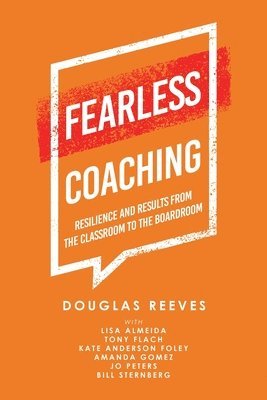
Douglas Reeves – författare
562 kr
Skickas inom 10-15 vardagar
717 kr
Läs direkt efter köp
This brief systematically examines the trackback problem and its interaction with low-latency anonymous communication. First, it provides an overview of the common techniques a network-based attack may use to hide its origin and identity. Then the authors explore the MIX-based anonymity and the building blocks of low-latency anonymous communication. Later chapters offer a comprehensive study of the timing attacks on low-latency anonymous communication, and analyze the fundamental limitations of low-latency anonymous communication from the perspective of timing-based covert channel.
Suitable for professionals and researchers, Traceback and Anonymity is a close look at a key aspect of cyber security studies. Advanced-level students interested in cyber security techniques or networking will also find the content valuable.
352 kr
Skickas inom 5-8 vardagar
289 kr
Skickas inom 3-6 vardagar
460 kr
Skickas inom 5-8 vardagar
341 kr
Skickas inom 3-6 vardagar
489 kr
Skickas inom 5-8 vardagar
341 kr
Skickas inom 3-6 vardagar
Fearless Classrooms
Building Resilience and Psychological Safety for Students, Staff, and Communities
458 kr
Skickas inom 5-8 vardagar
289 kr
Skickas inom 3-6 vardagar
382 kr
Läs direkt efter köp
Creativity is crucial in helping students achieve academic and professional success. The authors argue that creativity is not spontaneous or inborn but a process that can be cultivated by utilizing seven “virtues” that inspire creativity: curiosity, versatility, synthesis, discipline, collaboration, experimentation, and tenacity. Ideal for team study and discussion, the book includes assessment rubrics as well as sample activities and practical guidelines to encourage and facilitate creativity. With The Myth of the Muse, K–12 educators can put creativity at the very center of their curriculum.
Benefits
Engage in conversations about how and why creativity is an important quality for approaching future global challenges.Consider the crucial elements of creativity.Challenge misperceptions and preconceptions about creativity.Explore the great works of creative individuals throughout history.Examine practices educators and policymakers should avoid and emulate in nurturing creativity.Reflect creatively using prompts at the end of each chapter.Contents
Introduction: The Creativity Imperative
Creativity MythsCuriosityVersatilitySynthesisDisciplineCollaborationExperimentationTenacityAppendix A: Creativity Assessment
Appendix B: Guidelines for Leaders
379 kr
Läs direkt efter köp
Embrace effective grading procedures that have the power to reduce failure rates, improve student discipline, encourage learning, and enhance morale. In this three-part guide, the author presents practical strategies teachers and administrators can use to ensure their grading practices center on four essential criteria: fairness, accuracy, specificity, and timeliness. Apply case studies, real-world feedback models, and interactive reflection questions gain support for grading reform, navigate implementation challenges, and more.
Benefits
Discover effective guides to resolving student behavior problems, tardiness, and academic dishonesty.Learn about the five mistakes educators often make that cause grading reform to fail.Understand how to gain the support of stakeholders for grading reform, even when opinions differ.Study how bad grading practices waste teachers’ time and how improved practices can save time.Consider the experiences of schools that have tackled grading challenges.Reflect on grading practices and plan improvements using exercises in every chapter.
Contents
Introduction FAST Grading: Fair, Accurate, Specific, and Timely
Part I Building Relationships with Teachers, Parents, and Communities
1 Preparing for FAST Grading
2 Finding Common Ground in the Grading Debate
3 Gaining Teachers’ Perspectives on Grading
Part II Implementing FAST Grading and Improving Best Practices
4 Establishing FAST Grading
5 Implementing Time-Saving Strategies for Busy Teachers
6 Grading Student Behavior
Part III Considering FAST Feedback Throughout Schools, Systems, and Communities
7 Learning from Physical Education and the Arts
8 Considering the Contexts of Teaching and Leading
414 kr
Läs direkt efter köp
379 kr
Läs direkt efter köp
Utilizing the crucial elements of effective leadership—purpose, trust, focus, leverage, feedback, change, and sustainability—education leaders can overcome the many challenges they face in their profession and learn the skills and characteristics they need to succeed. This book synthesizes research from 21st century sources and confronts prevalent leadership myths, while offering guidance on best leadership practices. Use this professional development tool to establish a clear mission and enact vision statements.
Benefits
Learn about the seven elements of leadership and why they are important to building trust between colleagues.Study the best research available on leadership, coming from diverse research methods and perspectives.Gain guidance on how to tell the difference between best and worst practices in leadership.Examine elements to assess whether an organization is ready for change.Explore a model for reflecting on, self-assessing, and synthesizing leadership experiences and research on effective leadership.
Contents
PurposeTrustFocusLeverageFeedbackChangeSustainability
240 kr
Läs direkt efter köp
255 kr
Läs direkt efter köp
The Every Student Succeeds Act (ESSA) presents US educators and local and state legislators with a rare opportunity: to reconceive schooling and education funding to better address students’ needs. Richard DuFour, Douglas Reeves, and Rebecca DuFour showcase how to make the most of this opportunity by fully committing to the Professional Learning Communities at Work™ process, which holds the greatest potential for maximizing student achievement.
How this book will help your PLC incorporate the Every Student Succeeds Act:
Explains the roles federal and state governments play in K-12 education funding with the adoption of ESSA and how it relates to past educational reforms such as ESEA and No Child Left Behind.Emphasizes the importance of using the PLC at Work™ process to respond to ESSA.Provides the strategies and mindsets teachers, district leaders, and states should implement to enhance student learning. Presents the right work PLC schools at any level should engage in to support student and adult success.Highlights indicators of school-level accountability and system accountability, as well as an accountability framework states should use to promote school improvement and success.Contents:
Foreword by Jon SaphierIntroductionChapter 1: A Brief History of Education Oversight in the United StatesChapter 2: The Passage of ESSAChapter 3: How States Can Respond to ESSAChapter 4: One School’s Response to ESSAChapter 5: A View From the DistrictChapter 6: How States Can Transform Opportunity Into ActionChapter 7: The Path Ahead for ESSAEpilogueAppendix A: Sample School-Level Accountability IndicatorsAppendix B: Sample System-Level Accountability Indicators
381 kr
Skickas inom 3-6 vardagar
331 kr
Läs direkt efter köp
With foreword by Michael Fullan
Within 100 days, schools have dramatically increased student achievement, transformed faculty morale and school culture, reduced discipline issues, and much more. Begin leading focused, meaningful change in your own school with the support of 100-Day Leaders by Douglas Reeves and Robert Eaker. Using this book to guide your school improvement plan, you will learn how to achieve a series of short-term wins that combine to form long-term success.
Begin a 100-day action plan for educational leadership to effect significant school improvement:
Become familiar with the 100-day leadership plan and the six stages of implementation.Understand the importance of a collaborative culture in creating strong leadership in schools.Develop an understanding of high-leverage leadership techniques and strategic planning.Study the personality traits and leadership qualities that support successful change management and school improvement.Access reproducible rubrics that can be used to measure progress of the 100-day leadership action plan and your school leadership development.Contents:
AcknowledgmentsAbout the AuthorsForewordIntroduction: Why One Hundred Days?
Part 1: Exploring 100-Day LeadershipChapter 1: Why Before HowChapter 2: The Six Steps of 100-Day LeadershipChapter 3: The 100-Day Leader in Action
Part 2: Creating the Environment for SuccessChapter 4: A Strong FoundationChapter 5: How to Begin From Within
AppendixReferences and ResourcesIndex
414 kr
Läs direkt efter köp
Achieve high performance for all in your school. In Achieving Equity and Excellence, author Douglas Reeves outlines how to make dramatic improvements to student learning, behavior, and attendance in a single semester. Study the mindset of high-poverty, high-success schools and follow their example to implement the equitable and just practices necessary to make student success a sustainable reality.
Use this resource to empower students, teachers, and administrators:
Study the landmark research on the practices of high-performing, high-poverty schools, and discover updated research showing how these results can be applied.Discover what high-poverty schools do differently to achieve high performance, and learn how to implement these strategies in your classroom.Transform any school into an effective and productive school through learner-centered teaching.Learn the importance of action during the change process and why action must come before belief to implement equitable teaching practices. Explore effective accountability systems, the different levels of accountability, and how these systems should be implemented to meet the needs of diverse learners.Contents:AcknowledgmentsAbout the AuthorIntroductionPart I: Discovering When to Trust Educational ResearchChapter 1: Understand the Five Levels of Educational ResearchChapter 2: Decide Which Research to TrustPart II: Understanding What Equity and Excellence Schools Do DifferentlyChapter 3: Organize Their School or District as a Professional Learning CommunityChapter 4: Display a Laser-Like Focus on Student AchievementChapter 5: Conduct Collaboration ScoringChapter 6: Emphasize Nonfiction WritingChapter 7: Utilize Frequent Formative Assessment With Multiple Opportunities for SuccessChapter 8: Perform Constructive Data AnalysisChapter 9: Engage in Cross-Disciplinary Units of InstructionPart III: Applying the Research in Your SchoolsChapter 10: Discover the Equity and Excellence MindsetChapter 11: Change Behavior Before BeliefChapter 12: Transform Vision Into Action Through Teacher LeadershipChapter 13: Improve Coaching, Feedback, and EvaluationPart IV: Creating Accountability in an Equity and Excellence SystemChapter 14: Establish Accountability as a Learning SystemChapter 15: Enact System-Level AccountabilityChapter 16: Enact School- and Department-Level AccountabilityChapter 17: Explain the Story Behind the NumbersEpilogue: Giant Leaps, Not Baby StepsReferences and ResourcesIndex
379 kr
Läs direkt efter köp
As 21st century educators grapple with new and unprecedented challenges, schools and districts require a model of change leadership that responds to shifting environmental realities. Deep Change Leadership aims to give leaders pragmatic ways to spark change in education. Author Douglas Reeves offers up a model that departs from traditionally held beliefs and instead embraces engagement, inquiry, and focused action.
Use this resource to set in motion effective change initiatives:
Explore the principal impediments to effective change leadership, including fragmentation and the myth of universal buy-in.Learn the means by which you can gauge your and your school''s or district''s readiness for change.Study the characteristics of deep change leadership, which involves deciding what does not change, supplementing passion with purpose, and narrowing your focus.Discover how to make sound course corrections and avoid mistakes in change leadership.Understand real results in terms of both outcomes and causes.Contents:AcknowledgmentsTable of ContentsAbout the AuthorIntroductionPart 1: The Change ImperativeChapter 1: Realizing the Need for a New Model of ChangeChapter 2: Understanding the Pain Inherent in ChangeChapter 3: Exposing the Myth of Buy-InChapter 4: Exploring Change Expectance and ReadinessPart 2: The New Model of Change LeadershipDeciding What Does Not ChangeCombining Passion and PurposeReining In Your FocusPart 3: The Path AheadChapter 8: Making Course CorrectionsChapter 9: Anticipating Mistakes in Change LeadershipChapter 10: Identifying Real ResultsChapter 11: Building a Team of Change LeadersEpilogue: Iceberg AheadReferences and ResourcesIndex
331 kr
Läs direkt efter köp
Written by a collective of brilliant authors, this essential work provokes respectful dialogue about race that catalyzes school-changing action. The book masterfully weaves together an array of scenarios and discussions, and directly addresses challenging topics such as discomfort, violence, advocacy, bias, and responsibility. The authors call on their lived experiences and, most important, their work with tens of thousands of educators, leaders, and students to help all of us do better in our schools and communities.
Learn how to talk about race in the classroom and advocate for racial equity in schools:
Recognize the presence of systemic racism in schools and understand why racism is such an uncomfortable topic for many.Use scenarios and effective discussion questions to encourage challenging conversations.Learn how to advocate for underserved communities and those who suffer under racism.Resist racial stereotypes and promote equity in the classroom.Take appropriate action based on challenging conversations.Ultimately develop classrooms, schools, and districts into safe, anti-racist educational strongholds and promote positive learning experiences for marginalized students.Contents:AcknowledgmentsTable of ContentsAbout the AuthorsIntroduction: How to Get the Most Out of This Book
Part 1: Getting Ready for Challenging ConversationsChapter 1: Why Is Talking About Race So Hard?Chapter 2: Why Is Discomfort Required?Chapter 3: Why Scenarios as an Educational Tool?Chapter 4: How Can We Create a Safe Space for Conversation?Chapter 5: How Will Faculty and Staff Set the Standard for Challenging Conversations?
Part 2: Using Scenarios for Important ConversationsChapter 6: Talking About Bias--How Can I Be Biased When I''m Not a Racist?Chapter 7: Talking About History--How Does the Shadow of 1619 Affect Us Today?Chapter 8: Talking About Action--How Can Something Be My Responsibility When It''s Not My Fault?Chapter 9: Talking About Advocacy--What Is My Duty to My Friends?Chapter 10: Talking About Law Enforcement--How Do Police Officers Help Us? How Do They Sometimes Hurt Us?Chapter 11: Talking About School--Where Are the Black People?Chapter 12: Talking About Violence--How Can We Talk About Terrible Things?
Part 3: Moving From Discussion to ActionChapter 13: How Do We Engage Our Communities?Chapter 14: How Can We Advocate for Change?Chapter 15: Why Isn''t Being Right Enough?Chapter 16: How Do We Create Equity Consciousness?Chapter 17: The Next Chapter--How Do We Shift From Opposing Bigotry to Practicing Anti-Racism?
References and ResourcesIndex
456 kr
Skickas inom 3-6 vardagar
400 kr
Läs direkt efter köp