Z. S. Strother - Böcker
Visar alla böcker från författaren Z. S. Strother. Handla med fri frakt och snabb leverans.
2 produkter
2 produkter
291 kr
Skickas inom 7-10 vardagar
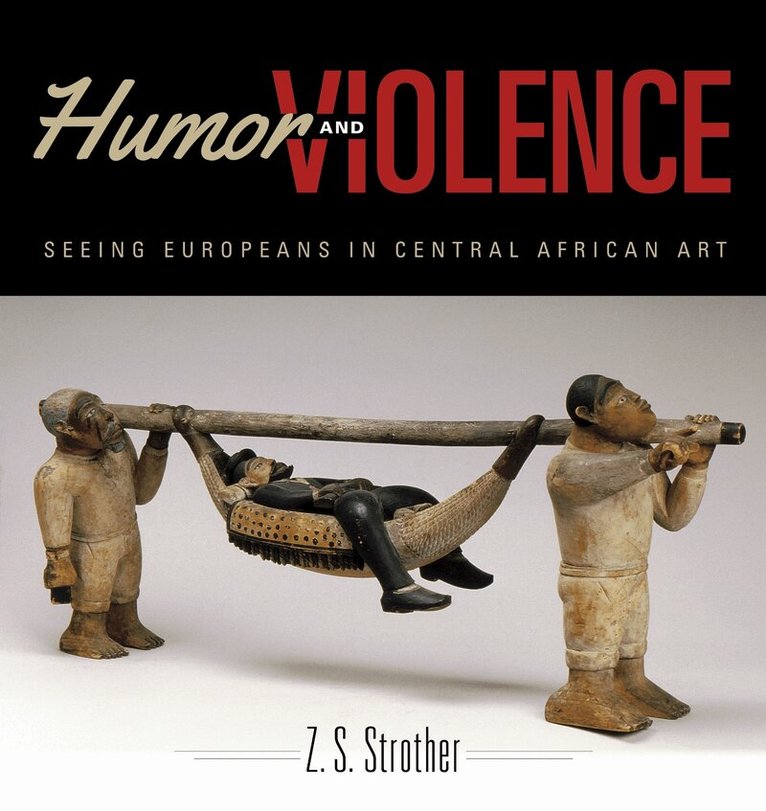
Humor and Violence examines the rich history of portraying Europeans in Central African art in images ranging from heart-wrenching scenes of human trafficking to playful parodies of colonialists. Z. S. Strother contends that the dialectic of humor and violence reveals deep insights into the psychology of power and resistance that continues to operate in the region today. Her argument is built on a set of works of art and demonstrates the important role that patronage and political and social history played in their creation. Strother conveys Central African ideas about how the therapeutic power of humor can initiate social change and upset power relations between oppressors and oppressed. This analysis plunges seemingly benign figures into a maelstrom of violence and crime–rape, murder, torture, and forced labor on a massive scale. By restoring the dialectic of humor, it reveals the complicated psychological codependency of Africans and Europeans over a long period of history and maintains that art plays a mediating function in the mechanics and ethics of power.
176 kr
Skickas inom 7-10 vardagar
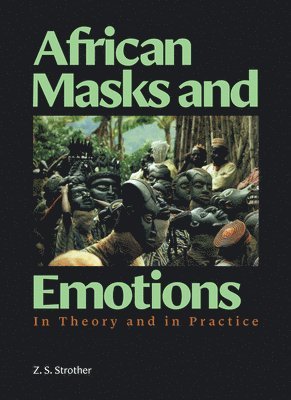
InWestern European languages, the word mask exerts a powerful presence as afigure of speech. To masquerade is to pretend to be someone or something oneis not. By extension, unmasking isa heroic metaphor for exposing a hidden truth. In this volume, art historianZ. S. Strother counters that narrative, using African case studies to offeran alternative vision of masquerading. She explores the aesthetic emotionsaroused by masks, or more precisely, by "dances of masks": joy, wonder, awe,fear, and the release of laughing out loud. She also investigates theuncanny-a sensation of "delicious shiveriness" triggered when familiar spacesand individuals become strange and changeable. Inspired by Strother's studiesin DR Congo, African Masks and Emotions takes a comparative perspective and moves emotion from theperiphery to the center of analysis.