Zachary Abuza - Böcker
Visar alla böcker från författaren Zachary Abuza. Handla med fri frakt och snabb leverans.
4 produkter
4 produkter
2 803 kr
Skickas inom 5-8 vardagar
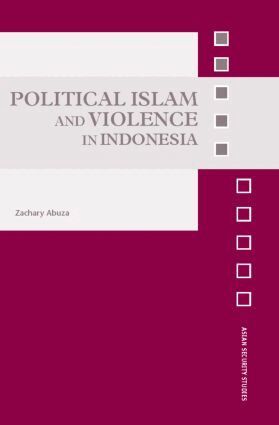
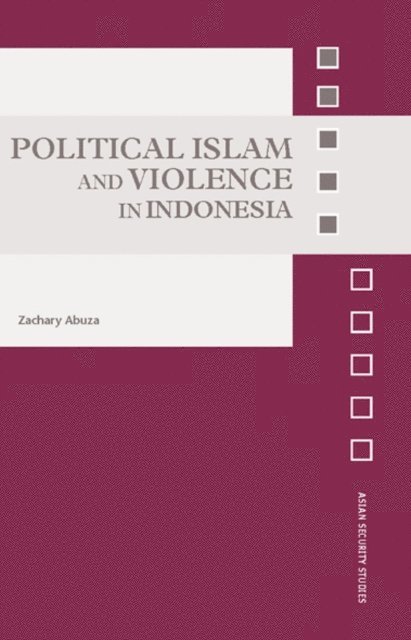
Political Islam and Violence in Indonesia presents a penetrating new investigation of religious radicalism in the largest Muslim country in the world.Indonesia is a country long known for its diversity and tolerant brand of Islam. However, since the fall of Suharto, a more intolerant form of Islam has been growing, one whose adherents have carried out terrorist attacks, waged sectarian war, and voiced strident anti-Western rhetoric. Zachary Abuza’s unique analysis of radical Islam draws upon primary documents such as Jemaah Islamiyah’s operations manual, interviews, and recorded testimonies of politicians, religious figures, and known militants, as well as personal interviews with numerous security and intelligence experts in Indonesia and elsewhere, to paint a picture at once guardedly optimistic about the future of Indonesian democracy and concerned about the increasing role of conservative and radical Islam in Indonesian society.This book will be of great interest to students of Indonesian politics, Asian studies, political violence and security studies in general.
671 kr
Skickas inom 10-15 vardagar
Political Islam and Violence in Indonesia presents a penetrating new investigation of religious radicalism in the largest Muslim country in the world.Indonesia is a country long known for its diversity and tolerant brand of Islam. However, since the fall of Suharto, a more intolerant form of Islam has been growing, one whose adherents have carried out terrorist attacks, waged sectarian war, and voiced strident anti-Western rhetoric. Zachary Abuza’s unique analysis of radical Islam draws upon primary documents such as Jemaah Islamiyah’s operations manual, interviews, and recorded testimonies of politicians, religious figures, and known militants, as well as personal interviews with numerous security and intelligence experts in Indonesia and elsewhere, to paint a picture at once guardedly optimistic about the future of Indonesian democracy and concerned about the increasing role of conservative and radical Islam in Indonesian society.This book will be of great interest to students of Indonesian politics, Asian studies, political violence and security studies in general.
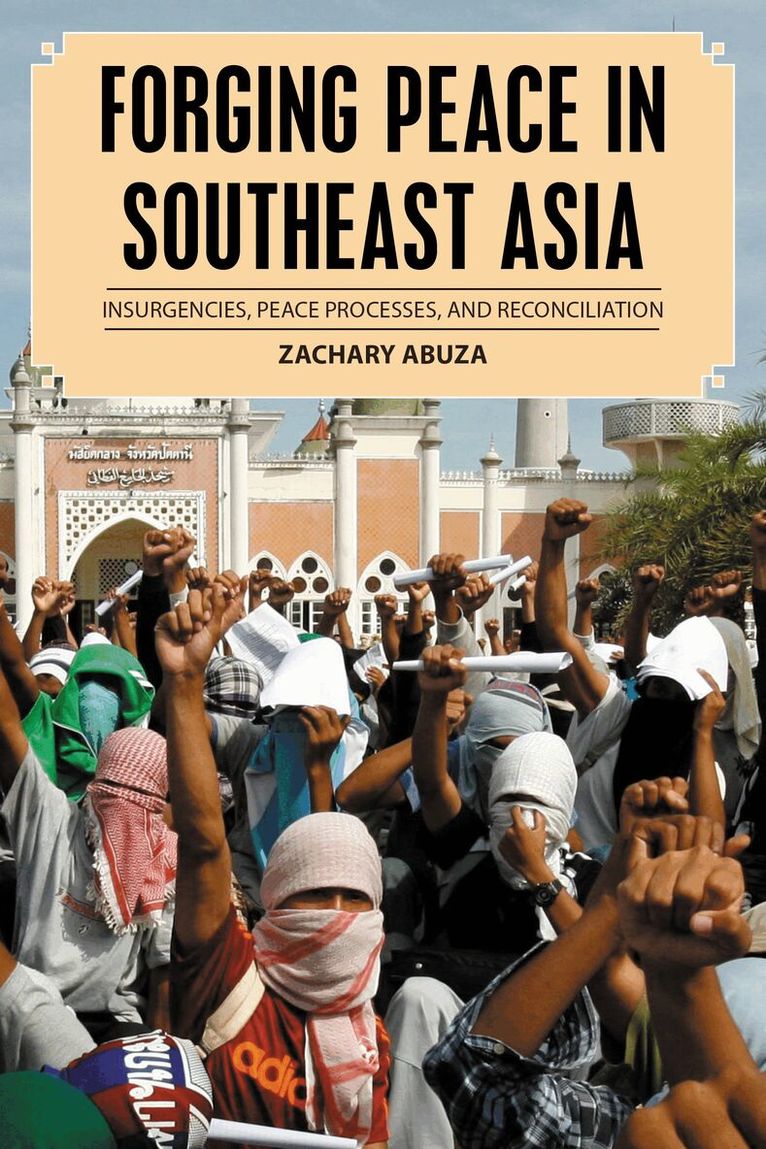
Forging Peace in Southeast Asia
Insurgencies, Peace Processes, and Reconciliation
Inbunden, Engelska, 2016
1 142 kr
Skickas inom 10-15 vardagar
Until recently, Southeast Asia was plagued by separatist insurgencies that had simmered, seemingly intractable, for several decades. But peace processes in Indonesia and the Philippines have been some of the most innovative and successful in the world—a model and counterpoint for Thailand and other protracted conflicts.Since the 1970s, Indonesia, the Philippines, and Thailand have wrestled with secessionist groups. Each government entered into peace talks then, though without any sincerity or willingness to make significant concessions. By the turn of the millennium, the governments of Indonesia and the Philippines began to reevaluate their strategies while insurgents came to the conclusion that the changed global environment and waning capabilities made victory unlikely. Further, the impact of the 2004 tsunami brought not only another impetus, but also the involvement of the international donor community and peace processes began in both countries where they were successfully implemented. Successful devolution of political and economic powers that protected the cultural rights of the minority population, as well as substantial wealth sharing brought an end to these conflicts. Such successful peace building efforts serve as both a model and counterpoint for Thailand. Each of the case studies begins with a history of the insurgency, an analysis of the insurgent group’s organization, operations, tactics, and capabilities before delving into the history of the peace processes and analyzing the factors that made them successful. Nothing is harder than a peace process, but the lessons of Southeast Asia show that it is made possible through such factors as a national devaluation of power, bold and creative statesmanship, the successful neutralization of spoilers, and the role of neutral third party facilitators. These cases provide important lessons for the fields of counterinsurgency and peace making.
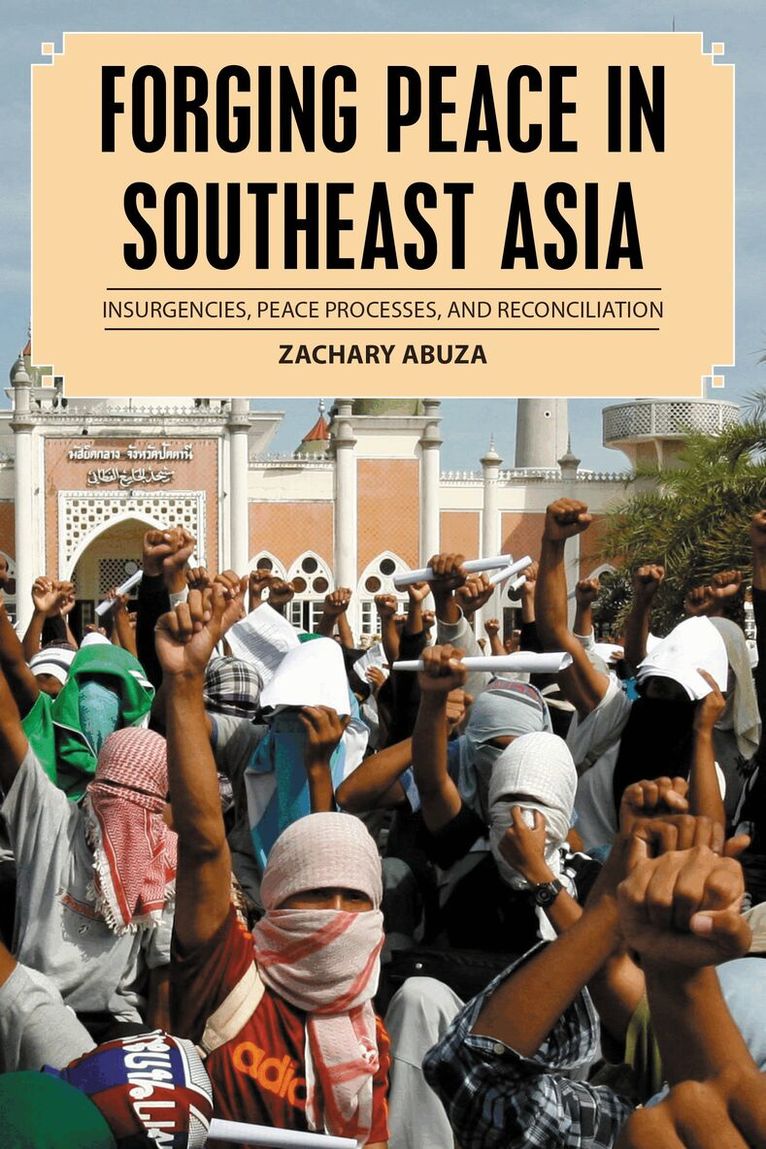
Forging Peace in Southeast Asia
Insurgencies, Peace Processes, and Reconciliation
Häftad, Engelska, 2016
515 kr
Skickas inom 10-15 vardagar
Until recently, Southeast Asia was plagued by separatist insurgencies that had simmered, seemingly intractable, for several decades. But peace processes in Indonesia and the Philippines have been some of the most innovative and successful in the world—a model and counterpoint for Thailand and other protracted conflicts.Since the 1970s, Indonesia, the Philippines, and Thailand have wrestled with secessionist groups. Each government entered into peace talks then, though without any sincerity or willingness to make significant concessions. By the turn of the millennium, the governments of Indonesia and the Philippines began to reevaluate their strategies while insurgents came to the conclusion that the changed global environment and waning capabilities made victory unlikely. Further, the impact of the 2004 tsunami brought not only another impetus, but also the involvement of the international donor community and peace processes began in both countries where they were successfully implemented. Successful devolution of political and economic powers that protected the cultural rights of the minority population, as well as substantial wealth sharing brought an end to these conflicts. Such successful peace building efforts serve as both a model and counterpoint for Thailand. Each of the case studies begins with a history of the insurgency, an analysis of the insurgent group’s organization, operations, tactics, and capabilities before delving into the history of the peace processes and analyzing the factors that made them successful. Nothing is harder than a peace process, but the lessons of Southeast Asia show that it is made possible through such factors as a national devaluation of power, bold and creative statesmanship, the successful neutralization of spoilers, and the role of neutral third party facilitators. These cases provide important lessons for the fields of counterinsurgency and peace making.