Zachary Tavlin - Böcker
Visar alla böcker från författaren Zachary Tavlin. Handla med fri frakt och snabb leverans.
3 produkter
3 produkter
357 kr
Skickas inom 7-10 vardagar
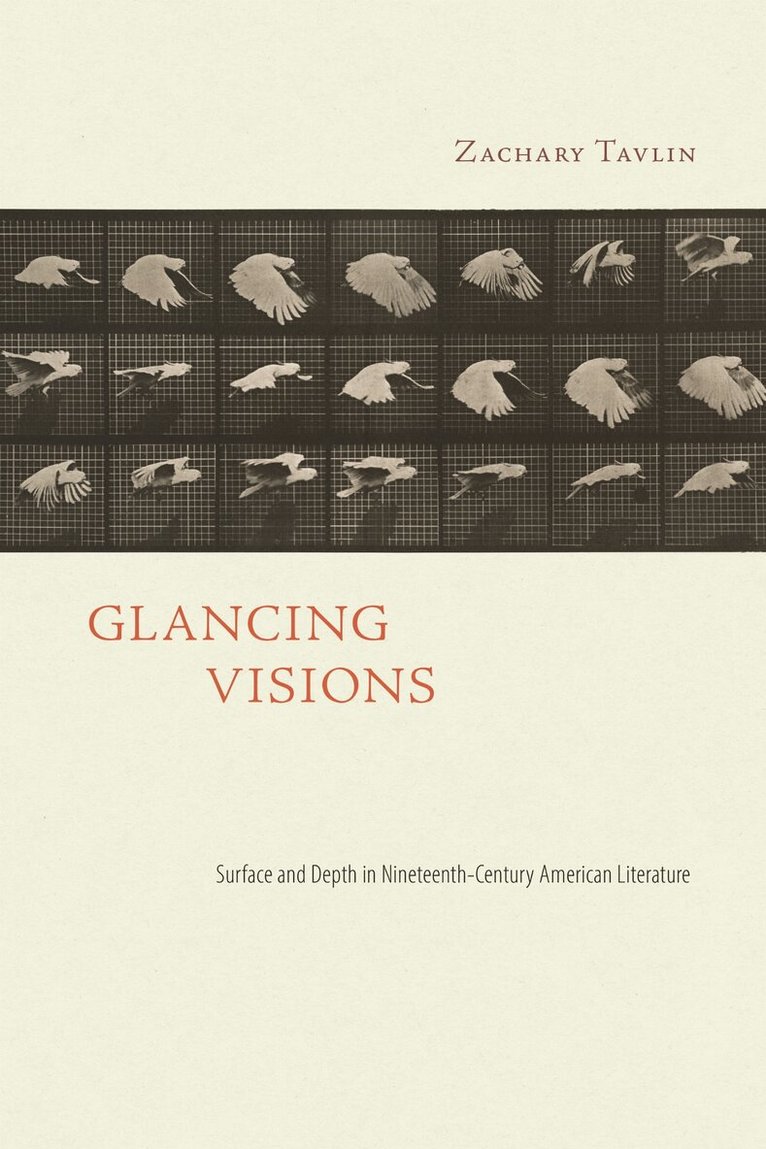
How the “glance” rather than the “gaze” in nineteenth-century literature and art anticipates the turn to modernismThe sweeping vantages that typify American landscape painting from the nineteenth century by Thomas Cole and other members of the Hudson River School are often interpreted for their geopolitical connotations, as visual attempts to tame the wild, alleviating fears of a savage frontier through views that subdue the landscape to the eye. But many literary figures of the era display a purposeful disdain for the “possessive gaze,” signaling a preference for subtle glances, often informed by early photography, Impressionism, new techniques in portraiture, and, soon after, the dawn of cinema. The visual subjectivities and contingencies introduced by these media made room for a visual counternarrative, one informed by a mode of seeing that moves fast and lightly across the surface of things.Tavlin probes Nathaniel Hawthorne’s theory of the imagination at a turning point in the history of photography, when momentary glances take on new narrative potentials. The poetry of Frances Ellen Watkins Harper toggles between gazes and glances, unsettling two competing forms of racialized seeing as they pertain to nineteenth-century Black life and racial hierarchies—the sentimental gaze and the slave trader’s glance—highlighting the life-and-death stakes of looking and looking away. Emily Dickinson’s syntactical oddities and her lifelong process of stitching and unstitching the poems that constitute her corpus all derive from a commitment to immanence associated with animal perception. Tavlin investigates, as well, Henry James’s vexed relationship to painterly Impressionism and William Carlos Williams’s imagist poetics as a response to early cinema’s use of the cut as the basis for a new visual grammar.Each of these literary artists—via their own distinctive sensibilities and the artistic or technological counterparts that informed them—refuse the authoritative, all-possessive gaze in favor of the glance, a mode of seeing, thinking, and being that made way for the twentieth century’s twist on modernity. Glancing Visions will be of interest to scholars and teachers of American literature and literary history, visual culture, visual theory, aesthetic philosophy, and phenomenology.
234 kr
Skickas
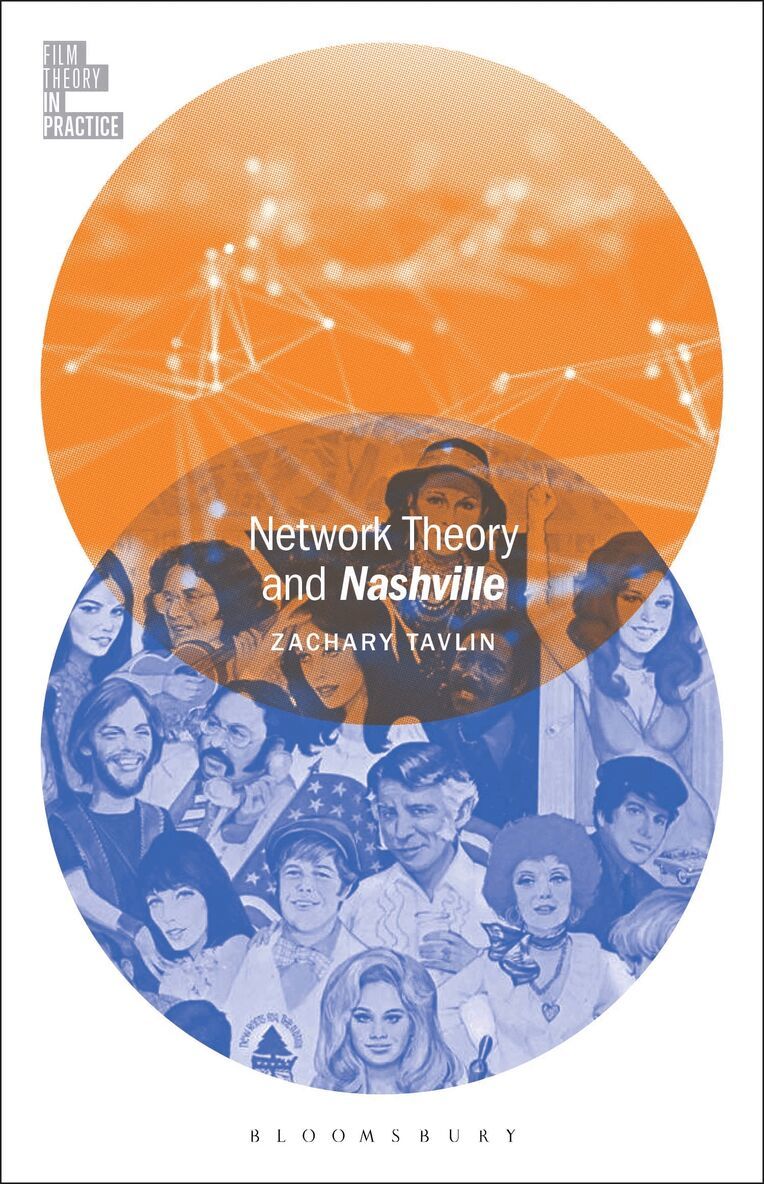
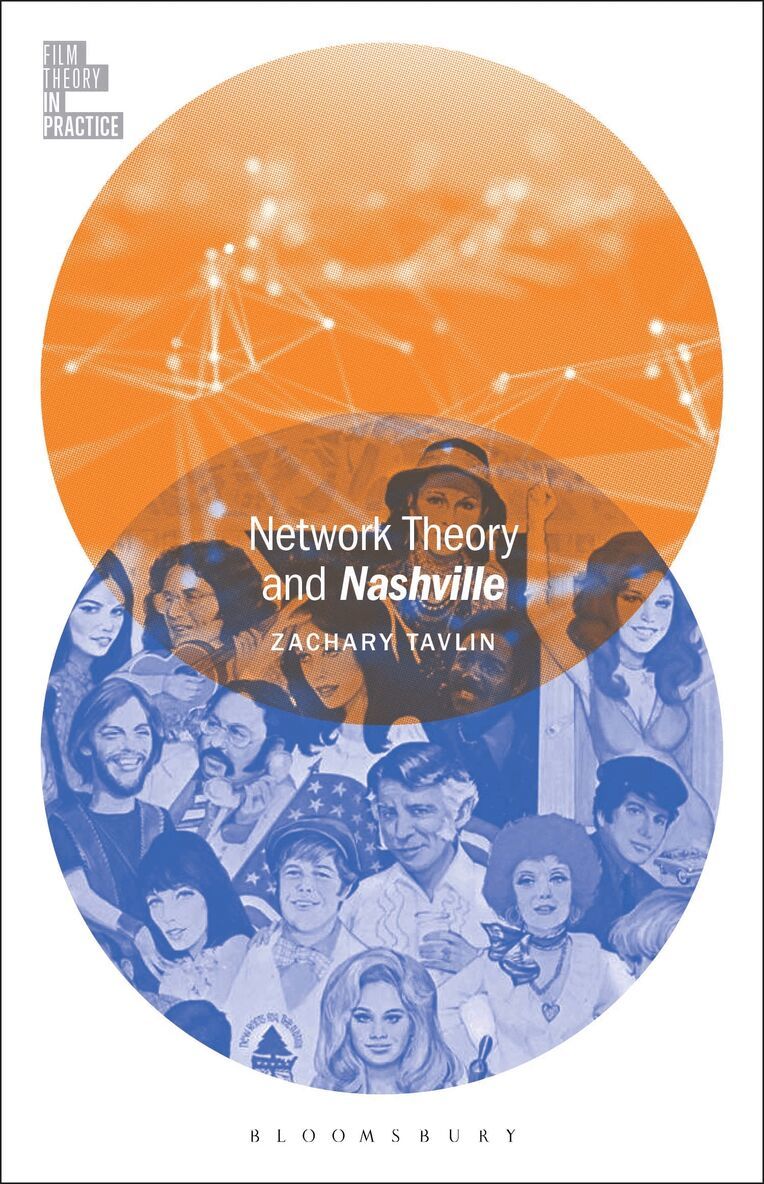
The Film Theory in Practice series fills a gaping hole in the world of film theory. By marrying the explanation of a film theory with the interpretation of a film, the volumes provide discrete examples of how film theory can serve as the basis for textual analysis. This book provides a broad introduction to network theory and shows how this theory can motivate a close reading of Robert Altman's 1975 film Nashville.By offering a tour of the expansive intellectual network we can now call network theory, the book demonstrates how analyzing the ubiquitous characteristics of networks changes the way film fans, students, and scholars might understand cinema’s storytelling possibilities. It models a method of interpretation (focusing on character, cinematography, and sound) that students can practice with other feature films. Moreover, it situates film within a larger discourse about art and society, offering students the tools for analyzing other large-form cultural objects.Organized into two parts, the first section of the book presents an overview of network theory, its various facets as a still-emerging discourse, and its historical context in post-industrial life, before turning to Altman’s Nashville. It then explores the film’s narrative style and character system as a special case of network cinema, to show how there is more than “connectedness” alone to the network form.
809 kr
Skickas inom 10-15 vardagar
The Film Theory in Practice series fills a gaping hole in the world of film theory. By marrying the explanation of a film theory with the interpretation of a film, the volumes provide discrete examples of how film theory can serve as the basis for textual analysis. This book provides a broad introduction to network theory and shows how this theory can motivate a close reading of Robert Altman's 1975 film Nashville.By offering a tour of the expansive intellectual network we can now call network theory, the book demonstrates how analyzing the ubiquitous characteristics of networks changes the way film fans, students, and scholars might understand cinema’s storytelling possibilities. It models a method of interpretation (focusing on character, cinematography, and sound) that students can practice with other feature films. Moreover, it situates film within a larger discourse about art and society, offering students the tools for analyzing other large-form cultural objects.Organized into two parts, the first section of the book presents an overview of network theory, its various facets as a still-emerging discourse, and its historical context in post-industrial life, before turning to Altman’s Nashville. It then explores the film’s narrative style and character system as a special case of network cinema, to show how there is more than “connectedness” alone to the network form.