Ryan Engley - Böcker
Visar alla böcker från författaren Ryan Engley. Handla med fri frakt och snabb leverans.
9 produkter
9 produkter
263 kr
Skickas inom 10-15 vardagar
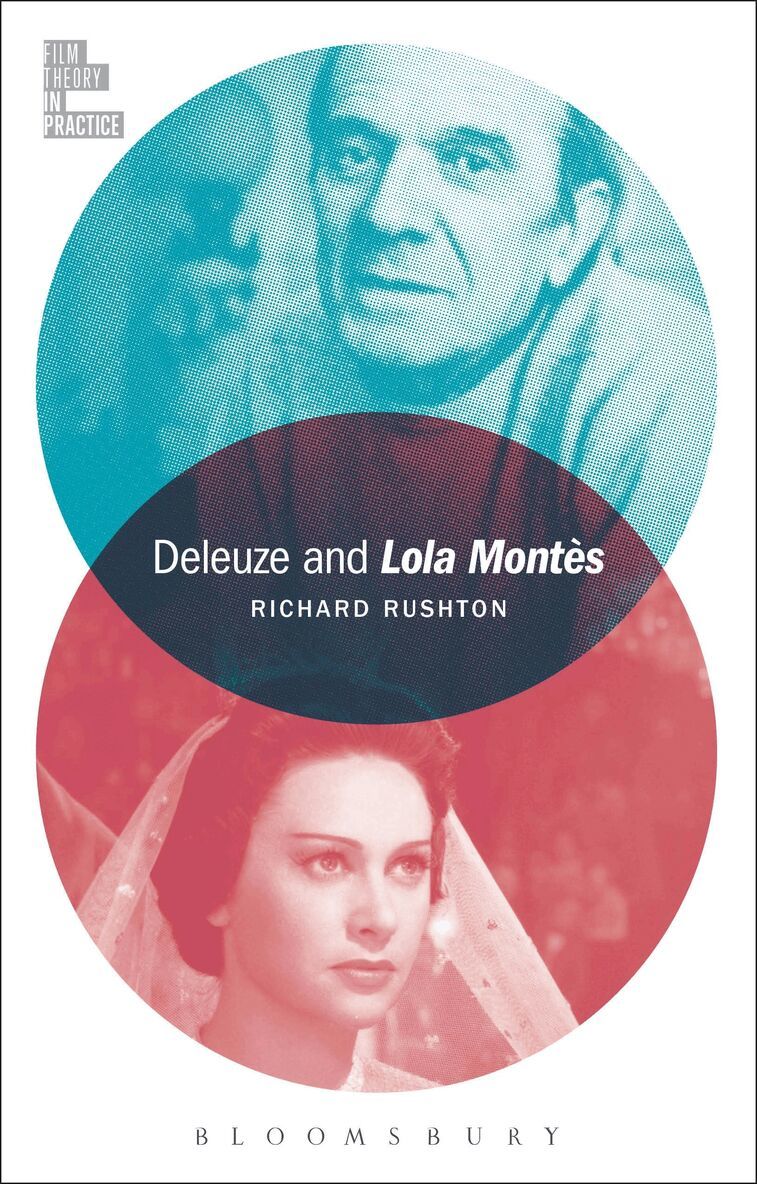
Gilles Deleuze represents the most widely referenced theorist of cinema today. And yet, even the most rudimentary pillars of his thought remain mysterious to most students (and even many scholars) of film studies. From one of the foremost theorists following Deleuze in the world today, Deleuze and Lola Montès offers a detailed explication of Gilles Deleuze’s writings on film – from his books Cinema 1: The Movement-Image (1983) and Cinema 2: The Time-Image (1985). Building on this foundation, Rushton provides an interpretation of Max Ophuls’s classic film Lola Montès as an example of how Deleuzian film theory can function in the practice of film interpretation.
301 kr
Skickas inom 10-15 vardagar
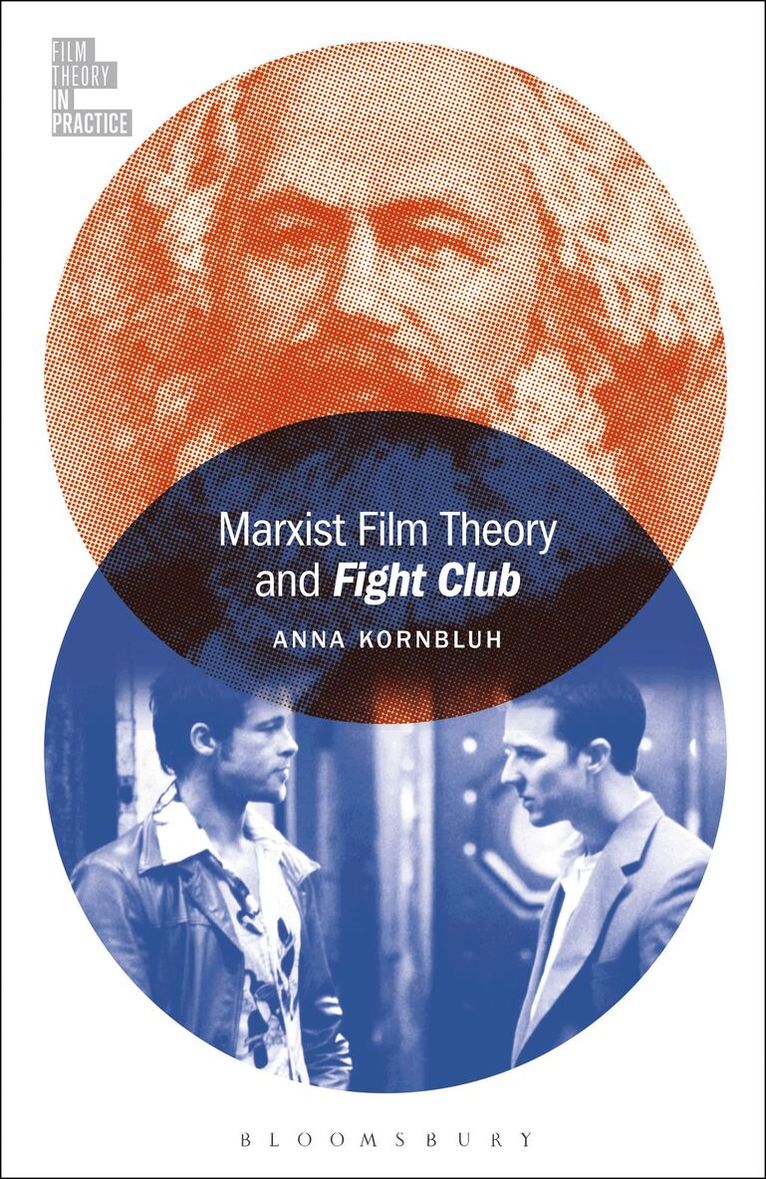
Anna Kornbluh provides an overview of Marxist approaches to film, with particular attention to three central concepts in Marxist theory in general that have special bearing on film: “the mode of production,” “ideology,” and “mediation.” In explaining how these concepts operate and how they have been used and misused in film studies, the volume employs a case study to exemplify the practice of Marxist film theory.Fight Club is an exceptionally useful text with which to explore these three concepts because it so vividly and pedagogically engages with economic relations, ideological distortion, and opportunities for transformation. At the same time, it is a very typical film in terms of the conditions of its production, its marketing, and its popularity. Adapted from a novel by Chuck Palahniuk, the film is a contemporary classic that has lent itself to significant re-interpretation with every shift in the political economic landscape since its debut.Marxist Film Theory and Fight Club models a detailed cinematic interpretation that students can practice with other films, and furnishes a set of ideas about cinema and society that can be carried into other kinds of study, giving students tools for analyzing culture broadly defined.
875 kr
Skickas inom 10-15 vardagar
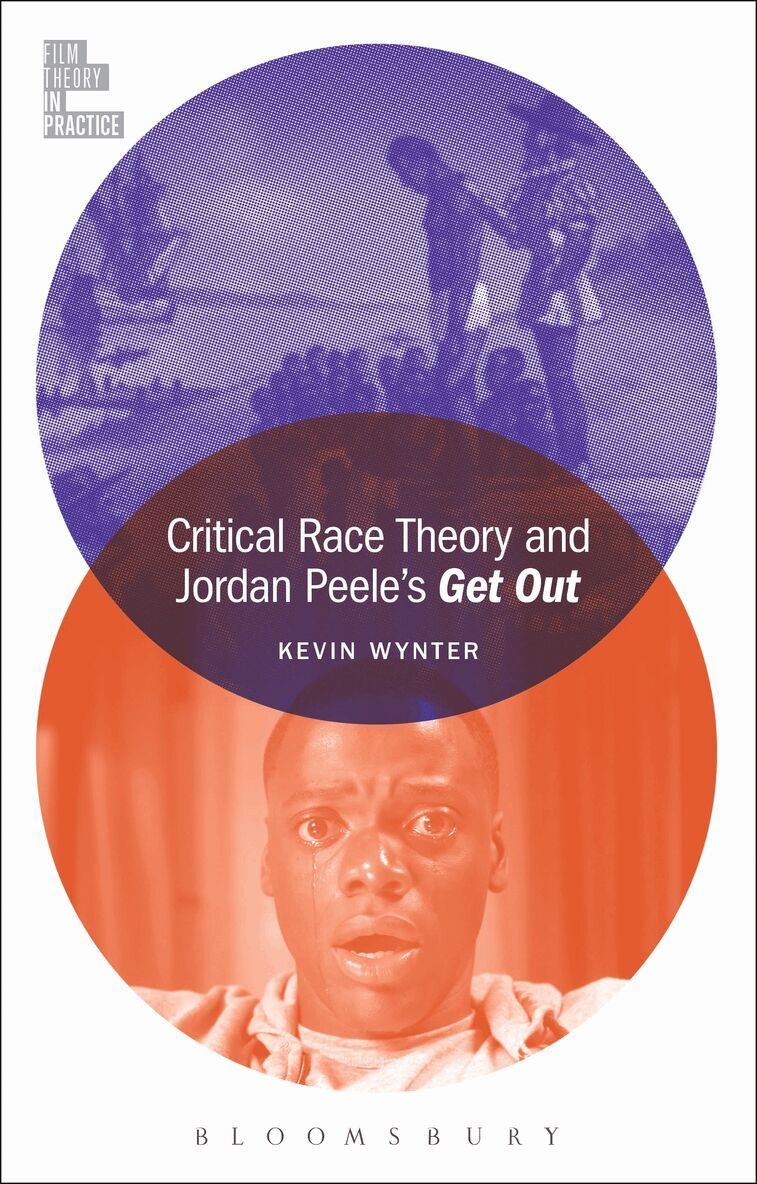
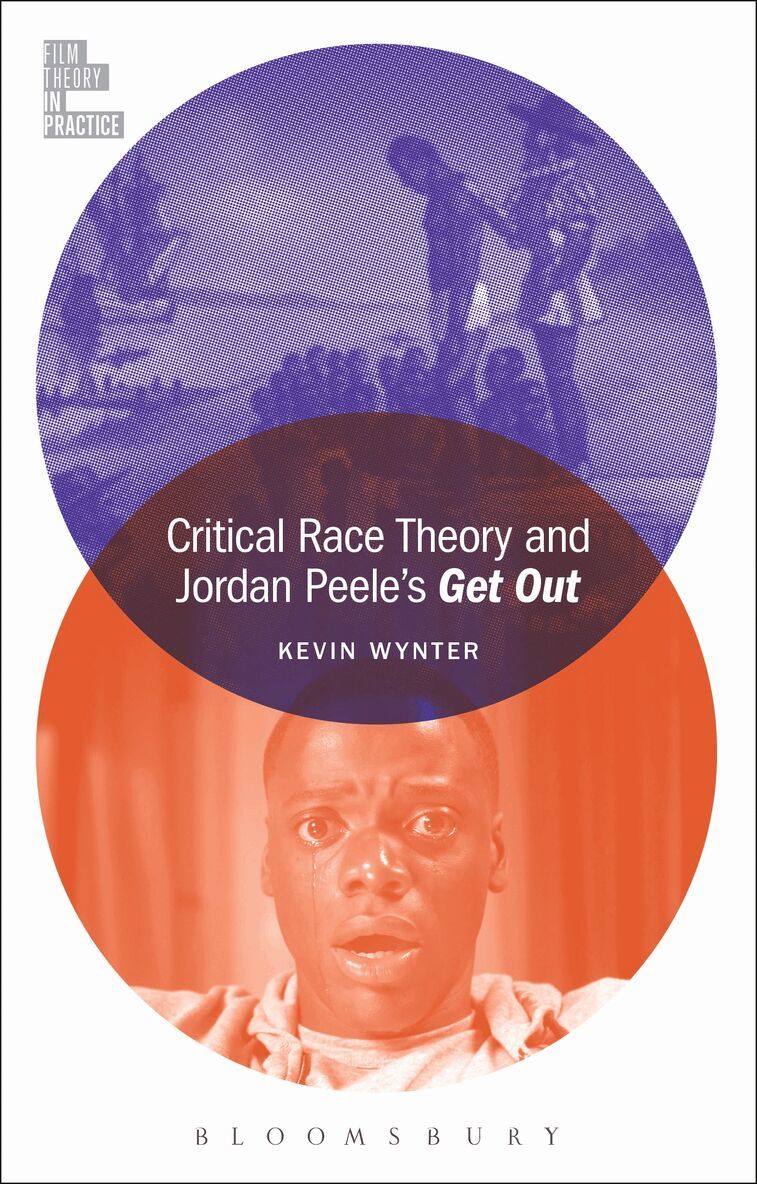
This book provides a concise introduction to critical race theory and shows how this theory can be used to interpret Jordan Peele's Get Out. It surveys recent developments in critical race studies and introduces key concepts that have helped shape the field such as Black masculinity, white privilege, the Black body, and miscegenation. The book's analysis of Get Out situates it within the context of the American horror film, illustrating how contemporary debates in critical race theory and approaches to the analysis of mainstream Hollywood cinema can illuminate each other. In this way, the book provides both an accessible reference guide to key terminology in critical race studies and film studies, while contributing new scholarship to both fields.
234 kr
Skickas inom 10-15 vardagar
This book provides a concise introduction to critical race theory and shows how this theory can be used to interpret Jordan Peele's Get Out. It surveys recent developments in critical race studies and introduces key concepts that have helped shape the field such as Black masculinity, white privilege, the Black body, and miscegenation. The book's analysis of Get Out situates it within the context of the American horror film, illustrating how contemporary debates in critical race theory and approaches to the analysis of mainstream Hollywood cinema can illuminate each other. In this way, the book provides both an accessible reference guide to key terminology in critical race studies and film studies, while contributing new scholarship to both fields.
196 kr
Skickas
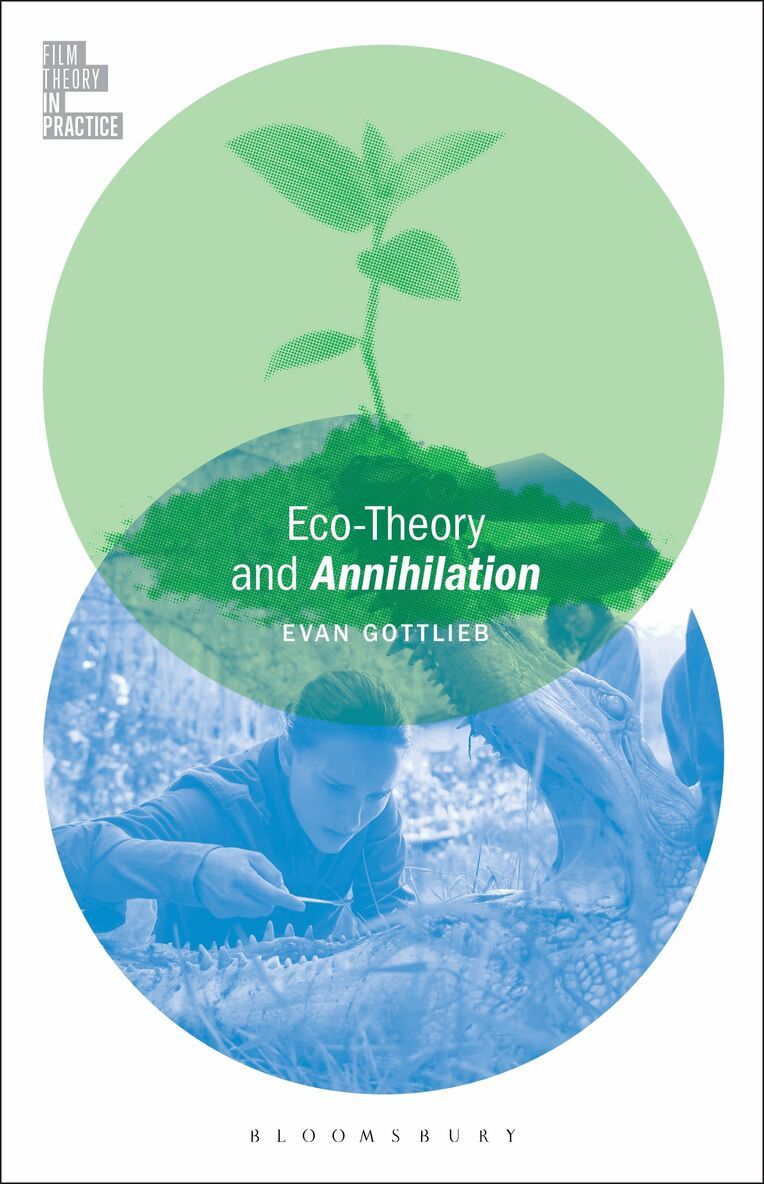
Eco-theory and Annihilation is part of the Film Theory in Practice series, which blends the explanation of a film theory with the interpretation of a film and provides discrete examples of how film theory can serve as the basis for textual analysis. This book offers a concise introduction to eco-theory in jargon-free language and shows how this theory can be deployed to interpret Alex Garland's controversial film adaptation of Jeff VanderMeer's hit novel Annihilation.Eco-theory is one of the most exciting and timely offshoots of contemporary critical theory, but it is too frequently treated as only a recent development. Covering historical developments in nature philosophy, geology, and organic chemistry, as well as contemporary critical methodologies like systems theory and new materialism, Eco-Theory and Annihilation introduces readers to the full extent of eco-theory’s lively variations, as well as investigates the complications that arise when those variations are mediated by the generic expectations of filmic science fiction. This book illuminates the deep history of eco-theory, maps its contemporary coordinates, and demonstrates how it can shed light on Garland’s provocative eco-sci-fi thriller.
234 kr
Skickas
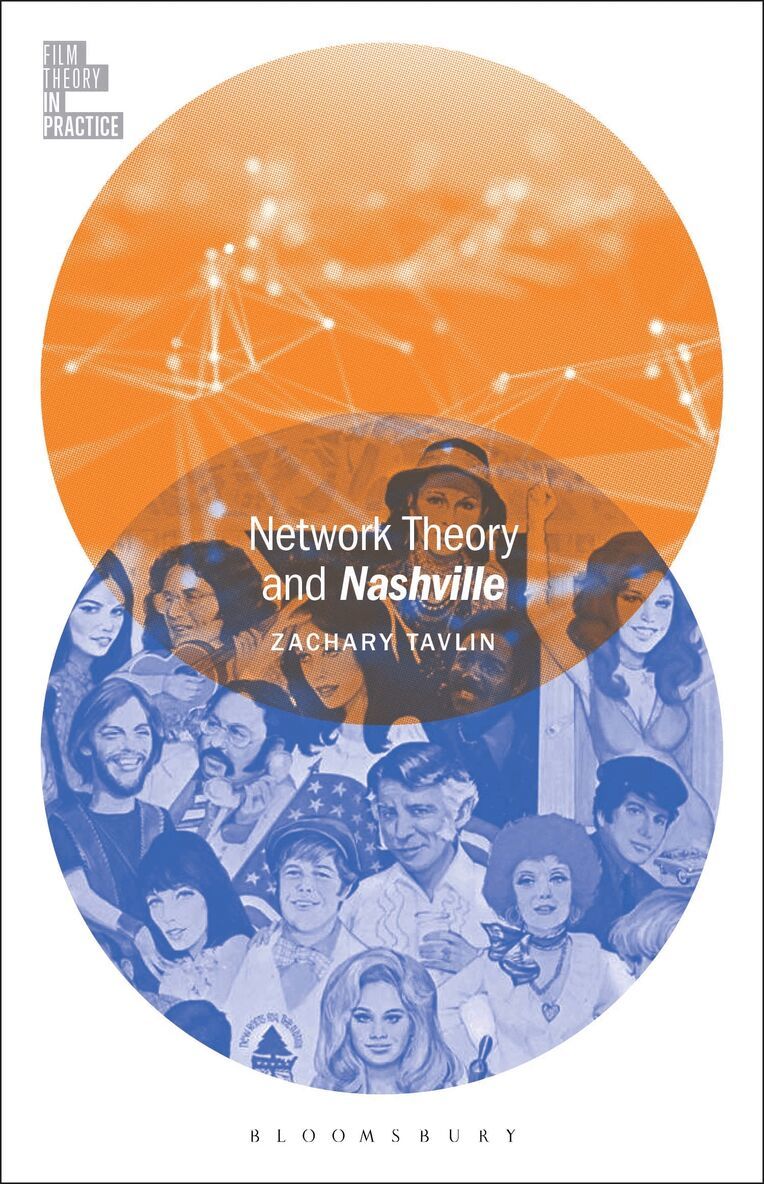
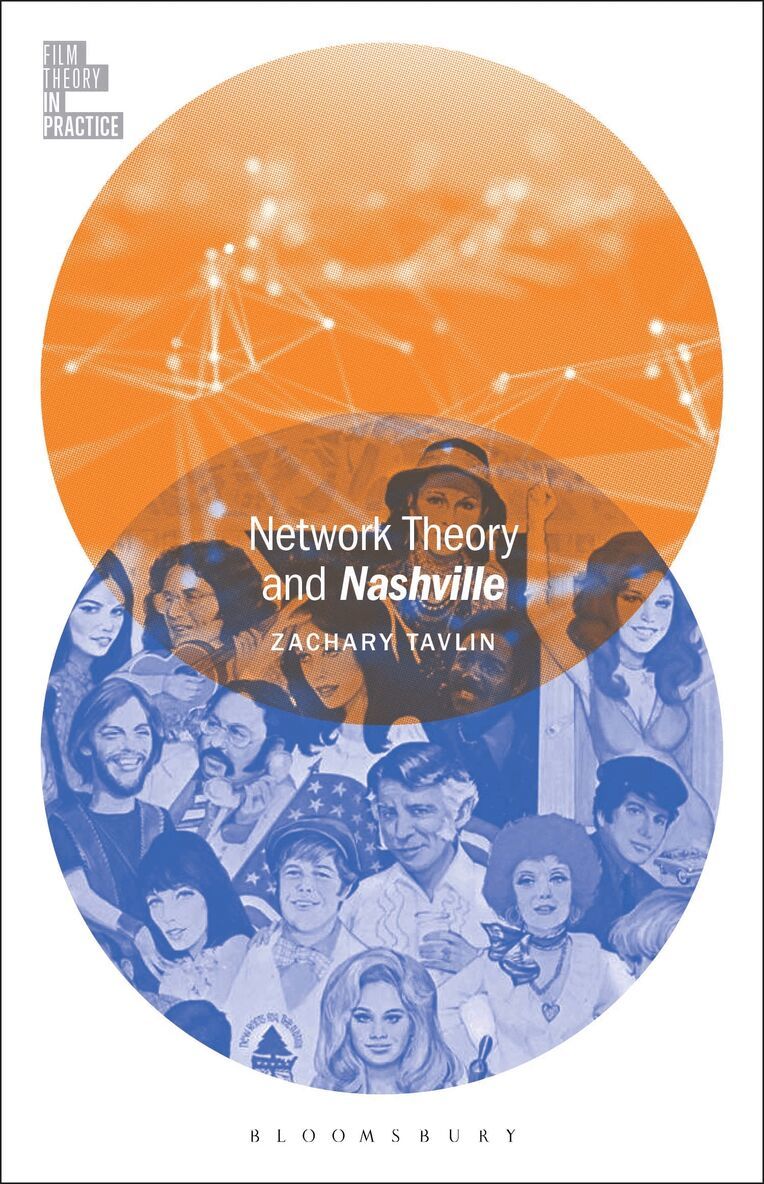
The Film Theory in Practice series fills a gaping hole in the world of film theory. By marrying the explanation of a film theory with the interpretation of a film, the volumes provide discrete examples of how film theory can serve as the basis for textual analysis. This book provides a broad introduction to network theory and shows how this theory can motivate a close reading of Robert Altman's 1975 film Nashville.By offering a tour of the expansive intellectual network we can now call network theory, the book demonstrates how analyzing the ubiquitous characteristics of networks changes the way film fans, students, and scholars might understand cinema’s storytelling possibilities. It models a method of interpretation (focusing on character, cinematography, and sound) that students can practice with other feature films. Moreover, it situates film within a larger discourse about art and society, offering students the tools for analyzing other large-form cultural objects.Organized into two parts, the first section of the book presents an overview of network theory, its various facets as a still-emerging discourse, and its historical context in post-industrial life, before turning to Altman’s Nashville. It then explores the film’s narrative style and character system as a special case of network cinema, to show how there is more than “connectedness” alone to the network form.
809 kr
Skickas inom 10-15 vardagar
The Film Theory in Practice series fills a gaping hole in the world of film theory. By marrying the explanation of a film theory with the interpretation of a film, the volumes provide discrete examples of how film theory can serve as the basis for textual analysis. This book provides a broad introduction to network theory and shows how this theory can motivate a close reading of Robert Altman's 1975 film Nashville.By offering a tour of the expansive intellectual network we can now call network theory, the book demonstrates how analyzing the ubiquitous characteristics of networks changes the way film fans, students, and scholars might understand cinema’s storytelling possibilities. It models a method of interpretation (focusing on character, cinematography, and sound) that students can practice with other feature films. Moreover, it situates film within a larger discourse about art and society, offering students the tools for analyzing other large-form cultural objects.Organized into two parts, the first section of the book presents an overview of network theory, its various facets as a still-emerging discourse, and its historical context in post-industrial life, before turning to Altman’s Nashville. It then explores the film’s narrative style and character system as a special case of network cinema, to show how there is more than “connectedness” alone to the network form.
283 kr
Kommande
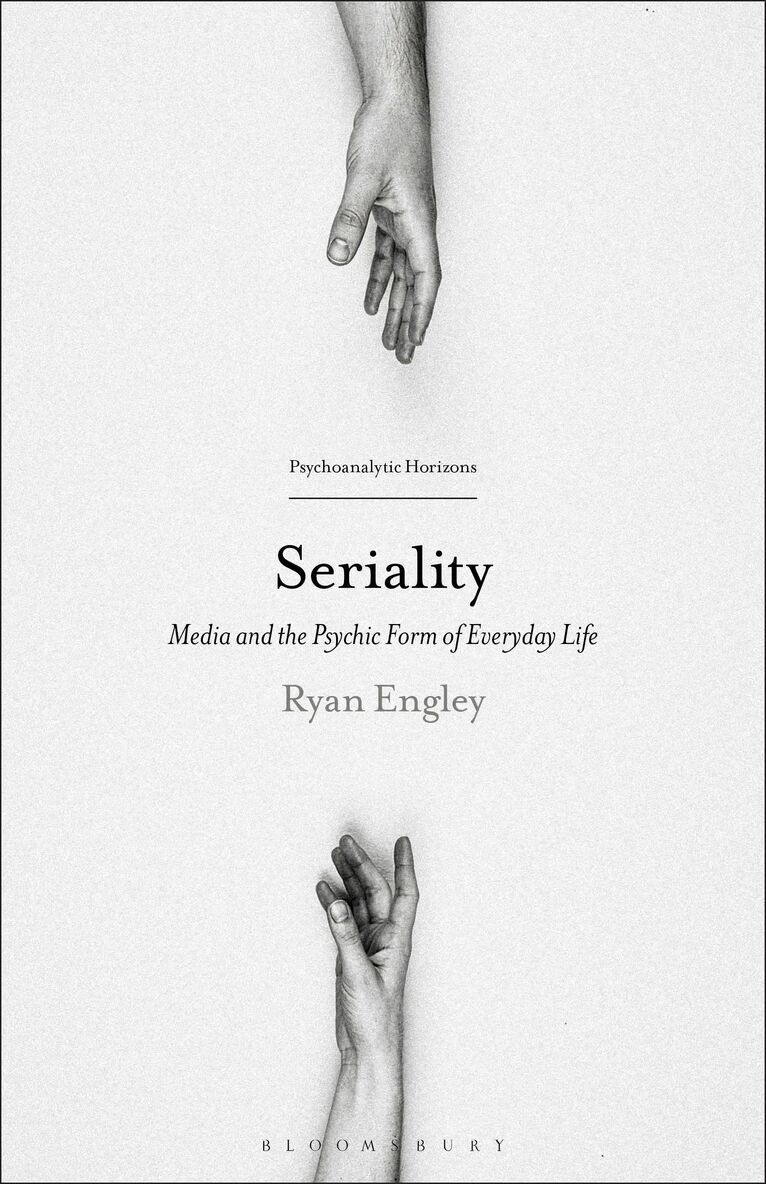
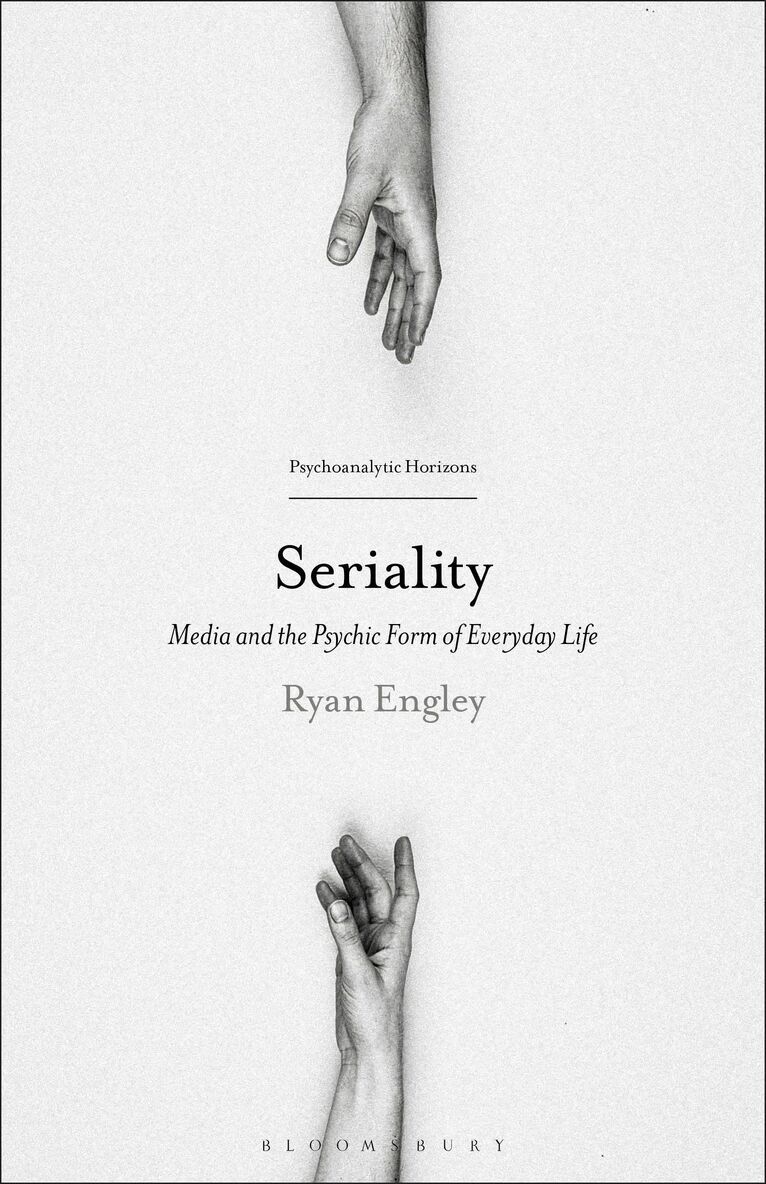
This material and theoretical history of seriality shows it to be the dominant form of culture since its inception within 19th-century print culture, as both a media structure and a psychic one.The serial is everywhere. Commonly identified by the segmented release structure of an ongoing narrative – from installments of Victorian novels to TV episodes to comic books – seriality names the spread of installment-based storytelling across a range of media. However, Ryan Engley argues that seriality is not only a narrative structure but also a psychic structure. Seriality – in its dependence on gaps, delay, and constraint – names the fundamental trauma of contemporary life: that there exists an intrinsic relation between self and other, a relation that is often difficult to see and difficult to bear.Through formal readings of media texts alongside Freudian and Lacanian psychoanalysis, the dialectical method of G.W.F. Hegel, and Jean-Paul Sartre’s existentialism, Seriality: Media and the Psychic Form of Everyday Life shifts the focus of seriality studies. In so doing, Engley presents a rebuttal to the common refrain that our lives, like contemporary media, have become endlessly fragmented. Rather, Engley finds, we have become radically – serially – connected.
898 kr
Kommande
This material and theoretical history of seriality shows it to be the dominant form of culture since its inception within 19th-century print culture, as both a media structure and a psychic one.The serial is everywhere. Commonly identified by the segmented release structure of an ongoing narrative – from installments of Victorian novels to TV episodes to comic books – seriality names the spread of installment-based storytelling across a range of media. However, Ryan Engley argues that seriality is not only a narrative structure but also a psychic structure. Seriality – in its dependence on gaps, delay, and constraint – names the fundamental trauma of contemporary life: that there exists an intrinsic relation between self and other, a relation that is often difficult to see and difficult to bear.Through formal readings of media texts alongside Freudian and Lacanian psychoanalysis, the dialectical method of G.W.F. Hegel, and Jean-Paul Sartre’s existentialism, Seriality: Media and the Psychic Form of Everyday Life shifts the focus of seriality studies. In so doing, Engley presents a rebuttal to the common refrain that our lives, like contemporary media, have become endlessly fragmented. Rather, Engley finds, we have become radically – serially – connected.