Zainab Saleh – författare
Visar alla böcker från författaren Zainab Saleh. Handla med fri frakt och snabb leverans.
7 produkter
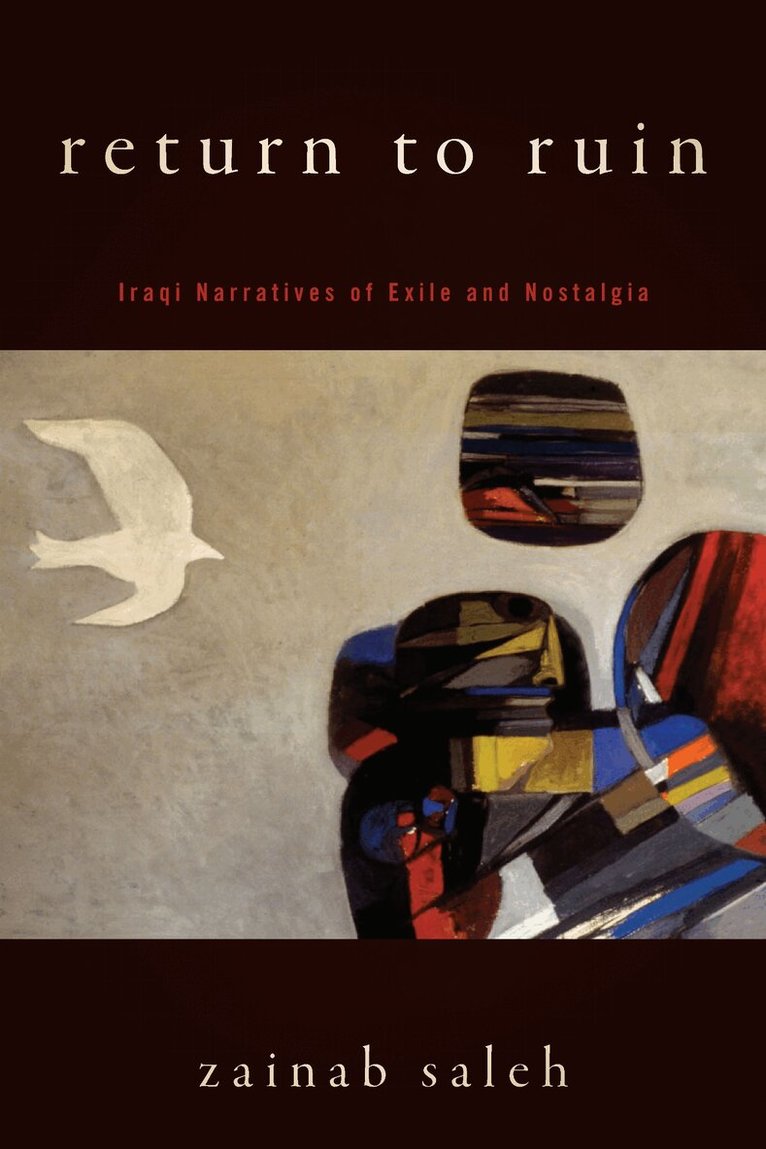
Return to Ruin
Iraqi Narratives of Exile and Nostalgia
Av Zainab Saleh
Häftad, 2020
319 kr
Lägg i varukorg
With the U.S. invasion of Iraq, Iraqis abroad, hoping to return one day to a better Iraq, became uncertain exiles. Return to Ruin tells the human story of this exile in the context of decades of U.S. imperial interests in Iraq—from the U.S. backing of the 1963 Ba'th coup and support of Saddam …
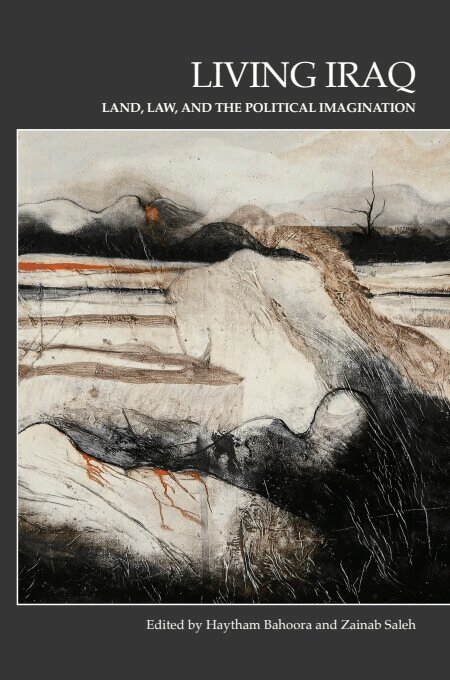
Living Iraq
Land, Law and the Political Imagination
Av Haytham Bahoora, Zainab Saleh
Inbunden, 2026
1455 kr
Kommande
Living Iraq brings together scholars of history, culture, literature, ecology, law and the social sciences to explore how Iraqis have experienced and navigated a century shaped by imperial domination, authoritarian rule and popular struggle. Focusing on post-2003 Iraq, yet tracing continuities …
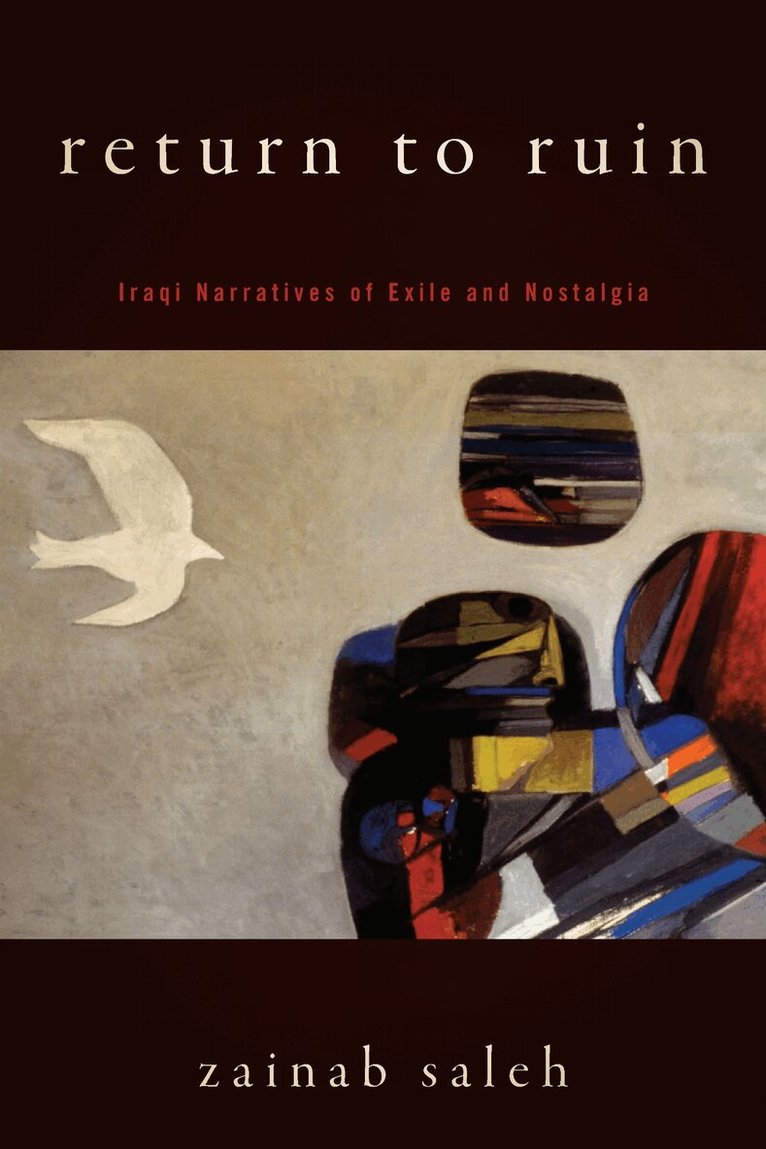
Return to Ruin
Iraqi Narratives of Exile and Nostalgia
Av Zainab Saleh
Inbunden, 2020
1314 kr
Lägg i varukorg
With the U.S. invasion of Iraq, Iraqis abroad, hoping to return one day to a better Iraq, became uncertain exiles. Return to Ruin tells the human story of this exile in the context of decades of U.S. imperial interests in Iraq—from the U.S. backing of the 1963 Ba'th coup and support of Saddam …
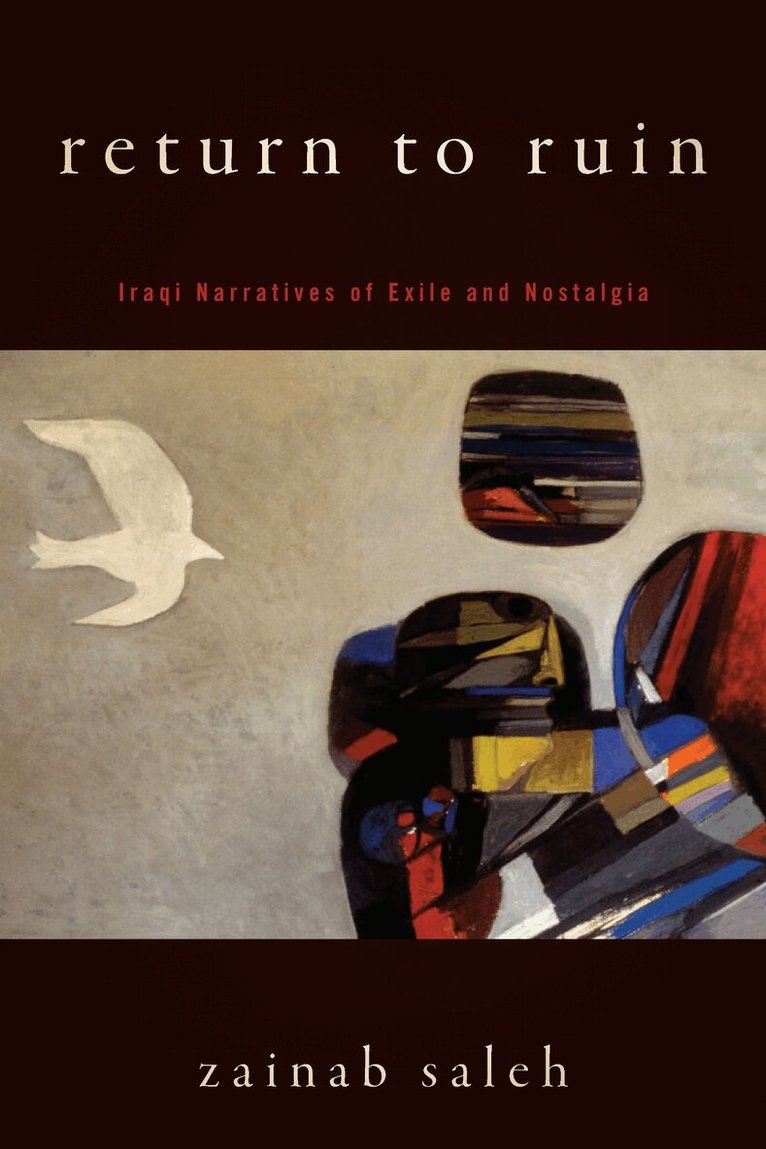
Return to Ruin
Iraqi Narratives of Exile and Nostalgia
Av Zainab Saleh
E-bok, 2020
303 kr
Lägg i varukorg
With the U.S. invasion of Iraq, Iraqis abroad, hoping to return one day to a better Iraq, became uncertain exiles. Return to Ruin tells the human story of this exile in the context of decades of U.S. imperial interests in Iraq—from the U.S. backing of the 1963 Ba'th coup and support of Saddam …
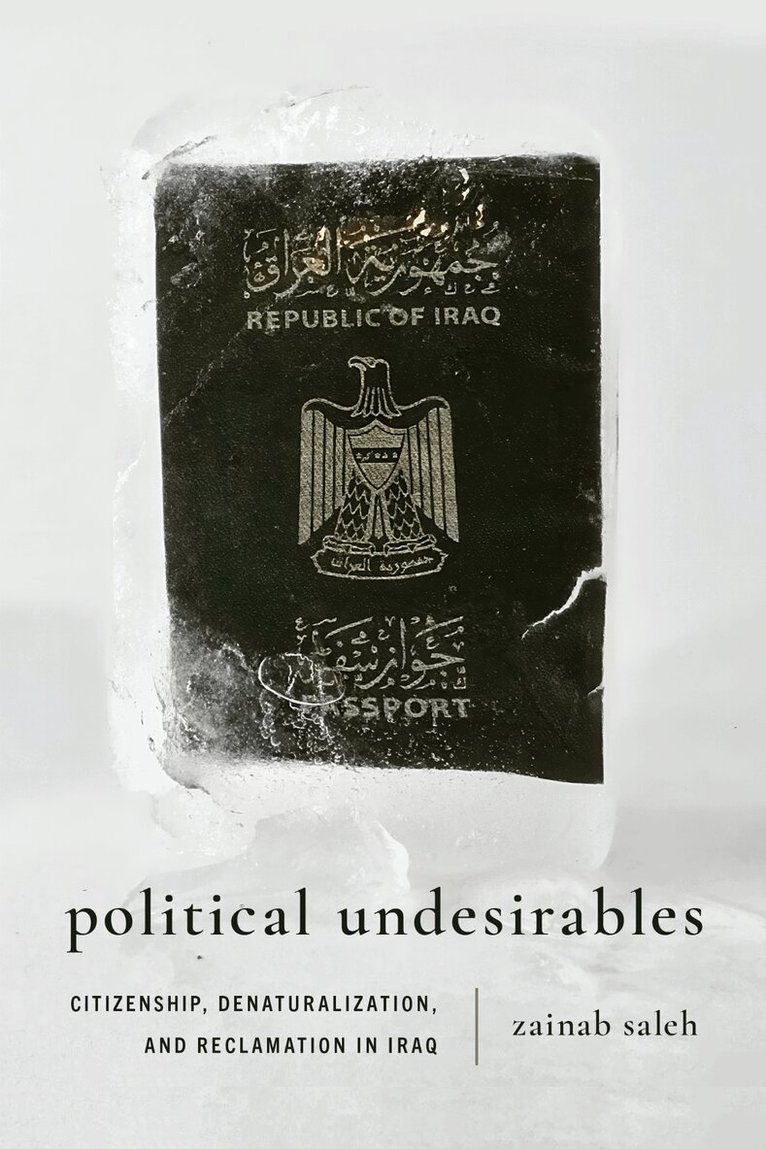
Political Undesirables
Citizenship, Denaturalization, and Reclamation in Iraq
Av Zainab Saleh
Inbunden, 2025
1275 kr
Lägg i varukorg
Political Undesirables considers the legal making and unmaking of citizenship in Iraq, focusing on the mass denaturalization and deportation of Iraqi Jews in 1950–51 and Iraqis of Iranian origin in the early 1980s. Since the formation of the modern state of Iraq under British rule in 1921, …
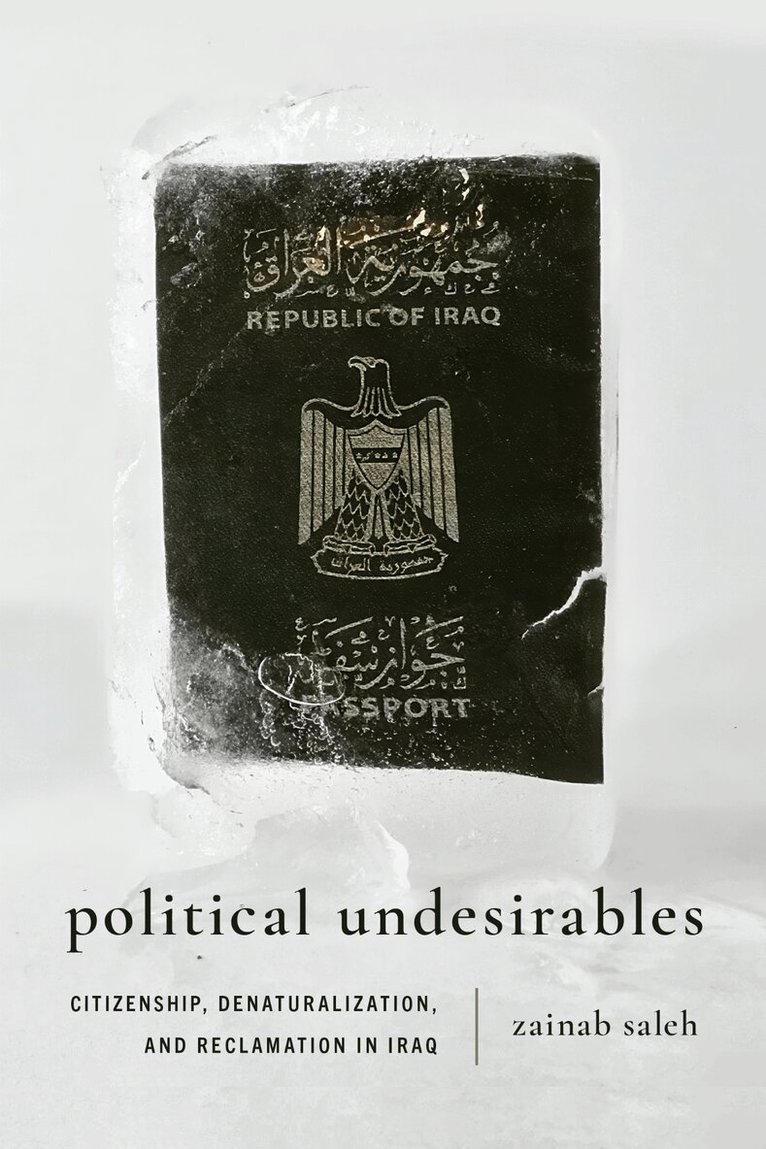
Political Undesirables
Citizenship, Denaturalization, and Reclamation in Iraq
Av Zainab Saleh
Häftad, 2025
310 kr
Lägg i varukorg
Political Undesirables considers the legal making and unmaking of citizenship in Iraq, focusing on the mass denaturalization and deportation of Iraqi Jews in 1950–51 and Iraqis of Iranian origin in the early 1980s. Since the formation of the modern state of Iraq under British rule in 1921, …
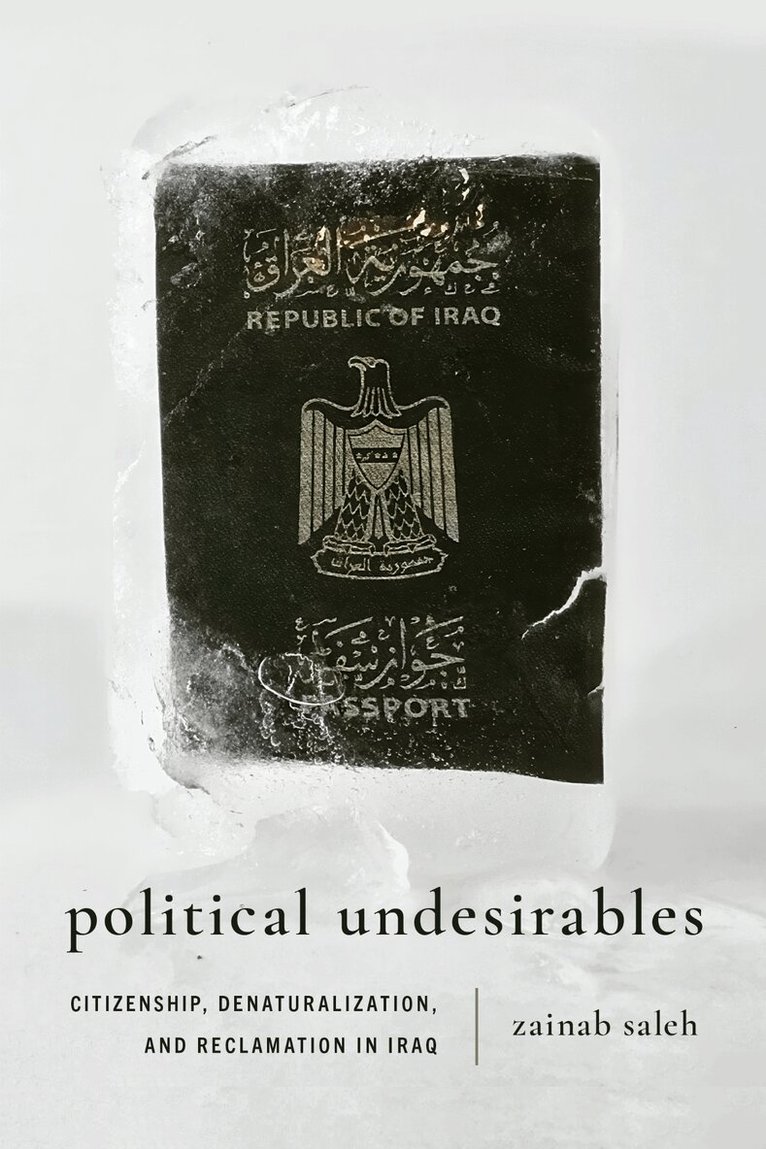
Political Undesirables
Citizenship, Denaturalization, and Reclamation in Iraq
Av Zainab Saleh
E-bok, 2025
375 kr
Lägg i varukorg
Political Undesirables considers the legal making and unmaking of citizenship in Iraq, focusing on the mass denaturalization and deportation of Iraqi Jews in 1950–51 and Iraqis of Iranian origin in the early 1980s. Since the formation of the modern state of Iraq under British rule in 1921, …