Zhonghua Guo - Böcker
Visar alla böcker från författaren Zhonghua Guo. Handla med fri frakt och snabb leverans.
7 produkter
7 produkter
617 kr
Skickas inom 10-15 vardagar
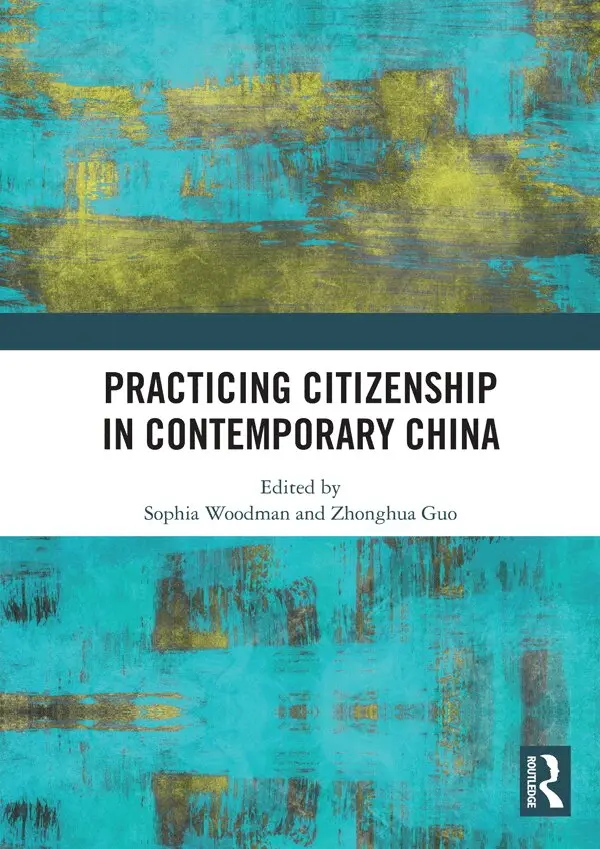
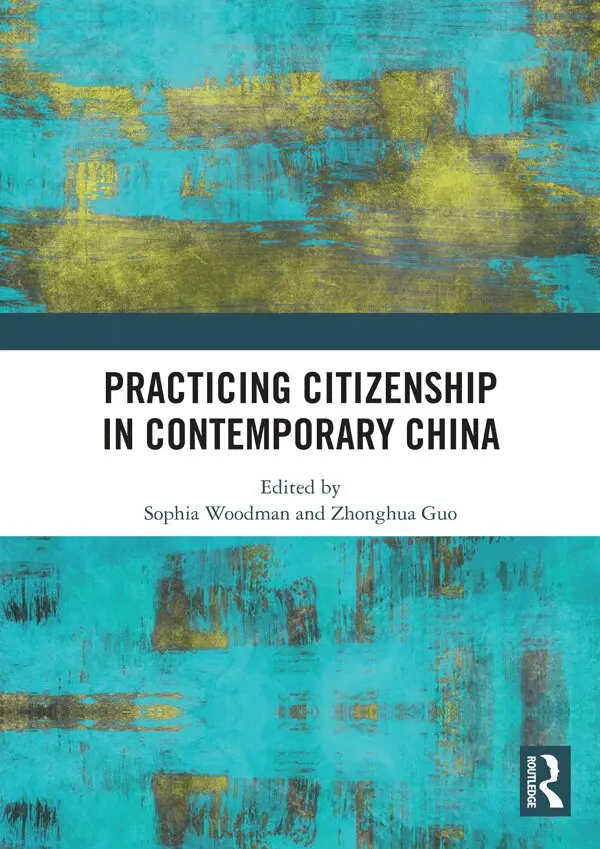
This book examines citizenship as practiced in China today from a variety of angles. Citizenship in China—and elsewhere in the Global South—has often been perceived as either a distorted echo of the ‘real’ democratic version in Europe and North America, or an orientalized ‘other’ that defines what citizenship is not. By contrast, this book sees Chinese citizenship as an aspect of a connected modernity that is still unfolding. The book focuses on three key tensions: a state preference for sedentarism and governing citizens in place vs. growing mobility, sometimes facilitated by the state; a perception that state-building and development requires a strong state vs. ideas and practices of participatory citizenship; and submission of the individual to the ‘collective’ (state, community, village, family, etc.) vs. the rising salience of conceptions of self-development and self-making projects. Examining manifestations of these tensions can contribute to thinking about citizenship beyond China, including the role of the local in forming citizenship orders; how individualization works in the absence of liberal individualism; and how ‘social citizenship’ is increasingly becoming a reward to ‘good citizens’, rather than a mechanism for achieving citizen equality. This book was originally published as a Special Issue of the journal Citizenship Studies.
3 796 kr
Skickas inom 10-15 vardagar
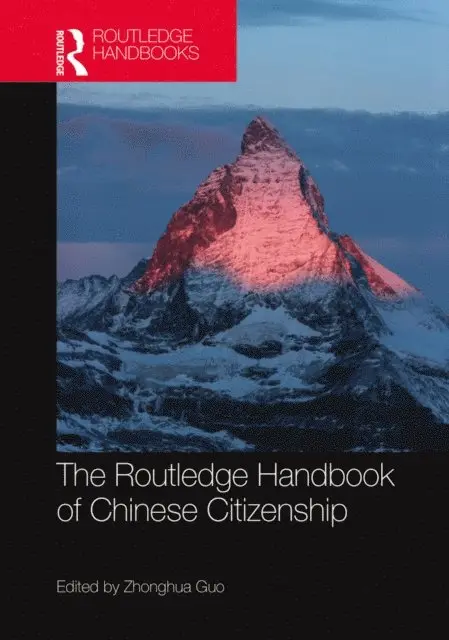
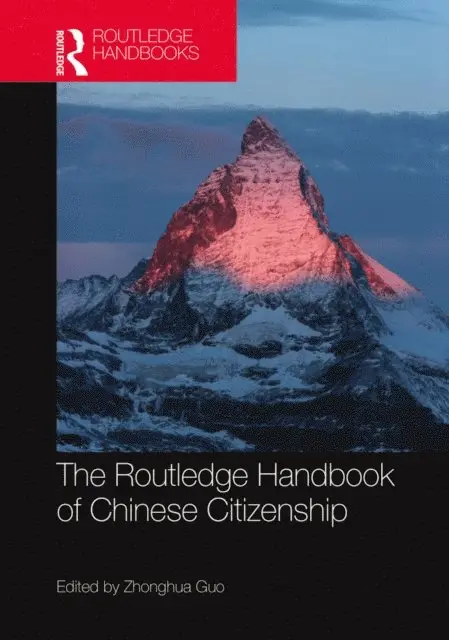
Two assumptions prevail in the study of Chinese citizenship: one holds that citizenship is unique to the Western political culture, and China has historically lacked the necessary conditions for its development; the other implies that China is an authoritarian regime that has always been subject to autocratic power, in which citizens and citizenship play a limited role. This volume negates both assumptions. On the one hand, it shows that China has its own unique and rich experiences of the emergence, development, rights, obligations, acts, culture, education, and sites of citizenship, indicating the need to widen the scope of citizenship studies to include non-Western societies. On the other hand, it aims to show that citizenship has been a core issue running through China's political development since the modern period, urging scholars to bring ‘citizenship’ into consideration in the study of Chinese politics. This Handbook sets a new agenda for citizenship studies and Chinese politics. Its clear, accessible style makes it essential reading for students and scholars interested in citizenship and China studies.
644 kr
Skickas inom 10-15 vardagar
Two assumptions prevail in the study of Chinese citizenship: one holds that citizenship is unique to the Western political culture, and China has historically lacked the necessary conditions for its development; the other implies that China is an authoritarian regime that has always been subject to autocratic power, in which citizens and citizenship play a limited role. This volume negates both assumptions. On the one hand, it shows that China has its own unique and rich experiences of the emergence, development, rights, obligations, acts, culture, education, and sites of citizenship, indicating the need to widen the scope of citizenship studies to include non-Western societies. On the other hand, it aims to show that citizenship has been a core issue running through China's political development since the modern period, urging scholars to bring ‘citizenship’ into consideration in the study of Chinese politics. This Handbook sets a new agenda for citizenship studies and Chinese politics. Its clear, accessible style makes it essential reading for students and scholars interested in citizenship and China studies.
2 150 kr
Skickas inom 10-15 vardagar
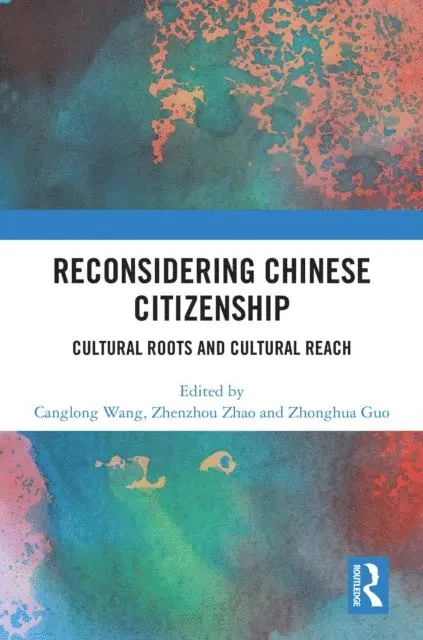
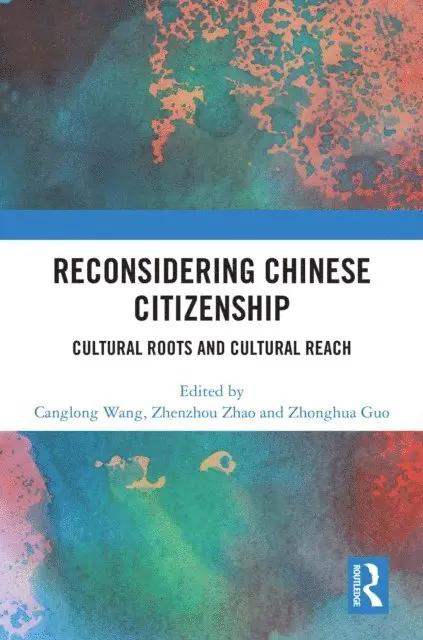
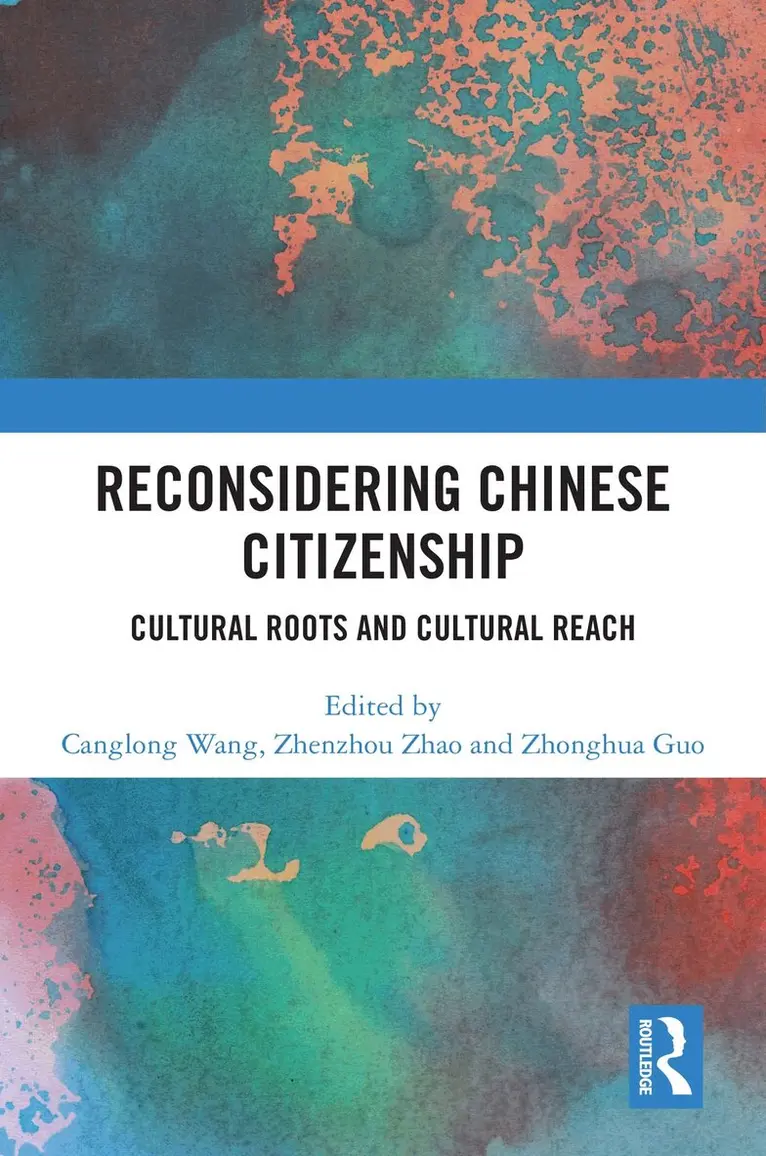
This book reconsiders the concept of Chinese citizenship through the lens of cultural traditions and their deep historical roots. It challenges the state’s monolithic interpretation of culture, exploring how cultural practices influence citizenship in modern China.The contributors to this volume examine how various actors, from government forces to grassroots activists, engage in culture-informed citizenship practices. They highlight the role of political ideology, spirituality, Confucianism, and minority religious traditions in shaping citizenship discourse. By broadening the understanding of Chinese citizenship beyond its Western-centric frameworks, this book delves into issues of socioeconomic injustice, cultural recognition, and the negotiation of civic rights. Readers are offered new perspectives on how China’s unique cultural heritage intertwines with its political structures, providing a nuanced understanding of citizenship in rapidly changing societies. This thought-provoking analysis will engage anyone interested in Chinese politics, culture, and the development of citizenship in a global context.The chapters in this book were originally published as a special issue of Citizenship Studies.
2 088 kr
Skickas inom 10-15 vardagar
This book examines citizenship as practiced in China today from a variety of angles. Citizenship in China—and elsewhere in the Global South—has often been perceived as either a distorted echo of the ‘real’ democratic version in Europe and North America, or an orientalized ‘other’ that defines what citizenship is not. By contrast, this book sees Chinese citizenship as an aspect of a connected modernity that is still unfolding. The book focuses on three key tensions: a state preference for sedentarism and governing citizens in place vs. growing mobility, sometimes facilitated by the state; a perception that state-building and development requires a strong state vs. ideas and practices of participatory citizenship; and submission of the individual to the ‘collective’ (state, community, village, family, etc.) vs. the rising salience of conceptions of self-development and self-making projects. Examining manifestations of these tensions can contribute to thinking about citizenship beyond China, including the role of the local in forming citizenship orders; how individualization works in the absence of liberal individualism; and how ‘social citizenship’ is increasingly becoming a reward to ‘good citizens’, rather than a mechanism for achieving citizen equality. This book was originally published as a Special Issue of the journal Citizenship Studies.
1 435 kr
Skickas inom 10-15 vardagar
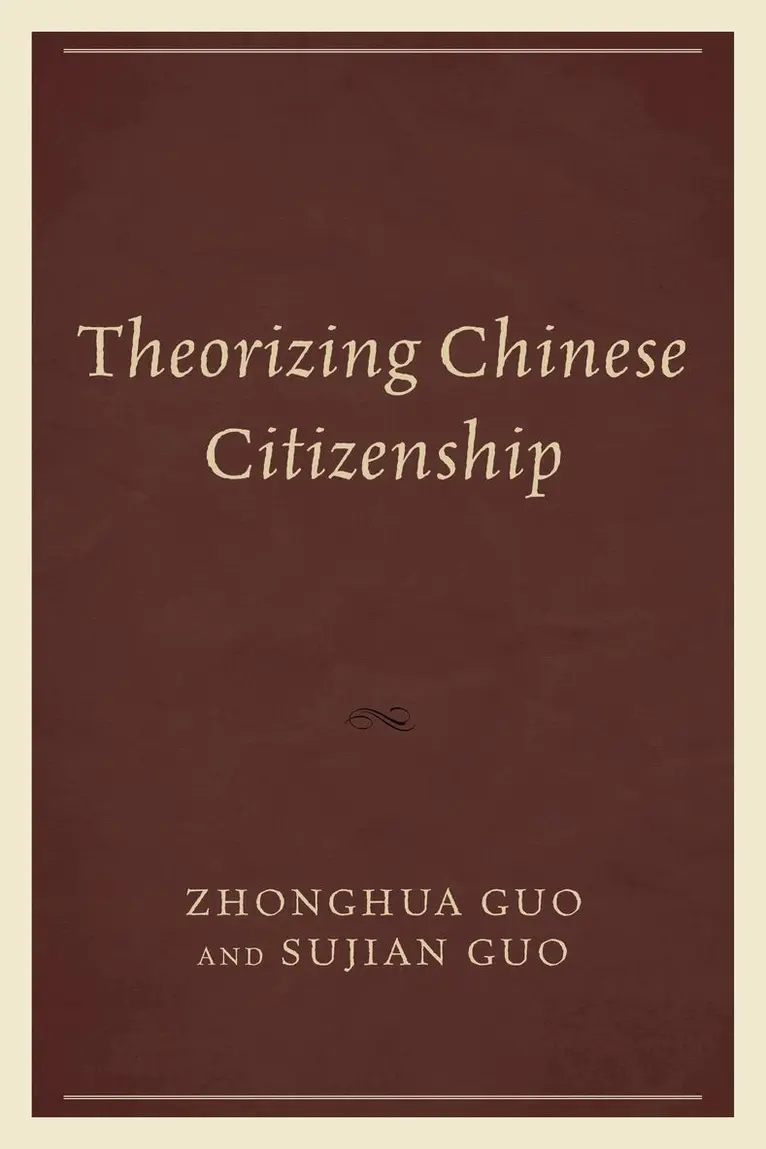
This volume theorizes the concept of citizenship in contemporary China by probing into the formation of Chinese citizenship and synthesizing the practices of citizenship by different social groups. The first section, “Imagining Chinese Citizenship,” analyses how Chinese citizenship was first imagined by means of translation and education at the beginning of the twentieth century. The Chinese citizenship was then compared with the concept of Western citizenship and that of other Asian countries. The second section, “Citizenship of Chinese Migrant Workers,” explains the citizenship status of migrant workers by discussing the relationship between household registration (hukou) system and citizenship of the migrant workers, showing how migrant workers contest their citizenship rights and categorizing the resistance of migrant workers from the perspective of citizenship. Finally, the last section, “Chinese Citizenship Education,” discusses the conditions and challenges of citizenship education in Chinese schools.
268 kr
Skickas inom 3-6 vardagar