Sophia Woodman - Böcker
Visar alla böcker från författaren Sophia Woodman. Handla med fri frakt och snabb leverans.
4 produkter
4 produkter
616 kr
Skickas inom 10-15 vardagar
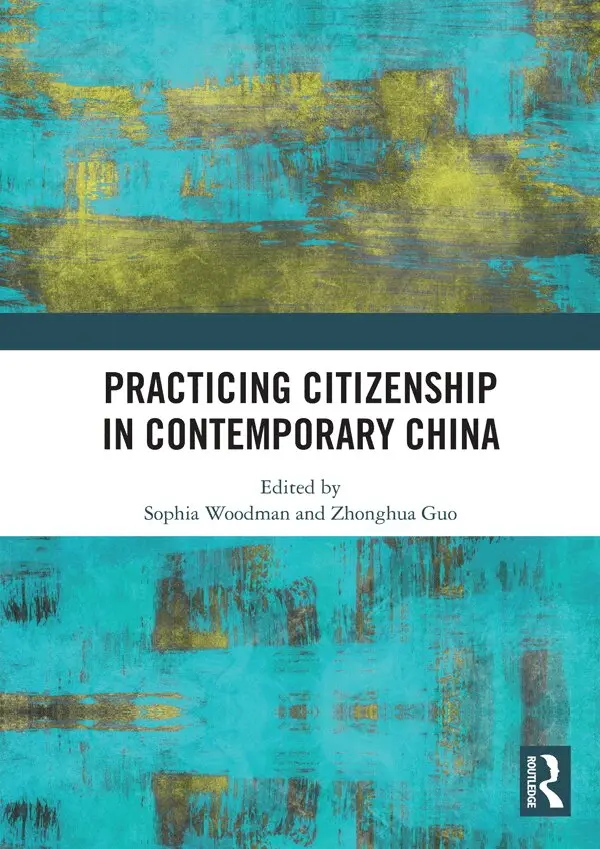
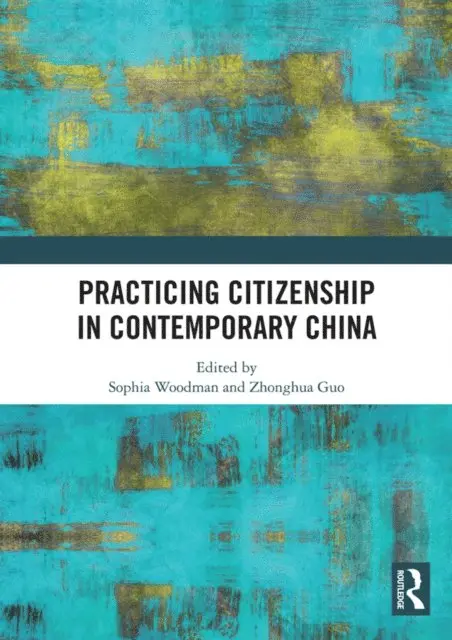
This book examines citizenship as practiced in China today from a variety of angles. Citizenship in China—and elsewhere in the Global South—has often been perceived as either a distorted echo of the ‘real’ democratic version in Europe and North America, or an orientalized ‘other’ that defines what citizenship is not. By contrast, this book sees Chinese citizenship as an aspect of a connected modernity that is still unfolding. The book focuses on three key tensions: a state preference for sedentarism and governing citizens in place vs. growing mobility, sometimes facilitated by the state; a perception that state-building and development requires a strong state vs. ideas and practices of participatory citizenship; and submission of the individual to the ‘collective’ (state, community, village, family, etc.) vs. the rising salience of conceptions of self-development and self-making projects. Examining manifestations of these tensions can contribute to thinking about citizenship beyond China, including the role of the local in forming citizenship orders; how individualization works in the absence of liberal individualism; and how ‘social citizenship’ is increasingly becoming a reward to ‘good citizens’, rather than a mechanism for achieving citizen equality. This book was originally published as a Special Issue of the journal Citizenship Studies.
1 060 kr
Skickas inom 7-10 vardagar
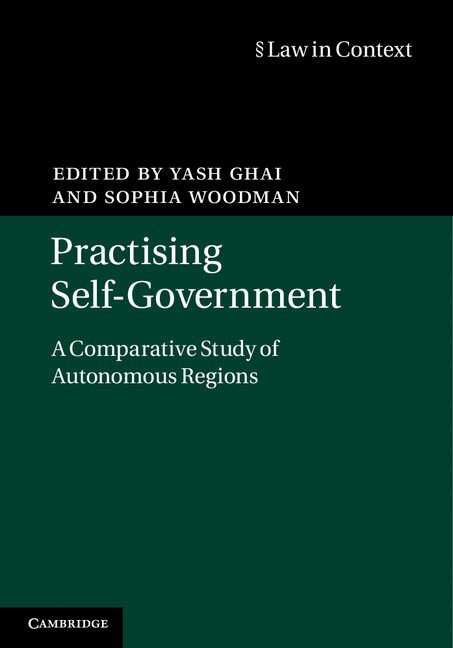
Autonomy provides a framework that allows for regions within countries to exercise self-government beyond the extent available to other sub-state units. This book presents detailed case studies of thirteen such autonomies from around the world, in which noted experts on each outline the constitutional, legal and institutional frameworks as well as how these arrangements have worked in practice to protect minority rights and prevent secession of the territories in question. The volume's editors draw on the case studies to provide a comparative analysis of how autonomy works and the political and institutional conditions under which it is likely to become a workable arrangement for management of the differences that brought it into being.
2 103 kr
Skickas inom 10-15 vardagar
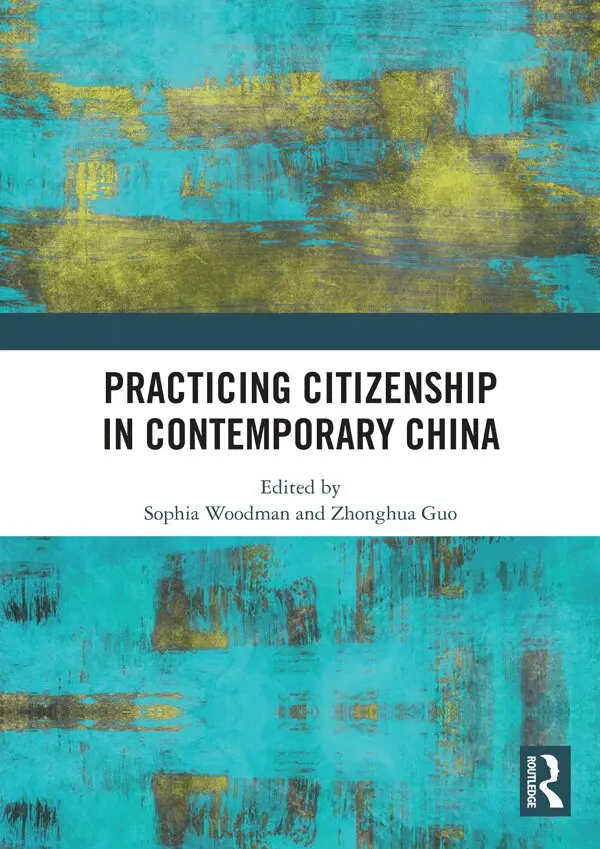
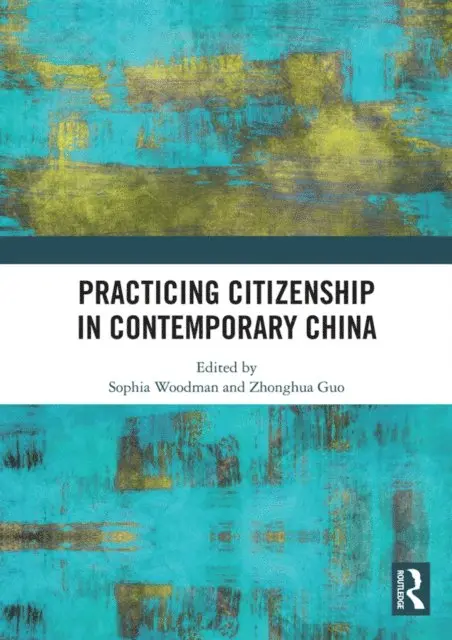
This book examines citizenship as practiced in China today from a variety of angles. Citizenship in China—and elsewhere in the Global South—has often been perceived as either a distorted echo of the ‘real’ democratic version in Europe and North America, or an orientalized ‘other’ that defines what citizenship is not. By contrast, this book sees Chinese citizenship as an aspect of a connected modernity that is still unfolding. The book focuses on three key tensions: a state preference for sedentarism and governing citizens in place vs. growing mobility, sometimes facilitated by the state; a perception that state-building and development requires a strong state vs. ideas and practices of participatory citizenship; and submission of the individual to the ‘collective’ (state, community, village, family, etc.) vs. the rising salience of conceptions of self-development and self-making projects. Examining manifestations of these tensions can contribute to thinking about citizenship beyond China, including the role of the local in forming citizenship orders; how individualization works in the absence of liberal individualism; and how ‘social citizenship’ is increasingly becoming a reward to ‘good citizens’, rather than a mechanism for achieving citizen equality. This book was originally published as a Special Issue of the journal Citizenship Studies.
540 kr
Skickas inom 7-10 vardagar
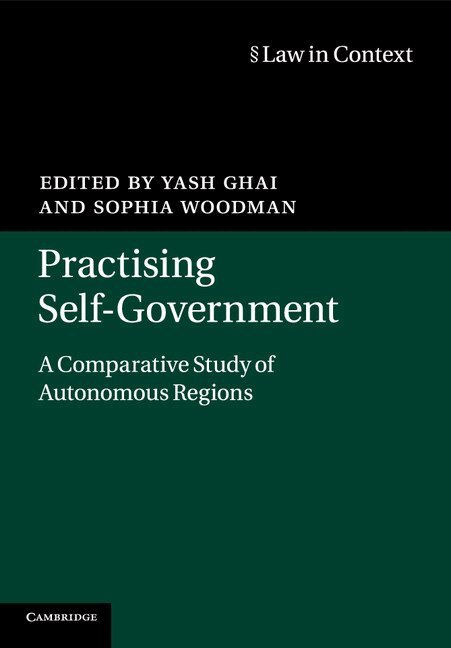
Autonomy provides a framework that allows for regions within countries to exercise self-government beyond the extent available to other sub-state units. This book presents detailed case studies of thirteen such autonomies from around the world, in which noted experts on each outline the constitutional, legal and institutional frameworks as well as how these arrangements have worked in practice to protect minority rights and prevent secession of the territories in question. The volume's editors draw on the case studies to provide a comparative analysis of how autonomy works and the political and institutional conditions under which it is likely to become a workable arrangement for management of the differences that brought it into being.