Zvi Gitelman – författare
Visar alla böcker från författaren Zvi Gitelman. Handla med fri frakt och snabb leverans.
20 produkter
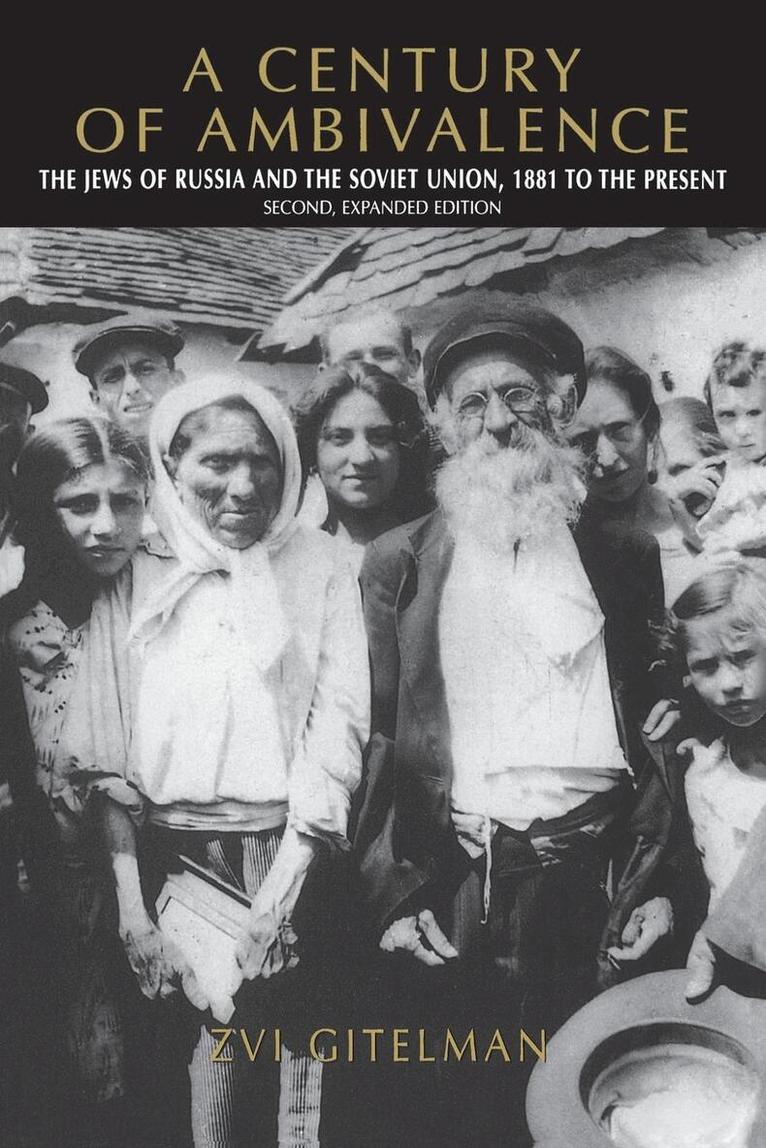
Century of Ambivalence, Second Expanded Edition
The Jews of Russia and the Soviet Union, 1881 to the Present
Av Zvi Gitelman
Häftad, 2001
275 kr
Lägg i varukorg
Now back in print in a new edition!A Century of AmbivalenceThe Jews of Russia and the Soviet Union, 1881 to the PresentSecond, Expanded EditionZvi GitelmanA richly illustrated survey of the Jewish historical experience in the Russian Empire, the Soviet Union, and the post-Soviet era."Anyone with …
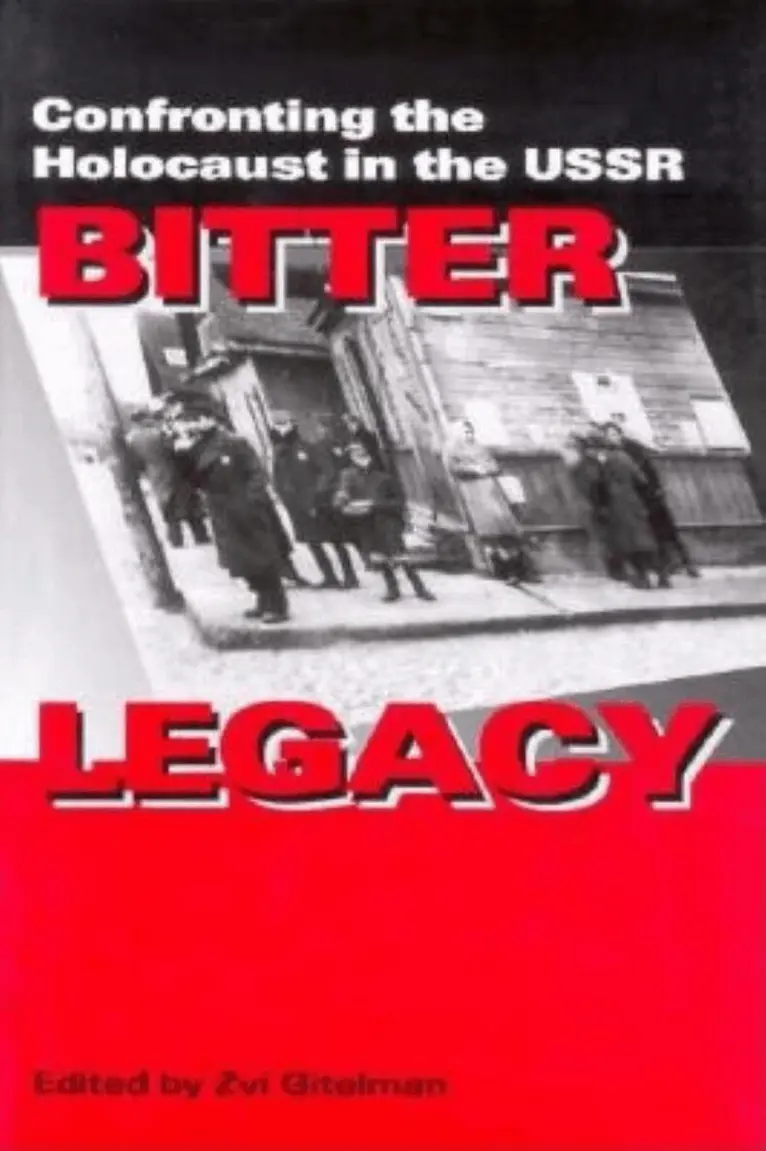
Bitter Legacy
Confronting the Holocaust in the USSR
Av Zvi Gitelman
Inbunden, 1997
457 kr
Lägg i varukorg
" . . . a chronicle of man's bestiality to man, and therefore the few exceptional instances of courage and humanity shine forth with particular brightness." —The Russian Review"Essential reading for any holocaust course." —Religious Studies ReviewBitter Legacy collects scholarship from America, …
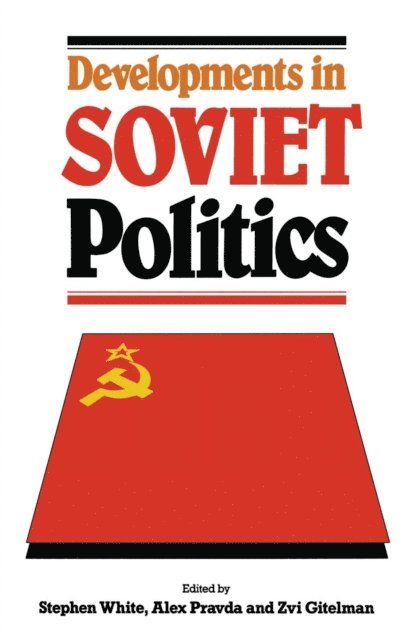
Developments in Soviet Politics
Av Stephen White, Alex Pravda m. fl.
Häftad, 1990
443 kr
Lägg i varukorg
Written by a team of leading scholars, this book meets the need for an up-to-date account on the political system and policy progress which is amerging and an analysis of the future prospects of the "Gorbachev revolution".
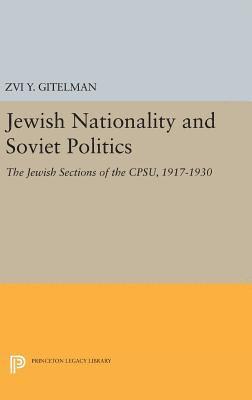
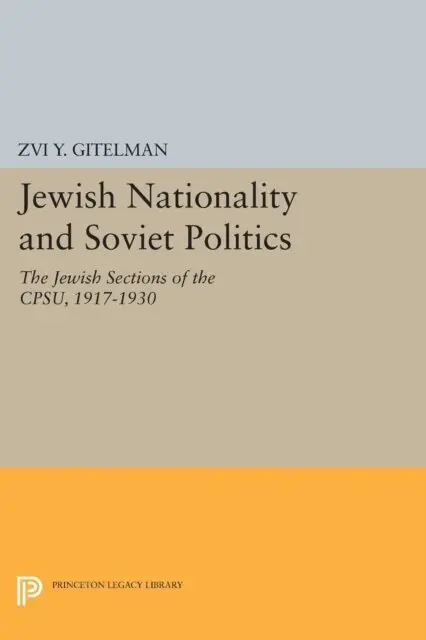
Jewish Nationality and Soviet Politics
The Jewish Sections of the CPSU, 1917-1930
Av Zvi Gitelman
Häftad, 2015
986 kr
Lägg i varukorg
In order to "Bolshevize" the Jewish population, the Soviets created within the Party a number of special Jewish Sections. Charged with the task of integrating the largely hostile or indifferent Jews into the new state the Sections' programs are, in effect, a case study of the modernization and …
Jewish Nationality and Soviet Politics
The Jewish Sections of the CPSU, 1917-1930
Av Zvi Gitelman
Inbunden, 2016
4045 kr
Lägg i varukorg
In order to "Bolshevize" the Jewish population, the Soviets created within the Party a number of special Jewish Sections. Charged with the task of integrating the largely hostile or indifferent Jews into the new state the Sections' programs are, in effect, a case study of the modernization and …
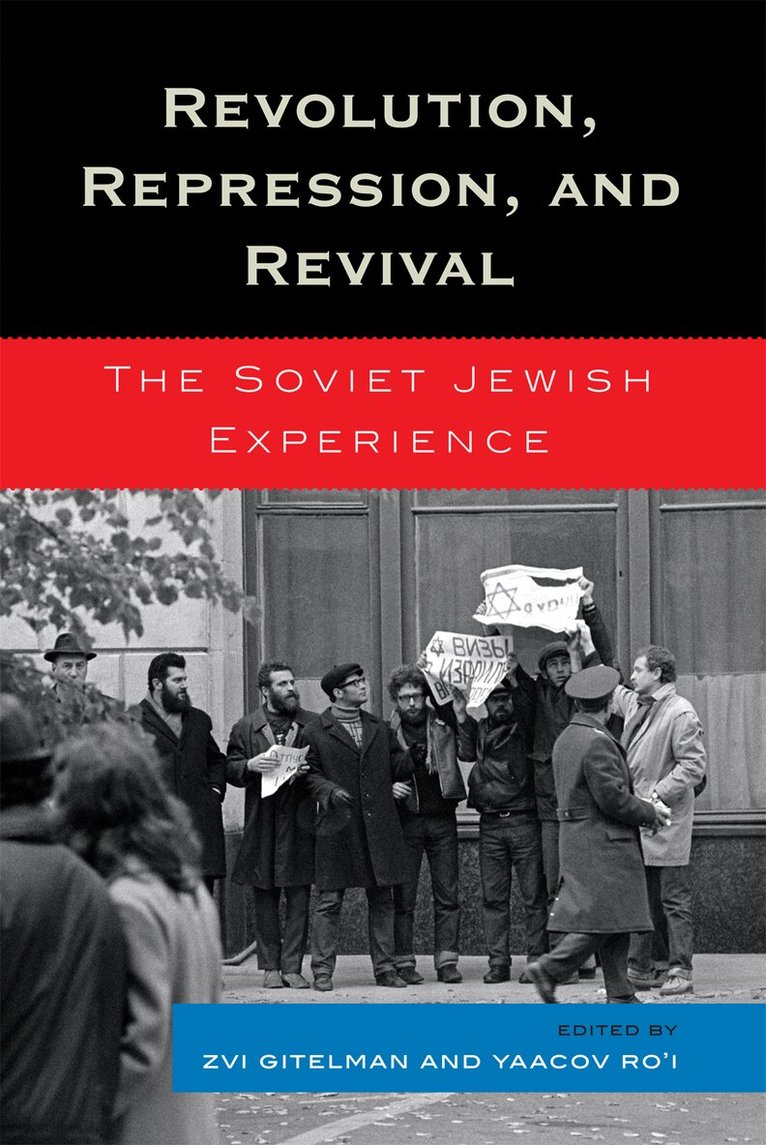
Revolution, Repression, and Revival
The Soviet Jewish Experience
Inbunden, 2007
1610 kr
Lägg i varukorg
In less than a century, Jews in Russia have survived two world wars, revolution, political and economic turmoil, and persecution by both Nazis and Soviets. Yet they have managed not only to survive, but also transform themselves and emerge as a highly creative, educated entity that has transplanted …
Religion or Ethnicity?
Jewish Identities in Evolution
Av Zvi Gitelman
Inbunden, 2009
1462 kr
Lägg i varukorg
Can someone be considered Jewish if he or she never goes to synagogue, doesn't keep kosher, and for whom the only connection to his or her ancestral past is attending an annual Passover seder?In Religion or Ethnicity? fifteen leading scholars trace the evolution of Jewish identity. The book …
Religion or Ethnicity?
Jewish Identities in Evolution
Av Zvi Gitelman
Häftad, 2009
389 kr
Lägg i varukorg
Can someone be considered Jewish if he or she never goes to synagogue, doesn't keep kosher, and for whom the only connection to his or her ancestral past is attending an annual Passover seder?In Religion or Ethnicity? fifteen leading scholars trace the evolution of Jewish identity. The book …
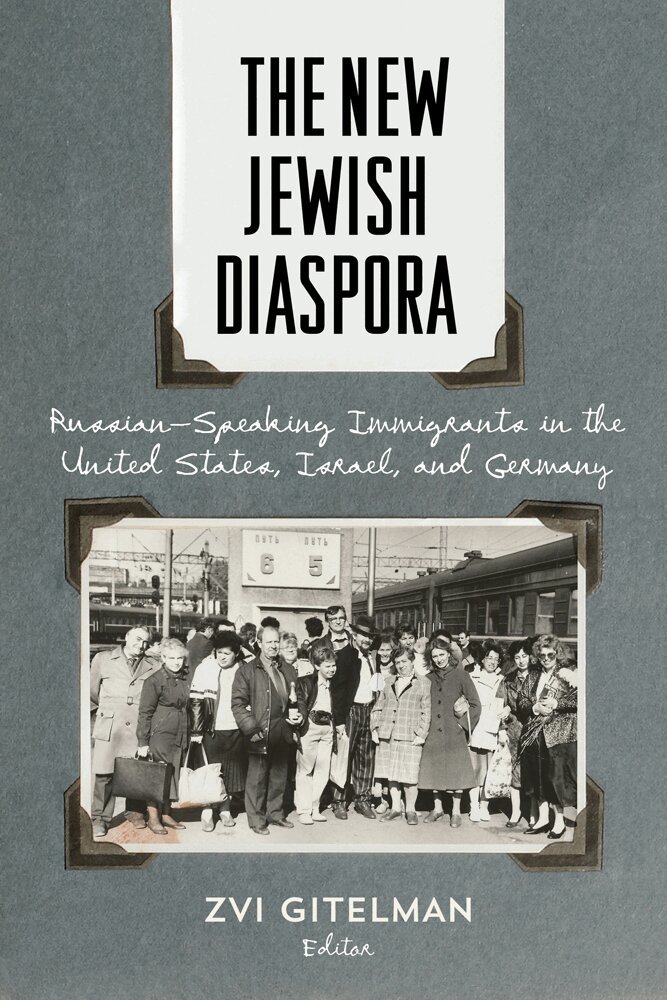
New Jewish Diaspora
Russian-Speaking Immigrants in the United States, Israel, and Germany
Av Zvi Gitelman
Häftad, 2016
438 kr
Lägg i varukorg
In 1900 over five million Jews lived in the Russian empire; today, there are four times as many Russian-speaking Jews residing outside the former Soviet Union than there are in that region. The New Jewish Diaspora is the first English-language study of the Russian-speaking Jewish diaspora. This …
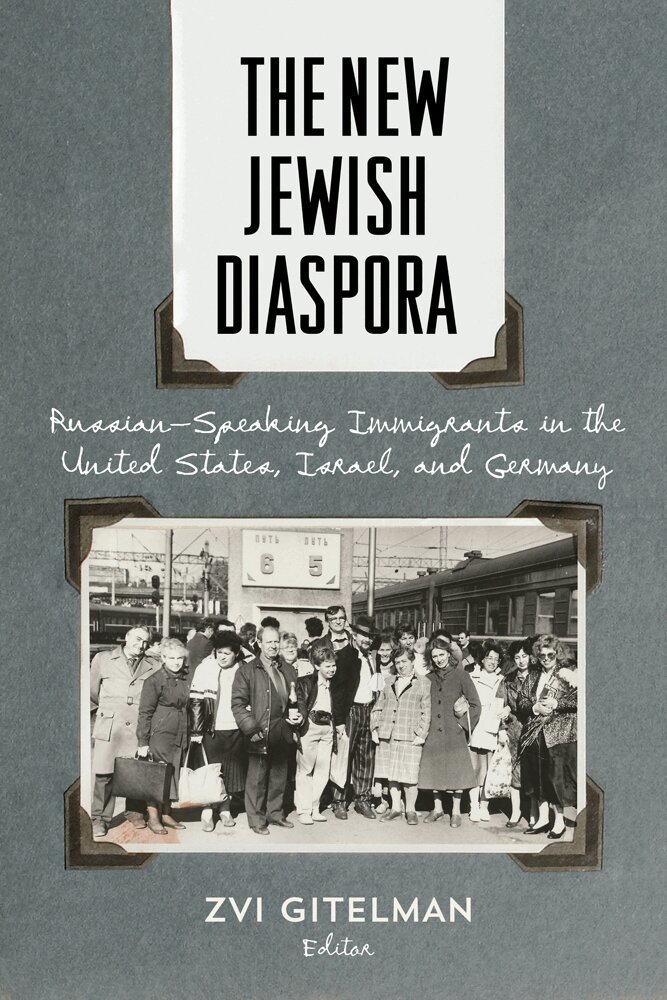
New Jewish Diaspora
Russian-Speaking Immigrants in the United States, Israel, and Germany
Av Zvi Gitelman
Inbunden, 2016
1462 kr
Lägg i varukorg
In 1900 over five million Jews lived in the Russian empire; today, there are four times as many Russian-speaking Jews residing outside the former Soviet Union than there are in that region. The New Jewish Diaspora is the first English-language study of the Russian-speaking Jewish diaspora. This …
Jewish Revival Inside Out
Remaking Jewishness in a Transnational Age
Av Asher Biemann, Shaul Magid m. fl.
Häftad, 2022
446 kr
Lägg i varukorg
Against the gloomy forecast of "The Vanishing Diaspora", the end of the second millennium saw the global emergence of a dazzling array of Jewish cultural initiatives, institutional modalities, and individual practices. These "Jewish Revival" and "Jewish Renewal" projects are led by Jewish NGOs and …
Jewish Revival Inside Out
Remaking Jewishness in a Transnational Age
Av Asher Biemann, Shaul Magid m. fl.
Inbunden, 2022
1083 kr
Lägg i varukorg
Against the gloomy forecast of "The Vanishing Diaspora", the end of the second millennium saw the global emergence of a dazzling array of Jewish cultural initiatives, institutional modalities, and individual practices. These "Jewish Revival" and "Jewish Renewal" projects are led by Jewish NGOs and …
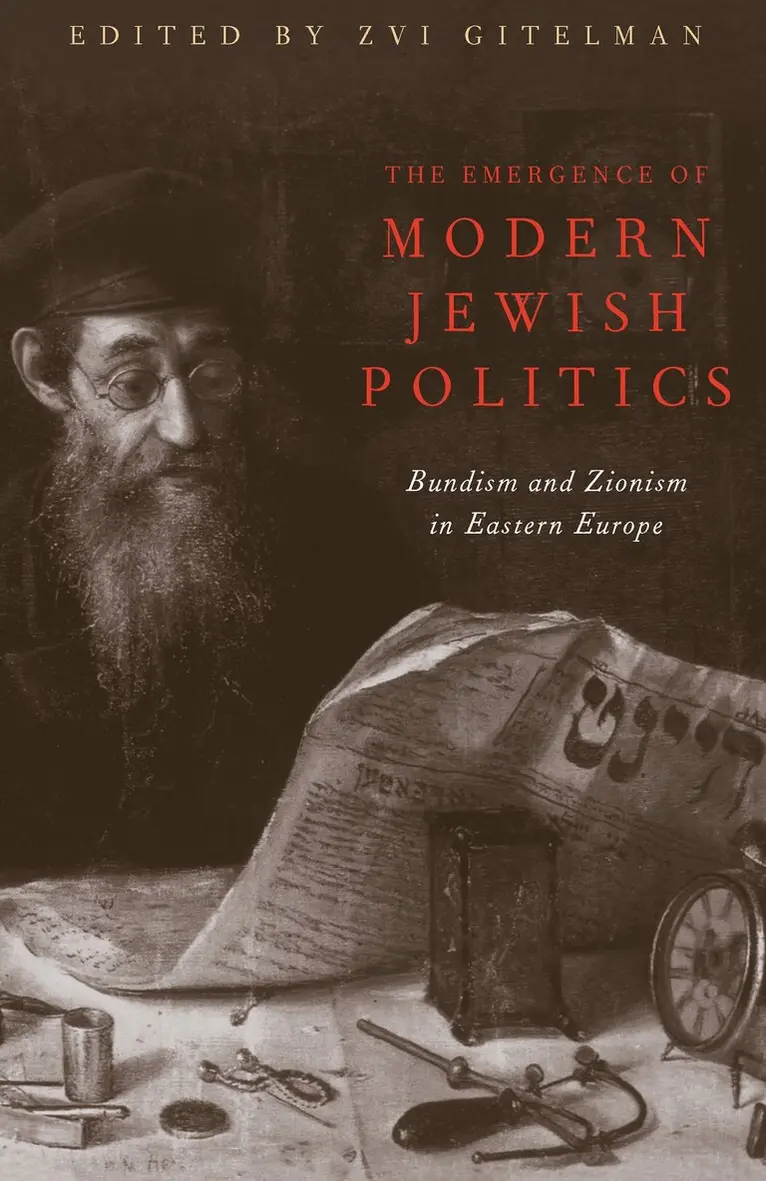
Emergence Of Modern Jewish Politics
Bundism And Zionism In Eastern Europe
Av Zvi Gitelman
Häftad, 2014
686 kr
Lägg i varukorg
The Emergence of Modern Jewish Politics examines the political, social, and cultural dimensions of Zionism and Bundism, the two major political movements among East European Jews during the first half of the twentieth century.Whiile Zionism achieved its primary aim—the founding of a Jewish …
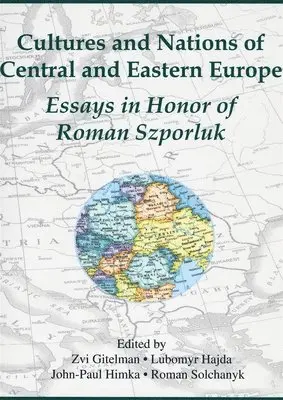
Cultures and Nations of Central and Eastern Europe
Essays in Honor of Roman Szporluk
Av Zvi Gitelman, Lubomyr A. Hajda m. fl.
Häftad, 2001
232 kr
Lägg i varukorg
Written in honor of one of the foremost observers of nationalism and culture in Central and Eastern Europe, this volume brings together 35 eminent scholars from the United States, Canada, Ukraine, and Poland.Supplemented by a bibliography of the work of Roman Szporluk, these fresh, urgent essays …
East-West Relations and the Future of Eastern Europe
Politics and Economics
Av Morris Bornstein, Zvi Gitelman m. fl.
Inbunden, 2024
1830 kr
Lägg i varukorg
Both domestic and foreign policy considerations led Eastern European nations in the 1970s to involve their economies more deeply with the West. This increased economic interdependence encompassed trade, technology transfer through industrial cooperation, and international credit. These growing …
East-West Relations and the Future of Eastern Europe
Politics and Economics
Av Morris Bornstein, Zvi Gitelman m. fl.
Häftad, 2026
503 kr
Lägg i varukorg
Both domestic and foreign policy considerations led Eastern European nations in the 1970s to involve their economies more deeply with the West. This increased economic interdependence encompassed trade, technology transfer through industrial cooperation, and international credit. These growing …
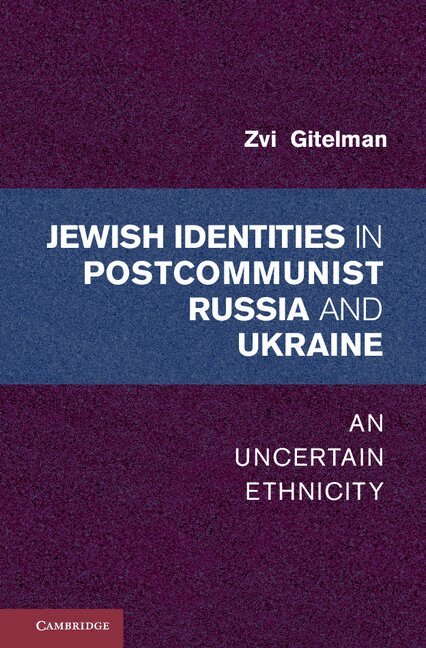
Jewish Identities in Postcommunist Russia and Ukraine
An Uncertain Ethnicity
Av Zvi Gitelman
Inbunden, 2012
908 kr
Lägg i varukorg
Before the USSR collapsed, ethnic identities were imposed by the state. This book analyzes how and why Jews decided what being Jewish meant to them after the state dissolved and describes the historical evolution of Jewish identities. Surveys of more than 6,000 Jews in the early and late 1990s …
Jewish Identities in Postcommunist Russia and Ukraine
An Uncertain Ethnicity
Av Zvi Gitelman
Häftad, 2012
653 kr
Lägg i varukorg
Before the USSR collapsed, ethnic identities were imposed by the state. This book analyzes how and why Jews decided what being Jewish meant to them after the state dissolved and describes the historical evolution of Jewish identities. Surveys of more than 6,000 Jews in the early and late 1990s …
Developments in Soviet Politics
Av Zvi Gitelman, Alex Pravda m. fl.
E-bok, 1990
606 kr
Lägg i varukorg
Written by a team of leading scholars, this book meets the need for an up-to-date account on the political system and policy progress which is amerging and an analysis of the future prospects of the "Gorbachev revolution".
Jewish Nationality and Soviet Politics
The Jewish Sections of the CPSU, 1917-1930
Av Zvi Gitelman
E-bok, 2015
1395 kr
Lägg i varukorg
In order to "e;Bolshevize"e; the Jewish population, the Soviets created within the Party a number of special Jewish Sections. Charged with the task of integrating the largely hostile or indifferent Jews into the new state the Sections' programs are, in effect, a case study of the …