A.C. Greene Series – serie
Visar alla böcker i serien A.C. Greene Series. Handla med fri frakt och snabb leverans.
15 produkter
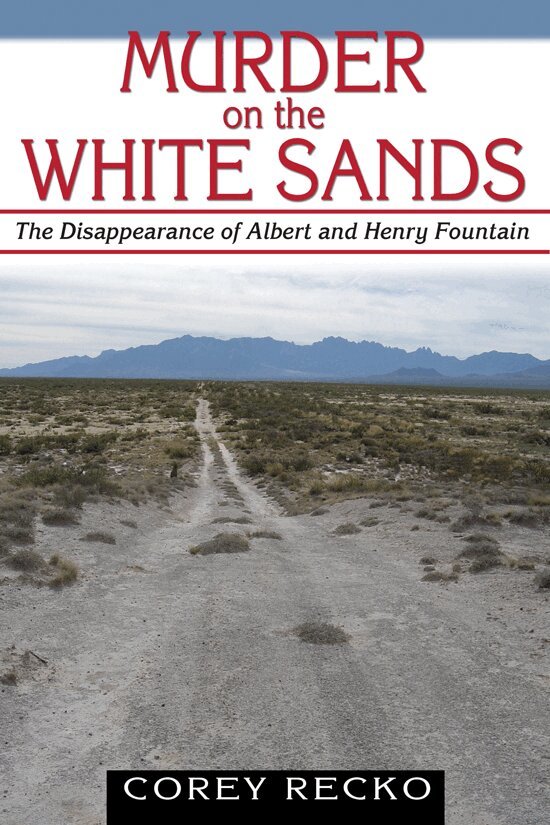
Murder on the White Sands
The Disappearance of Albert and Henry Fountain
Av Corey Recko
Häftad, 2008
202 kr
Lägg i varukorg
On a cold February evening in 1896, prominent attorney Col. Albert Jennings Fountain and his eight-year-old son Henry disappeared near the White Sands of New Mexico at the hands of suspected cattle rustlers. The governor called in both the Pinkerton Agency and Pat Garrett, killer of Billy the Kid, …
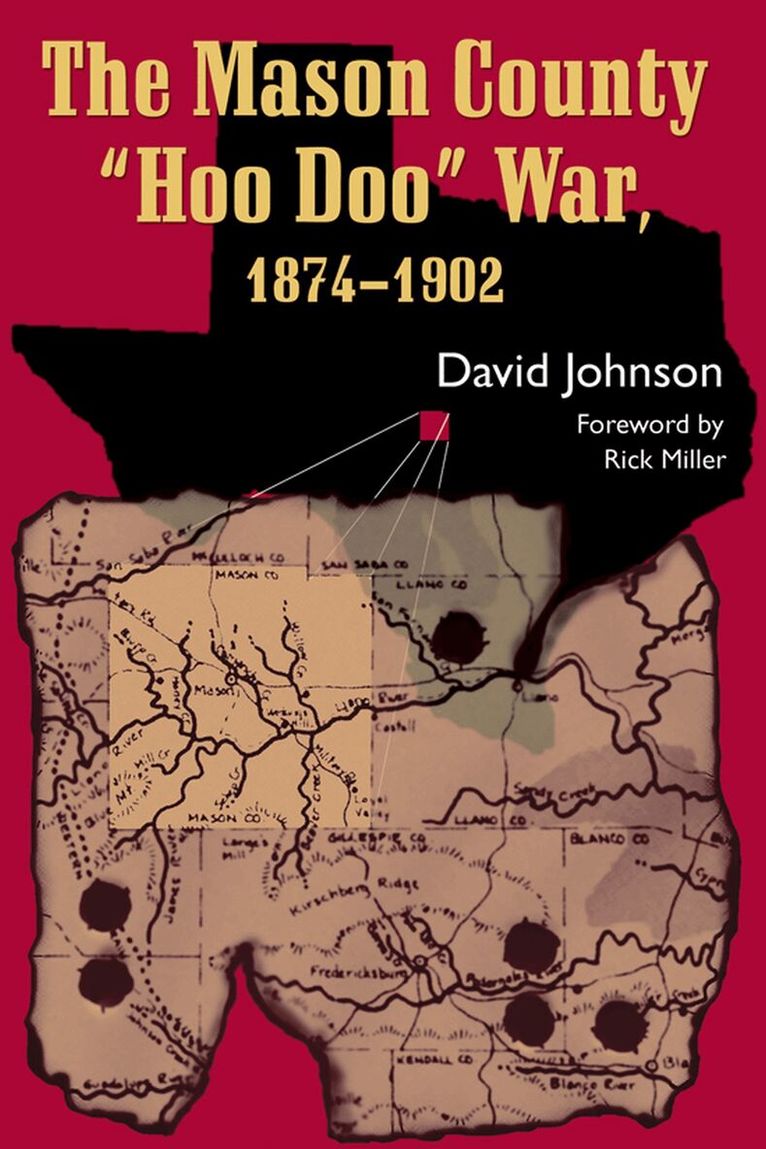
Mason County Hoo Doo War, 1874-1902
Häftad, 2009
283 kr
Lägg i varukorg
In 1874 the Hoo Doo War erupted in the Texas Hill Country of Mason County. The feud began with the rise of the mob under Sheriff John Clark, but it was not until the premeditated murder of rancher Timothy Williamson in 1875, orchestrated by Clark, that the violence escalated out of control. His …
Notorious Luke Short
Sporting Man of the Wild West
Av Jack DeMattos, Chuck Parsons
Inbunden, 2015
352 kr
Lägg i varukorg
Luke Short perfected his skills as a gambler in locations that included Leadville, Tombstone, Dodge City, and Fort Worth. In 1883, in what became known as the “Dodge City War,” he banded together with Wyatt Earp, Bat Masterson, and others to protect his ownership interests in the Long Branch Saloon …
John Ringo, King of the Cowboys
His Life and Times from the Hoo Doo War to Tombstone
Häftad, 2017
229 kr
Lägg i varukorg
Few names in the lore of western gunmen are as recognizable. Few lives of the most notorious are as little known. Romanticized and made legendary, John Ringo fought and killed for what he believed was right. As a teenager, Ringo was rushed into sudden adulthood when his father was killed tragically …
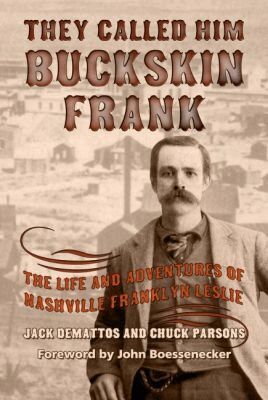
They Called Him Buckskin Frank
The Life and Adventures of Nashville Franklyn Leslie
Av Jack DeMattos, Chuck Parsons
Inbunden, 2018
363 kr
Lägg i varukorg
Nashville Franklyn “Buckskin Frank” Leslie was a man of mystery during his lifetime. His reputation has rested on two gunfights—both in storied Tombstone, Arizona—but he was much more than a deadly gunfighter. Jack DeMattos and Chuck Parsons have combined their research efforts to help solve the …
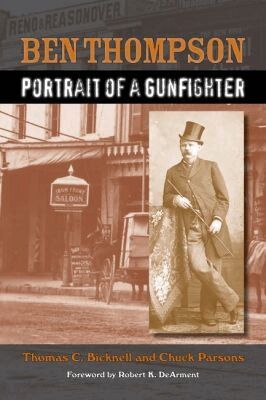
Ben Thompson
Portrait of a Gunfighter
Av Thomas C. Bicknell, Chuck Parsons
Inbunden, 2018
422 kr
Lägg i varukorg
Ben Thompson was a remarkable man, and few Texans can claim to have crowded more excitement, danger, drama, and tragedy into their lives than he did. He was an Indian fighter, Texas Ranger, Confederate cavalryman, mercenary for a foreign emperor, hired gun for a railroad, an elected lawman, …
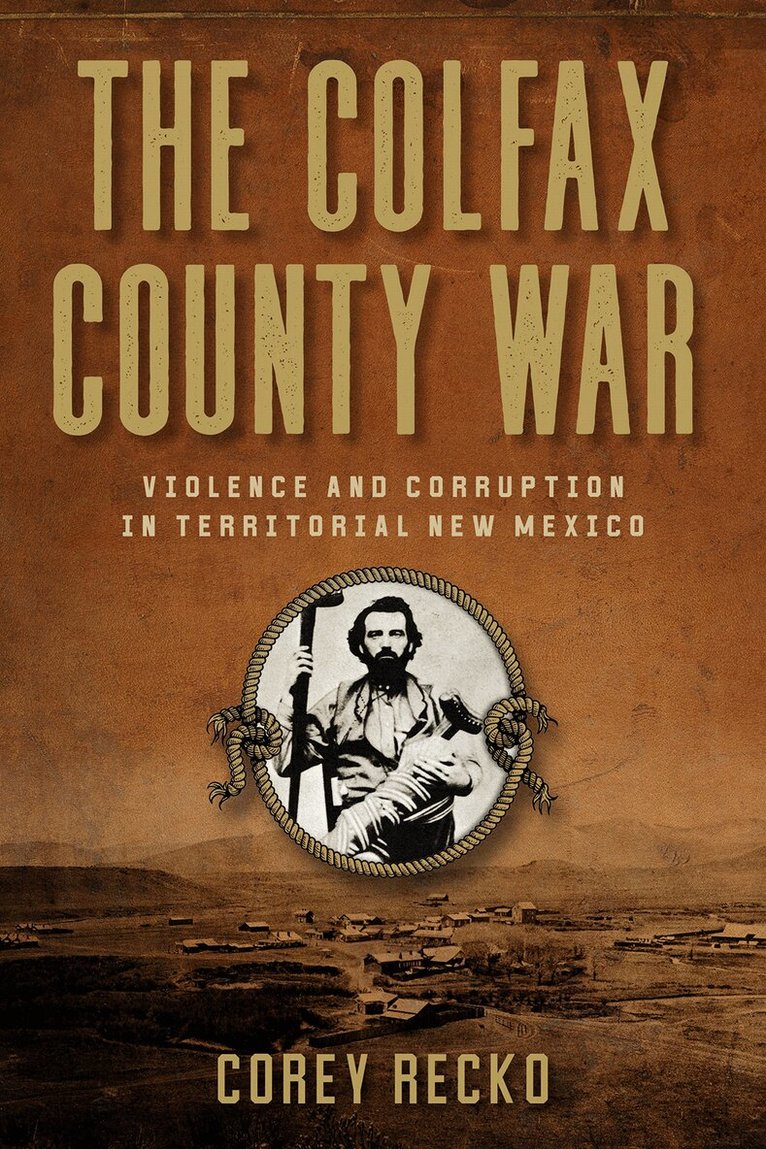
Colfax County War Volume 22
Violence and Corruption in Territorial New Mexico
Av Corey Recko
Inbunden, 2024
409 kr
Lägg i varukorg
When New Mexico became part of the United States, the territory contained 295 land grants, the largest of these being the Maxwell Land Grant. The size and boundaries of the grant were disputed, with some believing that much of the land was public domain. Settlers on this land were fought not only …
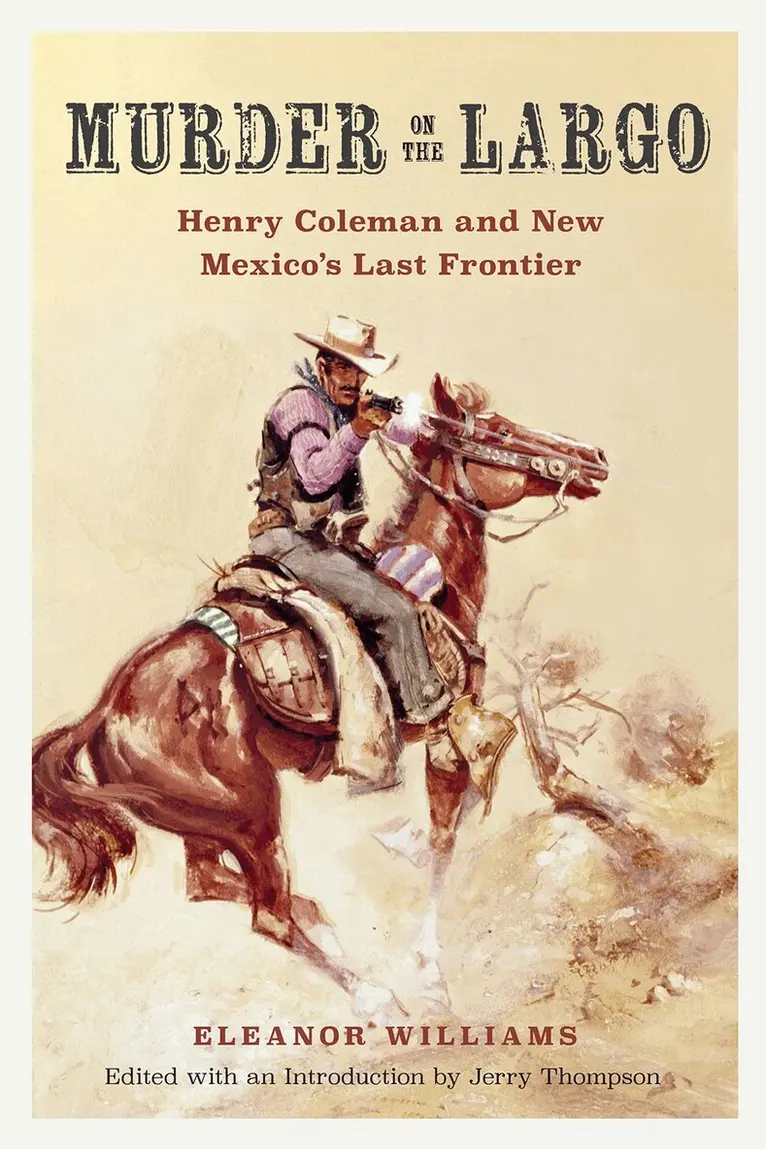
Murder on the Largo Volume 23
Av Eleanor Williams, Jerry Thompson
Inbunden, 2024
363 kr
Lägg i varukorg
In western New Mexico in 1905 there rode a notorious outlaw from the Mexican border named Henry Coleman. With a Colt .45 strapped to his hip, Coleman (alias Street Hudspeth from the well-to-do Texas family) came to be either despised as a deceitful rustler and ruthless murderer or admired as a man …
Where I Come from
Häftad, 2003
200 kr
Tillfälligt slut
In 1999 Bryan Woolley of ""The Dallas Morning News"" set out to record the stories of ordinary people in North Texas, to tell about their lives, especially their past and how they became who they became. This book gathers the best of those stories with photographs of each storyteller.
Life of the Marlows
A True Story of Frontier Life of Early Days
Av William Rathmell, Robert K. DeArment
Häftad, 2008
229 kr
Tillfälligt slut
This 1892 account of the five Marlow brothers and their tribulations in Young County, Texas, is now back in print and expertly edited and annotated by noted western historian Robert K. DeArment. After one Marlow brother killed a popular sheriff and was in turn murdered by bounty hunters, the other …
Sutton-Taylor Feud
The Deadliest Blood Feud in Texas
Häftad, 2013
280 kr
Tillfälligt slut
The Sutton-Taylor Feud of DeWitt, Gonzales, Karnes, and surrounding counties began shortly after the Civil War ended. The blood feud continued into the 1890s when the final court case was settled with a governmental pardon. Of all the Texas feuds, the one between the Sutton and Taylor forces lasted …
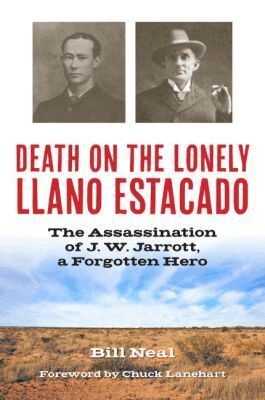
Death on the Lonely Llano Estacado
The Assassination of J. W. Jarrott, a Forgotten Hero
Av Bill Neal
Inbunden, 2017
294 kr
Tillfälligt slut
In the winter of 1901, James W. Jarrott led a band of twenty-five homesteader families toward the Llano Estacado in far West Texas, newly opened for settlement by a populist Texas legislature. But frontier cattlemen who had been pasturing their herds on the unfenced prairie land were enraged by the …
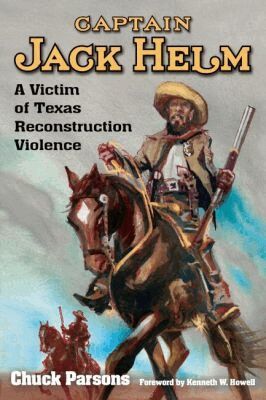
Captain Jack Helm
A Victim of Texas Reconstruction Violence
Inbunden, 2018
363 kr
Tillfälligt slut
In Captain Jack Helm, Chuck Parsons explores the life of John Jackson “Jack” Helm, whose main claim to fame has been that he was a victim of man-killer John Wesley Hardin. That he was, but he was much more in his violence-filled lifetime during Reconstruction Texas. First as a deputy sheriff, then …
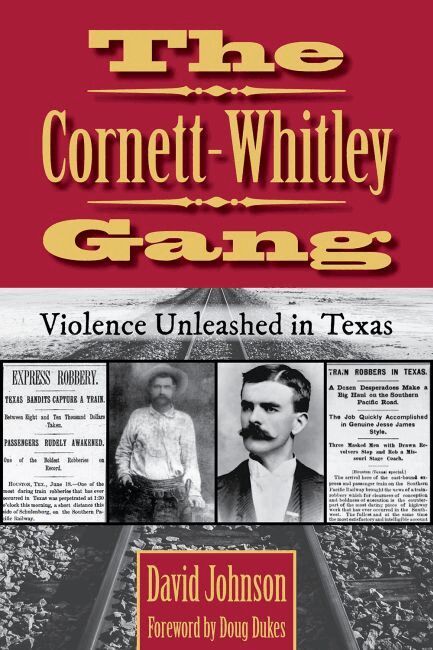
Cornett-Whitley Gang
Violence Unleashed in Texas
Inbunden, 2019
352 kr
Tillfälligt slut
During the late 1880s, the Cornett-Whitley gang rose on the Texas scene with a daring train robbery at McNeil Station, only miles from the capital of Texas. In the frenzy that followed the robbery, the media castigated both lawmen and government officials, at times lauded the outlaws, and indulged …