Advances in Crusades Research – serie
Visar alla böcker i serien Advances in Crusades Research. Handla med fri frakt och snabb leverans.
10 produkter
10 produkter
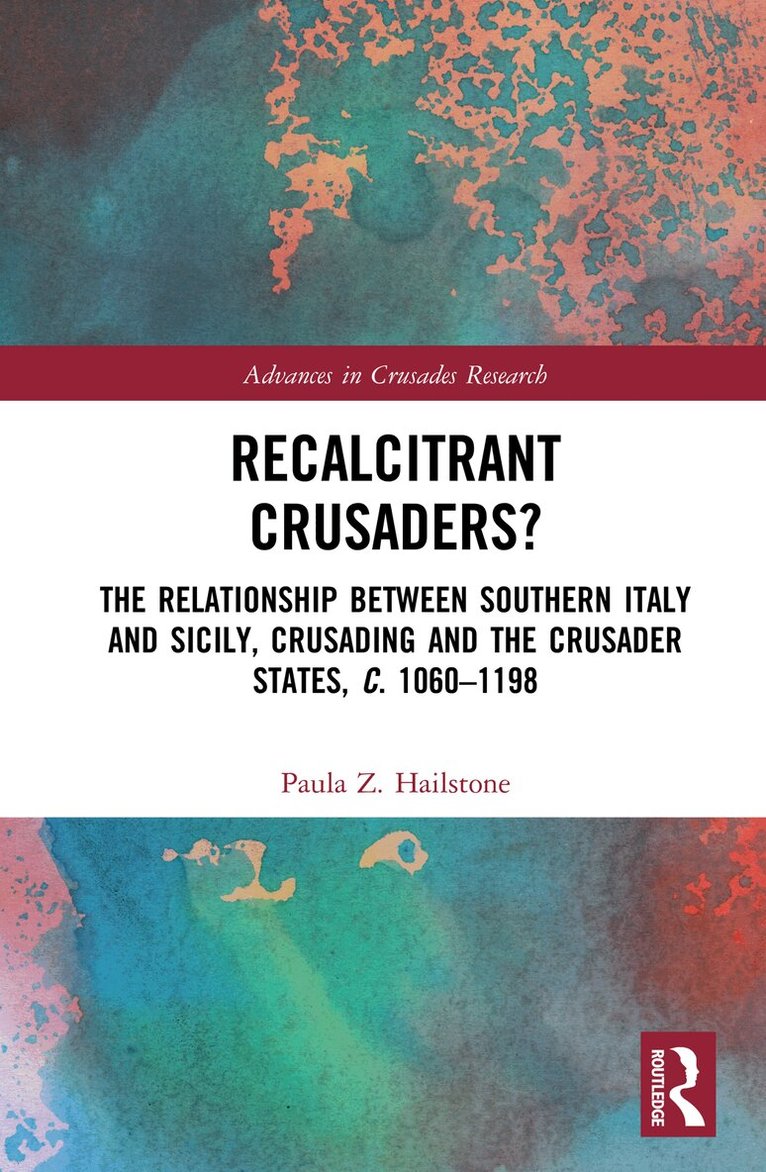
Recalcitrant Crusaders?
The Relationship Between Southern Italy and Sicily, Crusading and the Crusader States, c. 1060–1198
Inbunden, Engelska, 2019
2 176 kr
Skickas inom 10-15 vardagar
This book explores the contribution of southern Italy and Sicily to the crusades and crusader states. By adopting the theme of identity as a tool of analysis, it argues that a far more nuanced picture emerges about the relationship than the dismissive portrayal by William of Tyre in his Chronicon, which has largely been accepted by later historians. Building upon previous scholarship in relation to Norman identity, it widens the discussion to evaluate the role of more fluid and evolving Italo-Norman and Italo-Sicilian identities, and how these shaped events. In so doing, this book also argues that the relationship between the territories needs to be considered in different dimensions: direct involvement of leaders and rulers versus indirect engagement through the geography of southern Italy and Sicily. Over time, and as identities change, these two dimensions converge, making the kingdom itself a leading participant in crusading.
2 176 kr
Skickas inom 10-15 vardagar
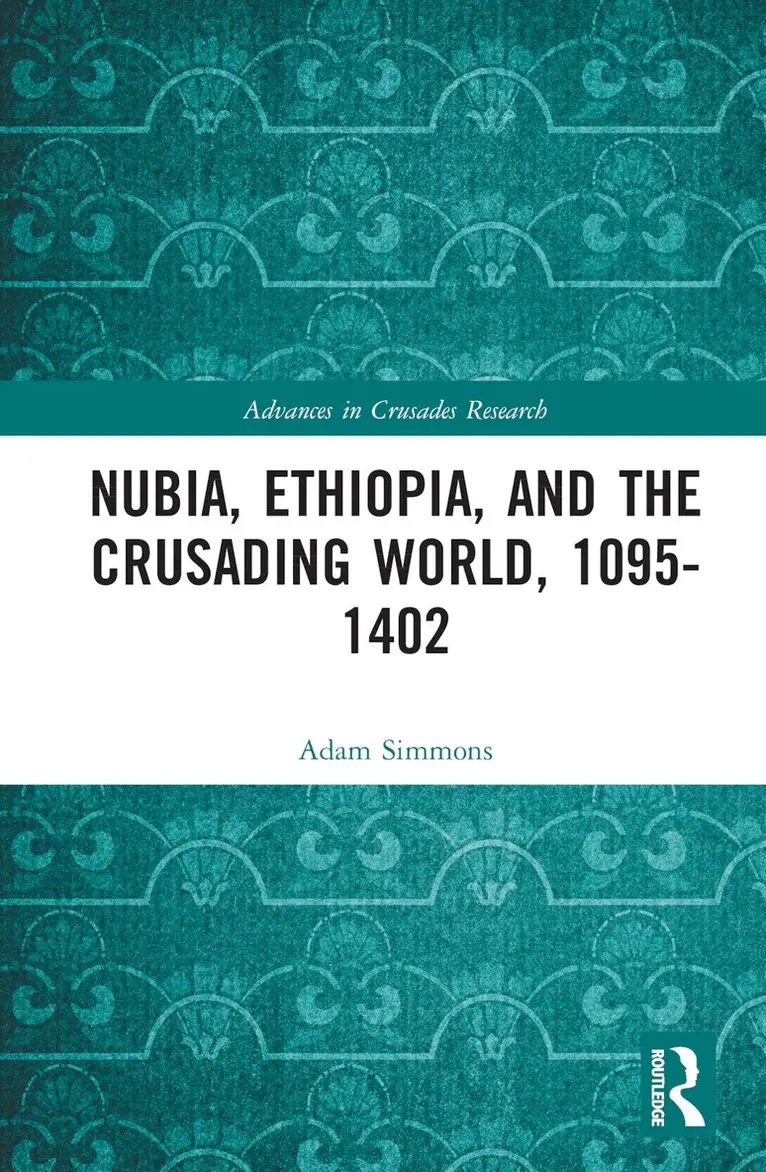
The Crusades had a wide variety of impacts on societies throughout Europe, Asia, and Africa. One such notable impact was its role in the development of knowledge between cultures. This book argues that the Nubian kingdom of Dotawo and the Latin Christians became increasingly more connected between the twelfth and early fourteenth centuries than has been acknowledged. Subsequently, when Solomonic Ethiopian-Latin Christian diplomatic relations began in 1402, they were building on the prior connections of Nubia, either wittingly or unwittingly: Ethiopia became the ‘Ethiopia’ that the Latin Christians had previously been aiming to develop relations with. The histories of Nubia, Ethiopia, and the Crusades were directly and indirectly entwined between the twelfth century and 1402. By placing Nubia and Ethiopia within the wider context of the Crusades, new perspectives can be made regarding the international activity of Nubia and Ethiopia between the twelfth and fifteenth centuries and the regional role reversal of Dotawo and Solomonic Ethiopia from the early fourteenth century. Prior to the fourteenth century, Nubia had been the dominant Christian power in the region before Solomonic Ethiopia began to replace it, including by adopting elements of discourse which had previously been attributed to Nubia, such as its ruler being the recognised protector of the Christians of north-east Africa. This process should not be viewed in isolation of the wider regional geo-political context. Nubia, Ethiopia, and the Crusading World, 1095-1402 will appeal to all those interested in the history of the Crusades, Nubia, and Ethiopia, particularly concerning inter-regional physical and intellectual connectivity.
2 195 kr
Skickas inom 10-15 vardagar
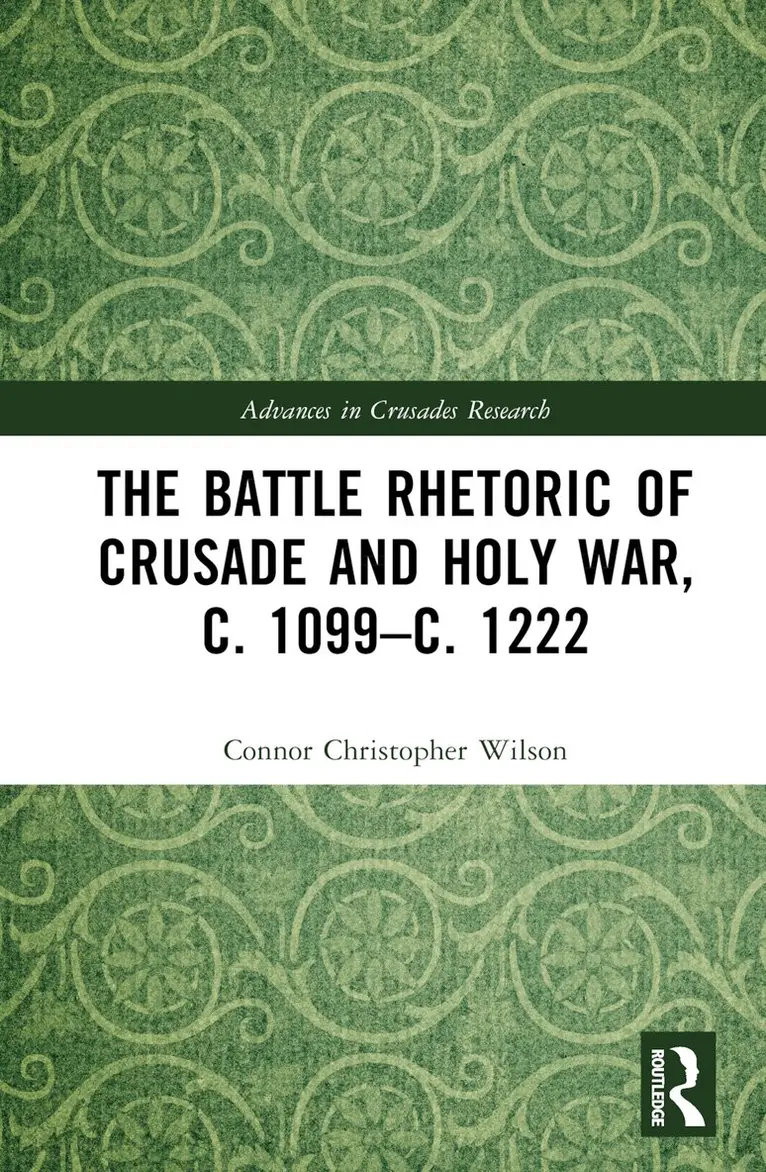
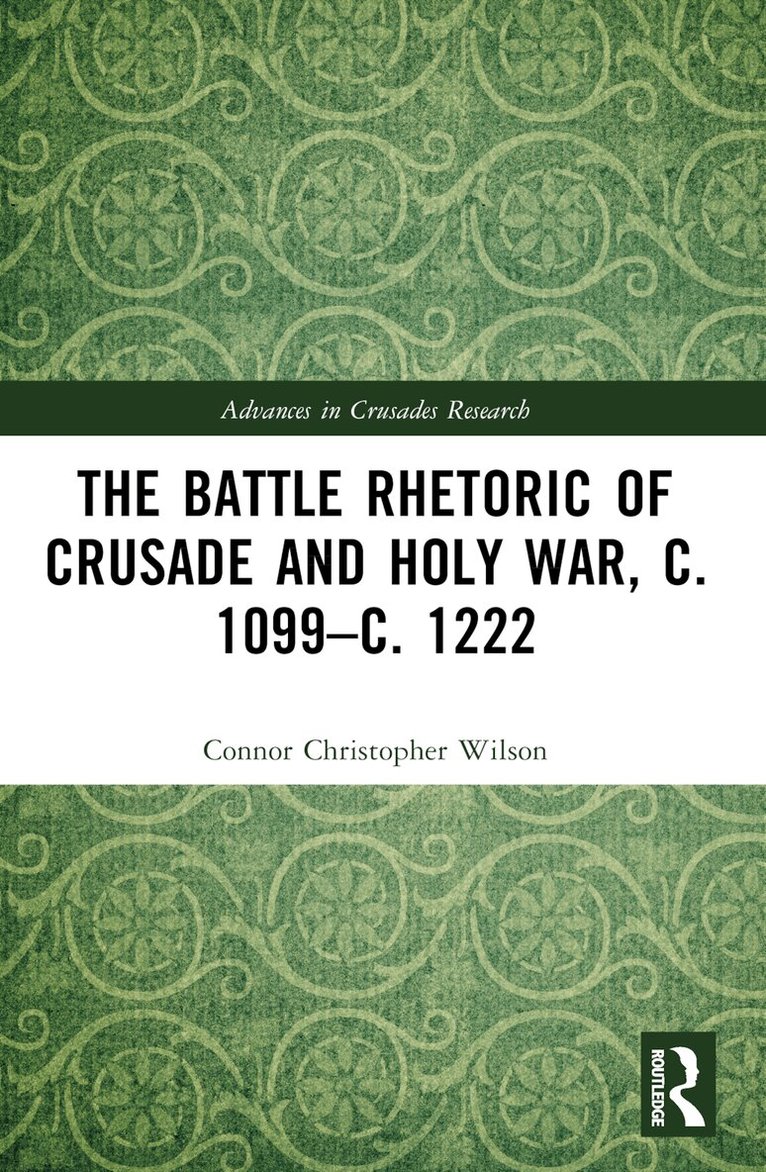
This book examines Latin narratives produced in the aftermath of the First Crusade and challenges the narrative of supposed brutality and amorality of warfare in this period--instead focusing on the moral and didactic concerns surrounding warfare and violence with which medieval authors wrestled. The battle oration, a rousing harangue exhorting warriors to deeds of valour, has been regarded as a significant aspect of warfare since the age of Xenophon, and has continued to influence conceptions of campaigning and combat to the present day. While its cultural and chronological pervasiveness attests to the power of this trope, scholarly engagement with the literary phenomenon of the pre-battle speech has been limited. Moreover, previous work on medieval battle rhetoric has only served to reinforce the supposed brutality and amorality of warfare in this period, highlighting appeals to martial prowess, a hatred for ‘the enemy’ and promises of wealth and glory. This book, through an examination of Latin narratives produced in the aftermath of the First Crusade and the decades that followed, challenges this understanding and illuminates the moral and didactic concerns surrounding warfare and violence with which medieval authors wrestled. Furthermore, while battle orations form a clear mechanism by which the fledgling crusading movement could be explored ideologically, this comparative study reveals how non-crusading warfare in this period was also being reconceptualised in light of changing ideas about just war, authority and righteousness in Christian society.This volume is perfect for researchers, students and scholars alike interested in medieval history and military studies.
651 kr
Skickas inom 10-15 vardagar
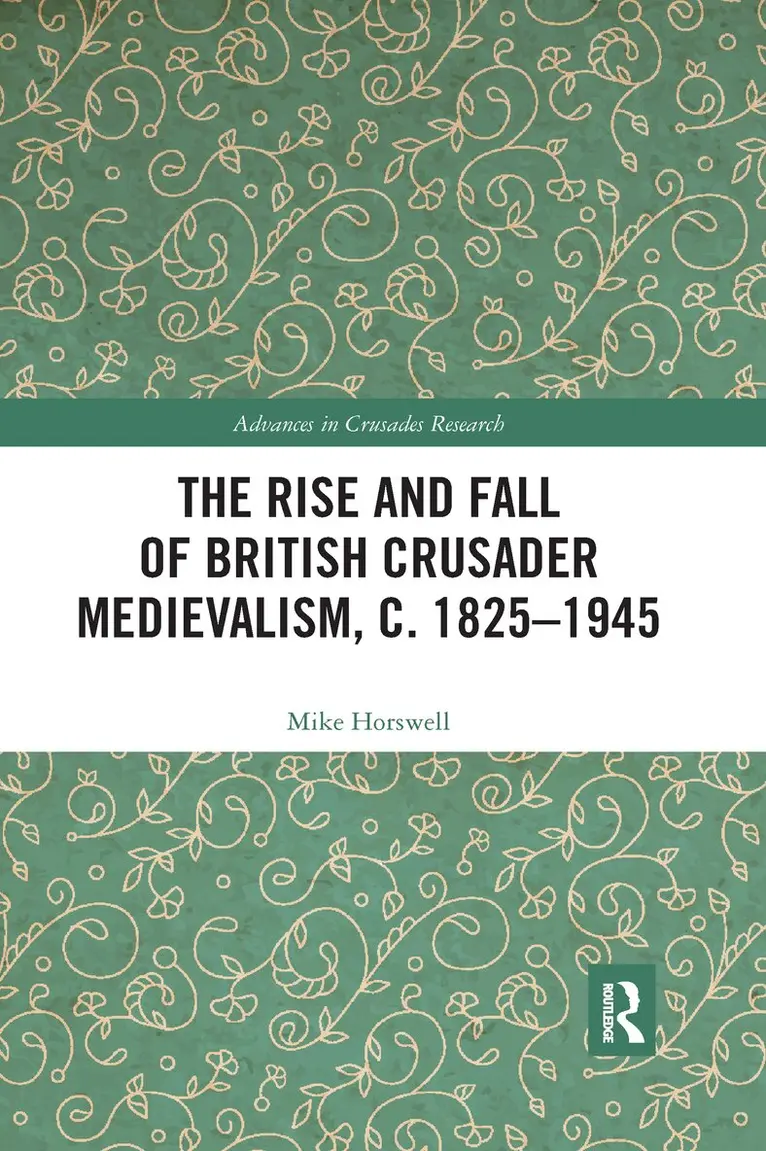
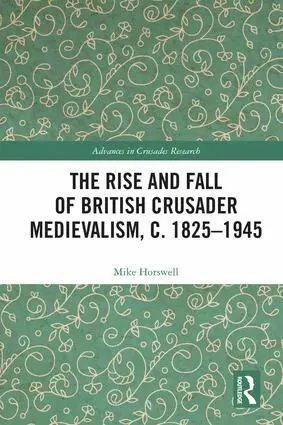
This book investigates the uses of crusader medievalism – the memory of the crusades and crusading rhetoric and imagery – in Britain, from Walter Scott’s The Talisman (1825) to the end of the Second World War. It seeks to understand why and when the crusades and crusading were popular, how they fitted with other cultural trends of the Victorian and Edwardian eras, how their use was affected by the turmoil of the First World War and whether they were differently employed in the interwar years and in the 1939-45 conflict. Building on existing studies and contributing the fruits of fresh research, it brings together examples of the uses of the crusades from disparate contexts and integrates them into the story of the rise and fall crusader medievalism in Britain.
595 kr
Skickas inom 10-15 vardagar
This book investigates the financial aspects of crusading in the thirteenth and early fourteenth centuries. Taking the kingdom of England as a case study, it explores a variety of themes, such as how much crusades cost, how they were financed, how funds were transferred to the East and how crusaders fared financially after their return. Its fundamental argument, in contrast with current historiography, is that it was the "private" fundraising of individuals – not the "public" fundraising of the Crown and the Church – that constituted the life-blood of the crusade movement in the period under consideration. Indeed, it is likely that the crusades were only able to remain central to the religious and political life of England, and indeed western Christendom, because participants, and those in their connection, continued to be willing to sacrifice their own financial wellbeing for the interests of the Holy Land.
2 176 kr
Skickas inom 10-15 vardagar
This book investigates the financial aspects of crusading in the thirteenth and early fourteenth centuries. Taking the kingdom of England as a case study, it explores a variety of themes, such as how much crusades cost, how they were financed, how funds were transferred to the East and how crusaders fared financially after their return. Its fundamental argument, in contrast with current historiography, is that it was the "private" fundraising of individuals – not the "public" fundraising of the Crown and the Church – that constituted the life-blood of the crusade movement in the period under consideration. Indeed, it is likely that the crusades were only able to remain central to the religious and political life of England, and indeed western Christendom, because participants, and those in their connection, continued to be willing to sacrifice their own financial wellbeing for the interests of the Holy Land.
Recalcitrant Crusaders?
The Relationship Between Southern Italy and Sicily, Crusading and the Crusader States, c. 1060–1198
Häftad, Engelska, 2021
651 kr
Skickas inom 10-15 vardagar
This book explores the contribution of southern Italy and Sicily to the crusades and crusader states. By adopting the theme of identity as a tool of analysis, it argues that a far more nuanced picture emerges about the relationship than the dismissive portrayal by William of Tyre in his Chronicon, which has largely been accepted by later historians. Building upon previous scholarship in relation to Norman identity, it widens the discussion to evaluate the role of more fluid and evolving Italo-Norman and Italo-Sicilian identities, and how these shaped events. In so doing, this book also argues that the relationship between the territories needs to be considered in different dimensions: direct involvement of leaders and rulers versus indirect engagement through the geography of southern Italy and Sicily. Over time, and as identities change, these two dimensions converge, making the kingdom itself a leading participant in crusading.
595 kr
Skickas inom 10-15 vardagar
The Crusades had a wide variety of impacts on societies throughout Europe, Asia, and Africa. One such notable impact was its role in the development of knowledge between cultures. This book argues that the Nubian kingdom of Dotawo and the Latin Christians became increasingly more connected between the twelfth and early fourteenth centuries than has been acknowledged. Subsequently, when Solomonic Ethiopian-Latin Christian diplomatic relations began in 1402, they were building on the prior connections of Nubia, either wittingly or unwittingly: Ethiopia became the ‘Ethiopia’ that the Latin Christians had previously been aiming to develop relations with. The histories of Nubia, Ethiopia, and the Crusades were directly and indirectly entwined between the twelfth century and 1402. By placing Nubia and Ethiopia within the wider context of the Crusades, new perspectives can be made regarding the international activity of Nubia and Ethiopia between the twelfth and fifteenth centuries and the regional role reversal of Dotawo and Solomonic Ethiopia from the early fourteenth century. Prior to the fourteenth century, Nubia had been the dominant Christian power in the region before Solomonic Ethiopia began to replace it, including by adopting elements of discourse which had previously been attributed to Nubia, such as its ruler being the recognised protector of the Christians of north-east Africa. This process should not be viewed in isolation of the wider regional geo-political context. Nubia, Ethiopia, and the Crusading World, 1095-1402 will appeal to all those interested in the history of the Crusades, Nubia, and Ethiopia, particularly concerning inter-regional physical and intellectual connectivity.
595 kr
Skickas inom 10-15 vardagar
This book examines Latin narratives produced in the aftermath of the First Crusade and challenges the narrative of supposed brutality and amorality of warfare in this period--instead focusing on the moral and didactic concerns surrounding warfare and violence with which medieval authors wrestled. The battle oration, a rousing harangue exhorting warriors to deeds of valour, has been regarded as a significant aspect of warfare since the age of Xenophon, and has continued to influence conceptions of campaigning and combat to the present day. While its cultural and chronological pervasiveness attests to the power of this trope, scholarly engagement with the literary phenomenon of the pre-battle speech has been limited. Moreover, previous work on medieval battle rhetoric has only served to reinforce the supposed brutality and amorality of warfare in this period, highlighting appeals to martial prowess, a hatred for ‘the enemy’ and promises of wealth and glory. This book, through an examination of Latin narratives produced in the aftermath of the First Crusade and the decades that followed, challenges this understanding and illuminates the moral and didactic concerns surrounding warfare and violence with which medieval authors wrestled. Furthermore, while battle orations form a clear mechanism by which the fledgling crusading movement could be explored ideologically, this comparative study reveals how non-crusading warfare in this period was also being reconceptualised in light of changing ideas about just war, authority and righteousness in Christian society.This volume is perfect for researchers, students and scholars alike interested in medieval history and military studies.
2 386 kr
Skickas inom 10-15 vardagar
This book investigates the uses of crusader medievalism – the memory of the crusades and crusading rhetoric and imagery – in Britain, from Walter Scott’s The Talisman (1825) to the end of the Second World War. It seeks to understand why and when the crusades and crusading were popular, how they fitted with other cultural trends of the Victorian and Edwardian eras, how their use was affected by the turmoil of the First World War and whether they were differently employed in the interwar years and in the 1939-45 conflict. Building on existing studies and contributing the fruits of fresh research, it brings together examples of the uses of the crusades from disparate contexts and integrates them into the story of the rise and fall crusader medievalism in Britain.