Advances in Muscle Research - Böcker
Visar alla böcker i serien Advances in Muscle Research. Handla med fri frakt och snabb leverans.
8 produkter
8 produkter
550 kr
Skickas inom 10-15 vardagar
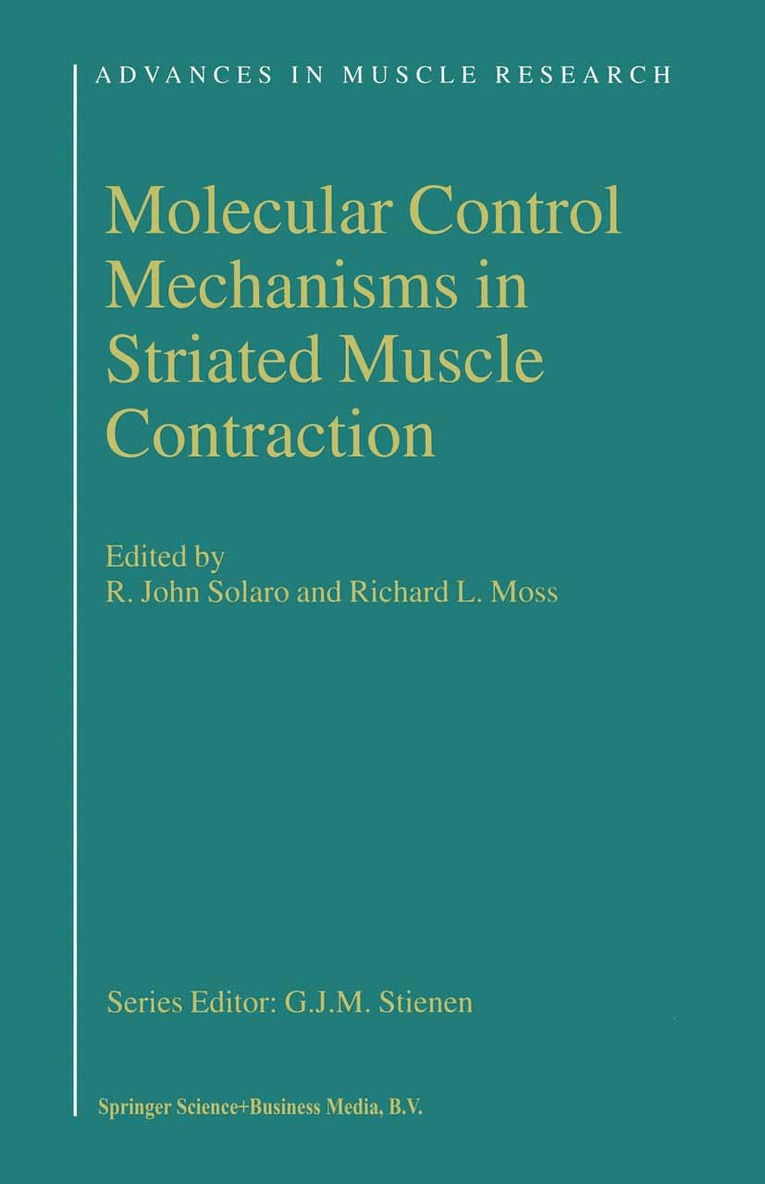
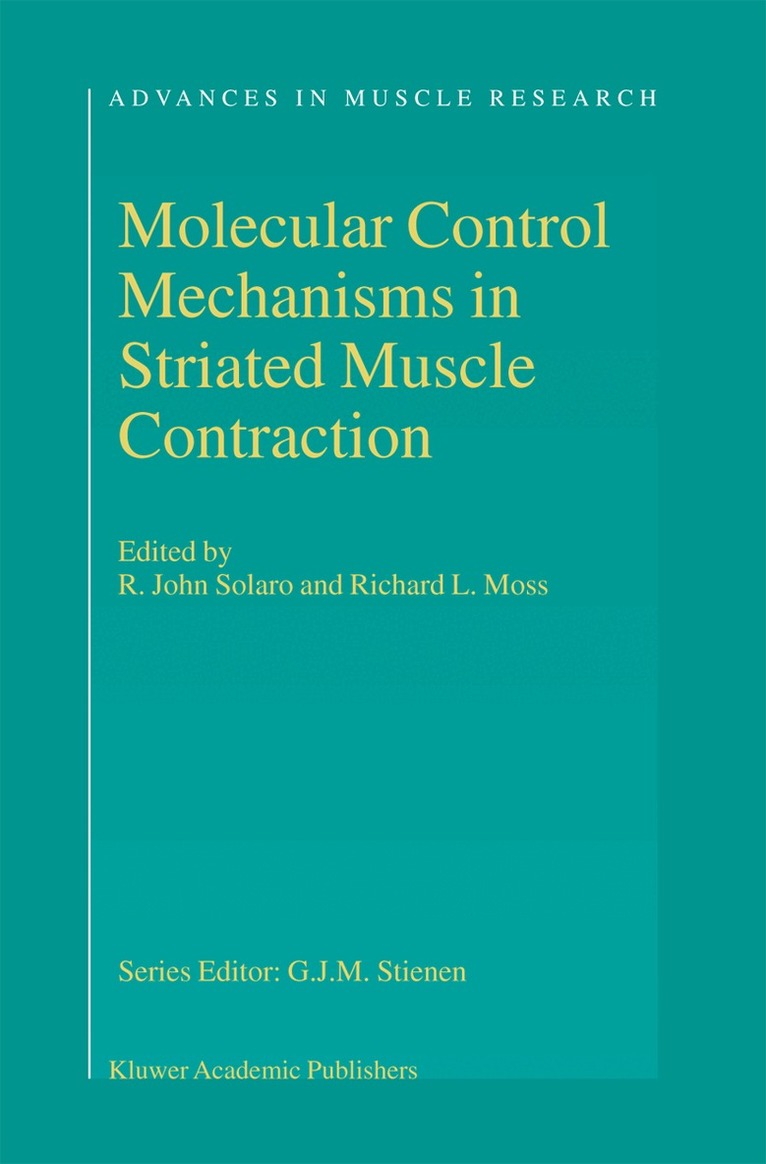
This work addresses the molecular mechanisms by which contraction of heart and skeletal muscles is regulated, as well as the modulation of these mechanisms by important (patho)physiological variables such as ionic composition of the myoplasm and phosphorylations of contractile and regulatory proteins. For the novice, this volume includes chapters that summarize understanding of excitation-contraction coupling in striated muscles, as well as the compositions and structures myofibrillar thick and thin filaments. For the expert, this volume presents detailed pictures of understanding of the mechanisms underlying the CA2+ regulation of contraction in heart and skeletal muscles and discusses important directions for future investigation.
1 637 kr
Skickas inom 10-15 vardagar
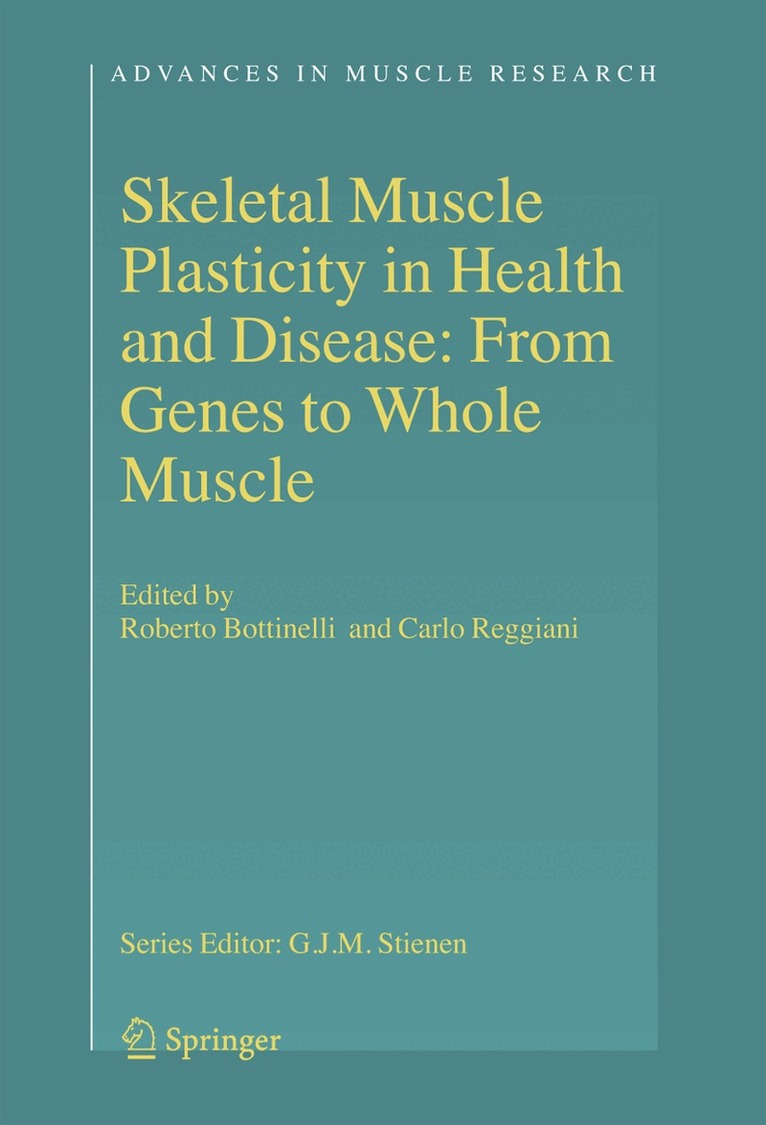
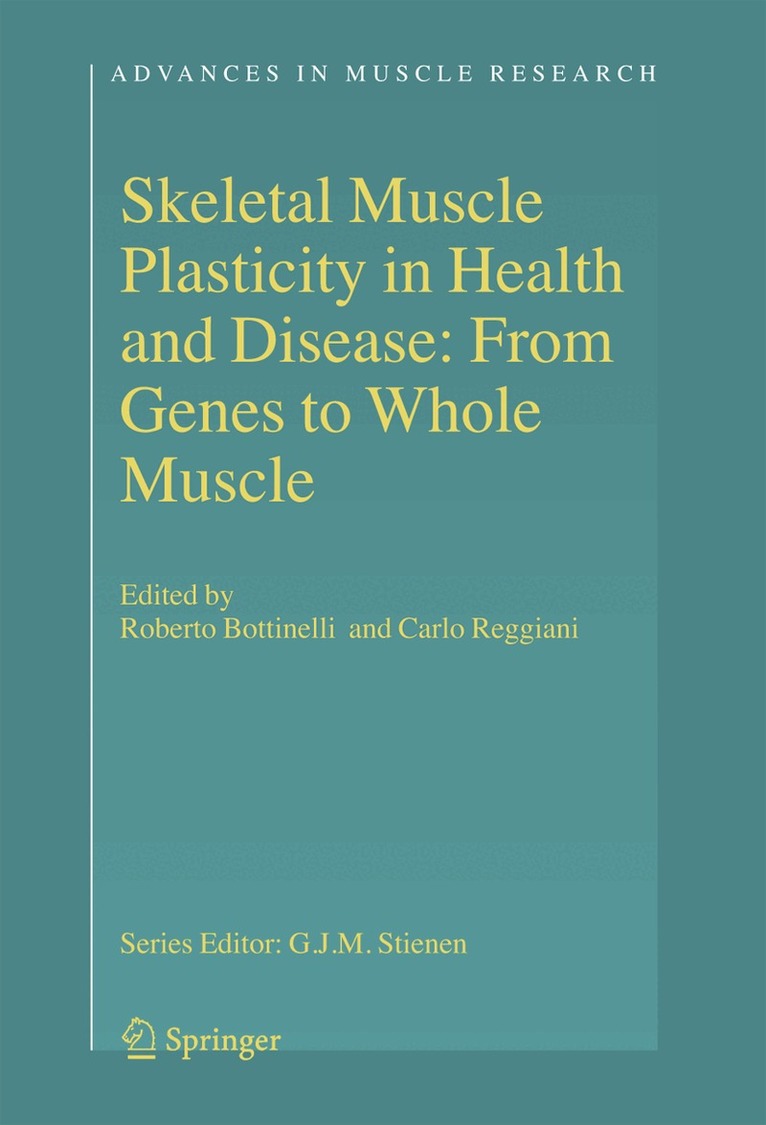
The ability of striated muscle tissue to adapt to changes in activity or in working conditions is extremely high.
1 637 kr
Skickas inom 10-15 vardagar
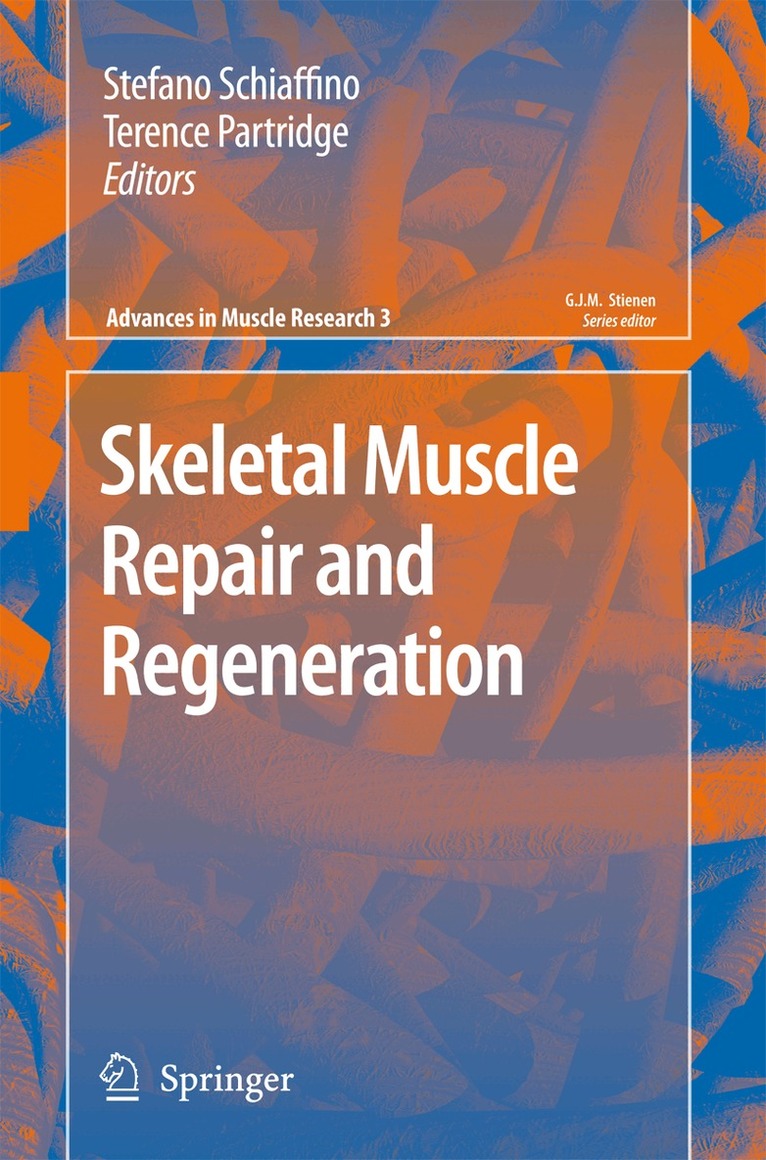
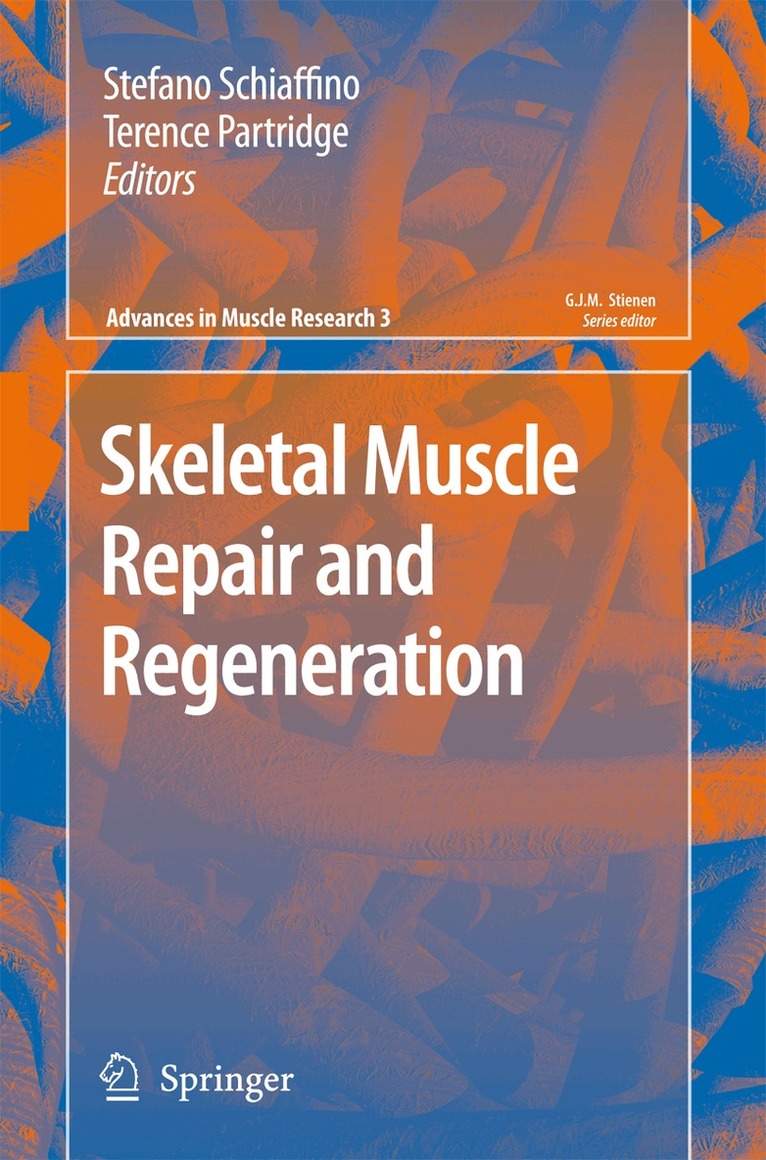
Skeletal muscle is the most abundant tissue of our body. Apart from its essential role in locomotion, it is also the body’s main store of carbohydrate and protein as well as being one of the principal generators of heat. Its proper maintenance and function are, therefore, essential. A severe acute loss of muscle function is potentially lethal and the debilitating effects of chronic decline in mobility are commonplace experience, so repair and maintenance of the tissue must by both rapid and effective. Since the middle of the last century we have progressively built up a comprehensive descriptive model of the allied mechanisms that maintain our muscles at a size and strength appropriate to the functional demands upon them and that rapidly repair damaged muscles. This volume is an assemblage of the collective experience from the pick of major research groups investigating these aspects of muscle cell biology. The topics range from correlation of changes in pattern of gene expression with the histological sequence during a regenerative episode to the distinctive insult-specific patterns of structural and functional outcome at the other end of the spectrum. The middle ground – who is doing what in this complex process – constitutes the meat of this sandwich.
1 528 kr
Skickas inom 10-15 vardagar
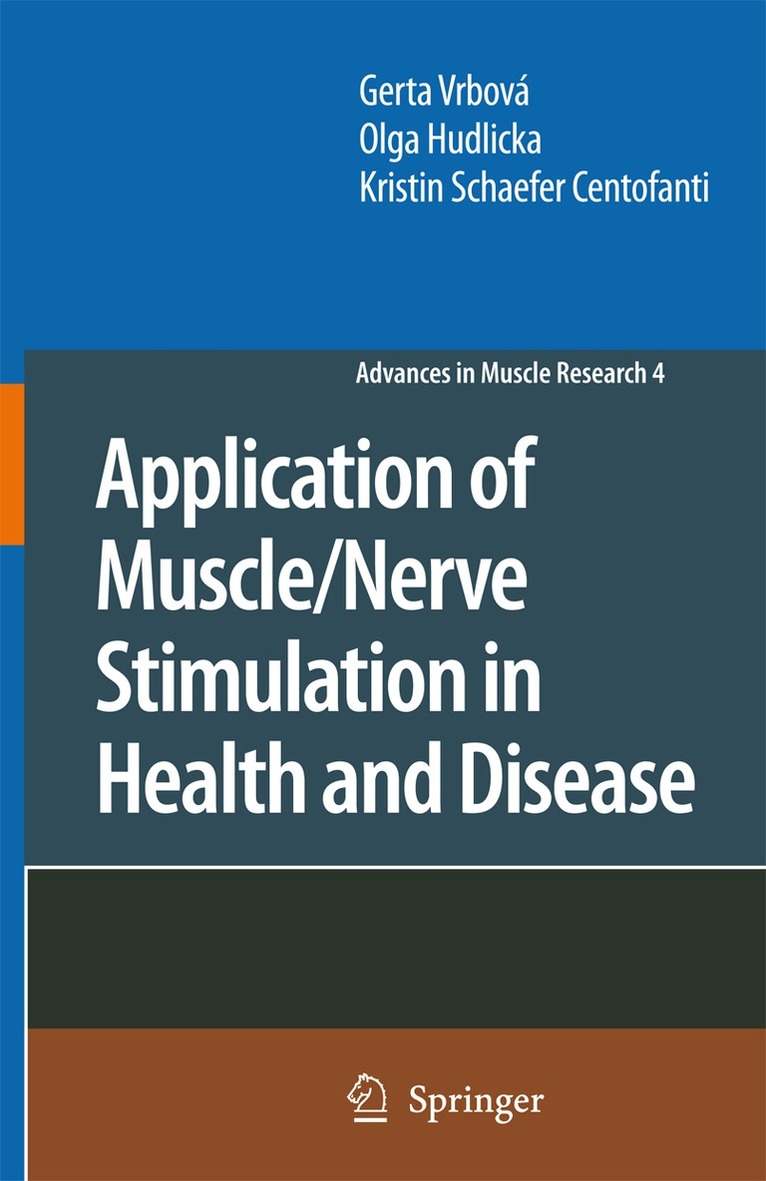
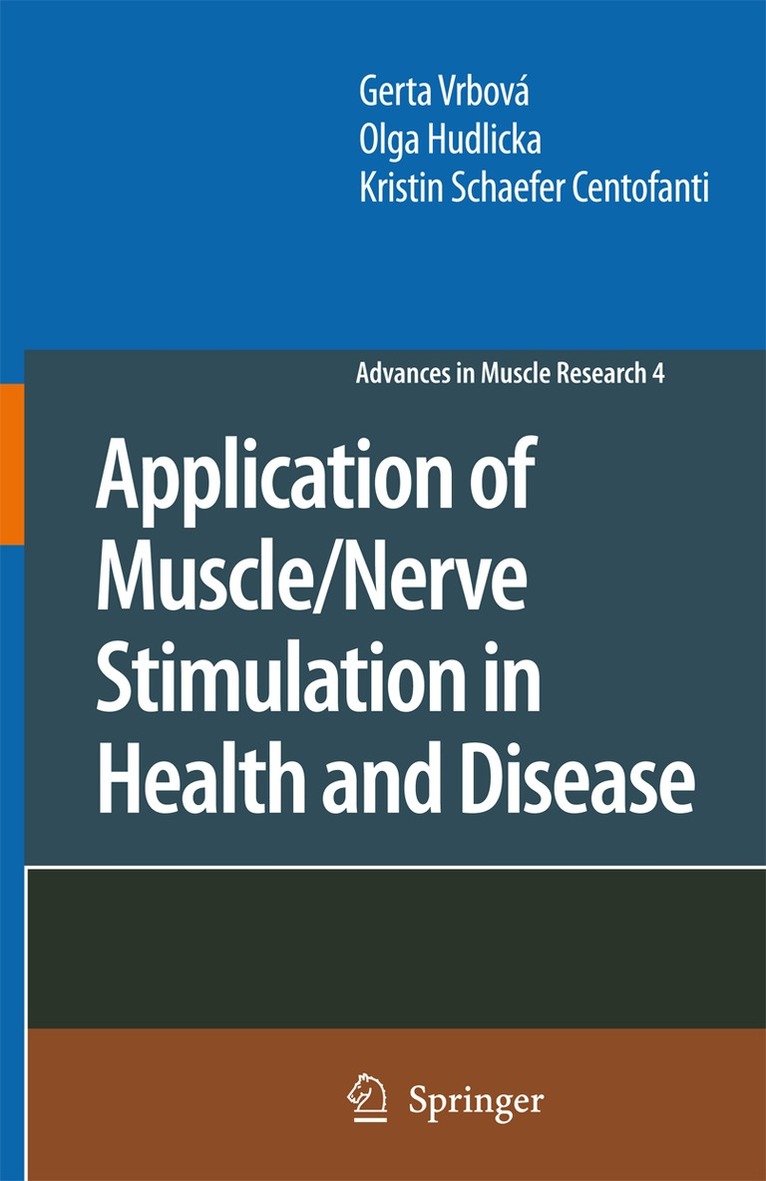
The first evidence that electrical changes can cause muscles to contract was p- vided by Galvani (1791). Galvani’s ideas about ‘animal electricity’ were explored during the 19th and 20th century when it was firmly established that ‘electricity’ is one of the most important mechanisms used for communication by the nervous system and muscle. These researches lead to the development of ever more soph- ticated equipment that could either record the electrical changes in nerves and muscles, or elicit functional changes by electrically stimulating these structures. It was indeed the combination of these two methods that elucidated many of the basic principles about the function of the nervous system. Following these exciting findings, it was discovered that electrical stimulation and the functions elicited by it also lead to long-term changes in the properties of nerves and particularly muscles. Recent findings help us to understand the mec- nisms by which activity induced by electrical stimulation can influence mature, fully differentiated cells, in particular muscles, blood vessels and nerves. Electrically elicited activity determines the properties of muscle fibres by activating a sequence of signalling pathways that change the gene expression of the muscle. Thus, elect- cal activity graduated from a simple mechanism that is used to elicit muscle c- traction, to a system that could induce permanent changes in muscles and modify most of its characteristic properties.
550 kr
Skickas inom 10-15 vardagar
Molecular Control Mechanisms in Striated Muscle Contraction addresses the molecular mechanisms by which contraction of heart and skeletal muscles is regulated, as well as the modulation of these mechanisms by important (patho)physiological variables such as ionic composition of the myoplasm and phosphorylations of contractile and regulatory proteins.For the novice, this volume includes chapters that summarize current understanding of excitation-contraction coupling in striated muscles, as well as the compositions and structures myofibrillar thick and thin filaments. For the expert, this volume presents detailed pictures of current understanding of the mechanisms underlying the CA2+ regulation of contraction in heart and skeletal muscles and discusses important directions for future investigation.
1 637 kr
Skickas inom 10-15 vardagar
The ability of striated muscle tissue to adapt to changes in activity or in working conditions is extremely high. In some ways it is comparable to the ability of the brain to learn. The interest in muscle adaptation is increasing in relation to the idea that physical fitness helps in the prevention of disease, may counteract the loss of physical performance and generally improves wellbeing. Plasticity is the word used since the late 1970’s to indicate collectively all the processes and mechanisms which form the background of muscle adaptation. This book aims to provide a systematic updating of the available knowledge on molecular and cellular mechanisms, as well as on changes at whole muscle level. The book means to be a guide and a help for people who enter the field as PhD or medical students, but is also a tool for refreshing and updating knowledge for people already active in the field in basic sciences as well as in applied disciplines such as neurology, sports science and rehabilitation.
1 637 kr
Skickas inom 10-15 vardagar
Skeletal muscle is the most abundant tissue of our body. Apart from its essential role in locomotion, it is also the body’s main store of carbohydrate and protein as well as being one of the principal generators of heat. Its proper maintenance and function are, therefore, essential. A severe acute loss of muscle function is potentially lethal and the debilitating effects of chronic decline in mobility are commonplace experience, so repair and maintenance of the tissue must by both rapid and effective. Since the middle of the last century we have progressively built up a comprehensive descriptive model of the allied mechanisms that maintain our muscles at a size and strength appropriate to the functional demands upon them and that rapidly repair damaged muscles. This volume is an assemblage of the collective experience from the pick of major research groups investigating these aspects of muscle cell biology. The topics range from correlation of changes in pattern of gene expression with the histological sequence during a regenerative episode to the distinctive insult-specific patterns of structural and functional outcome at the other end of the spectrum. The middle ground – who is doing what in this complex process – constitutes the meat of this sandwich.
1 528 kr
Skickas inom 10-15 vardagar
The first evidence that electrical changes can cause muscles to contract was p- vided by Galvani (1791). Galvani’s ideas about ‘animal electricity’ were explored during the 19th and 20th century when it was firmly established that ‘electricity’ is one of the most important mechanisms used for communication by the nervous system and muscle. These researches lead to the development of ever more soph- ticated equipment that could either record the electrical changes in nerves and muscles, or elicit functional changes by electrically stimulating these structures. It was indeed the combination of these two methods that elucidated many of the basic principles about the function of the nervous system. Following these exciting findings, it was discovered that electrical stimulation and the functions elicited by it also lead to long-term changes in the properties of nerves and particularly muscles. Recent findings help us to understand the mec- nisms by which activity induced by electrical stimulation can influence mature, fully differentiated cells, in particular muscles, blood vessels and nerves. Electrically elicited activity determines the properties of muscle fibres by activating a sequence of signalling pathways that change the gene expression of the muscle. Thus, elect- cal activity graduated from a simple mechanism that is used to elicit muscle c- traction, to a system that could induce permanent changes in muscles and modify most of its characteristic properties.