Advances in Neurochemistry - Böcker
Visar alla böcker i serien Advances in Neurochemistry. Handla med fri frakt och snabb leverans.
10 produkter
10 produkter
873 kr
Skickas inom 10-15 vardagar
873 kr
Skickas inom 10-15 vardagar
2 174 kr
Skickas inom 10-15 vardagar
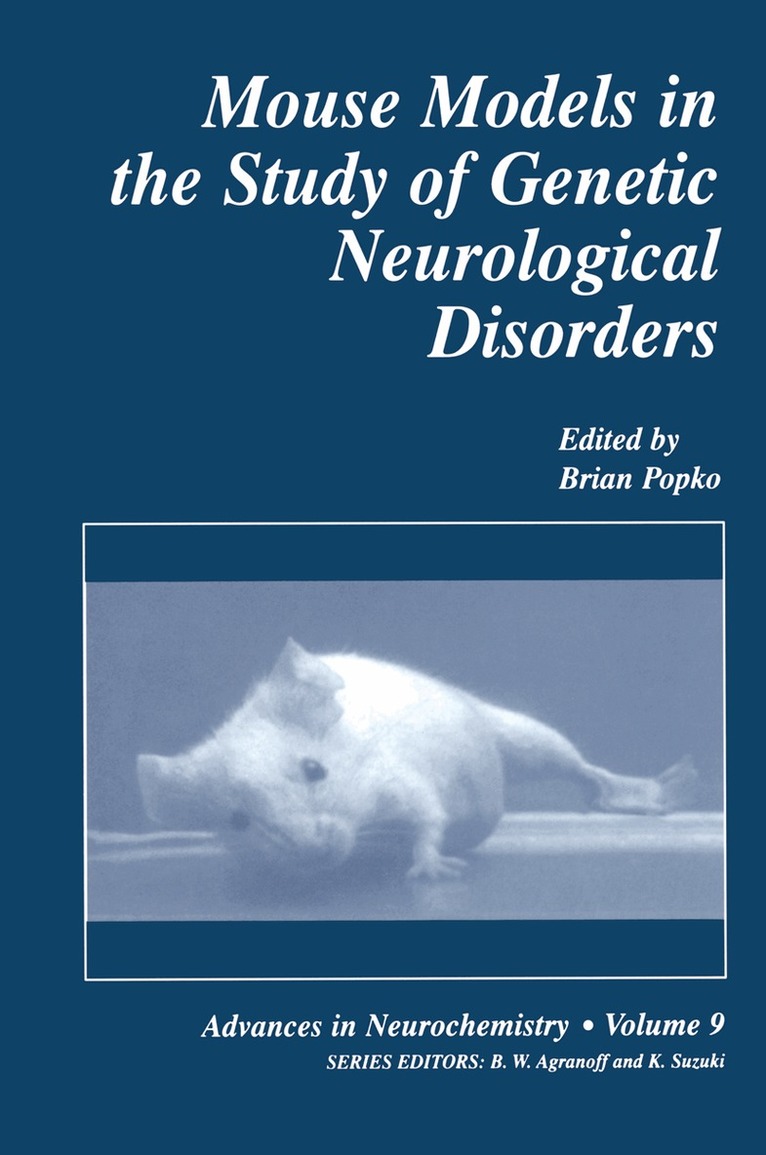
This volume covers the use of animal models for human genetic disease, including models of developmental disorders, neuromuscular diseases, neurodegenerative diseases and learning disorders. Researchers who study these disorders will find this volume a useful resource.
Del 7 - Advances in Neurochemistry
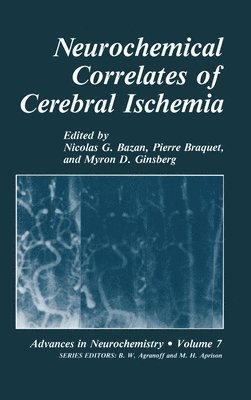
Neurochemical Correlates of Cerebral Ischemia
Häftad, Engelska, 2012
533 kr
Skickas inom 10-15 vardagar
In this timely volume, eminent researchers provide detailed coverage of the relevant function of neurochemical correlates to cerebral ischemia as well as their pathophysiological significance.
2 174 kr
Skickas inom 10-15 vardagar
The number of mouse models that are available for the study of human genetic neurological disorders is large and growing rapidly. Therefore, it was difficult to select the models that were reviewed in this volume. Clearly, there are important models that are not discussed, and perhaps a volume twice this size would have been more appropriate. Moreover, the pace at which new models are being developed and analyzed is rapid. As this volume goes to press, I am sure that additional mouse genes responsible for naturally occurring neurological disorders are being discovered and that many new transgenic and mutant mouse strains are being developed. Therefore, this volume should not be viewed as a comprehensive compendium, but rather as an update of work in progress. It is exhilarating to witness the fast pace at which these models are being established as important tools in the study of basic neuroscience and neurological disorders. It will be even more exciting to see their utilization in the development and testing of therapeutic interventions for these diseases. I would like to thank each of the authors who have contributed to this volume for their time and their expertise. I would also like to thank Drs. Timothy Coetzee and Joshua Corbin for their advice in the selection of the topics covered. I am deeply indebted to Dr. Kunihiko Suzuki, who first approached me with the idea for this volume, for his guidance throughout its preparation.
Del 8 - Advances in Neurochemistry
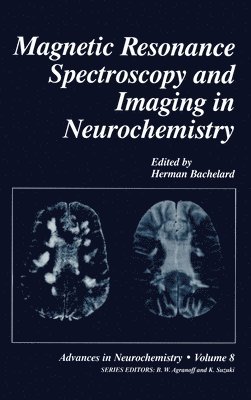
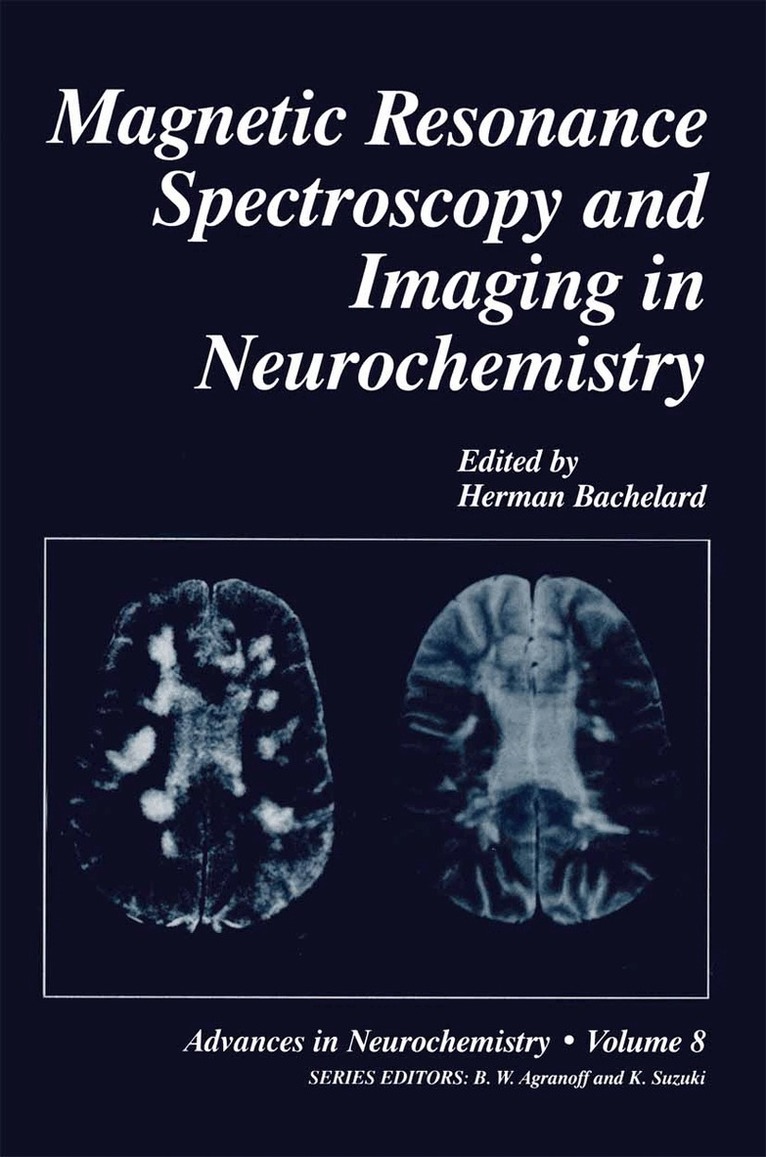
Magnetic Resonance Spectroscopy and Imaging in Neurochemistry
Häftad, Engelska, 2012
549 kr
Skickas inom 10-15 vardagar
The Advances in Neurochemistry series was initiated for a readership of neuroscientists with a background in biochemistry. True to this concept, the present volume brings together various applications of magnetic resonance technology to advance our knowledge of how the nervous system functions. Whether at the cellular, tissue slice, or intact organism level. magnetic resonance techniques are by their nature noninvasive, and thus provide a window through which biochemical reactions can be viewed without grinding, binding, or other wise perturbing ongoing physiological processes. As technological improve ments in methodology, such as higher and more uniform magnetic fields, novel paradigms for data analysis, etc. , are made, we find increased sensitivity and improved temporal and spatial resolution for functional imaging techniques on the one hand, and better separation of signals that identify chemical properties in spectral shift studies, on the other. It is upon knowledge such as is described in the twelve chapters that follow, that further advances in scientific discovery and the biomedical applications of tomorrow will be based. We are grateful to Dr. Bachelard, the Volume Editor, and to the authors of the individual chapters for their efforts. We also note that with this volume Dr. Morris Aprison, a co-founder of the Advances in Neurochemistry series has stepped down and acknowledge with thanks his major role in its inception. In addition, we thank our past and present Advisory Editors. Bernard W. Agranoff Kunihiko Suzuki Series Editors ix CONTENTS LIST OF SYMBOLS AND GLOSSARY . . . . . . . . . . . . . . . . . . . . . . . . . . . XXI INTRODUCTION . . . . . . . . . . . . . . . . . . . . . . . . . . . . . . . . . . . . . . . . . . . .
1 585 kr
Skickas inom 10-15 vardagar
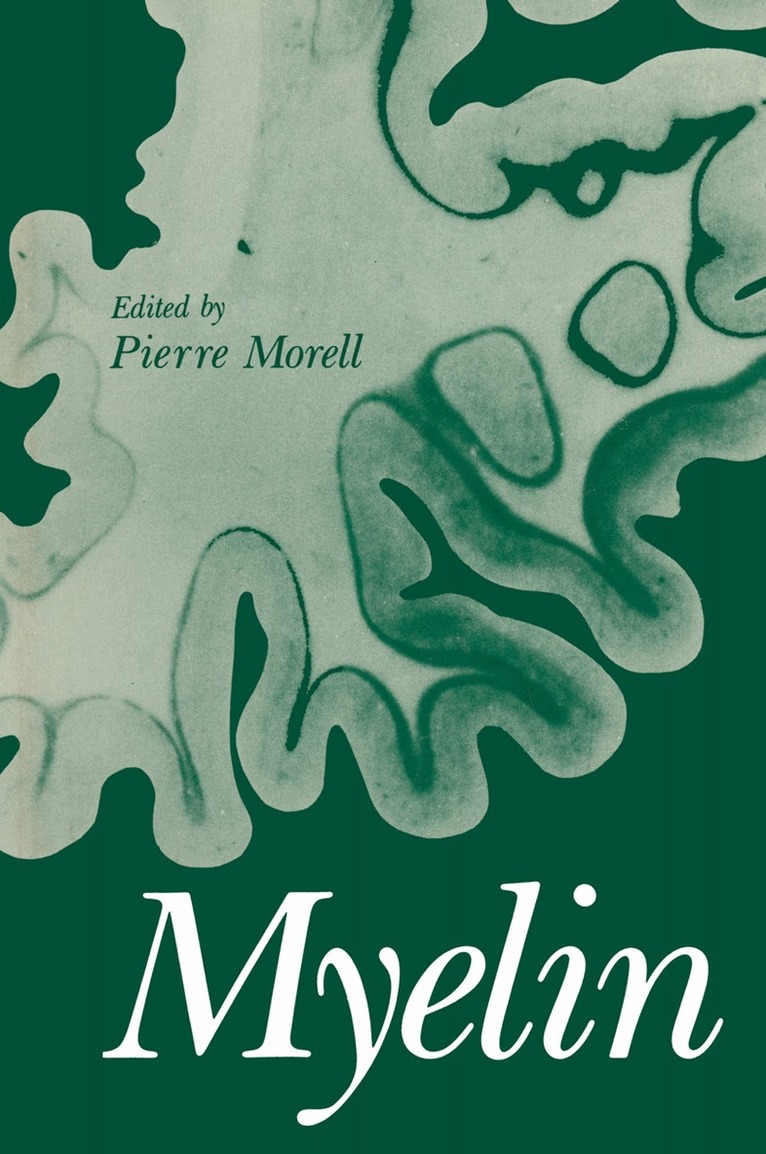
The division of the mature mammalian brain and spinal cord into regions of "white" matter and "gray" matter is observable upon the most cursory inspection. Microscopic examination indicates that the "white" matter regions are characterized by a multilamellar sheath (myelin) which sur rounds the axons. A morphologically similar myelin imparts the white color to tracts of the peripheral nervous system, although, as is empha sized throughout the book, there are very significant morphological and chemical differences between central and peripheral myelin. The rapid postnatal accumulation of myelin is temporally associated with increasing functional capacity and presumably indicates some important role related to neuronal activity. The ability of myelinated axons to conduct electrical impulses much more rapidly and with much lower use of energy, relative to unmyelinated axons, is now generally accepted. As is evident from the above capsule description, a considerable body of information concerning myelin is available. However, as in other areas of research the unknown expands before us more rapidly than we are able to add to our core of knowledge. This is a corollary of the axiom that a good experiment raises more questions than it answers. Among the areas currendy under investigation in many laboratories are the following: interaction of myelin-forming cells with neurons, assembly and metabo lism of myelin, molecular architecture of myelin, and the details of the functional role of myelin.
Del 22 - Advances in Neurochemistry
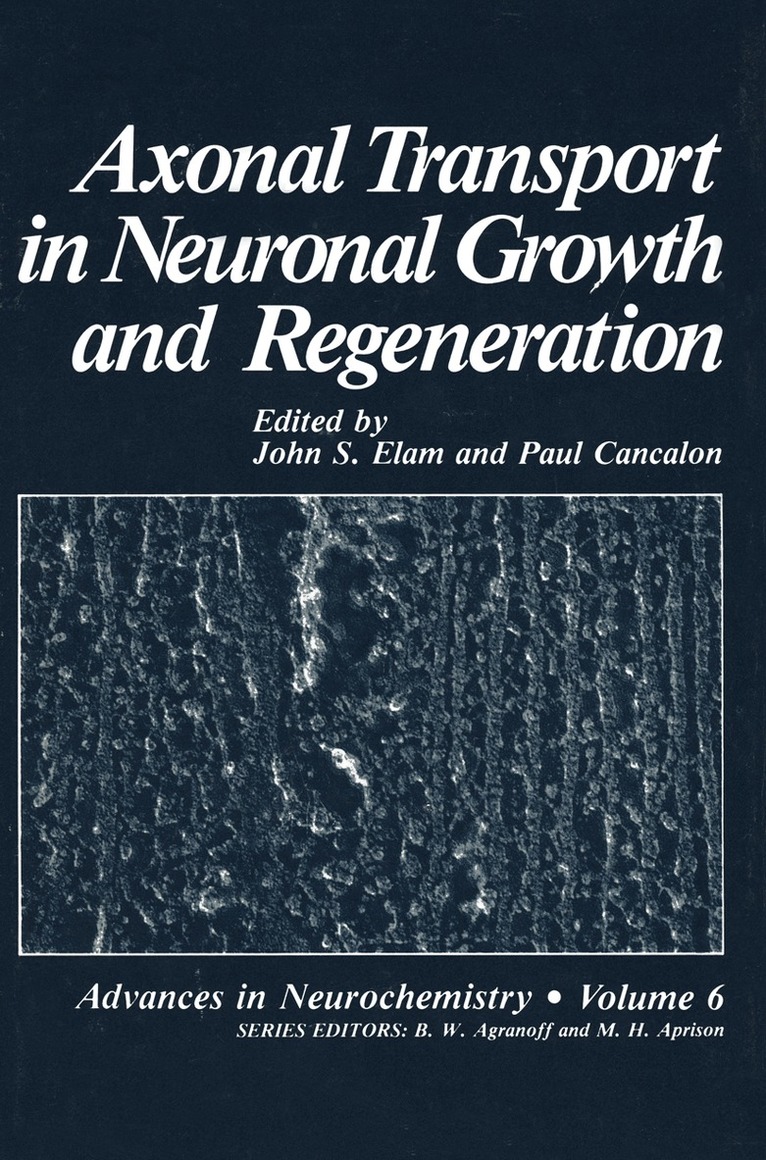
Axonal Transport in Neuronal Growth and Regeneration
Häftad, Engelska, 2013
533 kr
Skickas inom 10-15 vardagar
Over the past several years, the pace of research on the control of axonal growth has increased at a remarkable rate, and this activity is reflected in a growing literature dealing with various aspects of axonal growth and regener ation. It appears timely to review the role played by axonal transport in the intrinsic responses of neurons in the growth and regrowth processes. Through the cooperation of the senior editors of this series, we have been given the opportunity to bring such a focus to the current volume. We wish to acknowledge that the contributing authors attended a confer ence on "The Role of Axonal Transport in Neuronal Growth and Regenera tion" held in Tallahassee, Florida in March, 1983, sponsored by the Psycho biology Research Center of the Florida State University. It is our hope that many of the perceptions and insights expressed in these chapters resulted from our interactions.
1 059 kr
Skickas inom 10-15 vardagar
This series has been directed at providing scientists possessing considerable bio chemical background with specialized reviews of neurobiological interest. Some have dealt with completed bodies of research, while others consist of extensive reports of research in progress, judged to be of current interest to the active researcher. We have selected recognized scientists and allowed them freedom to reflect and speculate in the field in which they have achieved prom inence. We note with sadness the passing of Dr. 10rdi FoIch-Pi, who served as an advisory editor when the series was initiated. He played a central role in the development of neurochemistry, as well as the creation of professional societies and journals. He will be remembered fondly by all those whose lives he touched. The editors acknowledge the cooperation of the Upjohn Company in the preparation of the color plate included in this volume. We also acknowledge the skillful editorial assistance of Dr. Kenneth C. Leskawa. We are pleased to honor the retirement of Dr. E. Martin Gal, a former advisory editor of Advances, with the inclusion of a chapter by him in this volume.
533 kr
Skickas inom 10-15 vardagar
This series has addressed a constituency of scientists possessing biochemical background with the goal of providing them with specialized reviews of neu robiological interest. Since its initiation, neurochemistry and neuroscience have come of age, and the editors initiate with this volume the concept of a central theme. It is planned that each subsequent volume will also be topical. We note with sadness the passing of Dr. Henry Mahler who served as an advisory editor since the initiation of this series. He played a major role in building the bridge between biochemistry and neurochemistry and will be missed. Weare pleased to welcome two new editors, Drs. William Norton and Bruce McEwen. B. W. Agranoff M. H. Aprison vii FOREWORD Oligodendroglia constitute one of the three principal cell types of the central nervous system. These cells, together with their elaborated membranes, account for at least 25 percent of the dry mass of an adult rat brain and an even greater percentage of the central nervous system of larger animals.