African American Cultural Theory and Heritage – Serie
Visar alla böcker i serien African American Cultural Theory and Heritage. Handla med fri frakt och snabb leverans.
14 produkter
14 produkter
351 kr
Skickas inom 10-15 vardagar
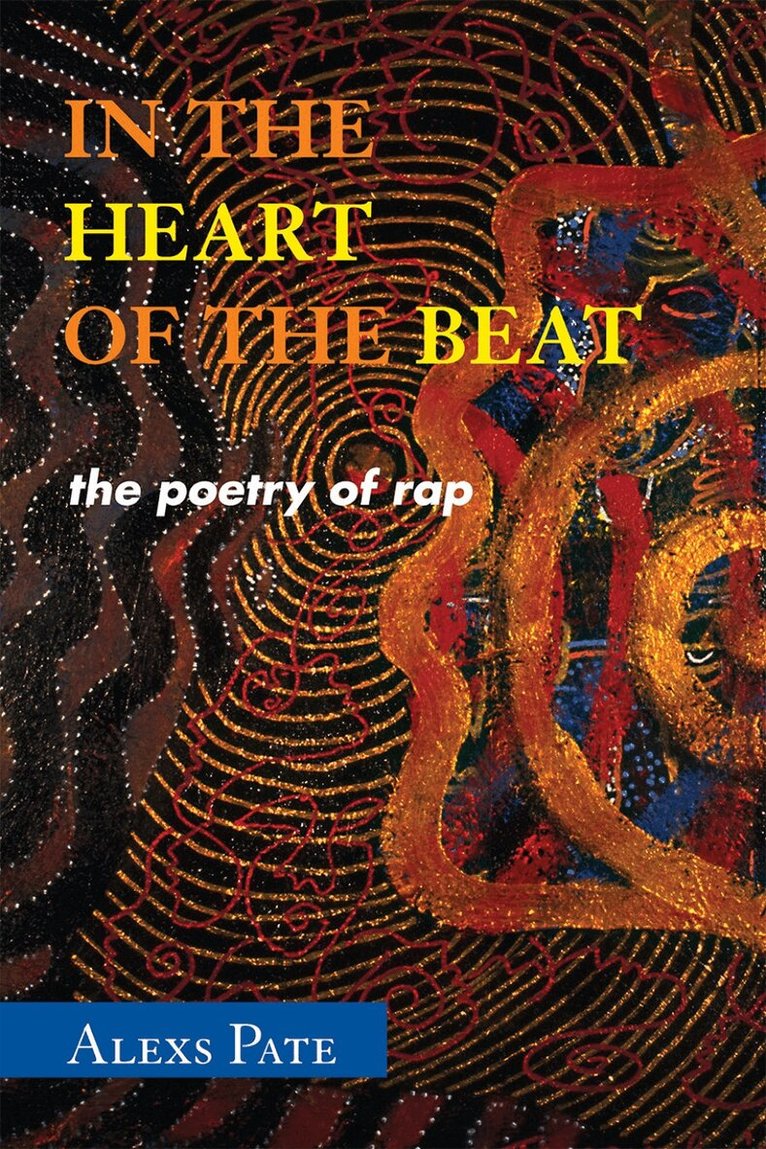
Despite its extraordinary popularity and worldwide influence, the world of rap and hip hop is under constant attack. Impressions and interpretations of its meaning and power are perpetually being challenged. Somewhere someone is bemoaning the negative impact of rap music on contemporary culture. In In the Heart of the Beat: The Poetry of Rap, bestselling author and scholar Alexs Pate argues for a fresh understanding of rap as an example of powerful and effective poetry, rather than a negative cultural phenomenon.Pate articulates a way of "reading" rap that makes visible both its contemporary and historical literary values. He encourages the reader to step beyond the dominance of the beat and the raw language and come to an appreciation of rap's literary and poetic dimensions. What emerges is a vision of rap as an exemplary form of literary expression, rather than a profane and trendy musical genre. Pate focuses on works by several well-known artists to reveal in rap music, despite its penchant for vulgarity, a power and beauty that is the heart of great literature.
1 160 kr
Skickas inom 10-15 vardagar
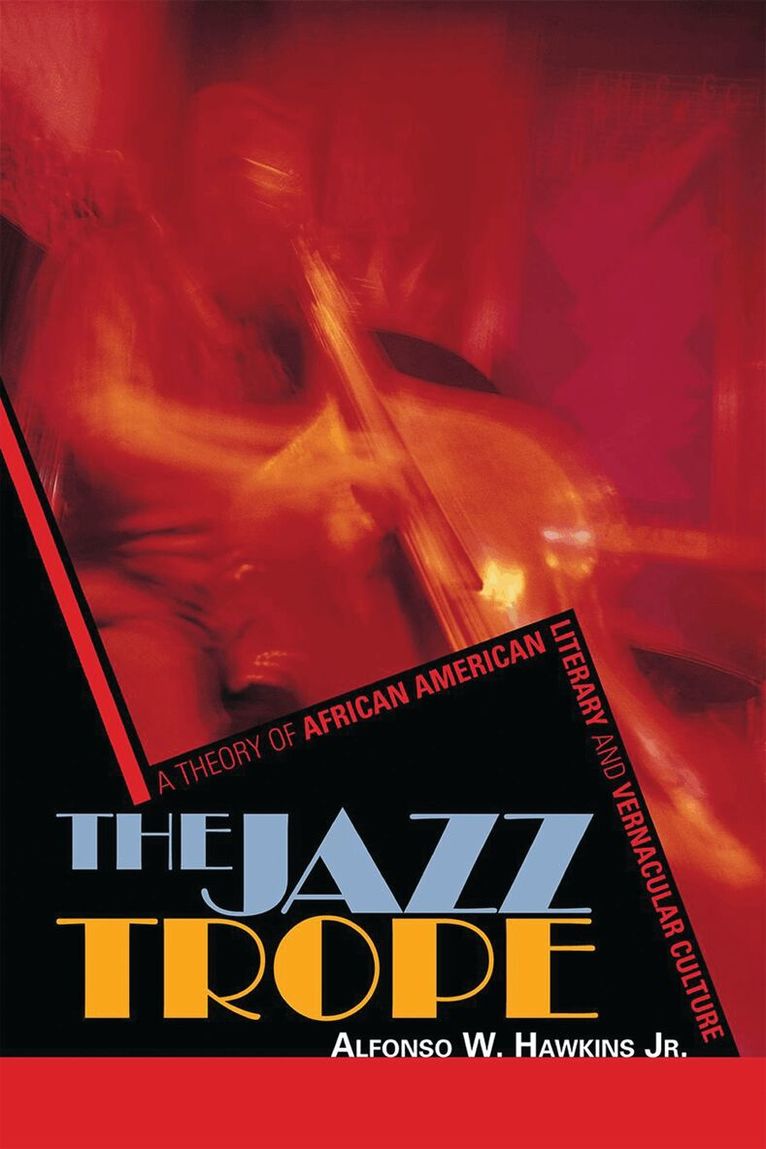
The Jazz Trope takes a look at the African American lifestyle through the lens of jazz, blues, and spirituals. Through the pioneering efforts of Albert Murray, Ralph Ellison, Houston Baker, Henry Louis Gates, Jr., Ishmael Reed, Amiri Baraka, and other notable scholars who have related jazz, spirituals, and blues to African American life and culture, The Jazz Trope offers an opportunity to add scholarship to the perception of African American identity as a creative attempt to survive a unique history and struggle.Transcending structure and the perimeters that it limits, African American musical statements were produced out of a human need to be free. Using jazz as a metaphor for escaping slavery, jazz can be seen as a creative attempt to exceed restriction through the act of improvisation; jazz takes a known melody and changes it to create a personal identity. The literary genre of African American life reflects this melding of musical milieu. It tells through tropes of the folktale, novel, self-script, slave narrative, myth, and legend a unique American experience and history.This book also explores motives and schemes that were hidden behind musical codes, illustrating that jazz (interrelated with its foundation in blues and spirituals) existed as a pre-musical statement and, then, manifested as it is more popularly known: as a musical statement. The Jazz Trope allows students to grasp the jazz song structure within this work and liken it to the tropes that it emits: a true American identity.
1 039 kr
Skickas inom 10-15 vardagar
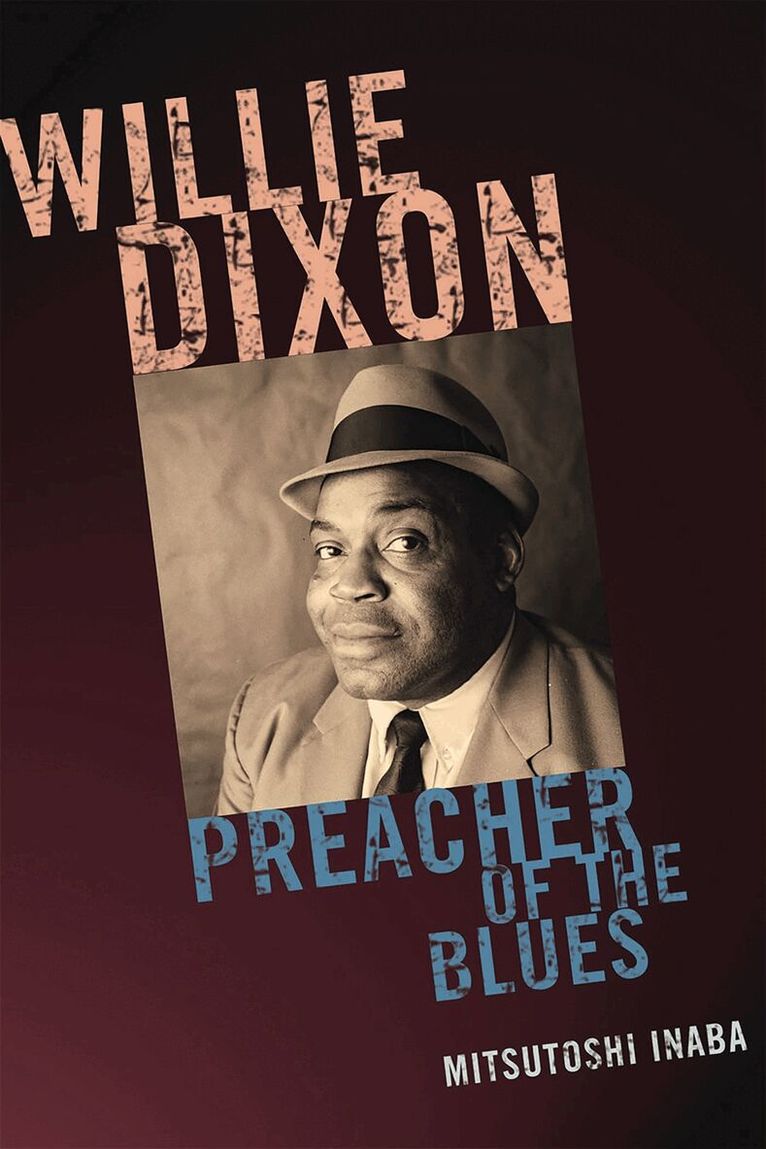
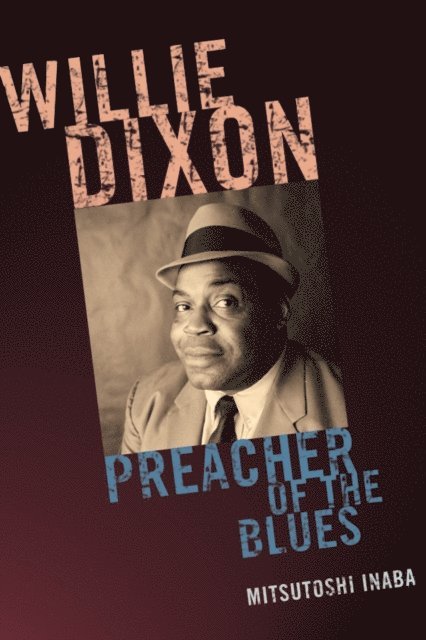
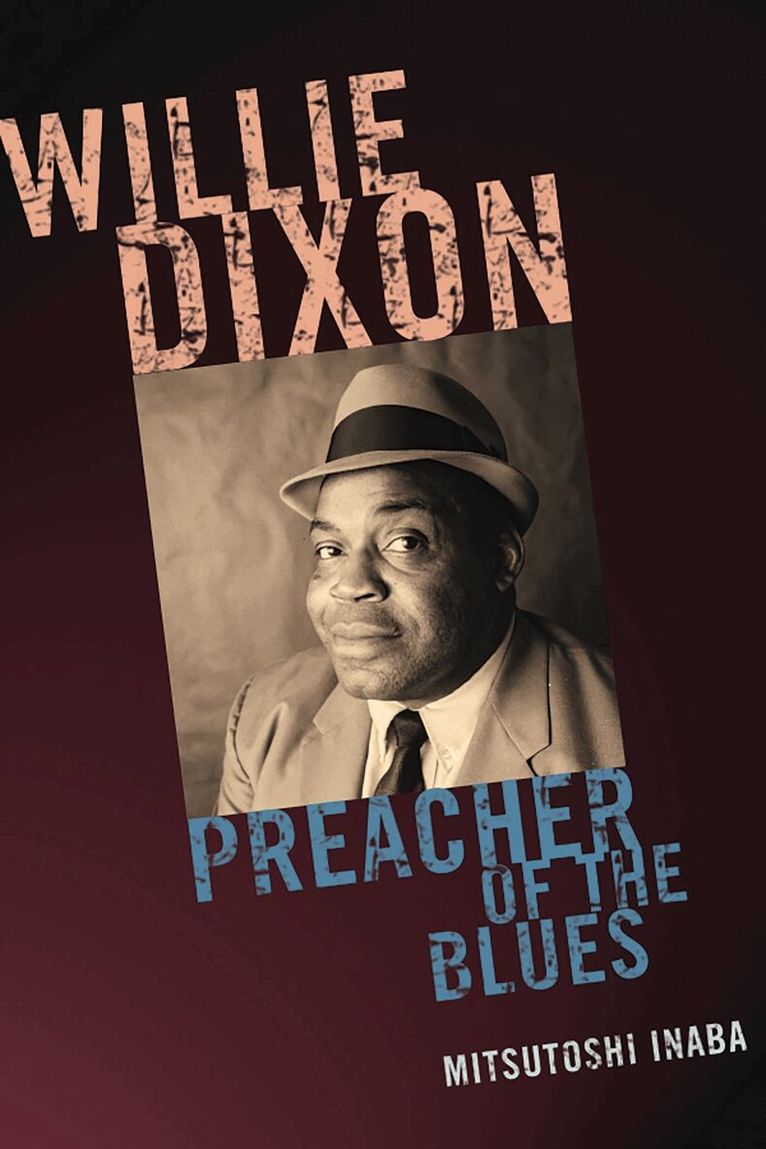
One of the greats of blues music, Willie Dixon was a recording artist whose abilities extended beyond that of bass player. A singer, songwriter, arranger, and producer, Dixon's work influenced countless artists across the music spectrum. In Willie Dixon: Preacher of the Blues, Mitsutoshi Inaba examines Dixon's career, from his earliest recordings with the Five Breezes through his major work with Chess Records and Cobra Records.Focusing on Dixon's work on the Chicago blues from the 1940s to the early 1970s, this book details the development of Dixon's songwriting techniques from his early professional career to his mature period and compares the compositions he provided for different artists. This volume also explores Dixon's philosophy of songwriting and its social, historical, and cultural background. This is the first study to discuss his compositions in an African American cultural context, drawing upon interviews with his family and former band members. This volume also includes a detailed list of Dixon's session work, in which his compositions are chronologically organized.
764 kr
Skickas inom 10-15 vardagar
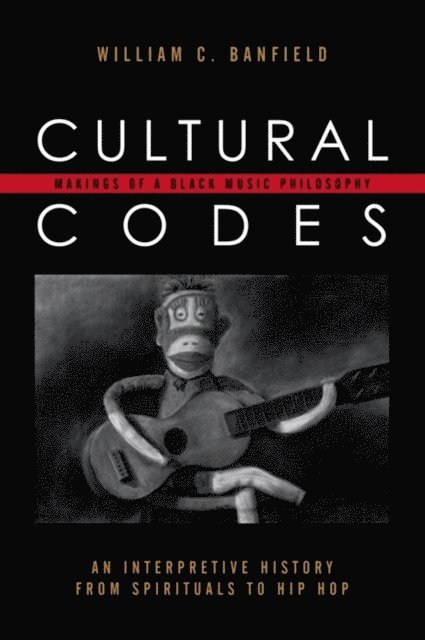
No art can survive without an understanding of, and dedication to, the values envisioned by its creators. No culture over time has existed without a belief system to sustain its survival. Black music is no different. In Cultural Codes: Makings of a Black Music Philosophy, William C. Banfield engages the reader in a conversation about the aesthetics and meanings that inform this critical component of our social consciousness.By providing a focused examination of the historical development of Black music artistry, Banfield formulates a useable philosophy tied to how such music is made, shaped, and functions. In so doing, he explores Black music culture from three angles: history, education, and the creative work of the musicians who have moved the art forward. In addition to tracing Black music from its African roots to its various contemporary expressions, including jazz, soul, R&B, funk, and hip hop, Banfield profiles some of the most important musicians over the last century: W.C. Handy, Scott Joplin, Louis Armstrong, Duke Ellington, Count Basie, Mary Lou Williams, John Coltrane, James Brown, Jimi Hendrix, and Stevie Wonder, among others. Cultural Codes provides an educational and philosophical framework for students and scholars interested in the traditions, the development, the innovators, and the relevance of Black music.
599 kr
Skickas inom 10-15 vardagar
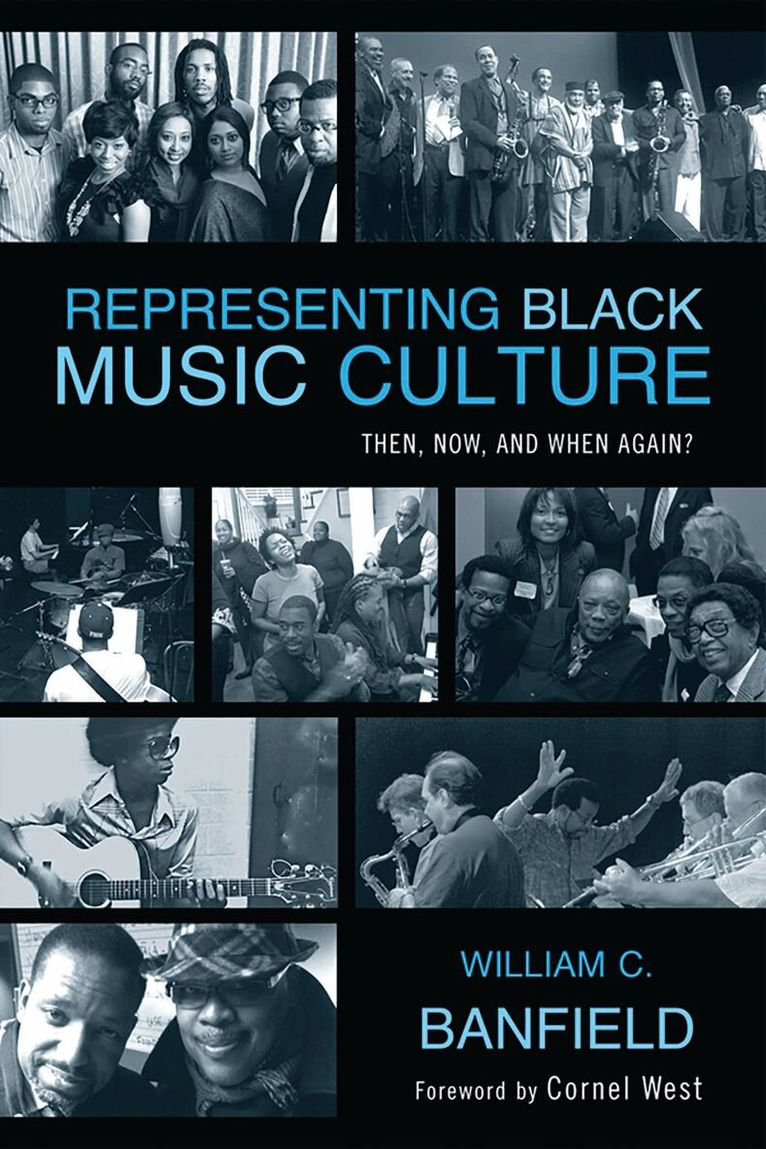
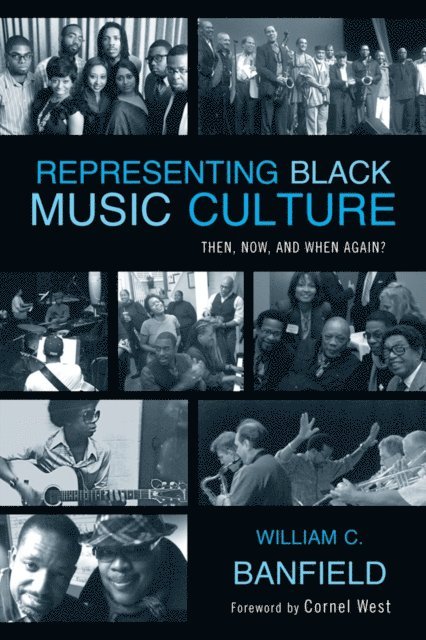
In this collection of essays, interviews, and profiles, William Banfield reflects on his life as a musician and educator, as he weaves together pieces of cultural criticism and artistry, all the while paying homage to Black music of the last 40 years and beyond. In Representing Black Music Culture: Then, Now, and When Again?, Banfield honors the legacy of artists who have graced us with their work for more than half a century.The essays and interviews in this collection are enhanced by seven years of daily diary entries, which reflect on some of the country's most respected Black composers, recording artists, authors, and cultural icons. These include Ornette Coleman, Bobby McFerrin, Toni Morrison, Amiri Baraka, Gordon Parks, the Marsalis brothers, Spike Lee, Maya Angelou, Patrice Rushen, and many others. Though many of the individuals Banfield lauds are well-known to most readers, he also turns his attention to musicians and artists whose work, while perhaps unheralded by the world at large, are no less deserving of praise and respect for their contributions to the culture. In addition, this volume is filled with candid photographs of many of these fellow artists as they participate in expressive culture, whether on stage, on tour, in clubs, behind the scenes, in rehearsal, or even during meals and teaching class.This unique book of essays, interviews, diary entries, and Banfield's personal photographs will be of interest to scholars and students, of course, but also to general readers interested in absorbing and appreciating the beauty of Black culture.
1 076 kr
Skickas inom 10-15 vardagar
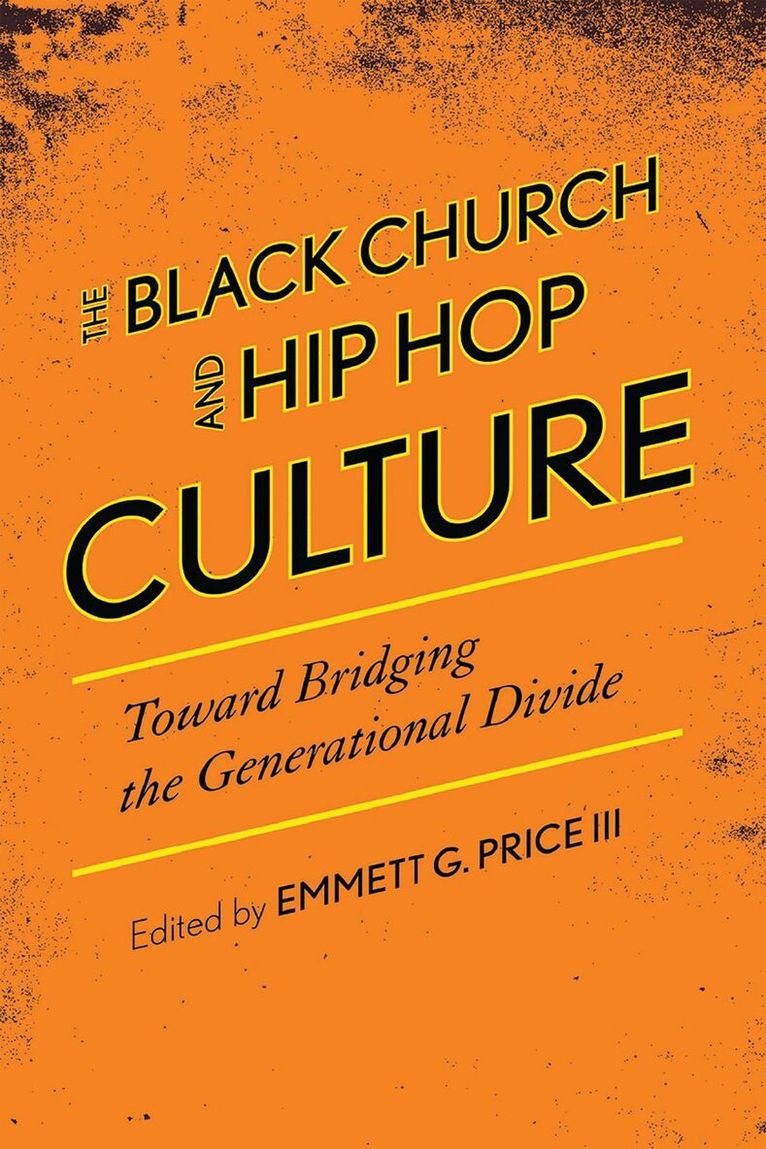
Throughout the 1950s and 1960s, the Black Church stood as the stronghold of the Black Community, fighting for equality and economic self-sufficiency and challenging its body to be self-determined and self-aware. Hip Hop Culture grew from disenfranchised urban youth who felt that they had no support system or resources. Impassioned with the same urgent desires for survival and hope that their parents and grandparents had carried, these youth forged their way from the bottom of America’s belly one rhyme at a time. For many young people, Hip Hop Culture is a supplement, or even an alternative, to the weekly dose of Sunday-morning faith.In this collection of provocative essays, leading thinkers, preachers, and scholars from around the country confront both the Black Church and the Hip Hop Generation to realize their shared responsibilities to one another and the greater society. Arranged into three sections, this volume addresses key issues in the debate between two of the most significant institutions of Black Culture. The first part, “From Civil Rights to Hip Hop,” explores the transition from one generation to another through the transmission—or lack thereof—of legacy and heritage. Part II, “Hip Hop Culture and the Black Church in Dialogue,” explores the numerous ways in which the conversation is already occurring—from sermons to theoretical examinations and spiritual ponderings. Part III, “Gospel Rap, Holy Hip Hop, and the Hip Hop Matrix,” clarifies the perspectives and insights of practitioners, scholars, and activists who explore various expressions of faith and the diversity of locations where these expressions take place.In The Black Church and Hip Hop Culture, pastors, ministers, theologians, educators, and laypersons wrestle with the duties of providing timely commentary, critical analysis, and in some cases practical strategies toward forgiveness, healing, restoration, and reconciliation. With inspiring reflections and empowering discourse, this collection demonstrates why and how the Black Church must re-engage in the lives of those who comprise the Hip Hop Generation.
528 kr
Skickas inom 10-15 vardagar
Throughout the 1950s and 1960s, the Black Church stood as the stronghold of the Black Community, fighting for equality and economic self-sufficiency and challenging its body to be self-determined and self-aware. Hip Hop Culture grew from disenfranchised urban youth who felt that they had no support system or resources. Impassioned with the same urgent desires for survival and hope that their parents and grandparents had carried, these youth forged their way from the bottom of America’s belly one rhyme at a time. For many young people, Hip Hop Culture is a supplement, or even an alternative, to the weekly dose of Sunday-morning faith.In this collection of provocative essays, leading thinkers, preachers, and scholars from around the country confront both the Black Church and the Hip Hop Generation to realize their shared responsibilities to one another and the greater society. Arranged into three sections, this volume addresses key issues in the debate between two of the most significant institutions of Black Culture. The first part, “From Civil Rights to Hip Hop,” explores the transition from one generation to another through the transmission—or lack thereof—of legacy and heritage. Part II, “Hip Hop Culture and the Black Church in Dialogue,” explores the numerous ways in which the conversation is already occurring—from sermons to theoretical examinations and spiritual ponderings. Part III, “Gospel Rap, Holy Hip Hop, and the Hip Hop Matrix,” clarifies the perspectives and insights of practitioners, scholars, and activists who explore various expressions of faith and the diversity of locations where these expressions take place.In The Black Church and Hip Hop Culture, pastors, ministers, theologians, educators, and laypersons wrestle with the duties of providing timely commentary, critical analysis, and in some cases practical strategies toward forgiveness, healing, restoration, and reconciliation. With inspiring reflections and empowering discourse, this collection demonstrates why and how the Black Church must re-engage in the lives of those who comprise the Hip Hop Generation.
1 213 kr
Skickas inom 10-15 vardagar
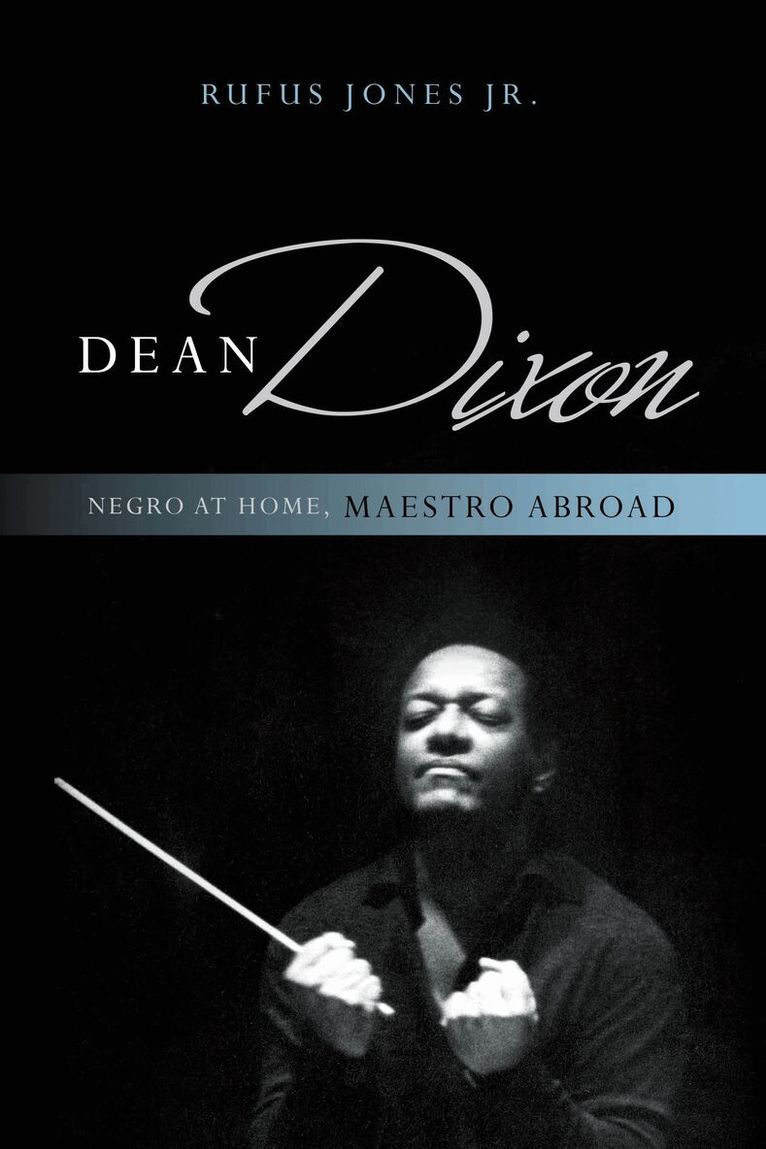
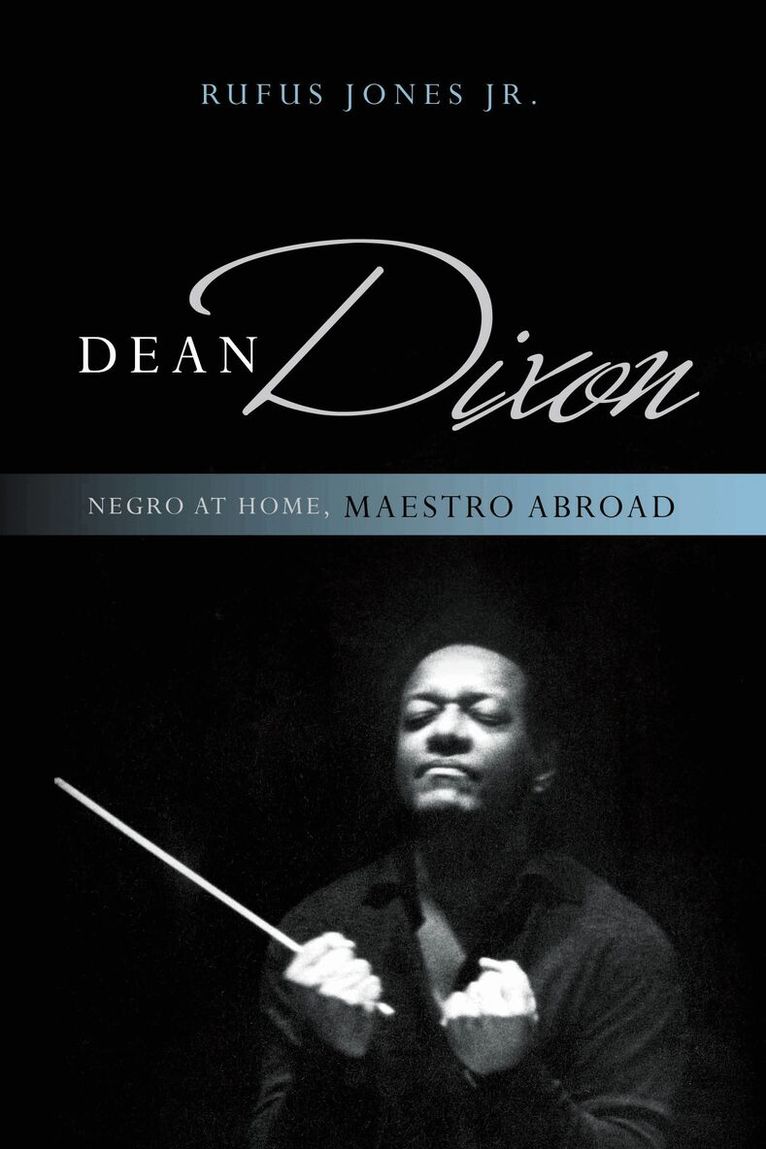
In Dean Dixon: Negro at Home, Maestro Abroad, conductor and scholar Rufus Jones Jr. brings to light a literal treasure trove of unpublished primary sources to tell the compelling story of this great American conductor. A testament to Dixon’s resolve, this first-ever full-length biography of this American musical hero chronicles Dixon’s musical upbringing, beginnings as a conductor, painful decision to leave his own country, rise to fame in Europe and his triumphant stand twenty-one years later when he returned to the United States to serve as a model for aspiring Black classical musicians.Dean Dixon: Negro at Home, Maestro Abroad will interest anyone who wants to know more about Black American history, American musical culture, and Black American concert music and musicians.More information is available at: www.maestroabroad.com
686 kr
Skickas inom 7-10 vardagar
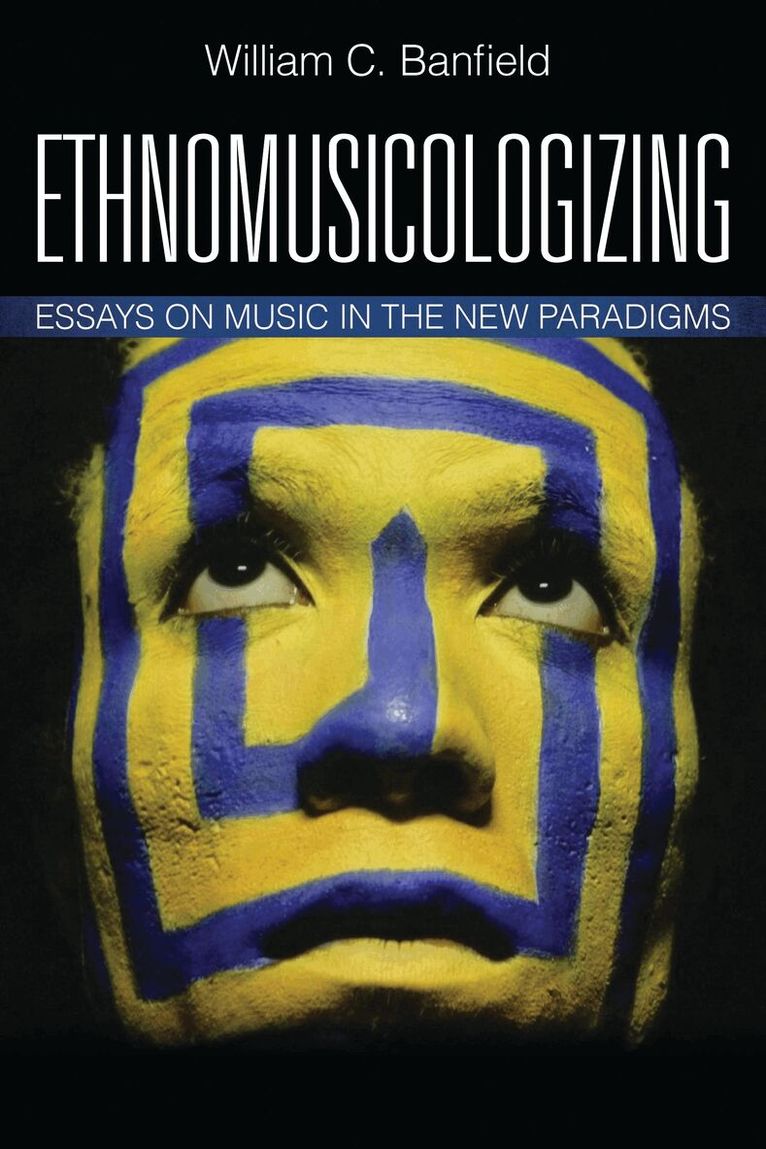
In Ethnomusicologizing: Essays on Music in the New Paradigms, composer and musicologist brings together a series of essays on music making in contemporary culture. More specifically, it focuses on the myriad ways we engage with music—as makers, as listeners, as consumers, as producers. Banfield labels this fully engaged process as “ethnomusicologizing,” as he explores the ways we create, share, teach, and discuss music. Throughout he argues that music is more than the experience of structured sound. It is rather a way of being more critically present as musicians and as citizens of sharing in the world itself. Ethnomusicologizing contains writings on contemporary music and culture studies, offering glimpses on more than just music history through reflective essays, interviews with contemporary artists, and exercises in the analysis and criticism of popular culture. In this work, Banfield instructs readers in the ways by which we may better appreciate and understand creative artistry and process, and their relation to history and its meaning. The essays comprise a choir of voices and perspectives that provide insight into contemporary music culture that provide readers a text that uses his own experiences as a musician—and in particular his travels through the musical world of Cuba—as well as his takes on contemporary popular recording artists, American music traditions, and music education to explore every aspect of creating, performing, and being in music. Offering many points of entry into the idea that musical experience, global citizenship and community-mindedness are all parts of a greater whole, Ethnomusicologizing encourages artists and readers to talk about the meaning of music—and art more generally—in entirely new ways.
695 kr
Skickas inom 10-15 vardagar
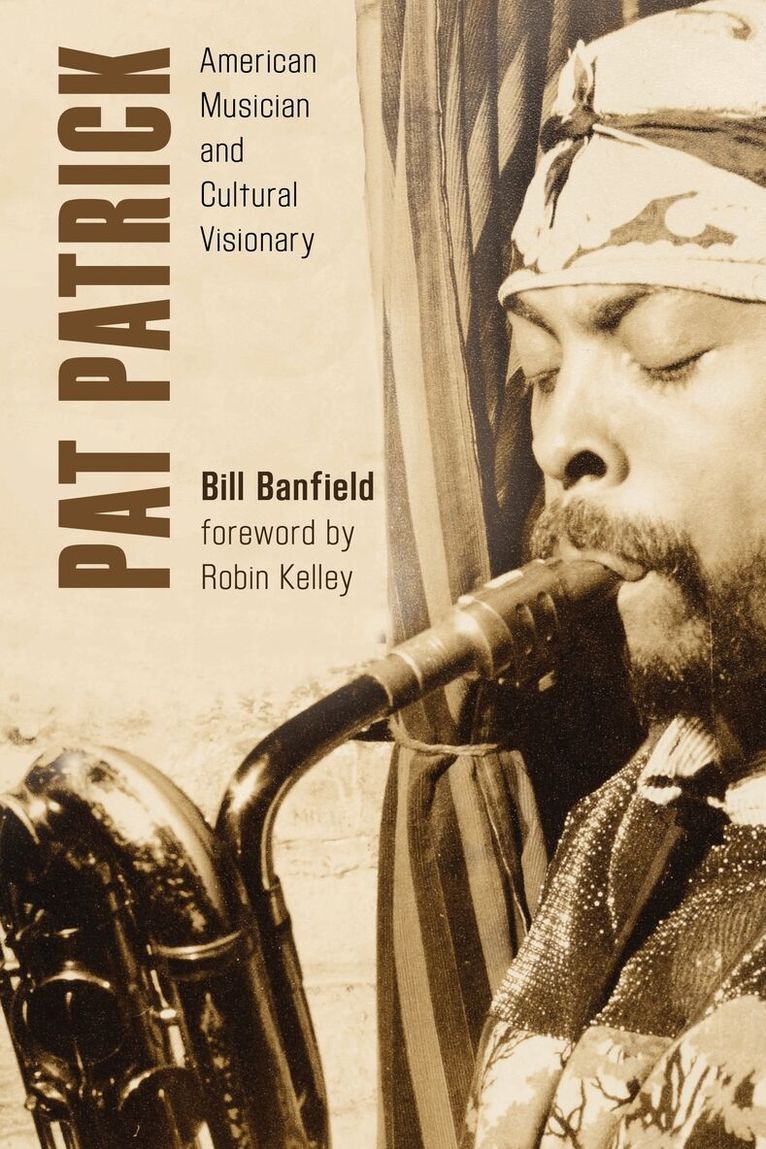
Saxophonist, multi-wind player, arranger, composer, music director, theater works producer, educator, and visionary, Pat Patrick performed with Duke Ellington’s and Quincy Jones’ orchestras, Thelonious Monk, Mongo Santamaria, Nat King Cole, James Moody, Eric Dolphy, Marvin Gaye, Patti Labelle, and Billy Taylor. Most of his career, however, was spent laying down the baseline grooves on the baritone saxophone with the indefinable Sun Ra Archestra for over 35 years. Based on research in the recently opened archive of personal papers, artifacts, scrapbooks, music, news clippings and photographs, Pat Patrick: American Musician and Cultural Visionary, explores the life and influence of this important musical man-behind-the-scenes. Musicologist Bill Banfield weaves a treasure trove of primary source material—including interviews with Patrick's family, friends, and associates—into a tapestry of Patrick’s remarkable life as the musical right hand of some of America’s greatest Black musical artists.
1 284 kr
Skickas inom 10-15 vardagar
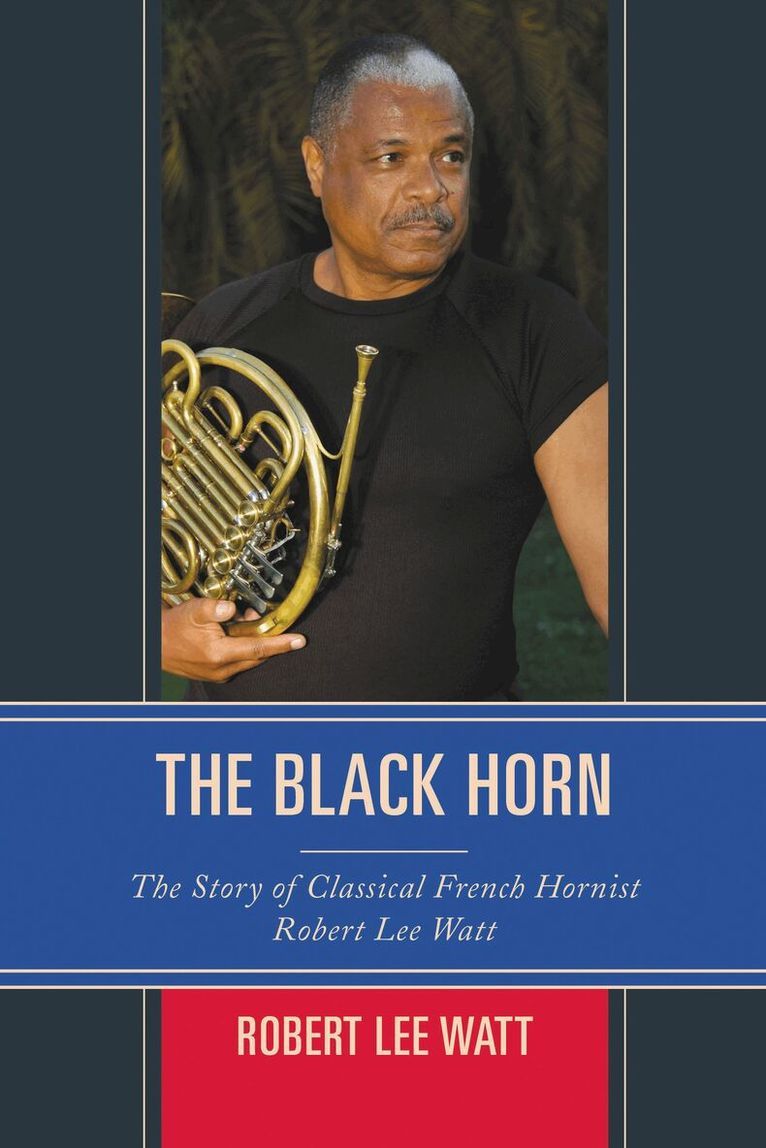
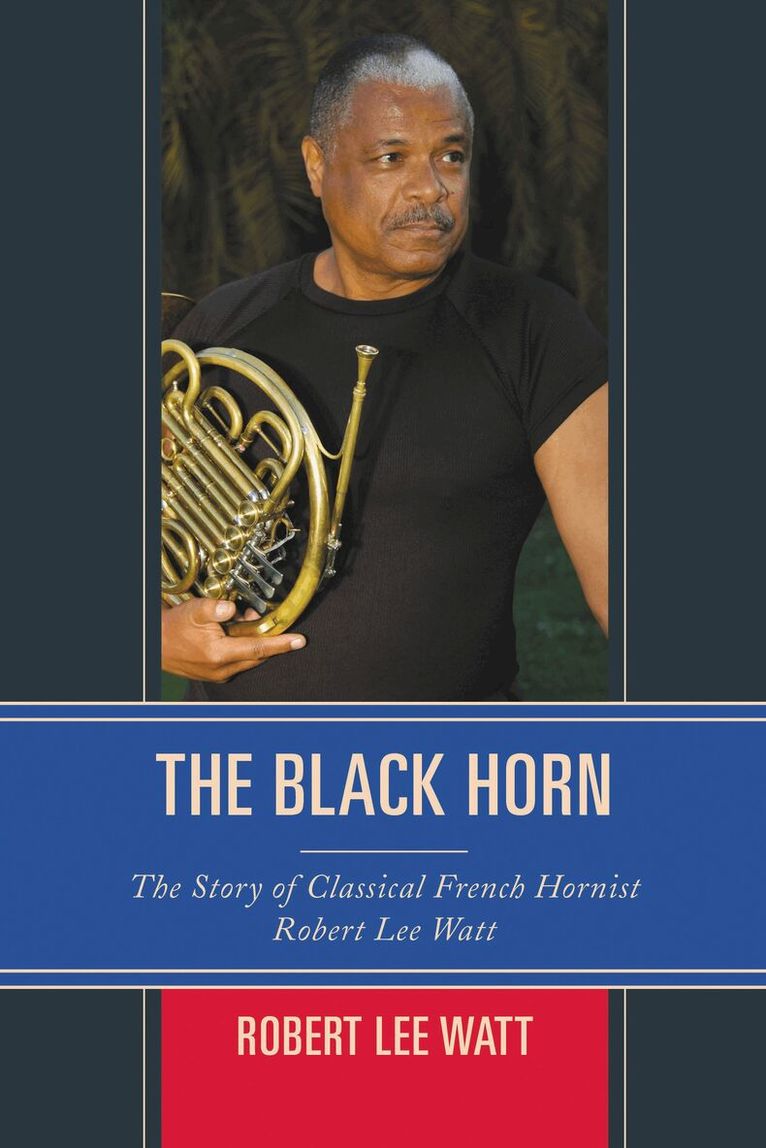
The Black Horn: The Story of Classical French Hornist Robert Lee Watt tells the story of the first African American French Hornist hired by a major symphony in the United States. Today, few African Americans hold chairs in major American symphony orchestras, and Watt is the first in many years to write about this uniquely exhilarating—and at times painful—experience. The Black Horn chronicles the upbringing of a young boy fascinated by the sound of the French horn. Watt walks readers through the many obstacles of the racial climate in the United States, both on and off stage, and his efforts to learn and eventually master an instrument little considered in the African American community. Even the author’s own father, who played trumpet, sought to dissuade the young classical musician in the making. He faced opposition from within the community—where the instrument was deemed by Watt’s father a “middle instrument suited only for thin-lipped white boys”—and from without. Watt also documented his struggles as a student at a nearly all-white major music conservatory, as well as his first job in a major symphony orchestra after the conservatory canceled his scholarship.Watt subsequently chronicles his triumphs and travails as a musician when confronting the realities of race in America and the world of classical music. This book will surely interest any classical musician and student, particularly those of color, seeking to grasp the sometimes troubled history of being the only “black horn.”
617 kr
Skickas inom 10-15 vardagar
One of the greats of blues music, Willie Dixon was a recording artist whose abilities extended beyond that of bass player. A singer, songwriter, arranger, and producer, Dixon's work influenced countless artists across the music spectrum. In Willie Dixon: Preacher of the Blues, Mitsutoshi Inaba examines Dixon's career, from his earliest recordings with the Five Breezes through his major work with Chess Records and Cobra Records.Focusing on Dixon's work on the Chicago blues from the 1940s to the early 1970s, this book details the development of Dixon's songwriting techniques from his early professional career to his mature period and compares the compositions he provided for different artists. This volume also explores Dixon's philosophy of songwriting and its social, historical, and cultural background. This is the first study to discuss his compositions in an African American cultural context, drawing upon interviews with his family and former band members. This volume also includes a detailed list of Dixon's session work, in which his compositions are chronologically organized.
603 kr
Skickas inom 10-15 vardagar
The Black Horn: The Story of Classical French Hornist Robert Lee Watt tells the story of the first African American French Hornist hired by a major symphony in the United States. Today, few African Americans hold chairs in major American symphony orchestras, and Watt is the first in many years to write about this uniquely exhilarating—and at times painful—experience. The Black Horn chronicles the upbringing of a young boy fascinated by the sound of the French horn. Watt walks readers through the many obstacles of the racial climate in the United States, both on and off stage, and his efforts to learn and eventually master an instrument little considered in the African American community. Even the author’s own father, who played trumpet, sought to dissuade the young classical musician in the making. He faced opposition from within the community—where the instrument was deemed by Watt’s father a “middle instrument suited only for thin-lipped white boys”—and from without. Watt also documented his struggles as a student at a nearly all-white major music conservatory, as well as his first job in a major symphony orchestra after the conservatory canceled his scholarship.Watt subsequently chronicles his triumphs and travails as a musician when confronting the realities of race in America and the world of classical music. This book will surely interest any classical musician and student, particularly those of color, seeking to grasp the sometimes troubled history of being the only “black horn.”
520 kr
Skickas inom 10-15 vardagar
In Dean Dixon: Negro at Home, Maestro Abroad, conductor and scholar Rufus Jones Jr. brings to light a literal treasure trove of unpublished primary sources to tell the compelling story of this great American conductor. A testament to Dixon’s resolve, this first-ever full-length biography of this American musical hero chronicles Dixon’s musical upbringing, beginnings as a conductor, painful decision to leave his own country, rise to fame in Europe and his triumphant stand twenty-one years later when he returned to the United States to serve as a model for aspiring Black classical musicians.Dean Dixon: Negro at Home, Maestro Abroad will interest anyone who wants to know more about Black American history, American musical culture, and Black American concert music and musicians.More information is available at: www.maestroabroad.com