African Migration and Diaspora Series - Böcker
Visar alla böcker i serien African Migration and Diaspora Series. Handla med fri frakt och snabb leverans.
2 produkter
2 produkter
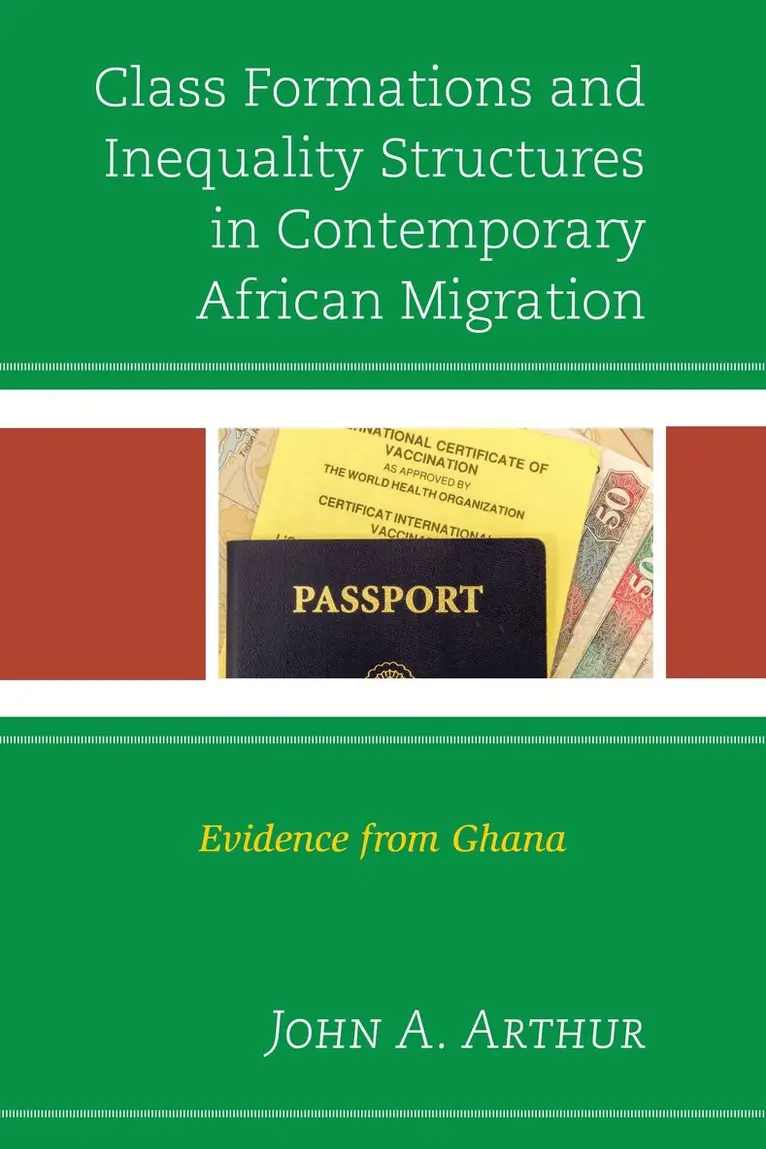
Class Formations and Inequality Structures in Contemporary African Migration
Evidence from Ghana
Inbunden, Engelska, 2014
1 476 kr
Skickas inom 10-15 vardagar
This book examines the influences of social class and inequality structures on migration in Africa using information from Ghana. As the country achieves moderate to significant economic gains driven (in part) by the country’s diaspora communities, the desire to migrate has intensified. Migration is now synonymous with social mobility and self-improvement. It has been found that existing class and status inequalities are analytically inseparable from the social and cultural processes underpinning the motivations behind Ghanaian migration. Migrant class and socioeconomic attributes are closely intertwined, reinforcing and operating at every level of the migration decision-making to influence the motivation to migrate, the type and form of migration, the direction of the migration, its timing, and ultimately the outcomes and expectations that migrants associate with their decision to migrate.From a historical and contemporary perspective, this book argues that power and class-based structural relationships are significant components in understanding how migratory diasporas shape and are shaped in turn by social class and inequality. The social class identities that Ghanaian immigrants manifest in the United States are often based on immigrant formulations and importation of class dynamics from the home country. These identities are then transformed in the countries of destination and replayed or relived back home, thereby creating multiple class identities that are powerful forces in inducing social changes. In essence, migrant social class attributes formed before and post-migration is significant because it holds the possibilities of transforming the social structures of migrant-sending countries. As migrants return home and seek reintegration into the body polity of the home society, conflicts emanating from changes in their class dynamics may hinder or promote sociocultural and economic development. Hence, the imperative of the central government is to understand and incorporate into national development planning the social class characteristics of its citizens who are leaving, as well as those who are returning.
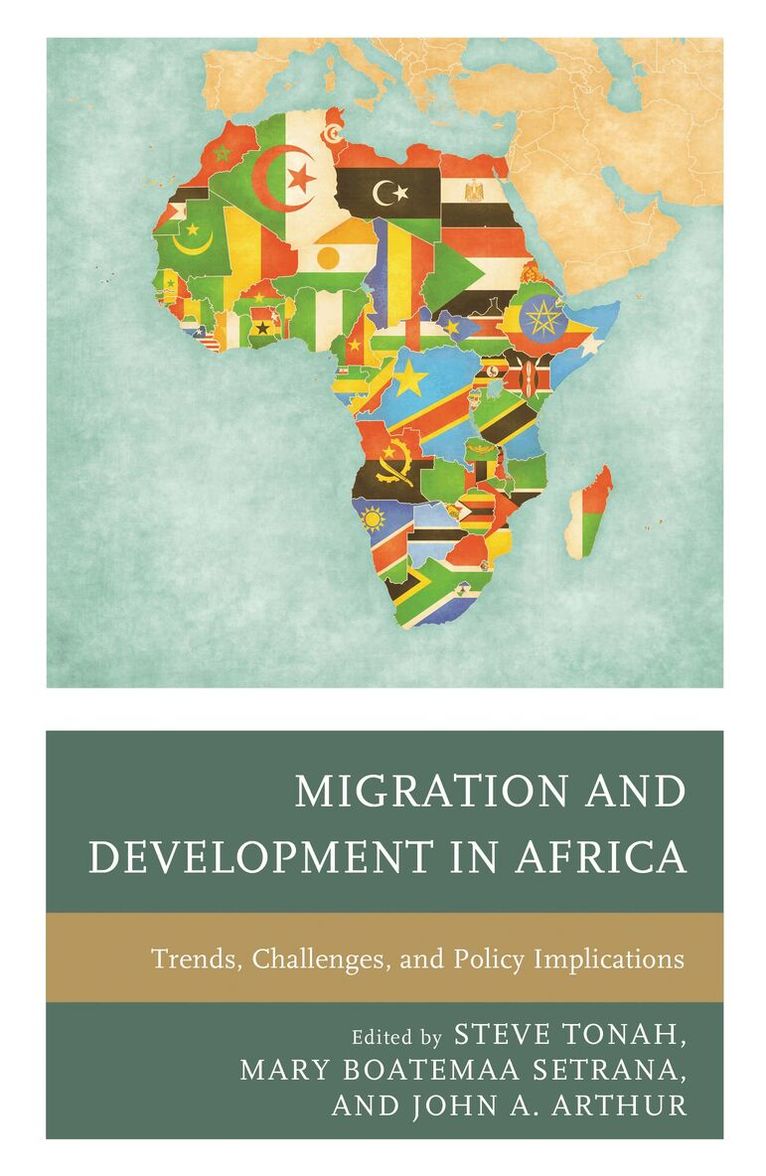
Migration and Development in Africa
Trends, Challenges, and Policy Implications
Inbunden, Engelska, 2017
1 209 kr
Skickas inom 10-15 vardagar
There are only a few studies that analyze the complex relationship between Migration and development in Africa. The book presents the main trends in African migration since the last two decades. It analyzes the major migration trends, the various migration hubs across the continent and the underlying factors explaining the changing nature of migration across the continent. A few of the chapters in the book examine the phenomenon of migration from a national perspective by focusing on migration trends in countries such as Ghana, Cameroon, Kenya, and Nigeria. Two chapters examine the migration links between Africa and Europe with one of them focusing on the political links between Ghana and the Netherlands while the other focuses on economic exchanges between the Cameroonian diaspora in Germany and selected groups and organizations in Cameroon. The uniqueness of this book lies in the varied disciplinary viewpoints used by the authors in explaining the phenomenon of migration and development in Africa. The authors are specialists in the fields of sociology, anthropology, geography, history, philosophy and migration studies. Examining migration from so many different perspectives enriches the analysis and brings in new insights that would otherwise have been missing with the use of a single disciplinary perspective. The book recommends the need for policy coordination by national governments of both origin and destination countries to manage the size and composition of migrants. Most migrant-receiving countries prefer to receive professionals and persons with the required skills and training while keeping out the bulk of untrained and lowly-skilled persons. The result of this is that most migrants leave their countries and enter their destination countries illegally, swelling the numbers of undocumented immigrants.