AFRICANAS - Böcker
Visar alla böcker i serien AFRICANAS. Handla med fri frakt och snabb leverans.
3 produkter
3 produkter
1 033 kr
Skickas inom 7-10 vardagar
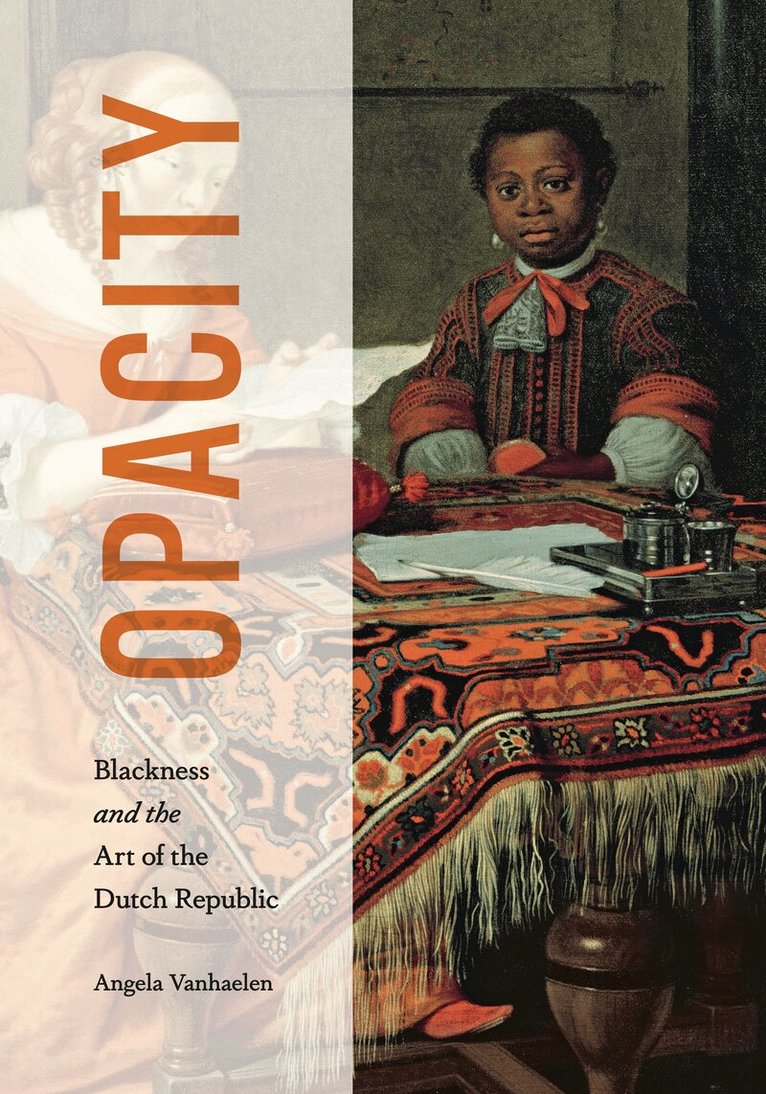
As Dutch merchants became drivers of the transatlantic slavery business in the seventeenth century, Dutch art increasingly used Blackness to signal slavery and servitude. In this brilliant and pathbreaking work, Angela Vanhaelen proposes new ways of looking at Dutch paintings that do not equate Blackness with enslavement. Vanhaelen reframes the conversation on Netherlandish art by placing seventeenth-century domestic scenes and portraits in dialogue with images of trading forts, markets, and plantations in West Africa and Brazil. She argues that Dutch paintings depicting enslaved Black Africans—for example, Frans Hals’s Family Group in a Landscape—not only obscure information about the institution of slavery but fail to capture the resistance and dissent of people who did not conform to the anti-Black world created by Dutch art. Opacity leads readers to grapple with difficult and complex questions: How do we reconcile images of peace and prosperity with the horror of the slave trade? How do we teach imagery of Black people as enslaved without reinforcing anti-Black racism? Can we interpret dehumanizing imagery in ways that consider the complexities of enslavement?Refusing to view Dutch pictures on their own terms, Opacity recognizes the historical persistence of non-sovereign positions, anticolonial settlements, non-patriarchal homeplaces, open-ended forms of religion and culture, as well as the possibilities of oppositional modes of world-making. This important, thought-provoking book will be essential reading for students and scholars of Black studies and early modern European art history as well as general readers looking for a fresh approach to Dutch art of the period.
1 319 kr
Skickas
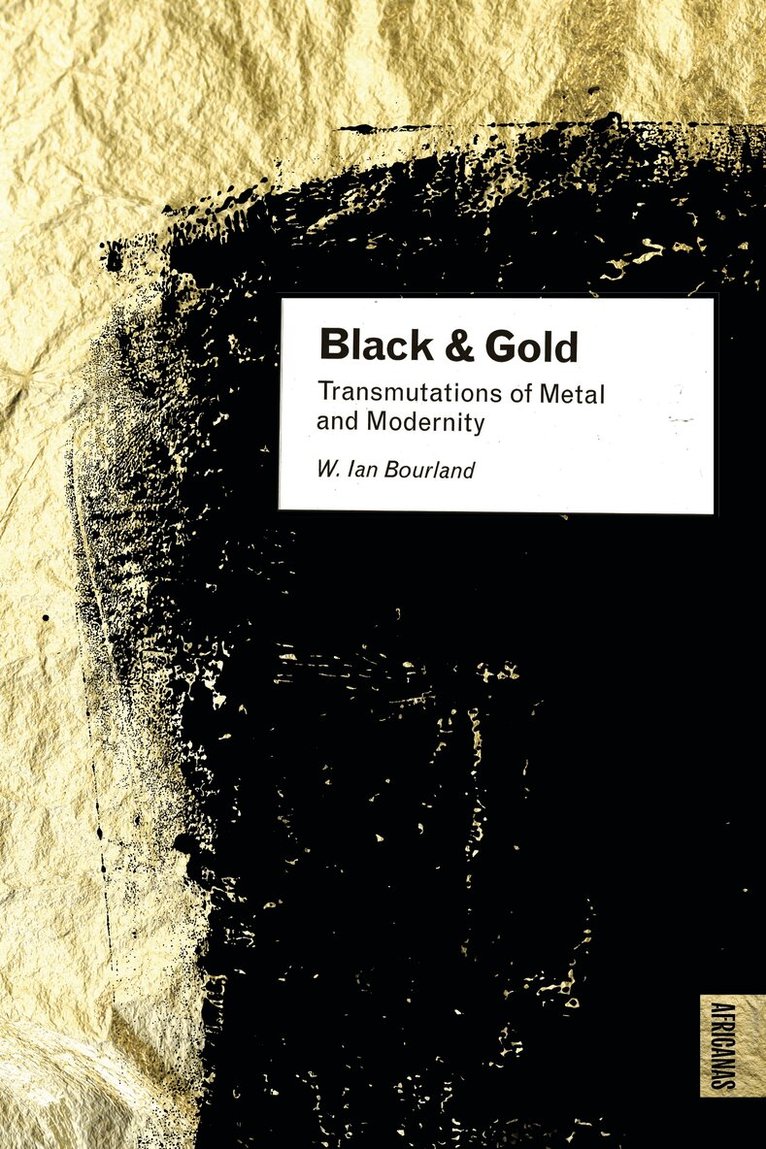
For centuries, Africa has been the center of the global trade in gold. Synonymous with wealth and power in African cultures, this precious metal was also central to the emergence of Europe’s colonial empires and the contemporary world made in their wake. Black and gold have thus always been conjoined and yet set in opposition: blackness as negation, gold as universal standard of value. Black & Gold is a genealogy of this seeming contradiction—a global history of value told through episodes of Black creative practice.Featuring the work of acclaimed contemporary artists such as Yinka Shonibare, Theaster Gates, Wangechi Mutu, El Anatsui, Chris Ofili, and Kerry James Marshall, this book unearths a series of historical and ecological connections—the mining of gold on the continent and its relationship to the diaspora, “black gold” as a colloquialism for oil, and Blackness as a form of cultural “gold.” By bringing early modern histories of alchemy, art, and colonial contact into the present, W. Ian Bourland tells a multifaceted story about the fetishization of gold, driven by an impulse to extract Blackness and refine people and matter into ever greater forms of abstraction with devastating consequences for the environment and humanity. In simplest terms, Black & Gold reconsiders the material and symbolic life of gold and the Black labor that has always sustained it. It will resonate with art critics and scholars, museumgoers and collectors, and anyone interested in modern and contemporary art, the Black Atlantic, and global histories of empire and culture.
364 kr
Skickas inom 7-10 vardagar
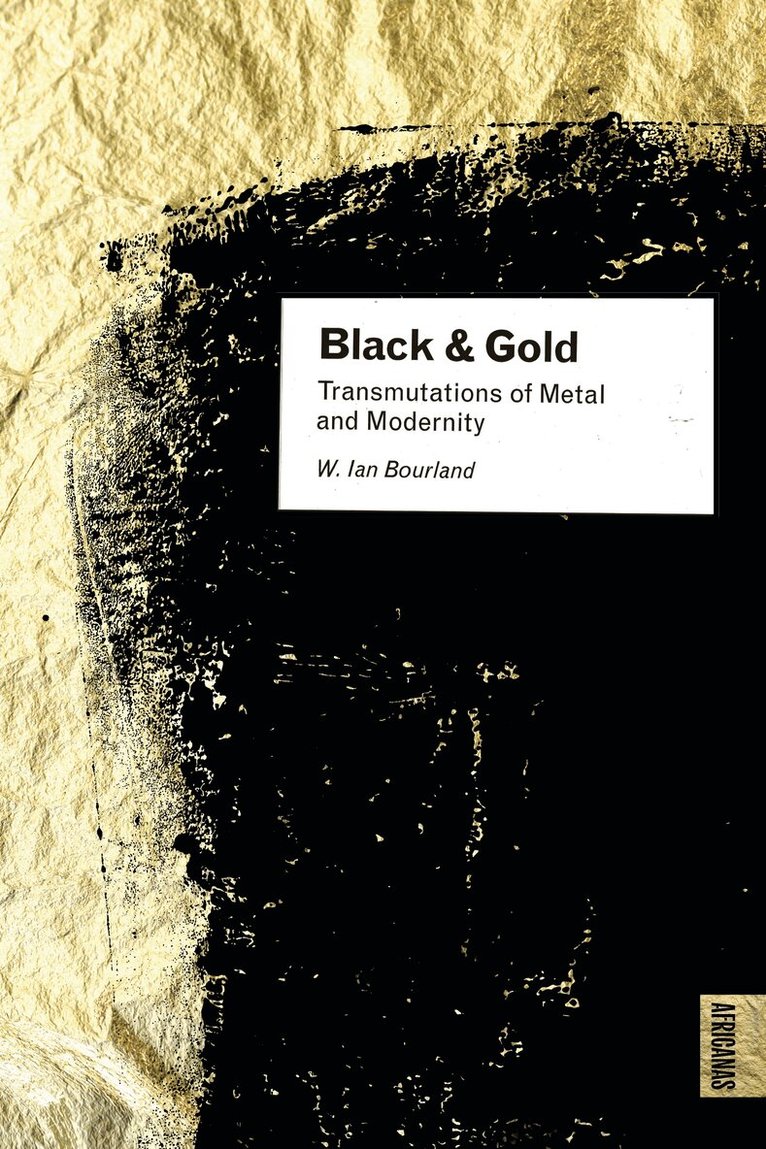
For centuries, Africa has been the center of the global trade in gold. Synonymous with wealth and power in African cultures, this precious metal was also central to the emergence of Europe’s colonial empires and the contemporary world made in their wake. Black and gold have thus always been conjoined and yet set in opposition: blackness as negation, gold as universal standard of value. Black & Gold is a genealogy of this seeming contradiction—a global history of value told through episodes of Black creative practice.Featuring the work of acclaimed contemporary artists such as Yinka Shonibare, Theaster Gates, Wangechi Mutu, El Anatsui, Chris Ofili, and Kerry James Marshall, this book unearths a series of historical and ecological connections—the mining of gold on the continent and its relationship to the diaspora, “black gold” as a colloquialism for oil, and Blackness as a form of cultural “gold.” By bringing early modern histories of alchemy, art, and colonial contact into the present, W. Ian Bourland tells a multifaceted story about the fetishization of gold, driven by an impulse to extract Blackness and refine people and matter into ever greater forms of abstraction with devastating consequences for the environment and humanity. In simplest terms, Black & Gold reconsiders the material and symbolic life of gold and the Black labor that has always sustained it. It will resonate with art critics and scholars, museumgoers and collectors, and anyone interested in modern and contemporary art, the Black Atlantic, and global histories of empire and culture.