Ambroggio Prize – serie
Visar alla böcker i serien Ambroggio Prize. Handla med fri frakt och snabb leverans.
5 produkter
5 produkter
220 kr
Skickas inom 7-10 vardagar
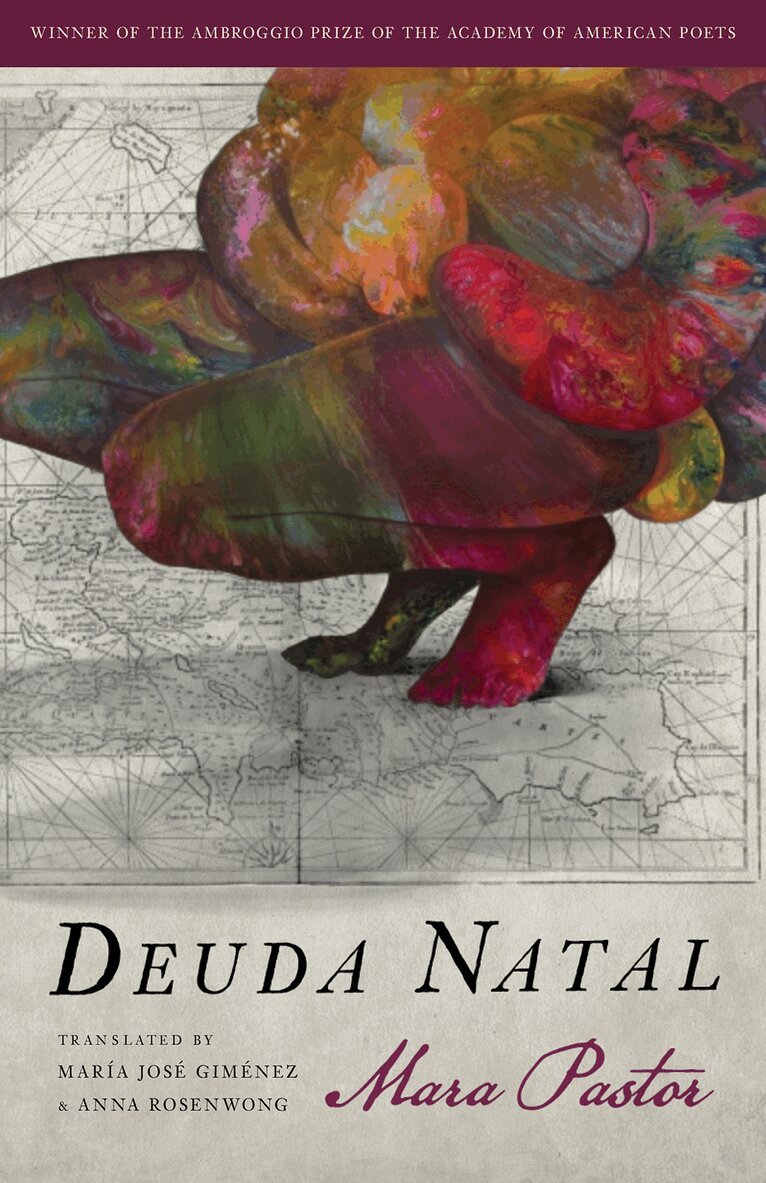
Deuda Natal finds the beauty within vulnerability and the dignity amidst precariousness. As one of the most prominent voices in Puerto Rican poetry, Mara Pastor uses the poems in this new bilingual collection to highlight the way that fundamental forms of caring for life—and for language—can create a space of poetic decolonization. The poems in Deuda Natal propose new ways of understanding as they traverse a thematic landscape of women’s labor, the figure of the nomad and immigrant, and the return from economic exile to confront the catastrophic confluence of disaster and disaster capitalism.The poems in Deuda Natal reckon with the stark environmental degradation in Puerto Rico and the larger impacts of global climate change as they navigate our changing world through a feminist lens. Pastor’s work asserts a feminist objection to our society’s obsession with production and the accumulation of wealth, offering readers an opportunity for collective vulnerability within these pages. For this remarkable work, Pastor has found unique allies in María José Giménez and Anna Rosenwong, the translators of Deuda Natal. Winner of the 2020 Ambroggio Prize of the Academy of American Poets, this collection showcases masterfully crafted and translated poems that are politically urgent and emotionally striking.
252 kr
Skickas inom 3-6 vardagar
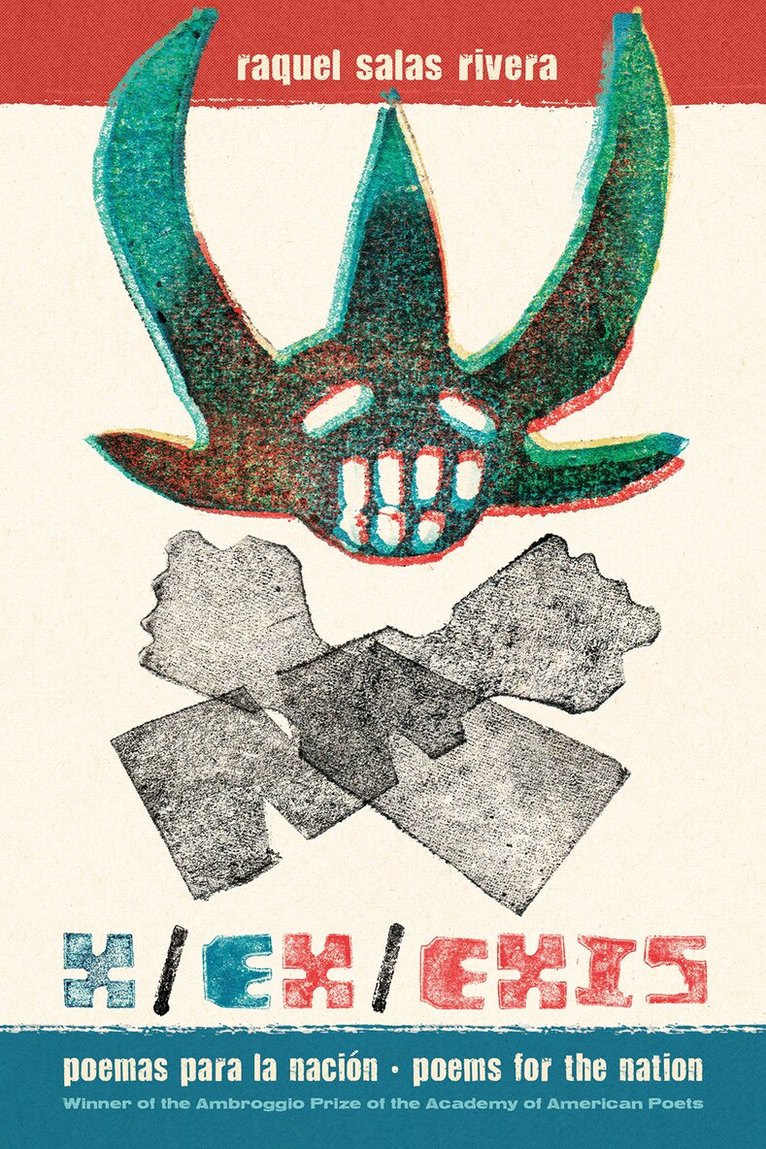
Written in the early days of the rise of world-wide fascism and the poet’s gender transition, x/ex/exis: poemas para la naciÓn/poems for the nation accepts the invitation to push poetic and gender imaginaries beyond the bounds set by nation.From teen dysphoria, to the incarceration of anticolonial activists Oscar LÓpez and Nina Droz Franco, to the entanglement of church and state, these poems acknowledge the violence of imposed binaries. For Salas Rivera, the x marks Puerto Rican transness in a world that seeks trans death, denial, and erasure. Instead of justifying his existence, he takes up the flag of illegibility and writes an apocalyptic book that screams into an uncertain future, armed with nothing to lose.In today's post-disaster Puerto Rico and a world shaped by the recurring waves of an ecological apocalypse, Salas Rivera’s words feel visionary, mapping a decolonizing territory, a body, and identity of both soil and heart.
239 kr
Skickas inom 3-6 vardagar
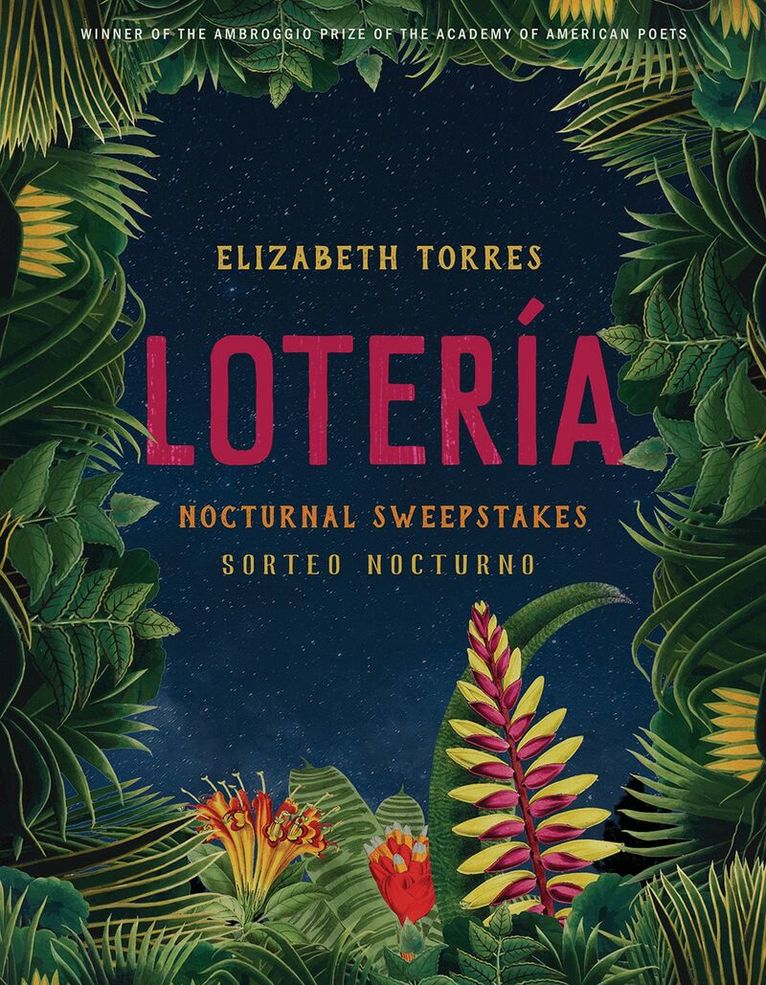
The vision begins with a river. From this river, you can see a village, marine life, and ancestral rituals. It is here that you recognize origins, and a poison beginning to spread through paradise. Suddenly, a premonition: a wounded animal. The certainty of war cries. What you take with you is what you become, each movement a gamble, a lottery of life that transforms you until this moment, when uncertainty becomes an ally.LoterÍa: Nocturnal Sweepstakes is a collection of deeply evocative coming-of-age poems that take the reader on a voyage through the intimate experiences of displacement. Conjuring dreamlike visions of extravagant fruits and rivers animated by the power of divination, these poems follow the speaker from the lash of war’s arrival through an urgent escape and reinvention in a land that saves with maternal instinct but also smothers its children.In this bilingual collection, Colombian American poet Elizabeth Torres threads together the stories of family dynamics and the realities of migration with the archetypes of tarot and the traditional LoterÍa game, used for centuries as an object of divination and entertainment. Through these themes and images, the poems in LoterÍa narrate intimate moments in the lives and journeys of migrants, refugees, and all who have been forced into metamorphosis in order to reach the other side of the river.
220 kr
Skickas inom 7-10 vardagar
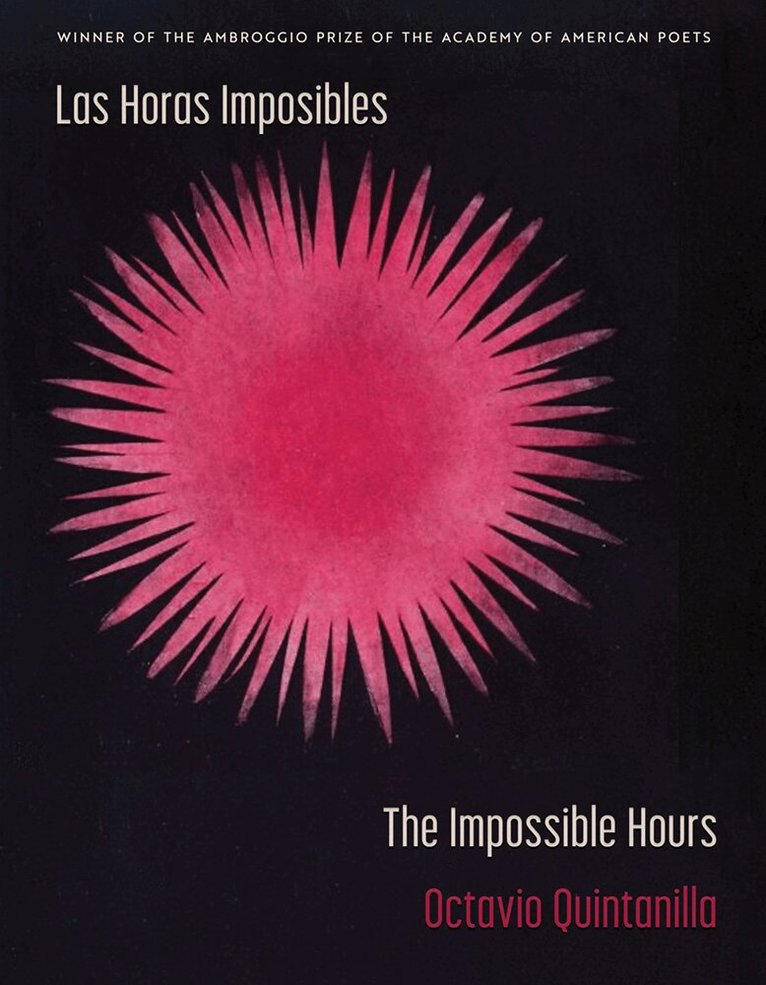
In Las Horas Imposibles / The Impossible Hours, Octavio Quintanilla takes us on a profound journey to witness what it means to erase those boundaries devised by genre and politics intent on stifling memory, imagination, and creativity. Presented in Spanish with English translations, this poetry collection comprises lyric and concrete poems- or frontextos- that explore intimacy and different shades of violence as a means to reconcile the speaker's sense of belonging in the world. From the opening poem to the last in the first section, Quintanilla captures the perilous journeys that migrants undertake crossing borders as well as the paths that lovers forge to meet their endless longing. These themes are skillfully woven by Quintanilla, guiding us back and forth across the Rio Grande to encounter the apparitions of the disappeared and to witness the willingness of many to risk life and limb for a better life. The second half of the collection is one long poem, a letter addressed to a lost lover who will never get to read the speaker's secret thoughts. Haunted by loss - of parents, of children, of the self - the speaker reaches an inevitable epiphany: " [A]nd sometimes it's hard to know / on which side of the river I stand." Stylistically, these poems destabilize our notions and expectations of genre and lyricism. Las Horas Imposibles / The Impossible Hours is more than just an exercise in poetic virtuosity it is an excavation into the complexities of what it means to be a human being in our contemporary world.
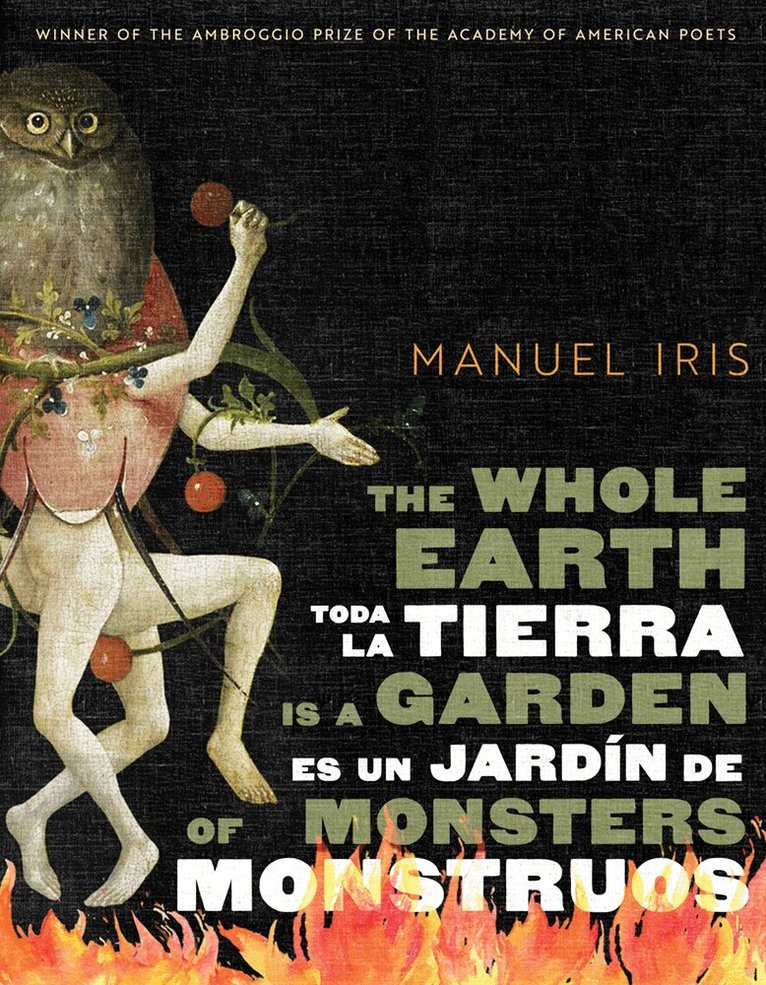
Whole Earth Is a Garden of Monsters / Toda La Tierra Es Un Jardín De Monstruos
Häftad, Engelska, 2026
211 kr
Skickas
Winner of the 2025 Ambroggio Prize This award-winning bilingual collection intertwines the lives of a Renaissance painter and a modern migrant worker, offering a fresh perspective on art and migration. In this highly imaginative work, the lives of the northern Renaissance painter Hieronymus Bosch (1450–1516) and an imagined contemporary migrant worker named Juan Coyoc, later known as Juan DomÍnguez, run in parallel as they mirror each other across languages, time, and continents. By comparing and at times intertwining these two poetic narratives, the book explores themes of art, migration, narco-violence, family, spirituality, and the idea that every human being represents all humanity at any moment in history. Both Hieronymus Bosch and Juan DomÍnguez become relatable and intimate figures, part of our own story. Written in simple, sharp language, the book employs surprising imagery and a novel structure to blur the boundaries between reality and fiction, while examining the intricacies of the human condition—from the life of Saint Anthony to the violent acts of narcos across Central America and the U.S.-Mexico border. With formal sophistication and philosophical depth, this work enriches the tradition of poetry about both migration and art, contributing to the literary heritage of Mexico and the United States over the past several decades.