American Academy of Religion Cultural Criticism series – serie
Visar alla böcker i serien American Academy of Religion Cultural Criticism series. Handla med fri frakt och snabb leverans.
3 produkter
3 produkter
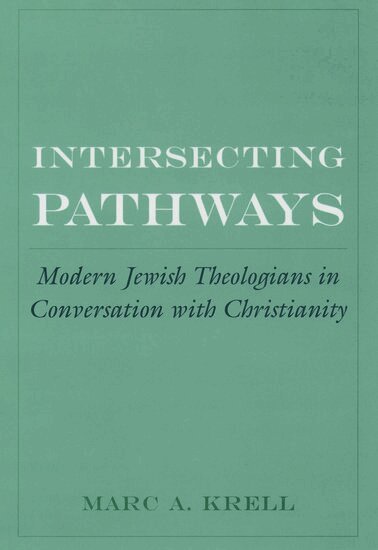
Intersecting Pathways
Modern Jewish Theologians in Conversation with Christianity
Inbunden, Engelska, 2003
1 461 kr
Skickas inom 5-8 vardagar
Marc A. Krell analyzes the theologies of four twentieth-century Jewish thinkers - Hans Joachim Schoeps, Franz Rosenzweig, Richard Rubenstein, and Irving Greenberg - who have constructed theologies based on their interaction with Christian thought and culture. Their work reflects a common attempt to understand the impact of Christian culture on the historical events prior to and following the Holocaust, and to reėvaluate the relationship between the two religions in light of a history of theological anti-Judaism and modern, racial antisemitism.
1 414 kr
Skickas inom 3-6 vardagar
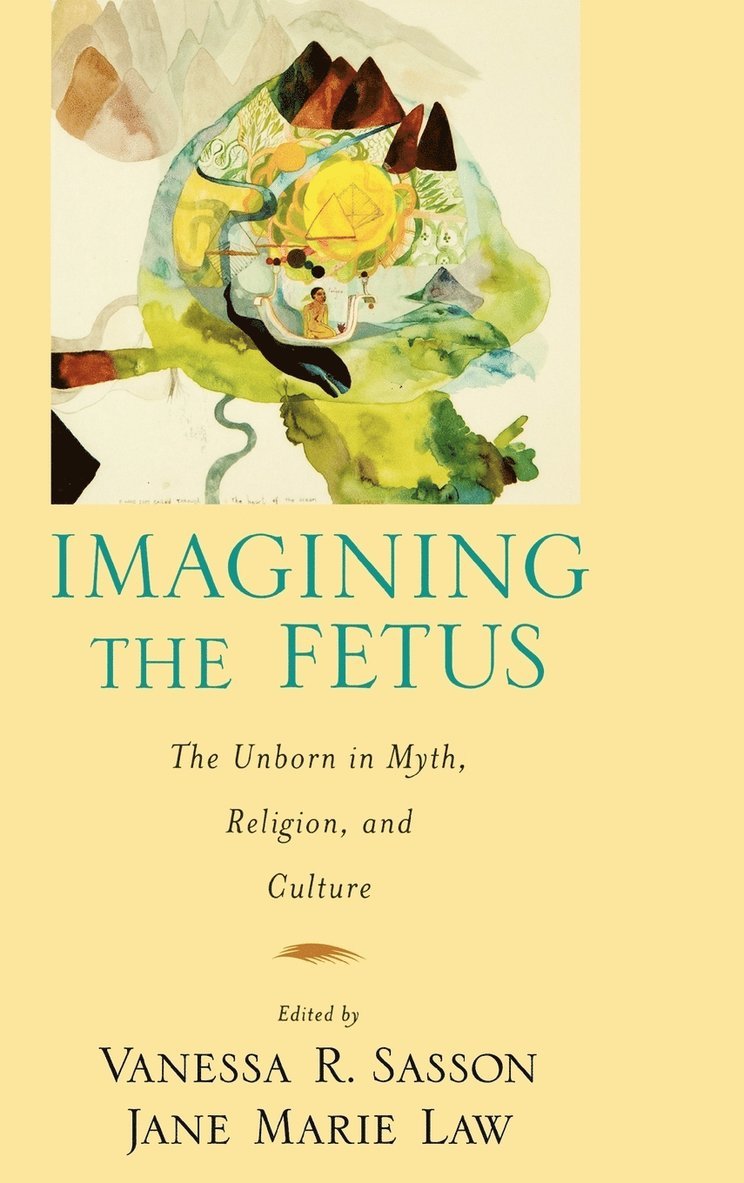
In contemporary Western culture, the word "fetus" introduces either a political subject or a literal, medicalized entity. Neither of these frameworks does justice to the vast array of religious literature and oral traditions from cultures around the world in which the fetus emerges as a powerful symbol or metaphor. This volume presents essays that explore the depiction of the fetus in the world's major religious traditions, finding some striking commonalities as well as intriguing differences. Among the themes that emerge is the tendency to conceive of the fetus as somehow independent of the mother's body -- as in the case of the Buddha, who is described as inhabiting a palace while gestating in the womb. On the other hand, the fetus can also symbolically represent profound human needs and emotions, such as the universal experience of vulnerability. The authors note how the advent of the fetal sonogram has transformed how people everywhere imagine the unborn today, giving rise to a narrow range of decidedly literal questions about personhood, gender, and disability.
399 kr
Skickas inom 5-8 vardagar
In contemporary Western culture, the word "fetus" introduces either a political subject or a literal, medicalized entity. Neither of these frameworks does justice to the vast array of religious literature and oral traditions from cultures around the world in which the fetus emerges as a powerful symbol or metaphor. This volume presents essays that explore the depiction of the fetus in the world's major religious traditions, finding some striking commonalities as well as intriguing differences. Among the themes that emerge is the tendency to conceive of the fetus as somehow independent of the mother's body -- as in the case of the Buddha, who is described as inhabiting a palace while gestating in the womb. On the other hand, the fetus can also symbolically represent profound human needs and emotions, such as the universal experience of vulnerability. The authors note how the advent of the fetal sonogram has transformed how people everywhere imagine the unborn today, giving rise to a narrow range of decidedly literal questions about personhood, gender, and disability.