America's Public Lands - Böcker
Visar alla böcker i serien America's Public Lands. Handla med fri frakt och snabb leverans.
7 produkter
7 produkter
361 kr
Skickas inom 7-10 vardagar
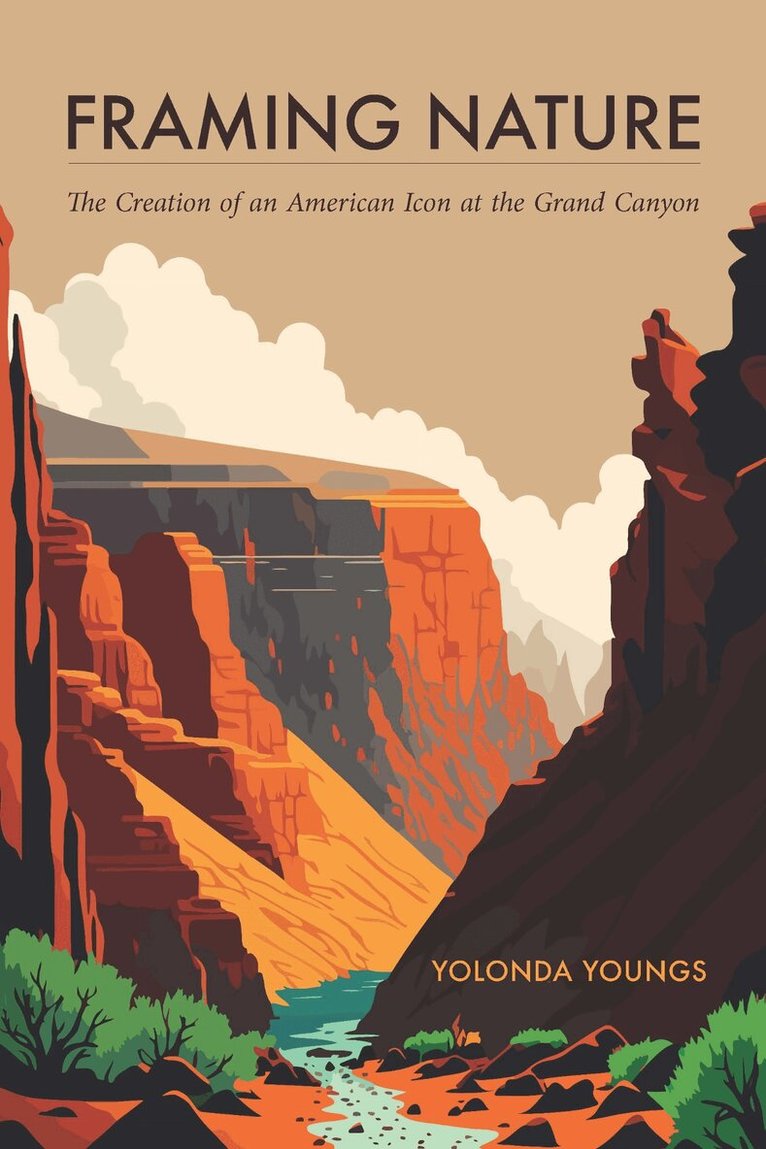
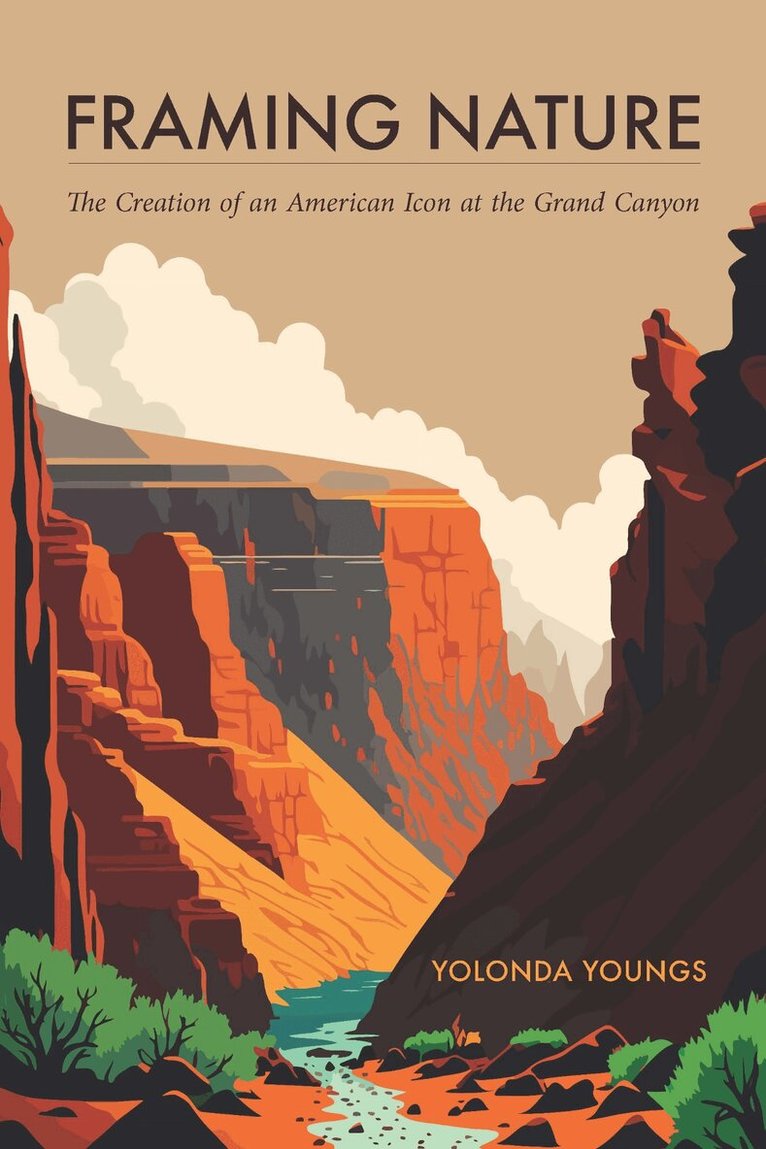
Winner of the 2024 John Brinkerhoff Jackson Prize from American Association of GeographersThe Grand Canyon of the Colorado River is an internationally known feature of the North American landscape, attracting more than five million visitors each year. A deep cultural, visual, and social history has shaped the Grand Canyon’s environment into one of America’s most significant representations of nature. Yet the canyon is more than a vacation destination, a movie backdrop, or a scenic viewpoint; it is a real place as well as an abstraction easily summoned in the minds of Americans. The Grand Canyon, or the idea of it, is woven into the fabric of American cultural identity and serves as a cultural reference point-an icon.In Framing Nature Yolonda Youngs traces the idea of the Grand Canyon as an icon and the ways people came to know it through popular imagery and visual media. She analyzes and interprets more than fourteen hundred visual artifacts, including postcards, maps, magazine illustrations, and photographs of the Grand Canyon, supplemented with the words and ideas of writers, artists, explorers, and other media makers from 1869 to 2022. Youngs considers the manipulation and commodification of visual representations and shifting ideas, values, and meanings of nature, exploring the interplay between humans and their environments and how visual representations shape popular ideas and meanings about national parks and the American West. Framing Nature provides a novel interpretation of how places, especially national parks, are transformed into national and environmental symbols.
645 kr
Skickas inom 10-15 vardagar
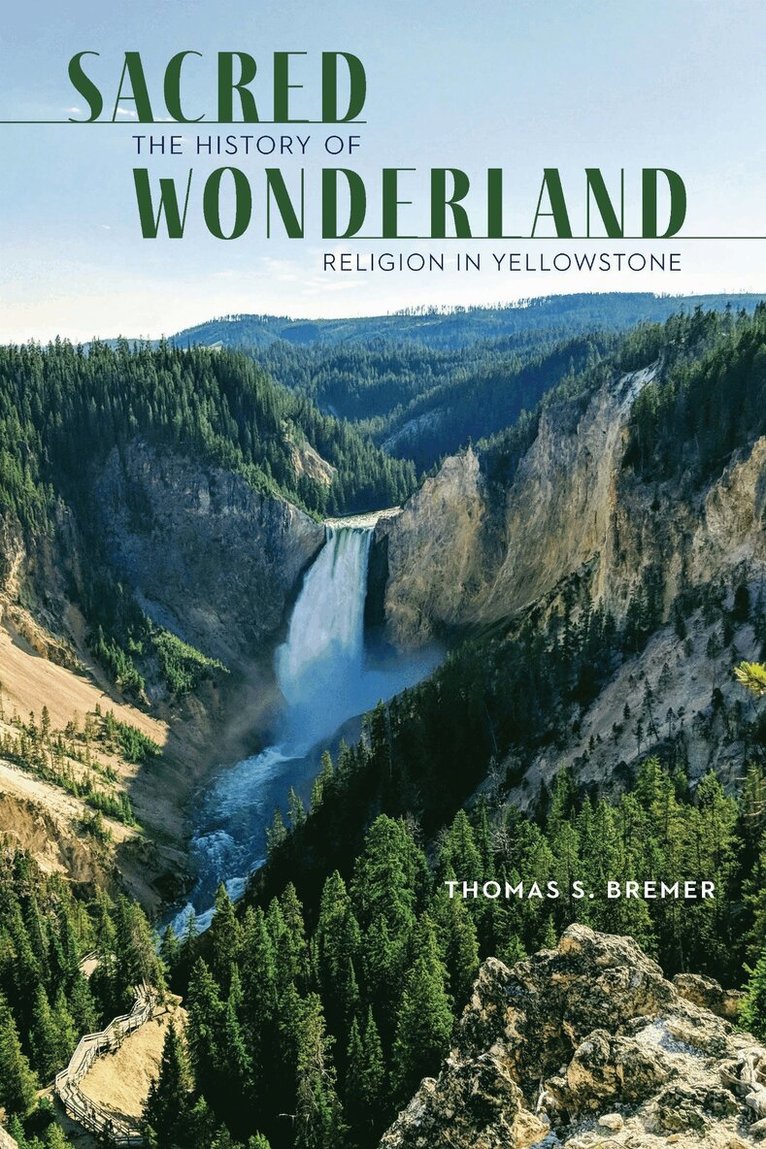
Since its beginning in 1872, Yellowstone National Park has been an alluring destination with significance beyond its stunning mountain scenery, abundant wildlife, and the world’s largest collection of geysers and hot springs. Once deemed America’s “wonderland,” this national park has long been a repository of meanings for and aspirations of the American people. In Sacred Wonderland Thomas S. Bremer explores the historical role of religion in making Yellowstone National Park an American icon.The park’s religious history spans nineteenth-century evangelical Christian ideas of Manifest Destiny in addition to religiously informed conservationist movements. Bremer touches on white supremacist interpretations of the park in the early twentieth century and a controversial new religious movement that arrived on the scene in the 1980s. From early assumptions about Native American beliefs to eclectic New Age associations, from early rivalries between nineteenth-century Protestants and Catholics to twentieth-century ecumenical cooperation, religion has been woven into the cultural fabric of Yellowstone. Bremer reveals a range of religious beliefs, practices, and interpretations that have contributed to making the park an appealing tourist destination and a significant icon of the American nation.
664 kr
Skickas inom 10-15 vardagar
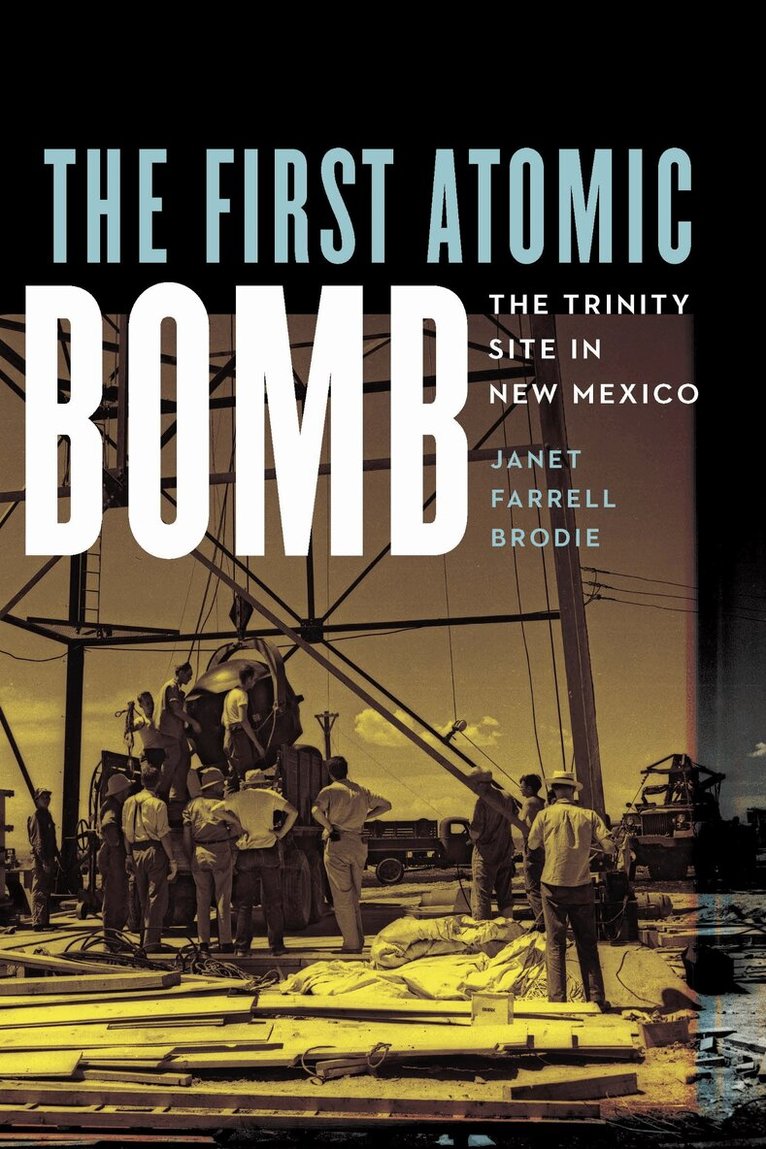
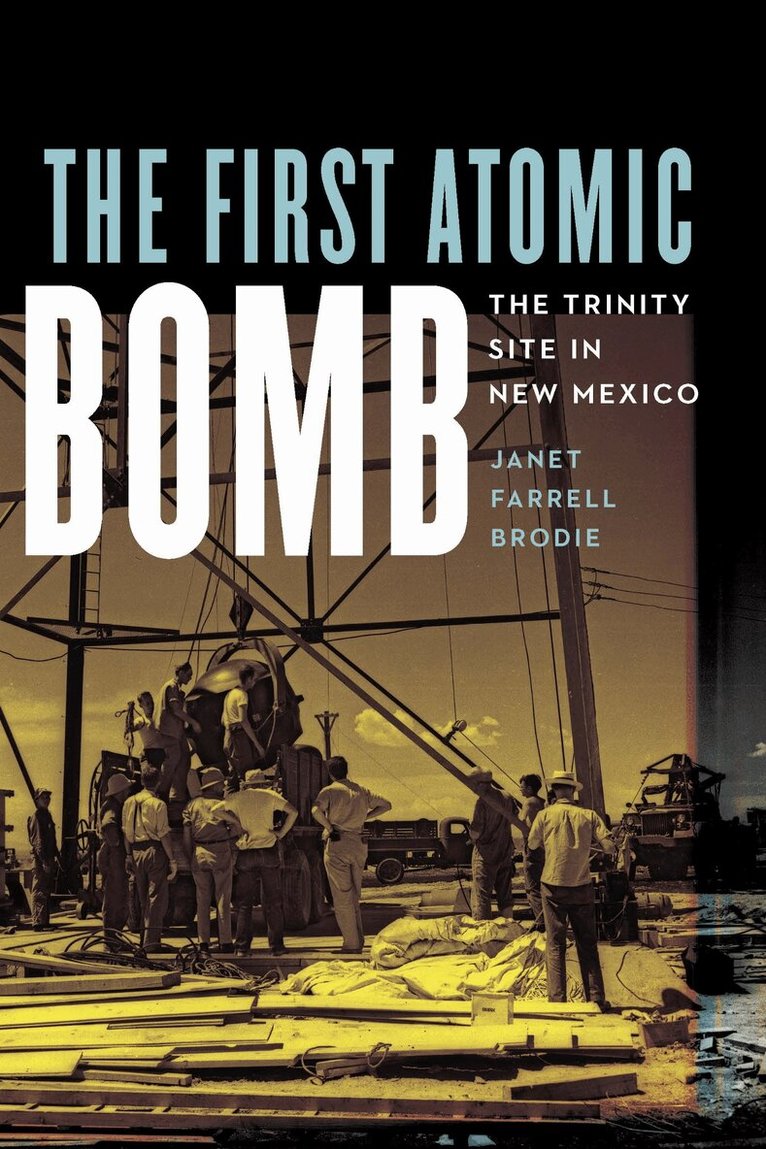
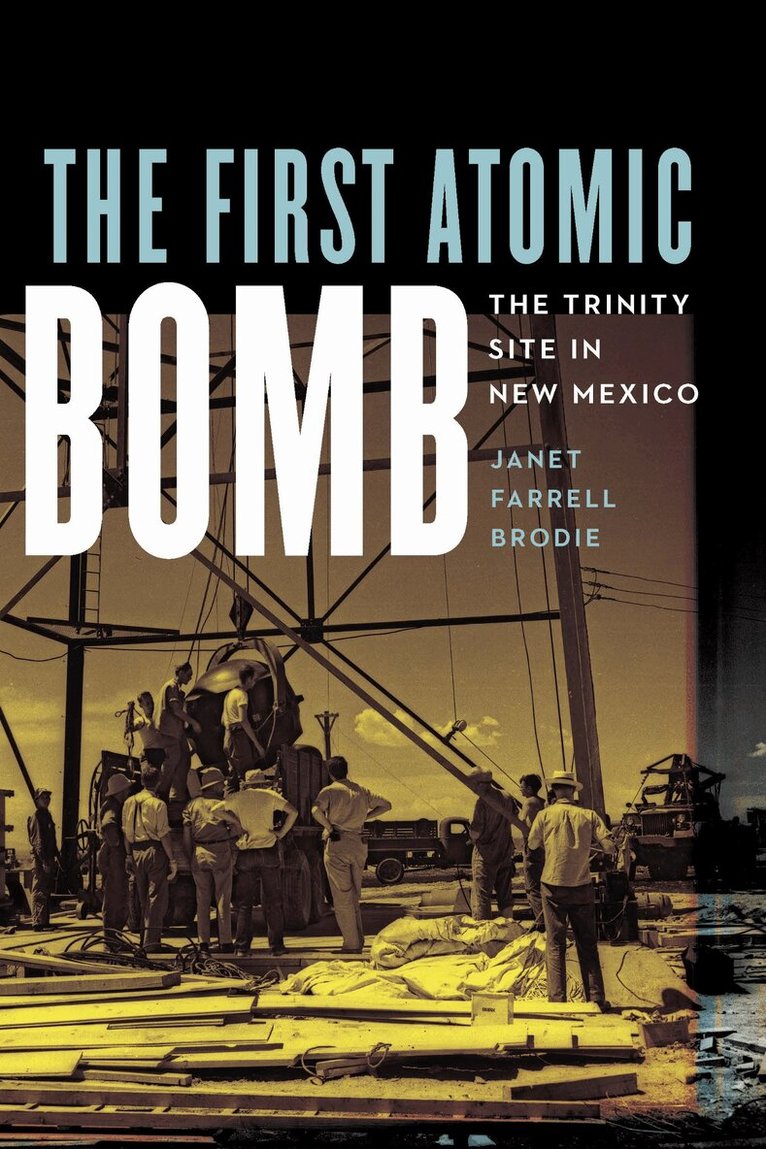
Named a 2024 Southwest Book of the YearOn July 16, 1945, just weeks before the atomic bombing of Hiroshima and Nagasaki that brought about the surrender of Japan and the end of World War II, the United States unleashed the world’s first atomic bomb at the Trinity testing site located in the remote Tularosa Valley in south-central New Mexico. Immensely more powerful than any weapon the world had seen, the bomb’s effects on the surrounding and downwind communities of plants, animals, birds, and humans have lasted decades.In The First Atomic Bomb Janet Farrell Brodie explores the history of the Trinity test and those whose contributions have rarely, if ever, been discussed-the men and women who constructed, served, and witnessed the first test-as well as the downwinders who suffered the consequences of the radiation. Concentrating on these ordinary people, laborers, ranchers, and Indigenous peoples who lived in the region and participated in the testing, Brodie corrects the lack of coverage in existing scholarship on the essential details and everyday experiences of this globally significant event. The First Atomic Bomb also covers the environmental preservation of the Trinity test site and compares it with the wide range of atomic sites now preserved independently or as part of the new Manhattan Project National Historical Park. Although the Trinity site became a significant node for testing the new weapons of the postwar United States, it is known today as an officially designated National Historic Landmark. Brodie presents a timely, important, and innovative study of an explosion that carries special historical weight in American memory.
783 kr
Skickas
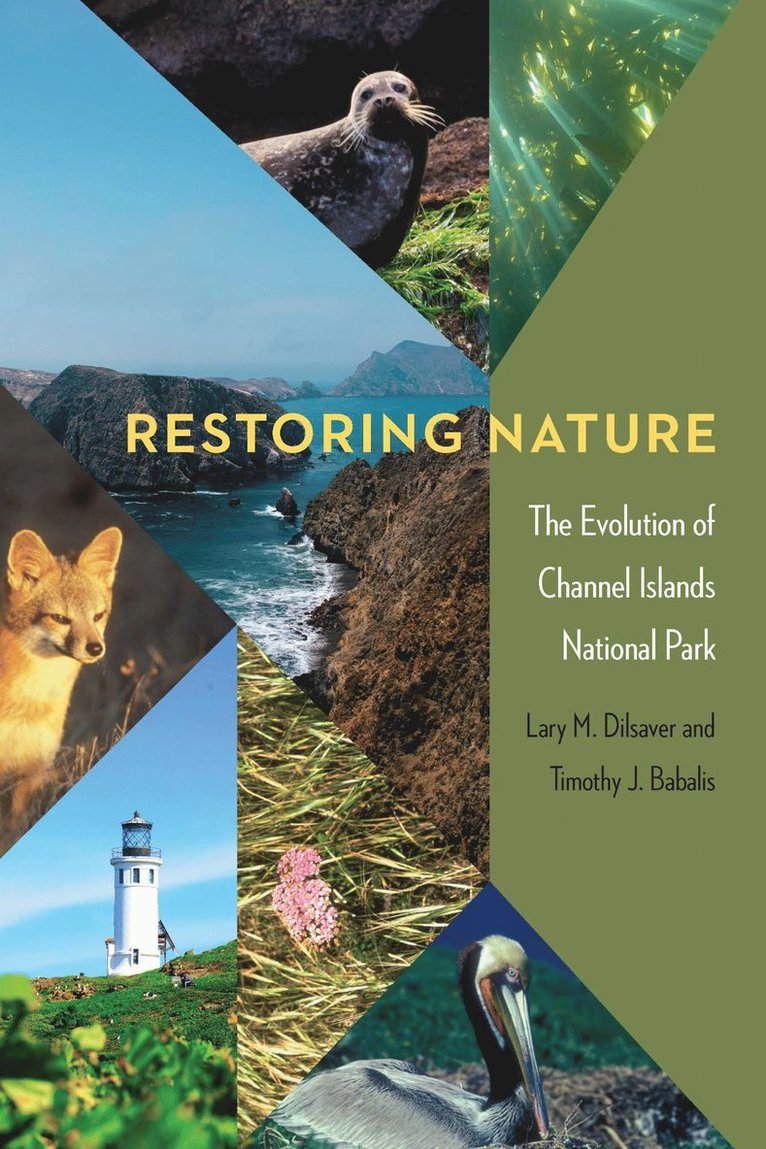
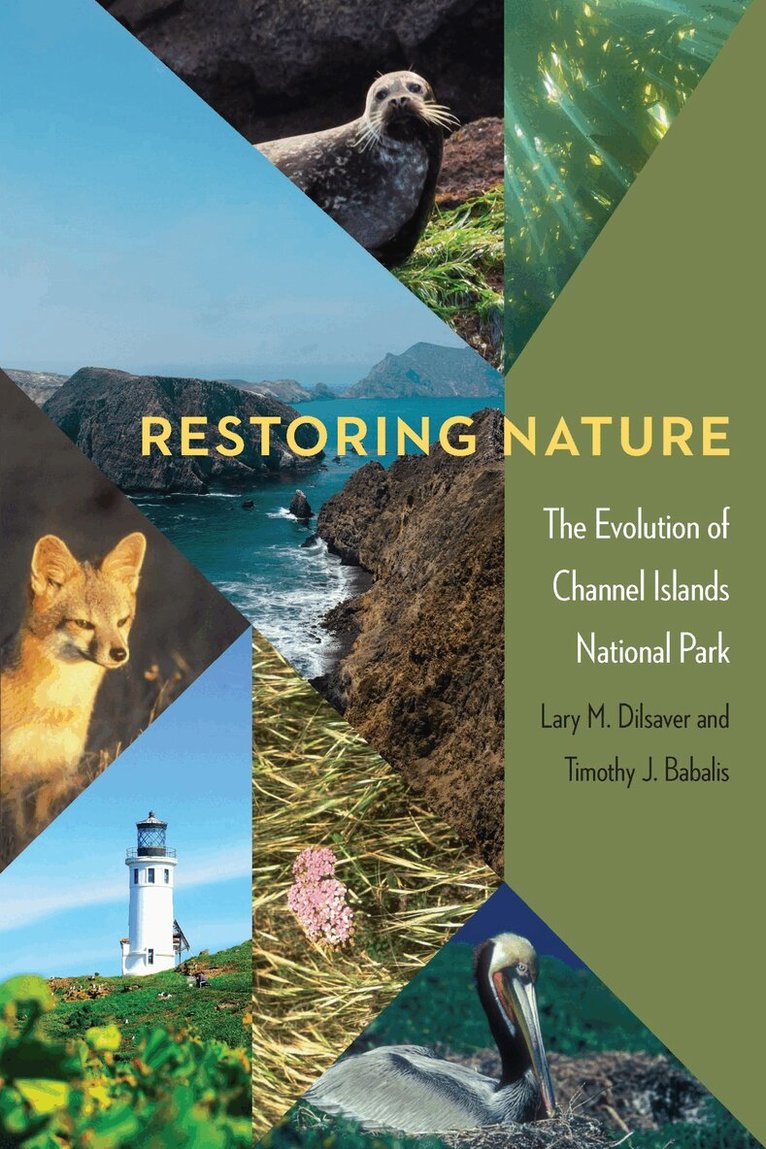
Off the coast of California, running from Santa Barbara to La Jolla, lies an archipelago of eight islands known as the California Channel Islands. The northern five were designated as Channel Islands National Park in 1980 to protect and restore the rich habitat of the islands and surrounding waters.In the years since, that mission intensified as scientists discovered the extent of damage to the delicate habitats of these small fragments of land and to the surprisingly threatened sea around them. In Restoring Nature Lary M. Dilsaver and Timothy J. Babalis examine how the National Park Service has attempted to reestablish native wildlife and vegetation to the five islands through restorative ecology and public land management. The Channel Islands staff were innovators of the inventory and monitoring program whereby the resource problems were exposed. This program became a blueprint for management throughout the U.S. park system.Dilsaver and Babalis present an innovative regional and environmental history of a little-known corner of the Pacific West, as well as a larger national narrative about how the Park Service developed its approach to restoration ecology, which became a template for broader Park Service policies that shaped the next generation of environmental conservation.
234 kr
Skickas
Off the coast of California, running from Santa Barbara to La Jolla, lies an archipelago of eight islands known as the California Channel Islands. The northern five were designated as Channel Islands National Park in 1980 to protect and restore the rich habitat of the islands and surrounding waters.In the years since, that mission intensified as scientists discovered the extent of damage to the delicate habitats of these small fragments of land and to the surprisingly threatened sea around them. In Restoring Nature Lary M. Dilsaver and Timothy J. Babalis examine how the National Park Service has attempted to reestablish native wildlife and vegetation to the five islands through restorative ecology and public land management. The Channel Islands staff were innovators of the inventory and monitoring program whereby the resource problems were exposed. This program became a blueprint for management throughout the U.S. park system.Dilsaver and Babalis present an innovative regional and environmental history of a little-known corner of the Pacific West, as well as a larger national narrative about how the Park Service developed its approach to restoration ecology, which became a template for broader Park Service policies that shaped the next generation of environmental conservation.
281 kr
Skickas inom 10-15 vardagar
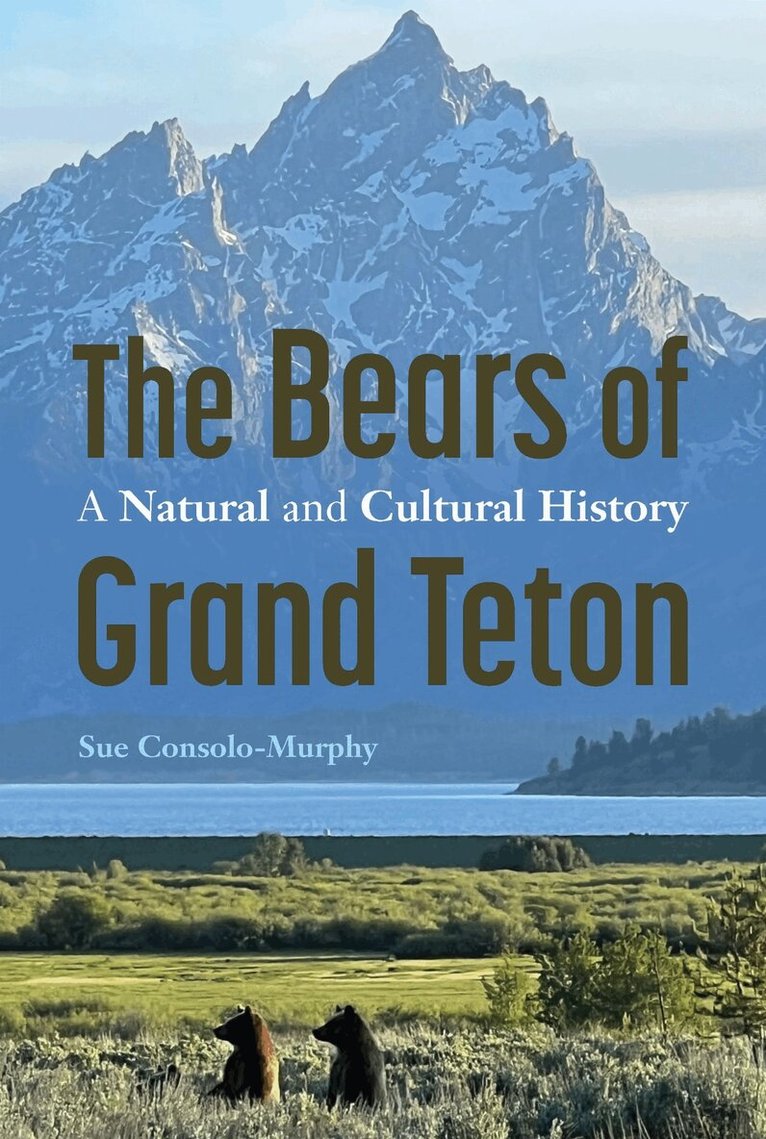
The Bears of Grand Teton is the first comprehensive history of bears, black and grizzly, and their interactions with people in Grand Teton National Park and the surrounding area of Jackson Hole, Wyoming. It is also a personal account by Sue Consolo-Murphy, who spent thirty years as a wildlife manager for the National Park Service.Consolo-Murphy focuses on the natural, cultural, and administrative histories of bears in and around Grand Teton National Park and the nearby John D. Rockefeller Jr. Memorial Parkway, paying particular attention to bears’ interactions with livestock. Entertaining and educational, The Bears of Grand Teton also explores the phenomenon of social media celebrity bears-such as Grizzly 399, the world’s most famous bear-and the challenges of listing and removing grizzly bears from Endangered Species Act protection.
409 kr
Kommande
Named a 2024 Southwest Book of the Year by Pima County Public LibraryOn July 16, 1945, just weeks before the atomic bombing of Hiroshima and Nagasaki that brought about the surrender of Japan and the end of World War II, the United States unleashed the world's first atomic bomb at the Trinity testing site located in the remote Tularosa Valley in south central New Mexico. Immensely more powerful than any weapon the world had seen, the bomb's effects on the surrounding and downwind communities of plants, animals, birds, and humans have lasted decades.In The First Atomic Bomb Janet Farrell Brodie explores the history of the Trinity test and those whose contributions have rarely, if ever, been discussed—the men and women who constructed, served, and witnessed the first test—as well as the downwinders who suffered the consequences of the radiation. Concentrating on these ordinary people, laborers, ranchers, and Indigenous peoples who lived in the region and participated in the testing, Brodie corrects the lack of coverage in existing scholarship on the essential details and everyday experiences of this globally significant event. The First Atomic Bomb also covers the environmental preservation of the Trinity test site and compares it with the wide range of atomic sites now preserved independently or as part of the new Manhattan Project National Historical Park. Although the Trinity site became a significant node for testing the new weapons of the postwar United States, it is known today as an officially designated National Historic Landmark.