Janet Farrell Brodie - Böcker
Visar alla böcker från författaren Janet Farrell Brodie. Handla med fri frakt och snabb leverans.
4 produkter
4 produkter
719 kr
Skickas inom 10-15 vardagar
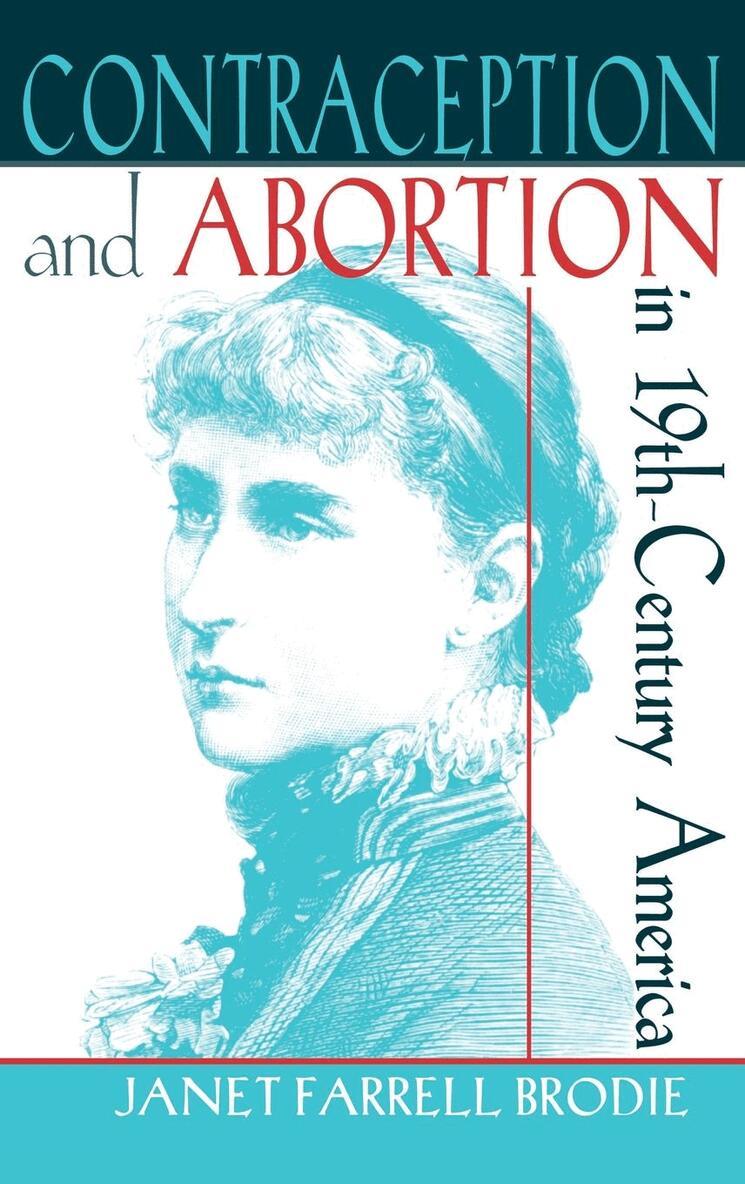
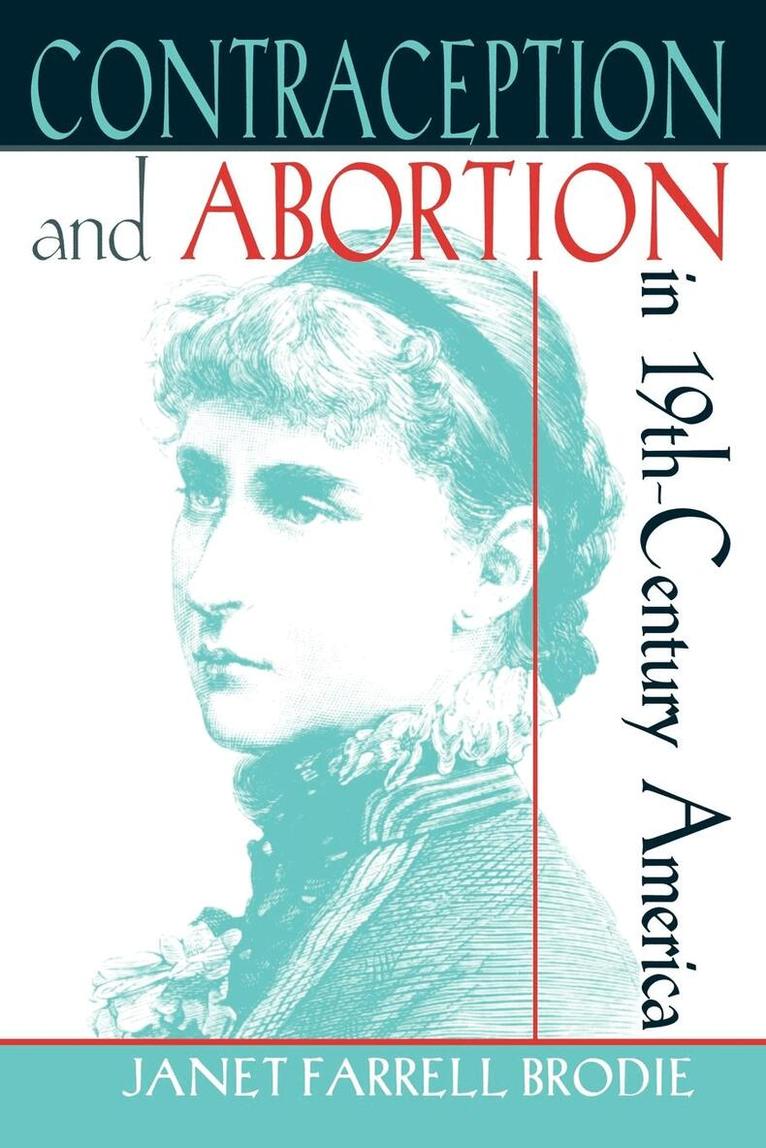
In pocket-sized, coded diaries, an upper middle-class American woman named Mary Poor recorded with small "x's" the occasions of sexual intercourse with her husband Henry over a twenty-eight-year period. Janet Farrell Brodie introduces this engaging pair early in a book that is certain to be the definitive study of family limitation in nineteenth-century America. She makes adroit use of Mary's diaries and letters to lift a curtain on the intimate life of a Victorian couple attempting to control the size of their family.Were the Poors typical? Who used reproductive control in the years between 1830 and 1880? What methods did they use and how did they learn about them? By examining a wide array of sources, Brodie has determined how Americans gradually were able to get birth control information and products that allowed them to choose among newer, safer, and more effective contraceptive and abortive methods. Brodie's findings in druggists' catalogues, patent records, advertisements, "vice society'' documents, business manuscripts, and gynecological advice literature explain how information spread and often taboo matters were made commercial. She retraces the links among obscure individuals, from itinerant lecturers, to book publishers, to contraceptive goods manufacturers and explains the important contributions of two nascent networks-medical practitioners known as Thomsonians and watercurists, and iconoclastic freethinkers.Brodie takes her narrative to the backlash at the end of the century, when American ambivalence toward abortion and contraception led to federal and state legislative restrictions, the rise of special "purity legions," the influence of powerful reformers such as Anthony Comstock, and the vehement opposition of medical professionals. In this balanced and timely book Brodie shows a keen sensitivity to the complex factors behind today's politically, emotionally, and intellectually charged battles over reproductive rights.
Inevitably Toxic
Historical Perspectives on Contamination, Exposure, and Expertise
Häftad, Engelska, 2019
602 kr
Skickas inom 7-10 vardagar
Not a day goes by that humans aren’t exposed to toxins in our environment - be it at home, in the car, or workplace. But what about those toxic places and items that aren’t marked? Why are we warned about some toxic spaces’ substances and not others? The essays in Inevitably Toxic consider the exposure of bodies in the United States, Canada and Japan to radiation, industrial waste, and pesticides. Research shows that appeals to uncertainty have led to social inaction even when evidence, e.g. the link between carbon emissions and global warming, stares us in the face. In some cases, influential scientists, engineers and doctors have deliberately “manufactured doubt” and uncertainty but as the essays in this collection show, there is often no deliberate deception. We tend to think that if we can’t see contamination and experts deem it safe, then we are okay. Yet, having knowledge about the uncertainty behind expert claims can awaken us from a false sense of security and alert us to decisions and practices that may in fact cause harm.
664 kr
Skickas inom 10-15 vardagar
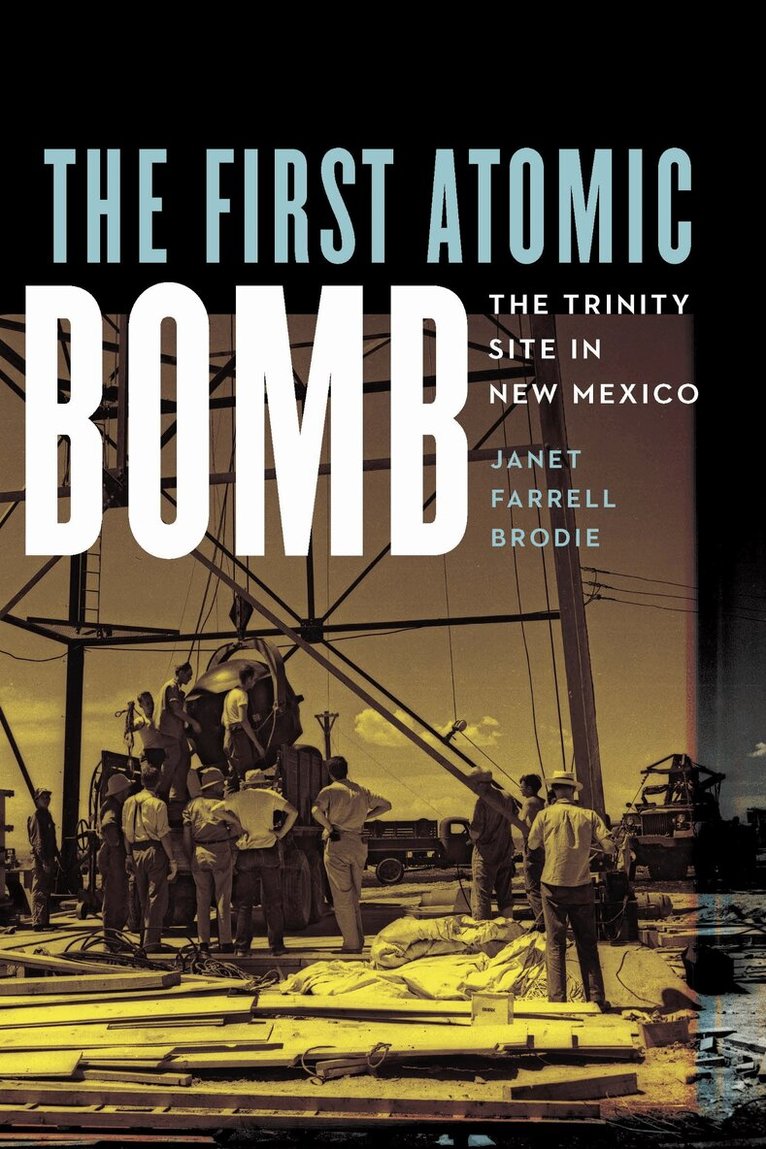
Named a 2024 Southwest Book of the YearOn July 16, 1945, just weeks before the atomic bombing of Hiroshima and Nagasaki that brought about the surrender of Japan and the end of World War II, the United States unleashed the world’s first atomic bomb at the Trinity testing site located in the remote Tularosa Valley in south-central New Mexico. Immensely more powerful than any weapon the world had seen, the bomb’s effects on the surrounding and downwind communities of plants, animals, birds, and humans have lasted decades.In The First Atomic Bomb Janet Farrell Brodie explores the history of the Trinity test and those whose contributions have rarely, if ever, been discussed-the men and women who constructed, served, and witnessed the first test-as well as the downwinders who suffered the consequences of the radiation. Concentrating on these ordinary people, laborers, ranchers, and Indigenous peoples who lived in the region and participated in the testing, Brodie corrects the lack of coverage in existing scholarship on the essential details and everyday experiences of this globally significant event. The First Atomic Bomb also covers the environmental preservation of the Trinity test site and compares it with the wide range of atomic sites now preserved independently or as part of the new Manhattan Project National Historical Park. Although the Trinity site became a significant node for testing the new weapons of the postwar United States, it is known today as an officially designated National Historic Landmark. Brodie presents a timely, important, and innovative study of an explosion that carries special historical weight in American memory.
409 kr
Kommande
Named a 2024 Southwest Book of the Year by Pima County Public LibraryOn July 16, 1945, just weeks before the atomic bombing of Hiroshima and Nagasaki that brought about the surrender of Japan and the end of World War II, the United States unleashed the world's first atomic bomb at the Trinity testing site located in the remote Tularosa Valley in south central New Mexico. Immensely more powerful than any weapon the world had seen, the bomb's effects on the surrounding and downwind communities of plants, animals, birds, and humans have lasted decades.In The First Atomic Bomb Janet Farrell Brodie explores the history of the Trinity test and those whose contributions have rarely, if ever, been discussed—the men and women who constructed, served, and witnessed the first test—as well as the downwinders who suffered the consequences of the radiation. Concentrating on these ordinary people, laborers, ranchers, and Indigenous peoples who lived in the region and participated in the testing, Brodie corrects the lack of coverage in existing scholarship on the essential details and everyday experiences of this globally significant event. The First Atomic Bomb also covers the environmental preservation of the Trinity test site and compares it with the wide range of atomic sites now preserved independently or as part of the new Manhattan Project National Historical Park. Although the Trinity site became a significant node for testing the new weapons of the postwar United States, it is known today as an officially designated National Historic Landmark.