• Fri frakt över 249 kr
  • •
  • Snabba leveranser
  • •
  • Billiga böcker
Kundservice

Du är på sajten för privatpersoner.

Företag, bibliotek eller offentlig verksamhet?

Du handlar på classic.bokus.com, där alla dina funktioner finns intakta.
Till classic.bokus.com
Bokus logotyp. Gå till startsidan.
  • Erbjudanden
  • Nyheter
  • Student
  • Topplistor
  • Barn & ungdom
  • Bokus Play
  • E-böcker
  • Pocketböcker
  • Spel & pussel

Må bättre, för mindre! Upp till 50% rabatt på hälsoböcker

Sidfot

Mina sidor

    Hjälp

    • Kundservice
    • Vanliga frågor och svar
    • Frakt och leverans
    • Retur vid ångerrätt
    • Reklamera vara
    • Betalning
    • Köpvillkor
    • Allmänna villkor
    • Information om webbplatsens tillgänglighet

    Om Bokus

    • Om oss
    • Pressrum
    • För studenter
    • För företag
    • För bibliotek och offentlig verksamhet
    • För leverantörer
    • Hållbarhet

    Populärt

    • Aktuella erbjudanden
    • Presentkort
    • Studentlitteratur
    • Nya böcker
    • Topplistor
    • Signerade böcker
    • Engelska böcker

    Inspiration

    • Boktips
    • BookTok
    • Populära bokserier
    • Barnbokskaraktärer
    • Populära författare
    Logotyp för Bokus
    Följ oss på Facebook (extern länk)Följ oss på Instagram (extern länk)Följ oss på YouTube (extern länk)Följ oss på TikTok (extern länk)
    bokus @ CookiesAnpassa cookiesIntegritetspolicyKöpvillkor
    Till Citymail hemsida (extern länk)Till Budbee hemsida (extern länk)Till Postnord hemsida (extern länk)Till Schenker hemsida (extern länk)Till Early Bird hemsida (extern länk)Till Walleys hemsida (extern länk)
    1. Samhälle och politik
    2. Sociologi och antropologi
    3. Sociologi

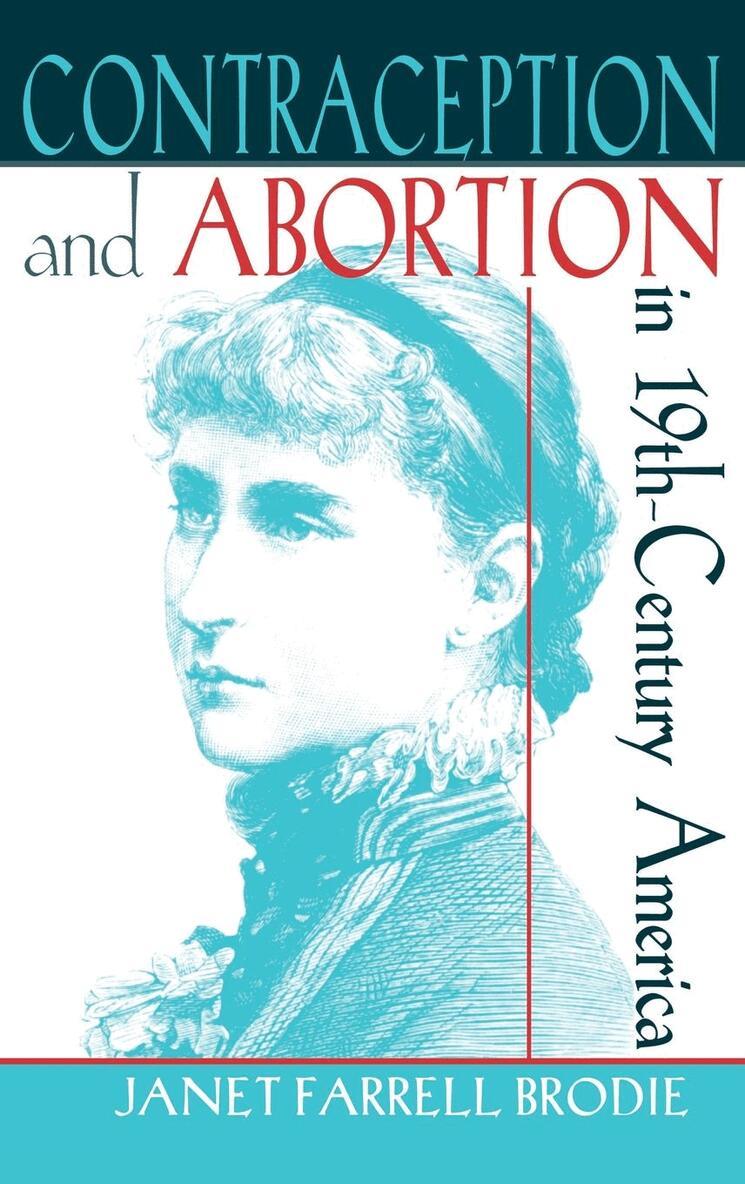
    Contraception and Abortion in Nineteenth-Century America

    AvJanet Farrell Brodie

    Inbunden, Engelska, 1994

    751 kr

    Beställningsvara. Skickas inom 10-15 vardagar. Fri frakt över 249 kr.

    Beskrivning

    In pocket-sized, coded diaries, an upper middle-class American woman named Mary Poor recorded with small "x's" the occasions of sexual intercourse with her husband Henry over a twenty-eight-year period. Janet Farrell Brodie introduces this engaging pair early in a book that is certain to be the definitive study of family limitation in nineteenth-century America. She makes adroit use of Mary's diaries and letters to lift a curtain on the intimate life of a Victorian couple attempting to control the size of their family.Were the Poors typical? Who used reproductive control in the years between 1830 and 1880? What methods did they use and how did they learn about them? By examining a wide array of sources, Brodie has determined how Americans gradually were able to get birth control information and products that allowed them to choose among newer, safer, and more effective contraceptive and abortive methods. Brodie's findings in druggists' catalogues, patent records, advertisements, "vice society'' documents, business manuscripts, and gynecological advice literature explain how information spread and often taboo matters were made commercial. She retraces the links among obscure individuals, from itinerant lecturers, to book publishers, to contraceptive goods manufacturers and explains the important contributions of two nascent networks-medical practitioners known as Thomsonians and watercurists, and iconoclastic freethinkers.Brodie takes her narrative to the backlash at the end of the century, when American ambivalence toward abortion and contraception led to federal and state legislative restrictions, the rise of special "purity legions," the influence of powerful reformers such as Anthony Comstock, and the vehement opposition of medical professionals. In this balanced and timely book Brodie shows a keen sensitivity to the complex factors behind today's politically, emotionally, and intellectually charged battles over reproductive rights.

    Produktinformation

    • Utgivningsdatum:1994-04-28
    • Mått:155 x 235 x 28 mm
    • Vikt:907 g
    • Format:Inbunden
    • Språk:Engelska
    • Antal sidor:392
    • Förlag:Cornell University Press
    • ISBN:9780801428494

    Utforska kategorier

    • Sociologi inom Samhälle och politik
    • Amerikas historia inom Historia och arkeologi
    • Socialhistoria och kulturhistoria inom Historia och arkeologi

    Mer om författaren

    Janet Farrell Brodie teaches history at Claremont Graduate School and is Program Coordinator at the Claremont Graduate Humanities Center.

    Recensioner i media

    Brodie describes the information on abortion and contraception that was publicly available during the last century so clearly and documents it so well that her work should become a basic reference.... The final chapter deals with the criminalization, primarily by means of the notorious Comstock laws, of contraception and abortion information and devices during the last quarter of the nineteenth century.(Booklist) Brodie has broken important new ground and given provocative, convincing depictions of contraceptive techniques and knowledge.(American Historical Review) In addition to describing changes in contraceptive methods, the author intriguingly attempts to trace the diffusion of knowledge and attitudes concerning sexuality and gender relationships.(Library Journal) Those who imagine that birth-control techniques were the brain child of Margaret Sanger will be staggered by the vast array of methods and contraptions that Brodie has unearthed from medical journals, private papers, and, of special note to other researchers, business records.(Bulletin of the History of Medicine) Brodie argues mid-nineteenth-century women and men, rural and urban, working-class and middle-class, had access to a wealth of information about a variety of contraceptive methods. With scrupulous attention to detail, she analyzes the practices she believes were most widely used.... One of Brodie's many achievements is to denaturalize our sense of reproductive control by setting it firmly in historical context. Her insights into nineteenth-century meanings of contraception and abortion, however, are not without significance for current struggles.(Women's Review of Books)