Studies in Health, Illness, and Caregiving – serie
Visar alla böcker i serien Studies in Health, Illness, and Caregiving. Handla med fri frakt och snabb leverans.
18 produkter
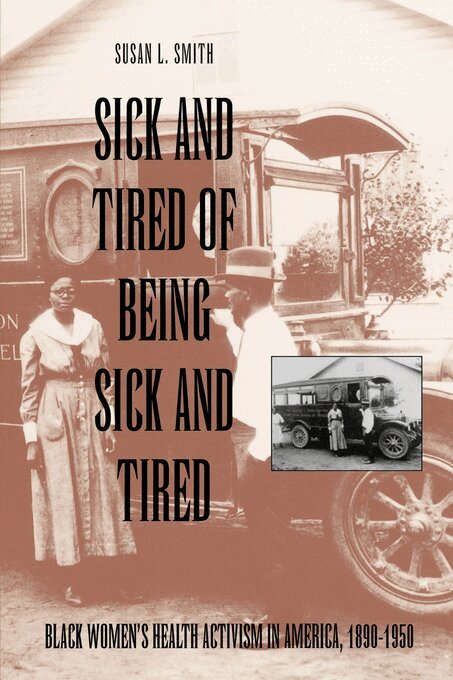
Sick and Tired of Being Sick and Tired
Black Women's Health Activism in America, 1890-1950
E-bok, 2010
493 kr
Lägg i varukorg
Sick and Tired of Being Sick and Tired moves beyond the depiction of African Americans as mere recipients of aid or as victims of neglect and highlights the ways black health activists created public health programs and influenced public policy at every opportunity. Smith also sheds new light on …
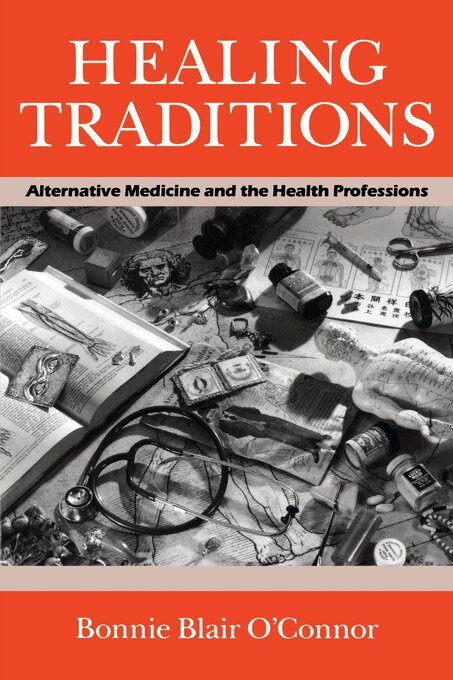
Healing Traditions
Alternative Medicine and the Health Professions
E-bok, 2010
489 kr
Lägg i varukorg
The popularity and practice of alternative medicine continues to expand at astonishing rates. In Healing Traditions, Bonnie Blair O'Connor considers the conflicts that arise between the values and assumptions of Western, scientific medicine and those of unconventional health systems. Providing …
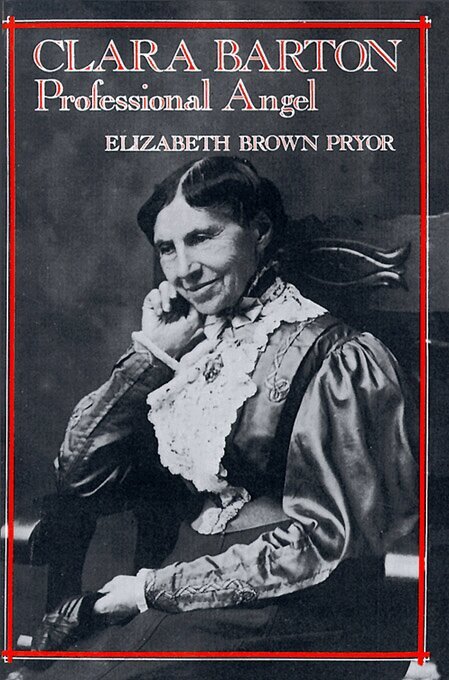
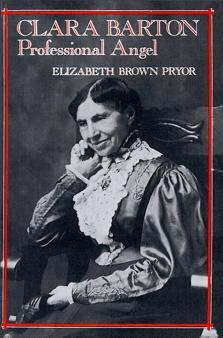
Clara Barton, Professional Angel
E-bok, 2011
588 kr
Lägg i varukorg
Widely known today as the "Angel of the Battlefield," Clara Barton's personal life has always been shrouded in mystery. In Clara Barton, Professional Angel, Elizabeth Brown Pryor presents a biography of Barton that strips away the heroic exterior and reveals a complex and often trying woman.Based …
Say Little, Do Much
Nursing, Nuns, and Hospitals in the Nineteenth Century
E-bok, 2010
437 kr
Lägg i varukorg
In the nineteenth century, more than a third of American hospitals were established and run by women with religious vocations. In Say Little, Do Much, Sioban Nelson casts light on the work of these women's religious communities. According to Nelson, the popular view that nursing invented itself in …
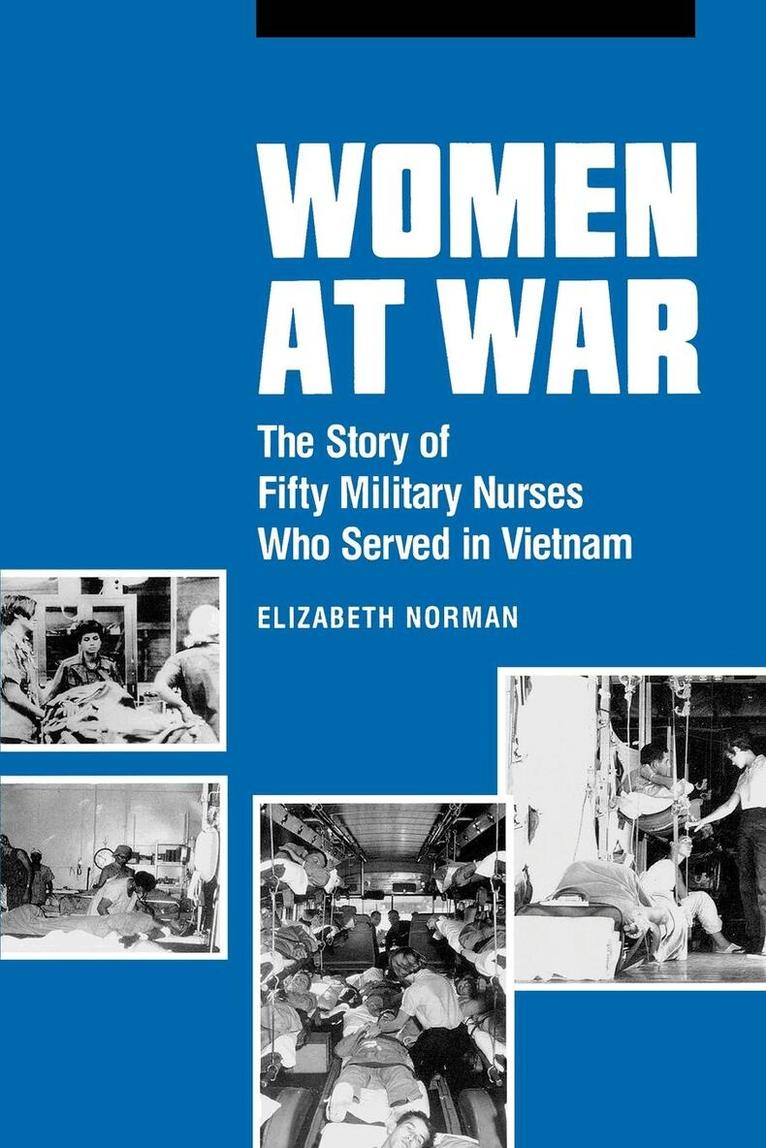
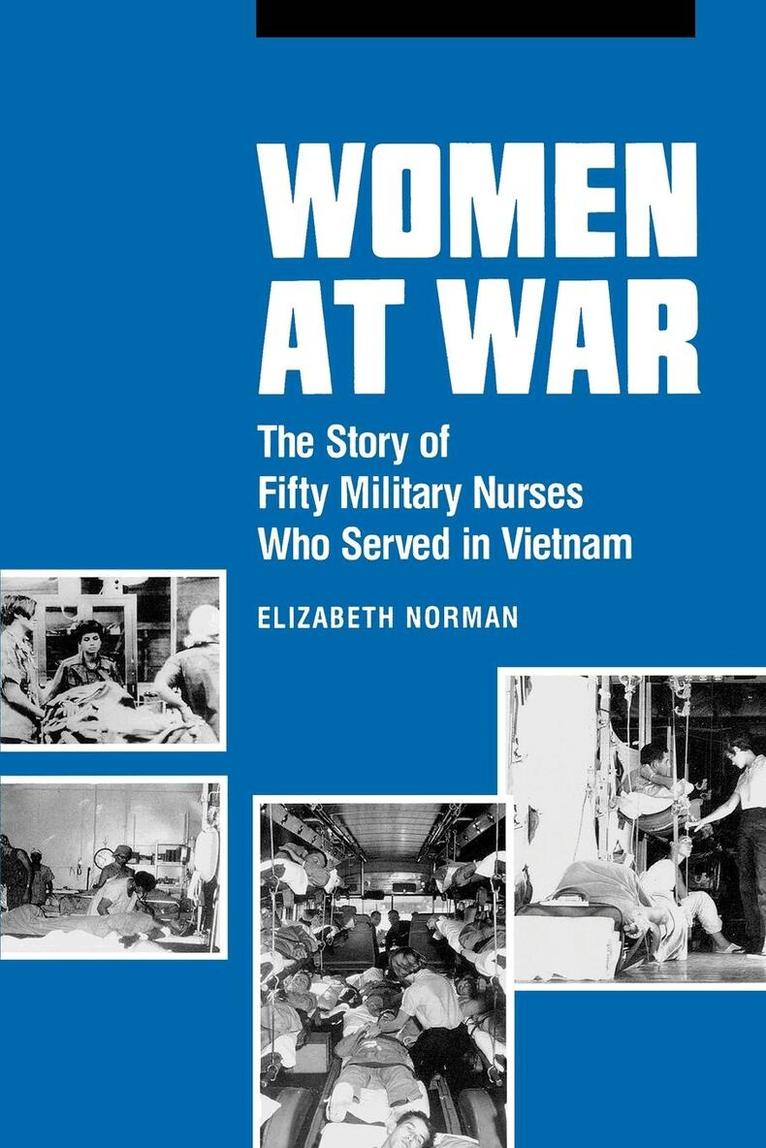
Women at War
The Story of Fifty Military Nurses Who Served in Vietnam
E-bok, 2010
504 kr
Lägg i varukorg
Norman tells the dramatic story of fifty women-members of the Army, Navy, and Air Force Nurse Corps-who went to war, working in military hospitals, aboard ships, and with air evacuation squadrons during the Vietnam War. Here, in a moving narrative, the women talk about why they went to war, the …
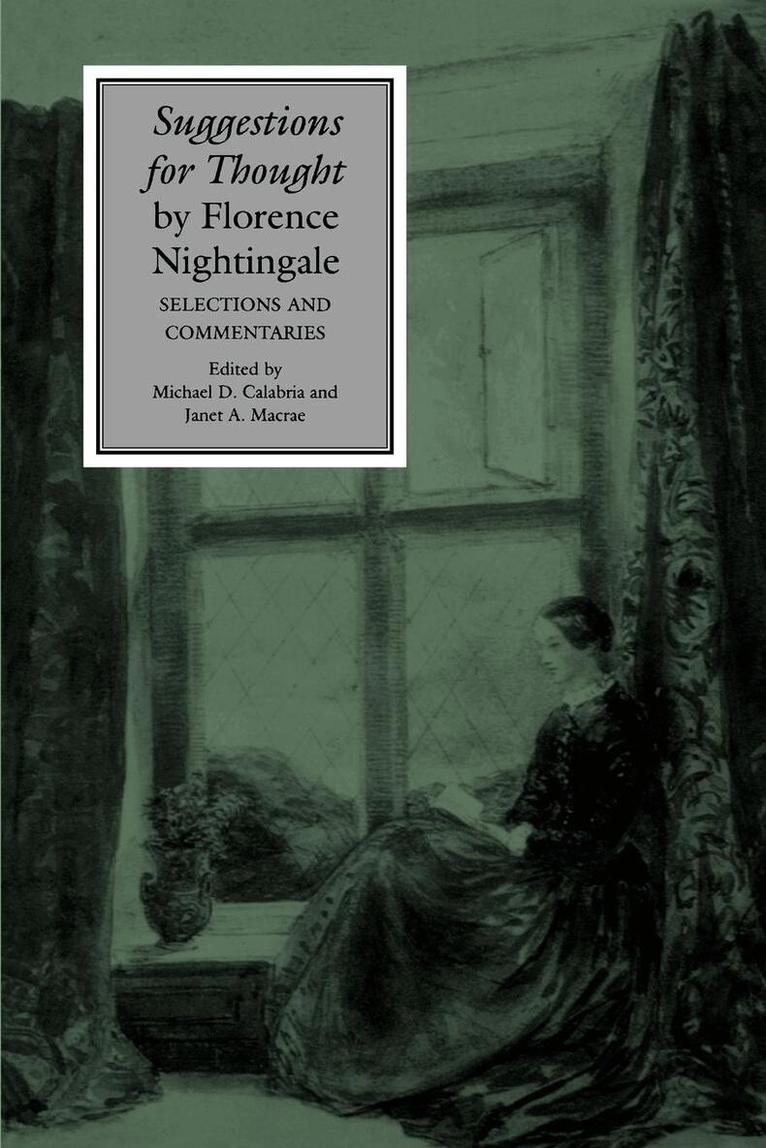
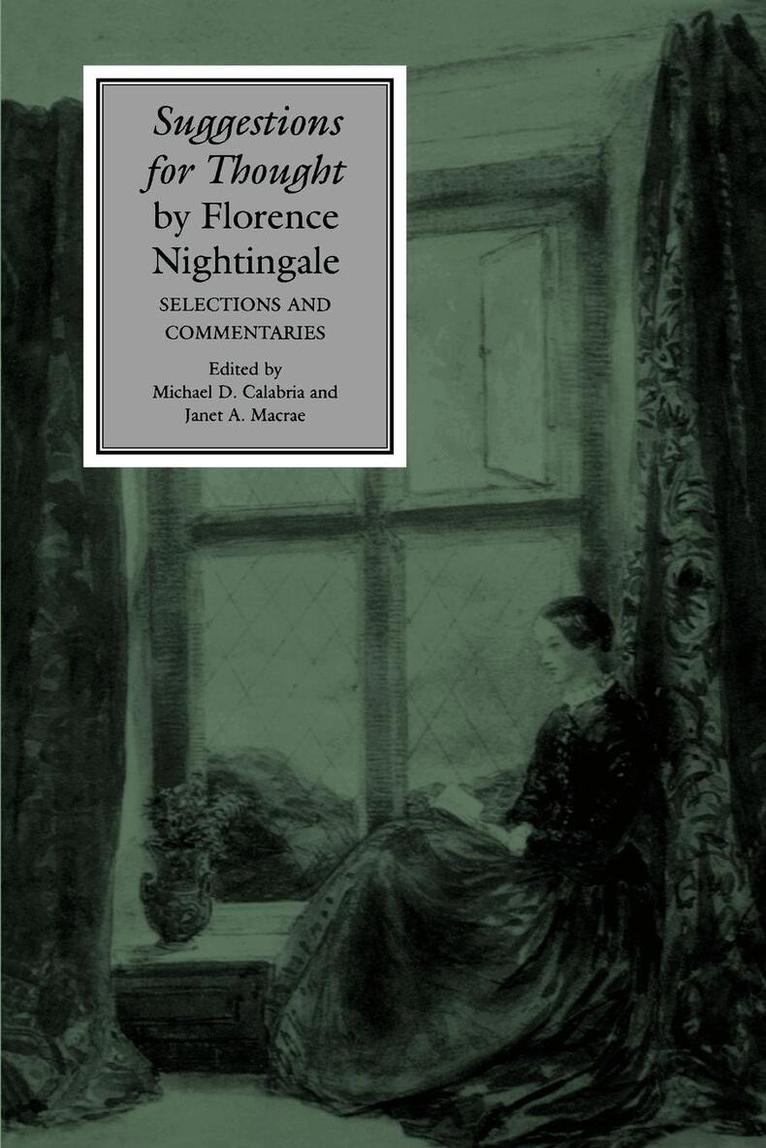
Suggestions for Thought by Florence Nightingale
Selections and Commentaries
Av Michael D. Calabria, Janet A. Macrae
E-bok, 2013
424 kr
Lägg i varukorg
Florence Nightingale is best known as the founder of modern nursing, a reformer in the field of public health, and a pioneer in the use of statistics. It is not generally known, however, that Nightingale was at the forefront of the religious, philosophical, and scientific though of her time. In a …
Clara Barton, Professional Angel
Häftad, 1988
471 kr
Lägg i varukorg
Widely known today as the "Angel of the Battlefield," Clara Barton's personal life has always been shrouded in mystery. In Clara Barton, Professional Angel, Elizabeth Brown Pryor presents a biography of Barton that strips away the heroic exterior and reveals a complex and often trying woman.Based …
Women at War
The Story of Fifty Military Nurses Who Served in Vietnam
Häftad, 1990
399 kr
Lägg i varukorg
Norman tells the dramatic story of fifty women-members of the Army, Navy, and Air Force Nurse Corps-who went to war, working in military hospitals, aboard ships, and with air evacuation squadrons during the Vietnam War. Here, in a moving narrative, the women talk about why they went to war, the …
Bring Out Your Dead
The Great Plague of Yellow Fever in Philadelphia in 1793
Av J. H. Powell
Häftad, 1993
399 kr
Lägg i varukorg
In 1793 a disastrous plague of yellow fever paralyzed Philadelphia, killing thousands of residents and bringing the nation's capital city to a standstill. In this psychological portrait of a city in terror, J. H. Powell presents a penetrating study of human nature revealing itself. Bring Out Your …
Suggestions for Thought by Florence Nightingale
Selections and Commentaries
Av Michael D. Calabria, Janet A. Macrae
Häftad, 1994
331 kr
Lägg i varukorg
Florence Nightingale is best known as the founder of modern nursing, a reformer in the field of public health, and a pioneer in the use of statistics. It is not generally known, however, that Nightingale was at the forefront of the religious, philosophical, and scientific though of her time. In a …
Caregiving
Readings in Knowledge, Practice, Ethics, and Politics
Av Suzanne Gordon, Patricia Benner m. fl.
Häftad, 1996
399 kr
Lägg i varukorg
The need for caregiving is enormous. Thanks to extraordinary advances in medical technology, Americans are surviving illnesses and injuries that would have killed them a generation ago, and more of us are living into our eighties and nineties than ever before. Yet most people over sixty-five live …
Say Little, Do Much
Nursing, Nuns, and Hospitals in the Nineteenth Century
Häftad, 2003
341 kr
Lägg i varukorg
In the nineteenth century, more than a third of American hospitals were established and run by women with religious vocations. In Say Little, Do Much, Sioban Nelson casts light on the work of these women's religious communities. According to Nelson, the popular view that nursing invented itself in …
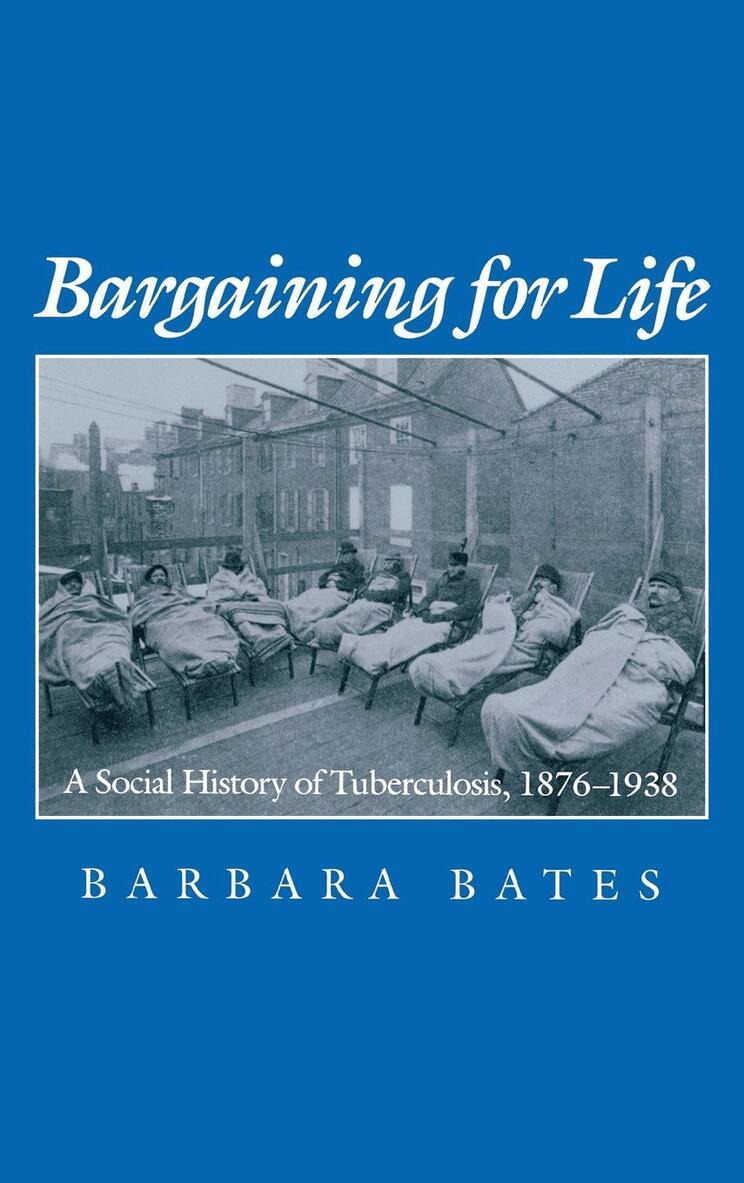
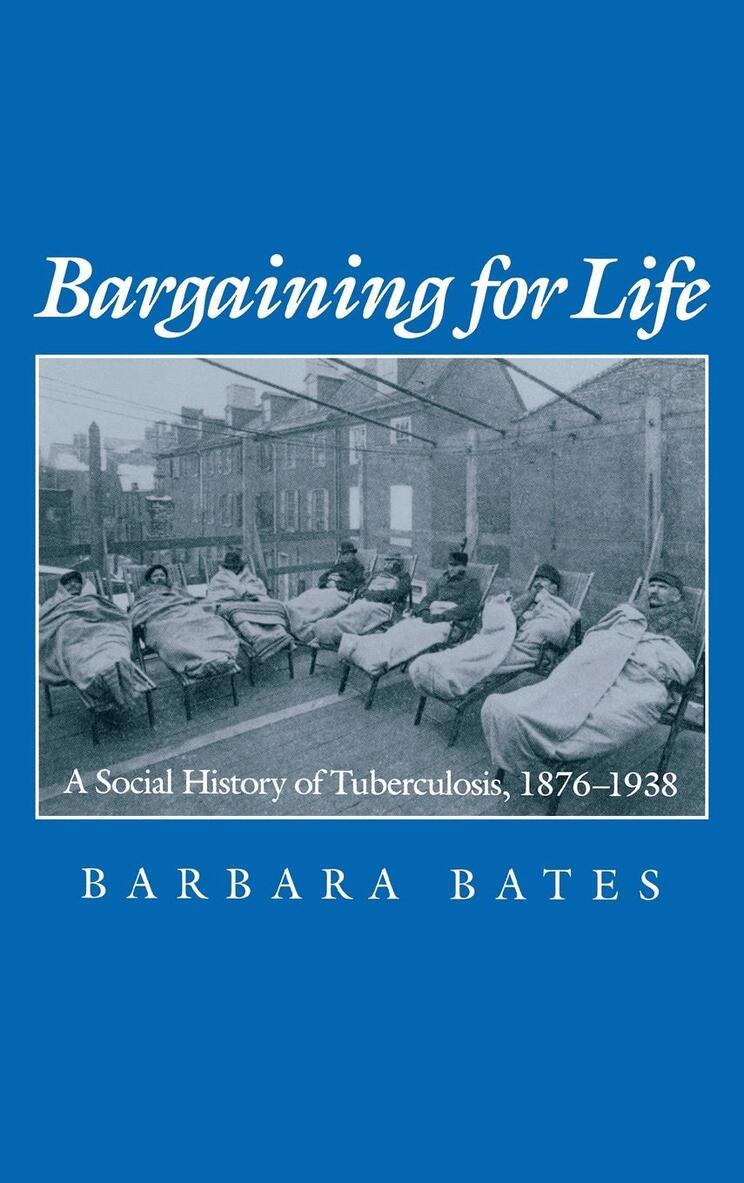
Bargaining for Life
A Social History of Tuberculosis, 1876-1938
Inbunden, 1992
877 kr
Lägg i varukorg
Tuberculosis was the most common cause of death in the United States during the nineteenth century. The lingering illness devastated the lives of patients and families, and by the turn of the century, fears of infectiousness compounded their anguish. Historians have usually focused on the changing …
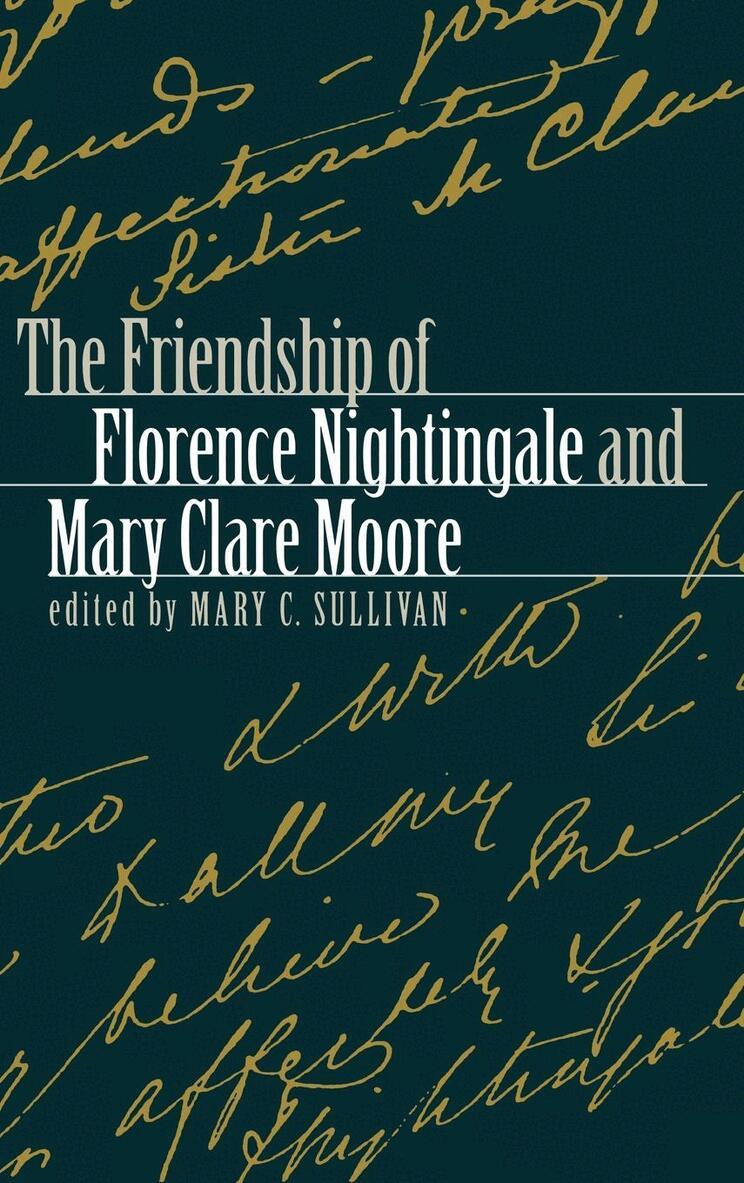
Friendship of Florence Nightingale and Mary Clare Moore
Inbunden, 1999
785 kr
Lägg i varukorg
Florence Nightingale is best known as a woman of action-a founder of modern nursing, a reformer in the field of public health, and a pioneer in the use of statistics. What is not generally appreciated is that Nightingale was deeply engaged in the religious and philosophical thought of her time and …
Bring Out Your Dead
The Great Plague of Yellow Fever in Philadelphia in 1793
Av J. H. Powell
E-bok, 2014
504 kr
Lägg i varukorg
In 1793 a disastrous plague of yellow fever paralyzed Philadelphia, killing thousands of residents and bringing the nation's capital city to a standstill. In this psychological portrait of a city in terror, J. H. Powell presents a penetrating study of human nature revealing itself. Bring Out Your …
Bargaining for Life
A Social History of Tuberculosis, 1876-1938
E-bok, 2015
1035 kr
Lägg i varukorg
Tuberculosis was the most common cause of death in the United States during the nineteenth century. The lingering illness devastated the lives of patients and families, and by the turn of the century, fears of infectiousness compounded their anguish. Historians have usually focused on the changing …
Friendship of Florence Nightingale and Mary Clare Moore
E-bok, 2015
969 kr
Lägg i varukorg
Florence Nightingale is best known as a woman of action—a founder of modern nursing, a reformer in the field of public health, and a pioneer in the use of statistics. What is not generally appreciated is that Nightingale was deeply engaged in the religious and philosophical thought of her time and …