South Asian Literature, Arts, and Culture Studies – serie
Visar alla böcker i serien South Asian Literature, Arts, and Culture Studies. Handla med fri frakt och snabb leverans.
5 produkter
5 produkter
Del 1 - South Asian Literature, Arts, and Culture Studies
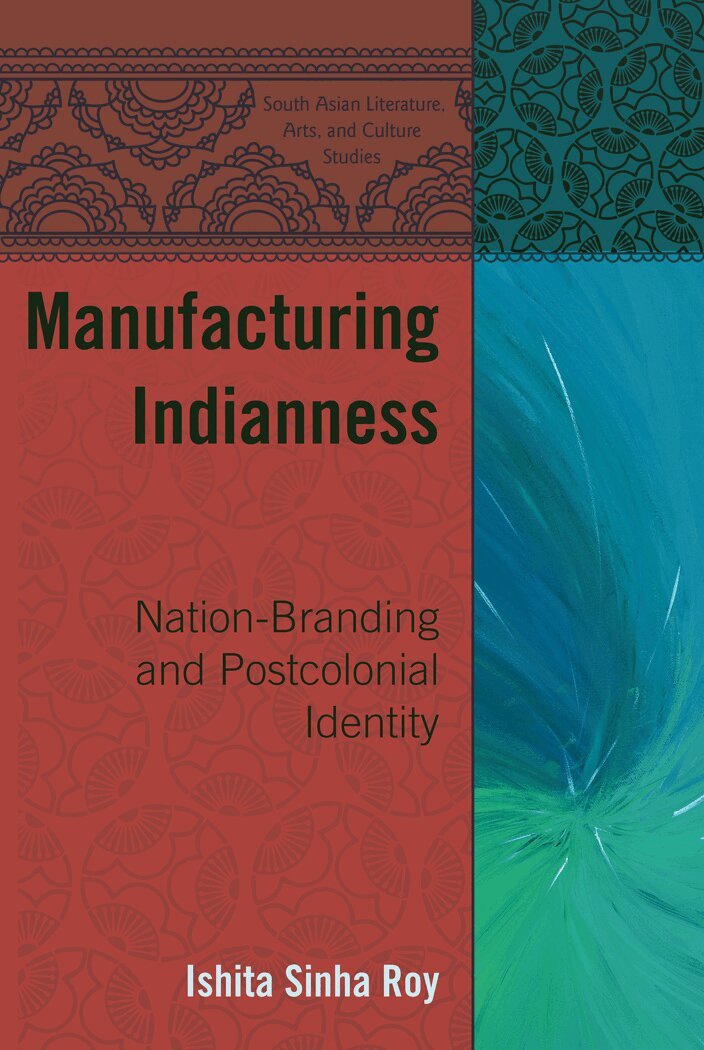
Manufacturing Indianness
Nation-Branding and Postcolonial Identity
Inbunden, Engelska, 2019
1 696 kr
Skickas inom 5-8 vardagar
Manufacturing Indianness takes an interdisciplinary approach in deconstructing nation-branding exercises in neoliberal India, utilizing the fetish as a critical device to demonstrate how postcolonial nation-building can become colonizing. Using interviews with media-makers and nation-branding professionals, postcolonial theory, media and cultural studies, psychoanalytic theories, political economy approaches, affective theory, cultural geography, and branding and marketing perspectives, Manufacturing Indianness provides an insightful and academically sophisticated investigation into how the Indian state and its corporate partners have merged cultural/ethnic nationalism (Hindutva) with neoliberalism to form the ultimate fetish of Brand India.
Del 2 - South Asian Literature, Arts, and Culture Studies
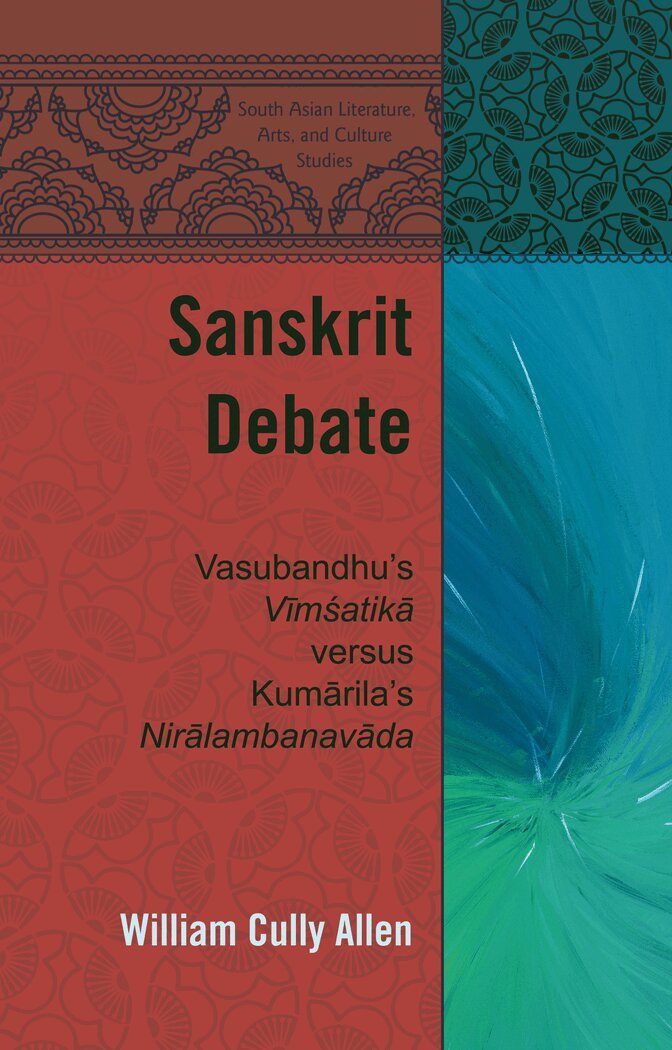
Sanskrit Debate
Vasubandhu’s "Vīmśatikā" versus Kumārila’s "Nirālambanavāda"
Inbunden, Engelska, 2014
873 kr
Skickas inom 5-8 vardagar
Sanskrit Debate: Vasubandhu’s ‘Vīmśatikā’ versus Kumārila’s ‘Nirālambanavāda’ illustrates the rules and regulations of classical Indian debate literature (pramānaśāstra) by introducing new translations of two Sanskrit texts composed in antithesis to each other’s tradition of thought and practice. In the third century CE, Vasubandhu, a Buddhist philosopher-monk, proposed that the entire world of lived experience is a matter of mind only through his Vīmśatikā (Twenty Verses). In the seventh century CE, Kumārila, a Hindu philosopher-priest, composed Nirālambanavāda (Non-Sensory Limit Debate) to establish the objective reality of objects by refuting Vasubandhu’s claim that objects experienced in waking life are not different from objects experienced in dreams. Kumārila rigorously employs formal rules and regulations of Indian logic and debate to demonstrate that Vasubandhu’s assertion is totally irrational and incoherent. Vīmśatikā ranks among the world’s most misunderstood texts but Kumārila’s historic refutation allows Vīmśatikā to be read in its own text-historical context. This compelling, radically revolutionary re-reading of Vīmśatikā delineates a hermeneutic of humor indispensable to discerning its medicinal message. In Vīmśatikā, Vasubandhu employs the form of professional Sanskrit logic and debate as a guise and a ruse to ridicule the entire enterprise of Indian philosophy. Vasubandhu critiques all Indian theories of epistemology and ontology and claims that both how we know and what we know are acts of the imagination.
Del 4 - South Asian Literature, Arts, and Culture Studies
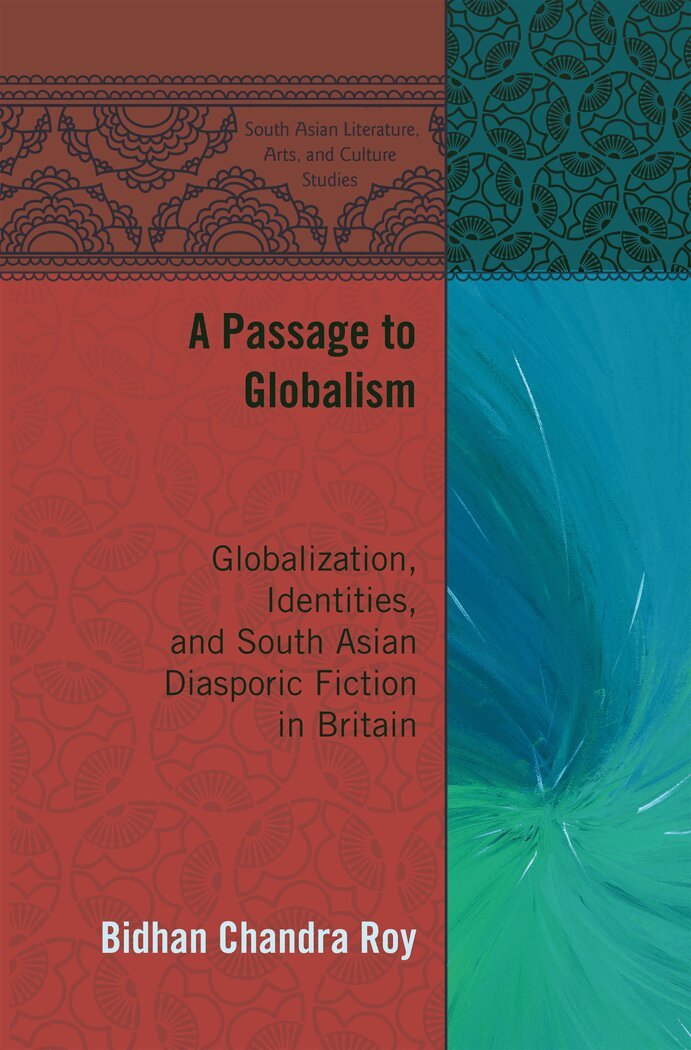
Passage to Globalism
Globalization, Identities, and South Asian Diasporic Fiction in Britain
Inbunden, Engelska, 2013
1 083 kr
Skickas inom 5-8 vardagar
As the history of British colonialism recedes and a new phase of global integration intensifies, the critical tools of postcolonialism become less useful in reading South Asian diasporic fiction in Britain. A Passage to Globalism: Globalization, Identities, and South Asian Diasporic Fiction in Britain responds to the need for a critical framework that is able to address the relationships between identities and contemporary globality. It examines the politics of representation that are involved in positioning and categorizing South Asian diasporic fiction within such a world and asks questions of who and what are represented and how and to whom in selected works of South Asian diasporic fiction. A secondary aim of A Passage to Globalism addresses how South Asian diasporic fiction might extend and qualify theoretical explanations of globalization. This book asks what role does South Asian diasporic fiction play in constructing narratives of globalization? And how does literary analysis help us understand how «stories» of globalization are told? Testing and extending the utility of concepts from both Marxist and liberal explanations of globalization in this way, it argues for an integrated theoretical approach to a set of texts that operate at the complex intersection between Britain’s colonial past and the complexity of contemporary globality as well as across local, national, and transnational literary contexts.
Del 1 - South Asian Literature, Arts, and Culture Studies
Manufacturing Indianness
Nation-Branding and Postcolonial Identity
Häftad, Engelska, 2019
918 kr
Tillfälligt slut
Manufacturing Indianness takes an interdisciplinary approach in deconstructing nation-branding exercises in neoliberal India, utilizing the fetish as a critical device to demonstrate how postcolonial nation-building can become colonizing. Using interviews with media-makers and nation-branding professionals, postcolonial theory, media and cultural studies, psychoanalytic theories, political economy approaches, affective theory, cultural geography, and branding and marketing perspectives, Manufacturing Indianness provides an insightful and academically sophisticated investigation into how the Indian state and its corporate partners have merged cultural/ethnic nationalism (Hindutva) with neoliberalism to form the ultimate fetish of Brand India.
Del 5 - South Asian Literature, Arts, and Culture Studies
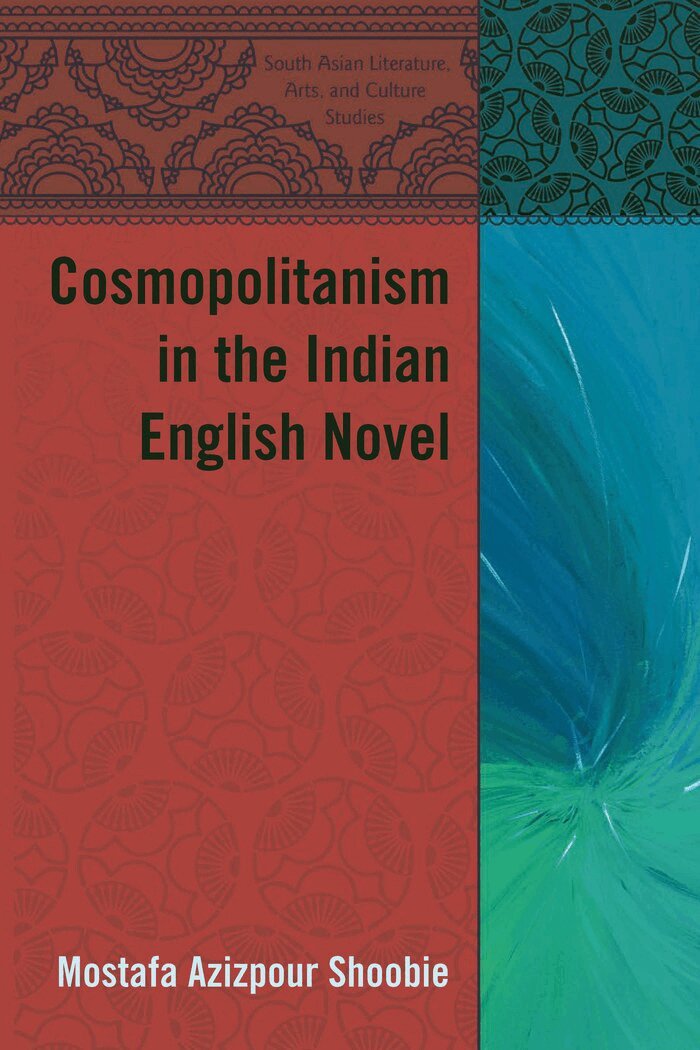
Cosmopolitanism in the Indian English Novel
Inbunden, Engelska, 2019
1 149 kr
Skickas inom 5-8 vardagar
Cosmopolitanism in the Indian English Novel argues that select novels by Indian writers in English largely present a kind of micro-cosmopolitanism that preserves nation as a primary site for social and cultural formation while opening it up to critique. During colonial times, local cultural expression wrestled with the global as represented by the systems of empire. The ideal subject or literary work was one that could happily inhabit both ends of the center-periphery in a kind of cosmopolitan space determined by imperial metropolitan and local elite cultures. As colonies liberated themselves, new national formations had to negotiate a mix of local identity, residual colonial traits, and new forces of global power. New and more complex cosmopolitan identities had to be discovered, and writers and texts reflecting these became correspondingly more problematic to assess, as old centralisms gave way to new networks of cultural control. This book contends that novels written in the context of the postcolonial cultural politics after the successful attainment of national independence question how a nation is to be made while recognizing its relation to globalization. The strong waves of globalization enforce sociological, political, and economic values in developing countries that may not be readily acceptable in those societies.Cosmopolitanism in the Indian English Novel focuses on three novelists in particular: Arundhati Roy, Kiran Desai, and Aravind Adiga, all of whom have received the prestigious Man Booker Prize for their work. Despite the varied but broadly elite cosmopolitan positions of these writers, they all depict characters working toward a cosmopolitanism from the grassroots, rather than through a top-down practice. Furthermore, these writers and their works, to varying degrees, turn a suspicious eye to the effects (cultural, economic, or otherwise) of globalization as a phenomenon that can prevent possibilities for more fluid forms of belonging and border-crossing. Cosmopolitanism in the Indian English Novel should appeal to researchers in cultural studies interested in Indian English fiction and/or the form and function of cosmopolitanism in a rapidly globalizing postcolonial world.