Studies in Genocide: Religion, History, and Human Rights – serie
Visar alla böcker i serien Studies in Genocide: Religion, History, and Human Rights. Handla med fri frakt och snabb leverans.
8 produkter
8 produkter
1 142 kr
Skickas inom 10-15 vardagar
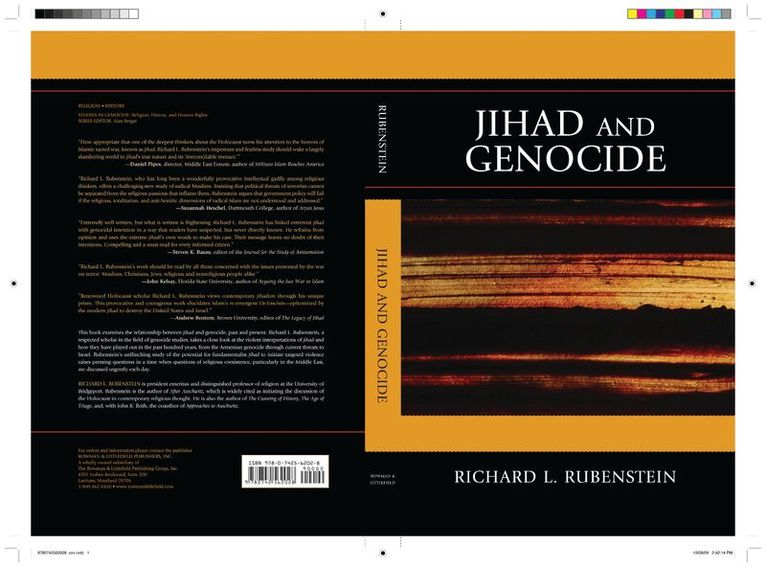
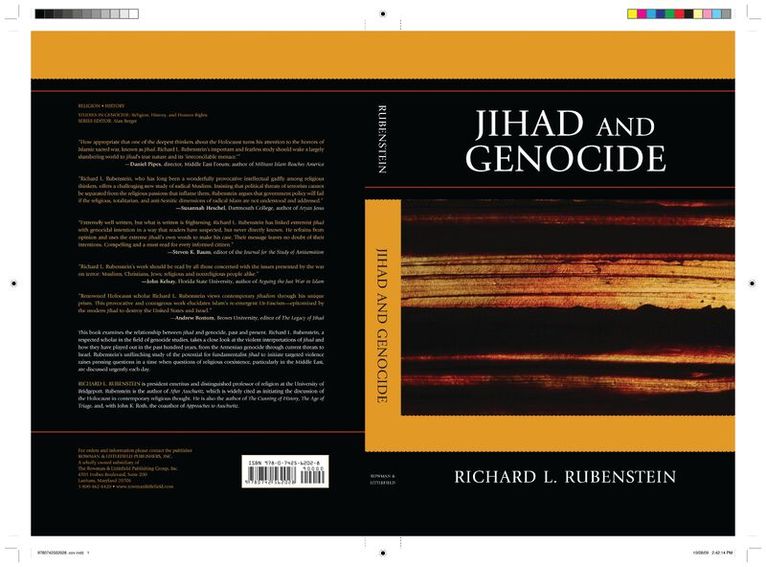
This book examines the relationship between jihad and genocide, past and present. Richard L. Rubenstein takes a close look at the violent interpretations of jihad and how they have played out in the past hundred years, from the Armenian genocide through current threats to Israel. Rubenstein's unflinching study of the potential for fundamentalist jihad to initiate targeted violence raises pressing questions in a time when questions of religious co-existence, particularly in the Middle East, are discussed urgently each day.
434 kr
Skickas inom 10-15 vardagar
This book examines the relationship between jihad and genocide, past and present. Richard L. Rubenstein takes a close look at the violent interpretations of jihad and how they have played out in the past hundred years, from the Armenian genocide through current threats to Israel. Rubenstein's unflinching study of the potential for fundamentalist jihad to initiate targeted violence raises pressing questions in a time when questions of religious co-existence, particularly in the Middle East, are discussed urgently each day.
764 kr
Skickas inom 10-15 vardagar
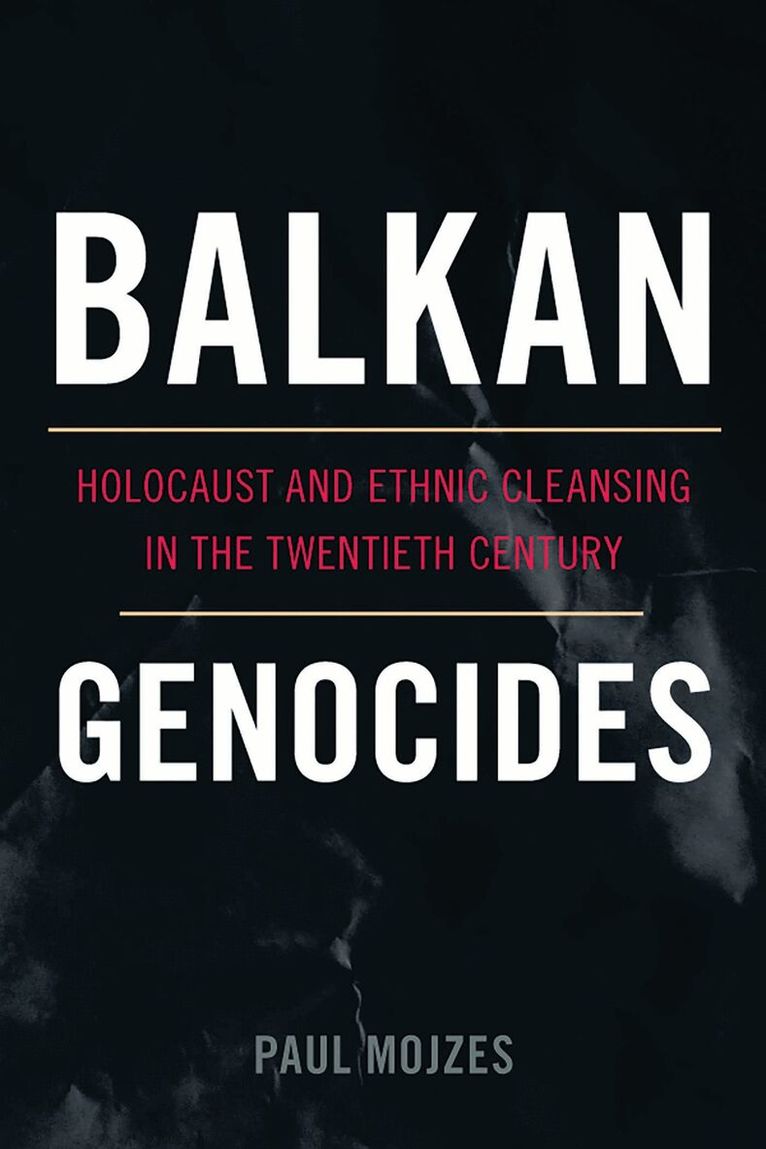
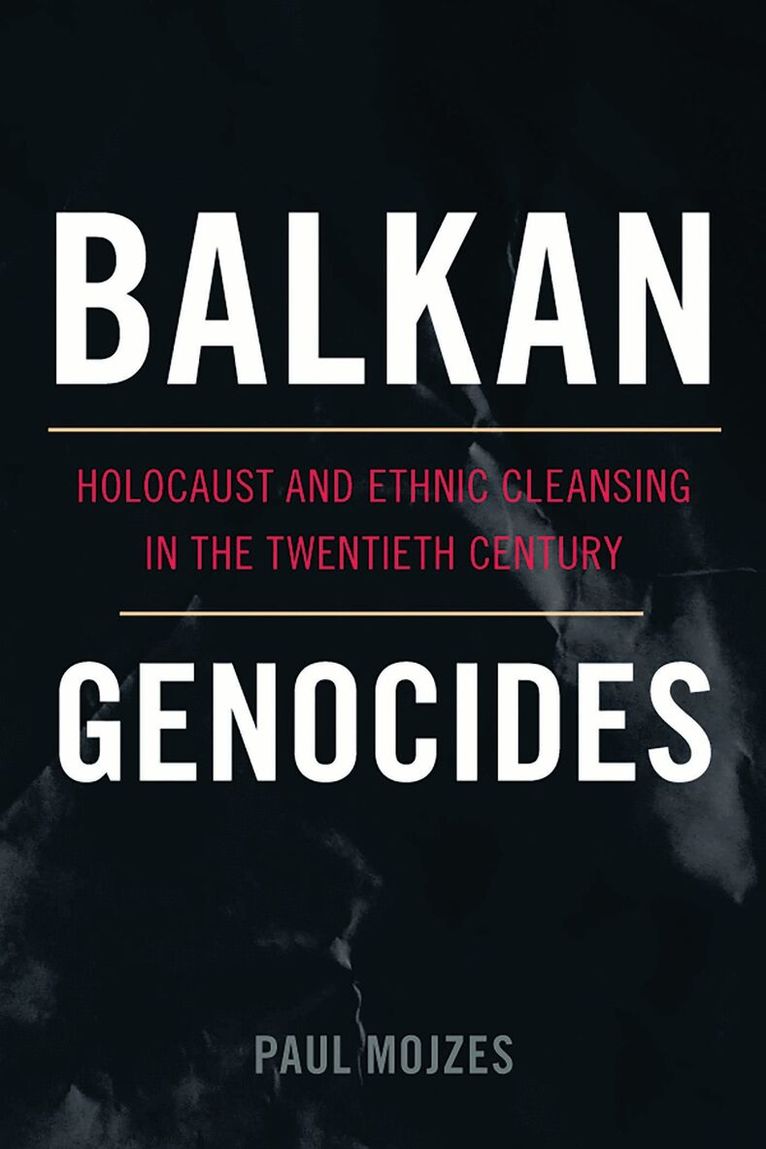
During the twentieth century, the Balkan Peninsula was affected by three major waves of genocides and ethnic cleansings, some of which are still being denied today. In Balkan Genocides Paul Mojzes provides a balanced and detailed account of these events, placing them in their proper historical context and debunking the common misrepresentations and misunderstandings of the genocides themselves. A native of Yugoslavia, Mojzes offers new insights into the Balkan genocides, including a look at the unique role of ethnoreligiosity in these horrific events and a characterization of the first and second Balkan wars as mutual genocides. Mojzes also looks to the region's future, discussing the ongoing trials at the International Criminal Tribunal in Yugoslavia and the prospects for dealing with the lingering issues between Balkan nations and different religions. Balkan Genocides attempts to end the vicious cycle of revenge which has fueled such horrors in the past century by analyzing the terrible events and how they came to pass.
447 kr
Skickas inom 10-15 vardagar
During the twentieth century, the Balkan Peninsula was affected by three major waves of genocides and ethnic cleansings, some of which are still being denied today. In Balkan Genocides Paul Mojzes provides a balanced and detailed account of these events, placing them in their proper historical context and debunking the common misrepresentations and misunderstandings of the genocides themselves. A native of Yugoslavia, Mojzes offers new insights into the Balkan genocides, including a look at the unique role of ethnoreligiosity in these horrific events and a characterization of the first and second Balkan wars as mutual genocides. Mojzes also looks to the region's future, discussing the ongoing trials at the International Criminal Tribunal in Yugoslavia and the prospects for dealing with the lingering issues between Balkan nations and different religions. Balkan Genocides attempts to end the vicious cycle of revenge which has fueled such horrors in the past century by analyzing the terrible events and how they came to pass.
669 kr
Skickas inom 5-8 vardagar
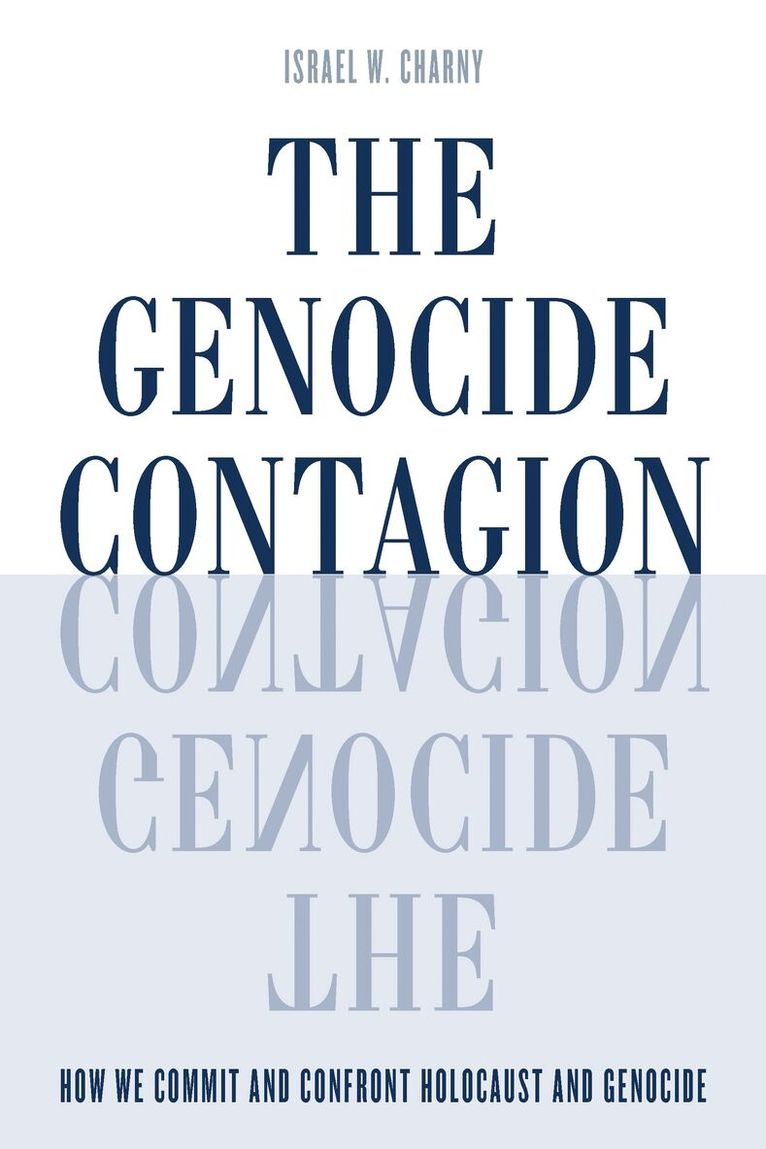
In The Genocide Contagion, Israel W. Charny asks uncomfortable questions about what allows people to participate in genocide—either directly, through killing or other violent acts, or indirectly, by sitting passively while witnessing genocidal acts. Charny draws on both historical and current examples such as the Holocaust and the Armenian Genocide, and presses readers around the world to consider how they might contribute to genocide. Given the number of people who die from genocide or suffer indirect consequences such as forced migration, Charny argues that we must all work to resist and to learn about ourselves before critical moments arise.
530 kr
Skickas inom 10-15 vardagar
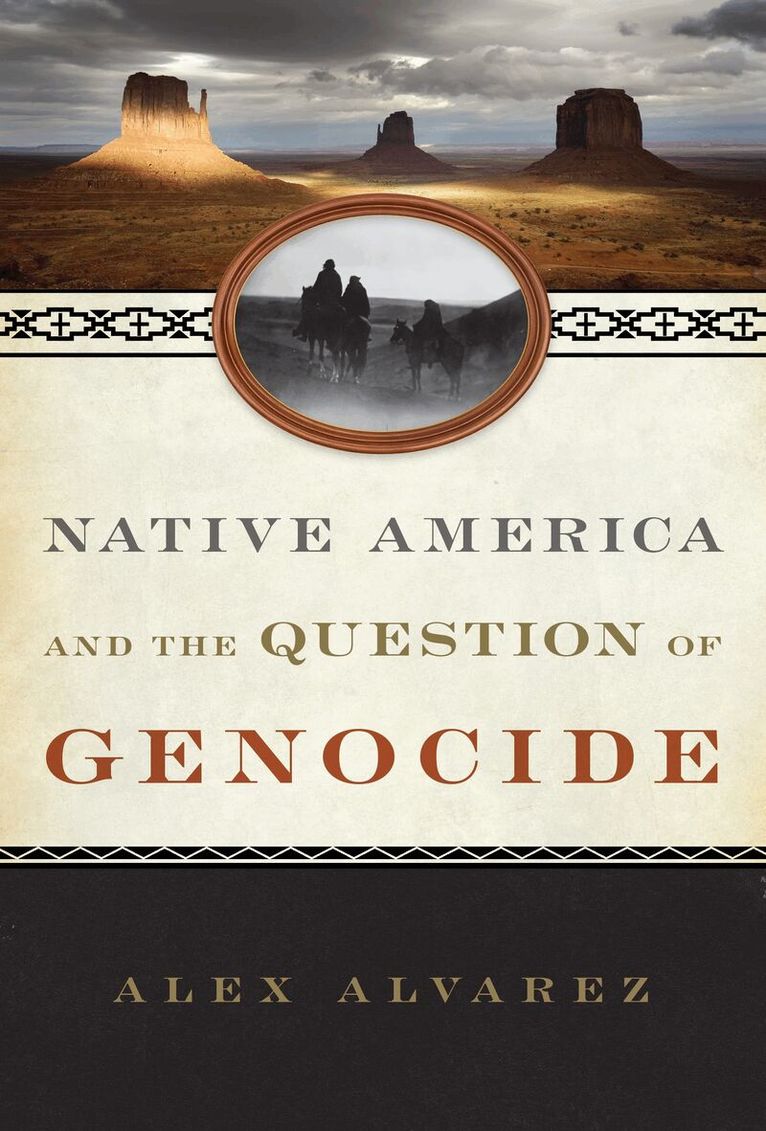
Did Native Americans suffer genocide? This controversial question lies at the heart of Native America and the Question of Genocide. After reviewing the various meanings of the word “genocide,” author Alex Alvarez examines a range of well-known examples, such as the Sand Creek Massacre and the Long Walk of the Navajo, to determine where genocide occurred and where it did not. The book explores the destructive beliefs of the European settlers and then looks at topics including disease, war, and education through the lens of genocide.Native America and the Question of Genocide shows the diversity of Native American experiences postcontact and illustrates how tribes relied on ever-evolving and changing strategies of confrontation and accommodation, depending on their location, the time period, and individuals involved, and how these often resulted in very different experiences. Alvarez treats this difficult subject with sensitivity and uncovers the complex realities of this troubling period in American history.
475 kr
Skickas inom 10-15 vardagar
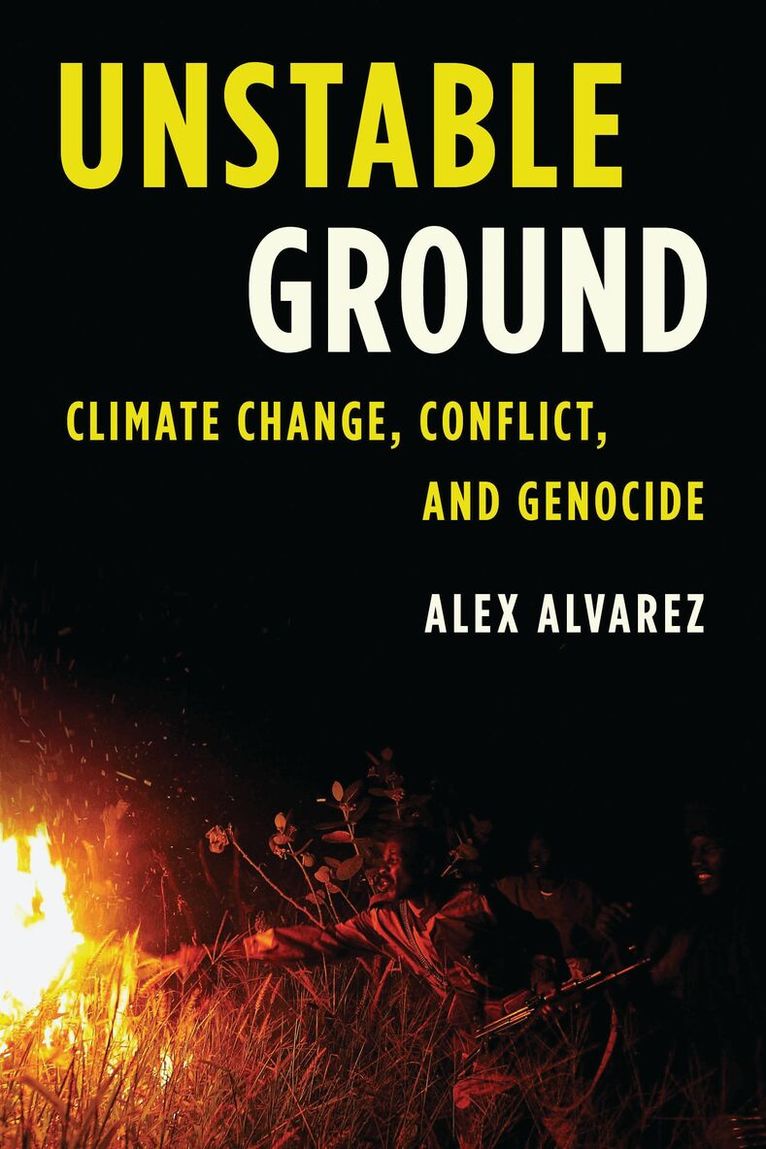
Unstable Ground looks at the human impact of climate change and its potential to provoke some of the most troubling crimes against humanity—ethnic conflict, war, and genocide. Alex Alvarez provides an essential overview of what science has shown to be true about climate change and examines how our warming world will challenge and stress societies and heighten the risk of mass violence.Drawing on a number of recent and historic examples, including Darfur, Syria, and the current migration crisis, this book illustrates the thorny intersections of climate change and violence. The author doesn’t claim causation but makes a compelling case that changing environmental circumstances can be a critical factor in facilitating violent conflict. As research suggests climate change will continue and accelerate, understanding how it might contribute to violence is essential in understanding how to prevent it.
354 kr
Skickas inom 10-15 vardagar
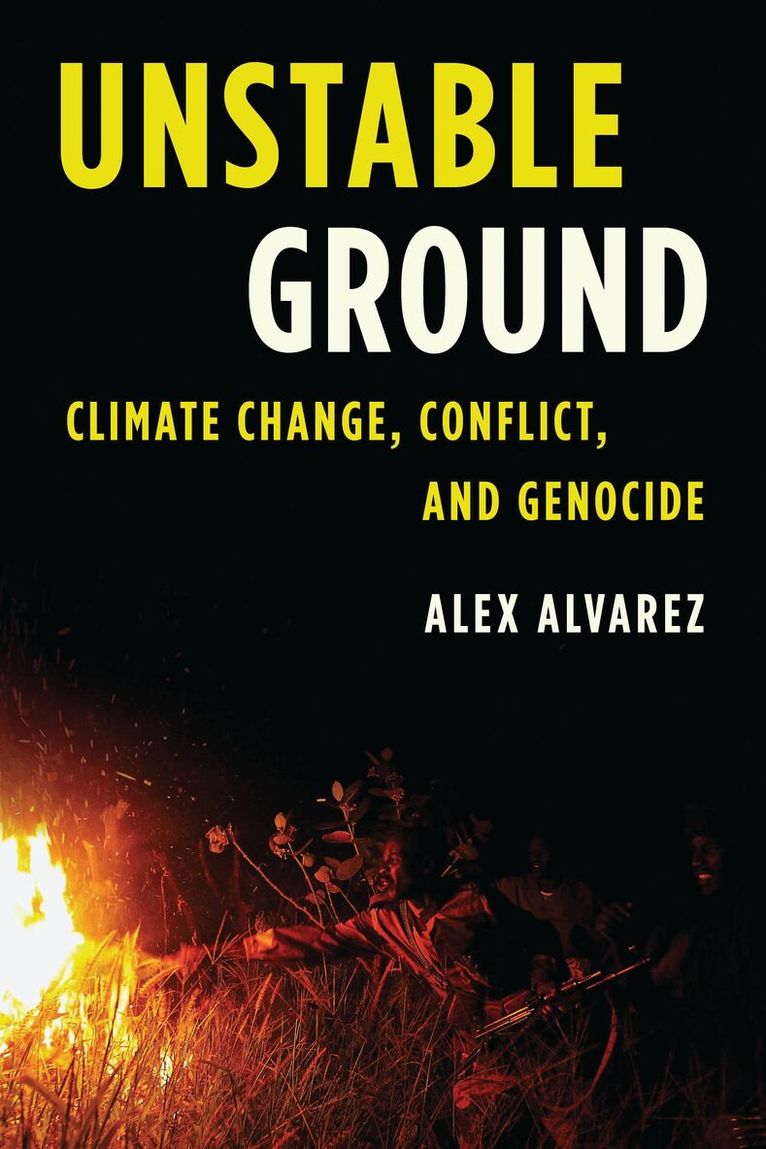
Unstable Ground looks at the human impact of climate change and its potential to provoke some of the most troubling crimes against humanity—ethnic conflict, war, and genocide. Alex Alvarez provides an essential overview of what science has shown to be true about climate change and examines how our warming world will challenge and stress societies and heighten the risk of mass violence.Drawing on a number of recent and historic examples, including Darfur, Syria, and the current migration crisis, this book illustrates the thorny intersections of climate change and violence. The author doesn’t claim causation but makes a compelling case that changing environmental circumstances can be a critical factor in facilitating violent conflict. As research suggests climate change will continue and accelerate, understanding how it might contribute to violence is essential in understanding how to prevent it.