NEXUS: New Histories of Science, Technology, the Environment, Agriculture, and Medicine – serie
Visar alla böcker i serien NEXUS: New Histories of Science, Technology, the Environment, Agriculture, and Medicine. Handla med fri frakt och snabb leverans.
14 produkter
14 produkter
Inbunden, Engelska, 2020
557 kr
Skickas inom 5-8 vardagar
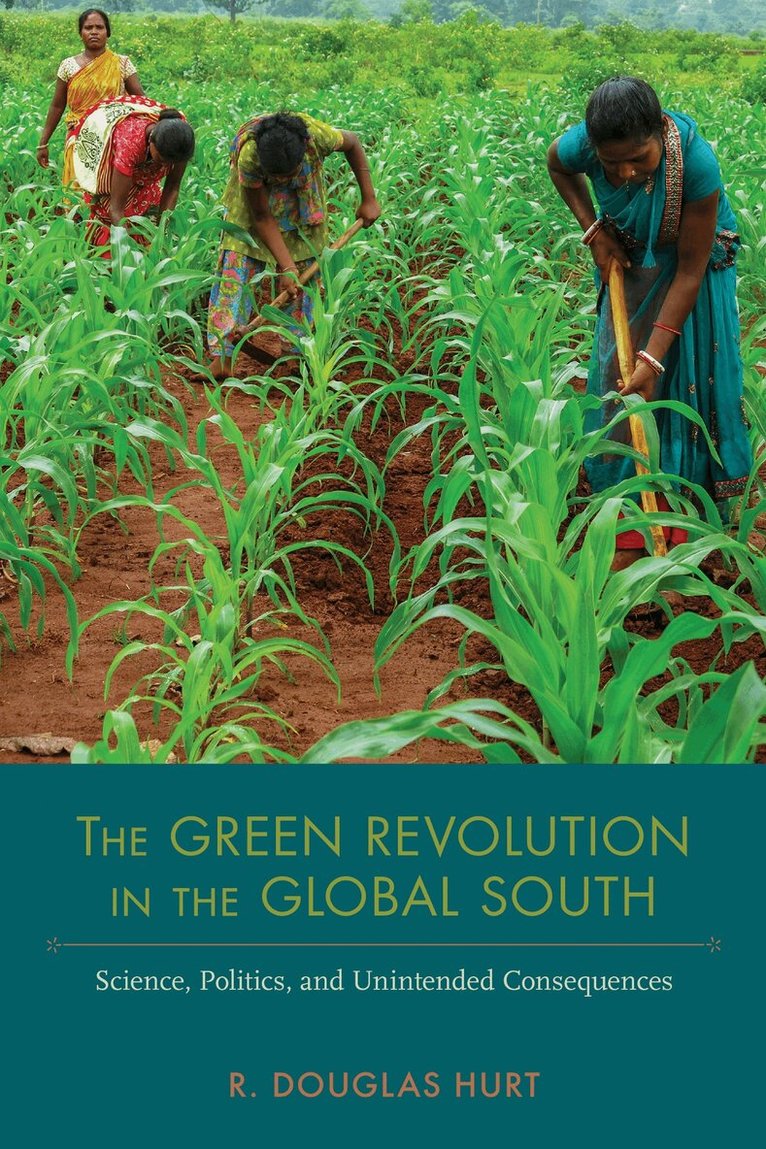
A synthesis of the agricultural history of the Green Revolution.The Green Revolution was devised to increase agricultural production worldwide, particularly in the developing world. Agriculturalists employed anhydrous ammonia and other fertilizing agents, mechanical tilling, hybridized seeds, pesticides, herbicides, and a multitude of other techniques to increase yields and feed a mushrooming human population that would otherwise suffer starvation as the world's food supply dwindled.In The Green Revolution in the Global South: Science, Politics, and Unintended Consequences, R. Douglas Hurt demonstrates that the Green Revolution did not turn out as neatly as scientists predicted. When its methods and products were imported to places like Indonesia and Nigeria, or even replicated indigenously, the result was a tumultuous impact on a society's functioning. A range of factors-including cultural practices, ethnic and religious barriers, cost and availability of new technologies, climate, rainfall and aridity, soil quality, the scale of landholdings, political policies and opportunism, the rise of industrial farms, civil unrest, indigenous diseases, and corruption-entered into the Green Revolution calculus, producing a series of unintended consequences that varied from place to place. As the Green Revolution played out over time, these consequences rippled throughout societies, affecting environments, economies, political structures, and countless human lives.Analyzing change over time, almost decade by decade, Hurt shows that the Green Revolution was driven by the state as well as science. Rather than acknowledge the vast problems with the Green Revolution or explore other models, Hurt argues, scientists and political leaders doubled down and repeated the same missteps in the name of humanity and food security. In tracing the permutations of modern science's impact on international agricultural systems, Hurt documents how, beyond increasing yields, the Green Revolution affected social orders, politics, and lifestyles in every place its methods were applied-usually far more than once.
Inbunden, Engelska, 2021
648 kr
Skickas inom 5-8 vardagar
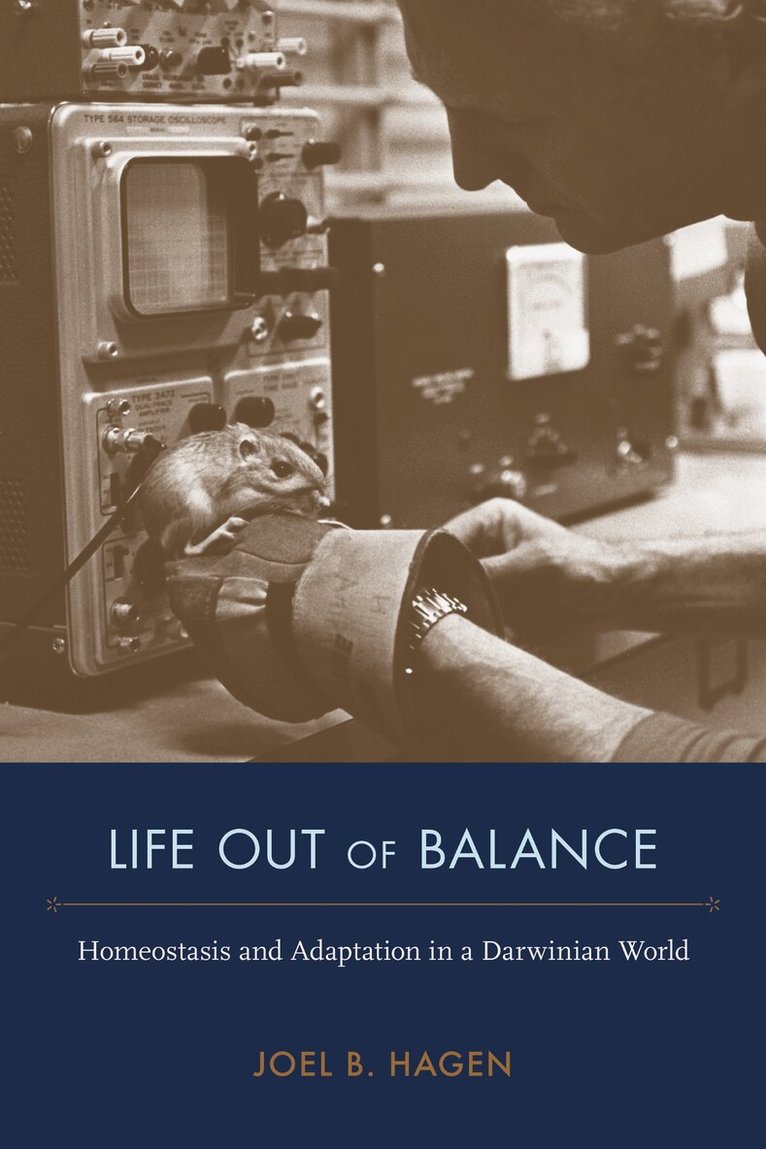
Traces historical developments in physiology, ecology, behavior, and evolutionary biology during the decades following World War II.If natural selection constitutes the first law of biology, supporters claim that homeostasis is a second law, equally important and closely related to the first. Such claims notwithstanding, homeostasis has generated a series of controversies since it was formalized by Walter Cannon in the late 1920s. Critics contended that Cannon took a too optimistic view of life, ignoring not only pathological deviations from normality, but also failing to adequately explain the ability of living things to respond adaptively to environmental challenges.Underlying these controversies was the unresolved problem of integrating physiology and other areas of functional biology with the emerging evolutionary synthesis of Mendelian genetics and Darwinian natural selection. The physiological idea of homeostasis as the adaptive “fit” between the organism and its environment and the Darwinian idea of adaptation and fitness in terms of reproductive success might seem to be complementary in an unproblematic way, but historically they have had an uneasy relationship.Life Out of Balance focuses on a period in history when new ideas of self-regulation, adaptation, and fitness became central to a variety of biological disciplines. During the decades surrounding World War II, these ideas developed in several quite different contexts and led to greater debates about the merits of such models as applied to larger systems, including society at large. Particularly in its later cybernetic form homeostasis seemed to provide new ways of discussing balance and regulation that avoided discredited approaches of earlier champions of vitalism and mechanism. It provided a common perspective and terminology for discussing self-regulating “systems” whether mechanical, biological, or social. Although enormously fruitful and influential, homeostatic perspectives also generated numerous controversies when critics questioned the degree to which biological systems are characterized by balance and self-regulation. Resolving these controversies continues to be a challenge in modern biology.
Inbunden, Engelska, 2021
557 kr
Skickas inom 5-8 vardagar
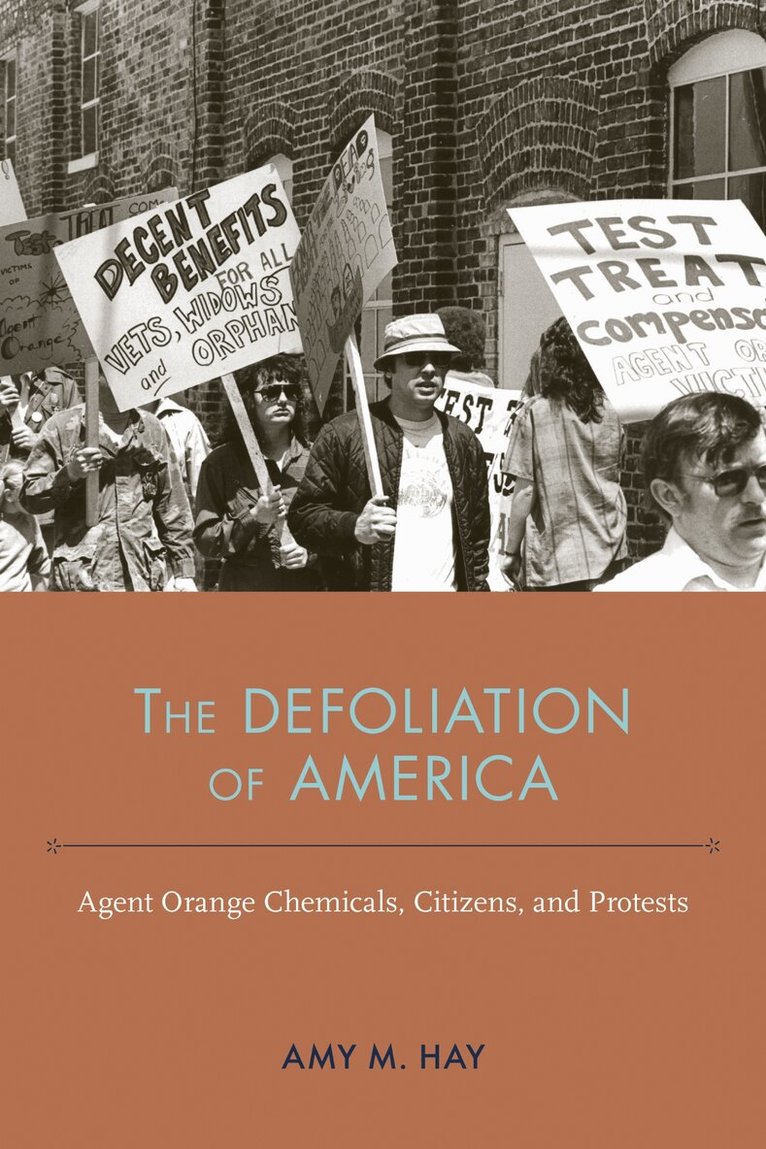
Examines the domestic and international use of phenoxy herbicides by the United States in the mid-twentieth century.In The Defoliation of America: Agent Orange Chemicals, Citizens, and Protests, Amy M. Hay profiles the attitudes, understandings, and motivations of grassroots activists who rose to fight the use of phenoxy herbicides, or Agent Orange chemicals as they are commonly known, in various aspects of American life during the post-WWII era. Hay focuses her analysis on citizen responses to illuminate how regulatory policies were understood, challenged, and negotiated, contributing to a growing body of research on chemical regulatory policies, risk society, and hazardous chemicals. This volume uncovers new understandings about the authority of the state and its obligation to society, the role of scientific authority and expertise, and the protests made by various groups of citizens.First introduced in 1946, phenoxy herbicides mimic hormones in broadleaf plants, causing them to “grow to death” while grass, grains, and other monocots remain unaffected. By the 1950s, millions of pounds of these chemicals were produced annually for use in brush control, weed eradication, forest management, and other agricultural applications. Pockets of skepticism and resistance began to appear by the late 1950s, and the trend intensified after 1962 when Rachel Carson’s Silent Spring directed mainstream attention to the harm modern chemicals were causing in the natural world. It wasn’t until the Vietnam War, however, when nearly 19 million gallons of Agent Orange and related herbicides were sprayed to clear the canopy and destroy crops in Southeast Asia, that the long-term damage associated with this group of chemicals began to attract widespread attention and alarm.Using a wide array of sources and an interdisciplinary approach, Hay contributes to the robust fields of chemical toxicity, regulation, environmental management, and public health. This study of the scientists, health and environmental activists, and veterans who fought US chemical regulatory policies and practices reveals the mechanisms, obligations, and constraints of state and scientific authority in mid-twentieth-century America. Hay also shows how these disparate and mostly forgotten citizen groups challenged the political consensus and contested government and industry narratives of chemical safety.
Inbunden, Engelska, 2023
557 kr
Skickas inom 5-8 vardagar
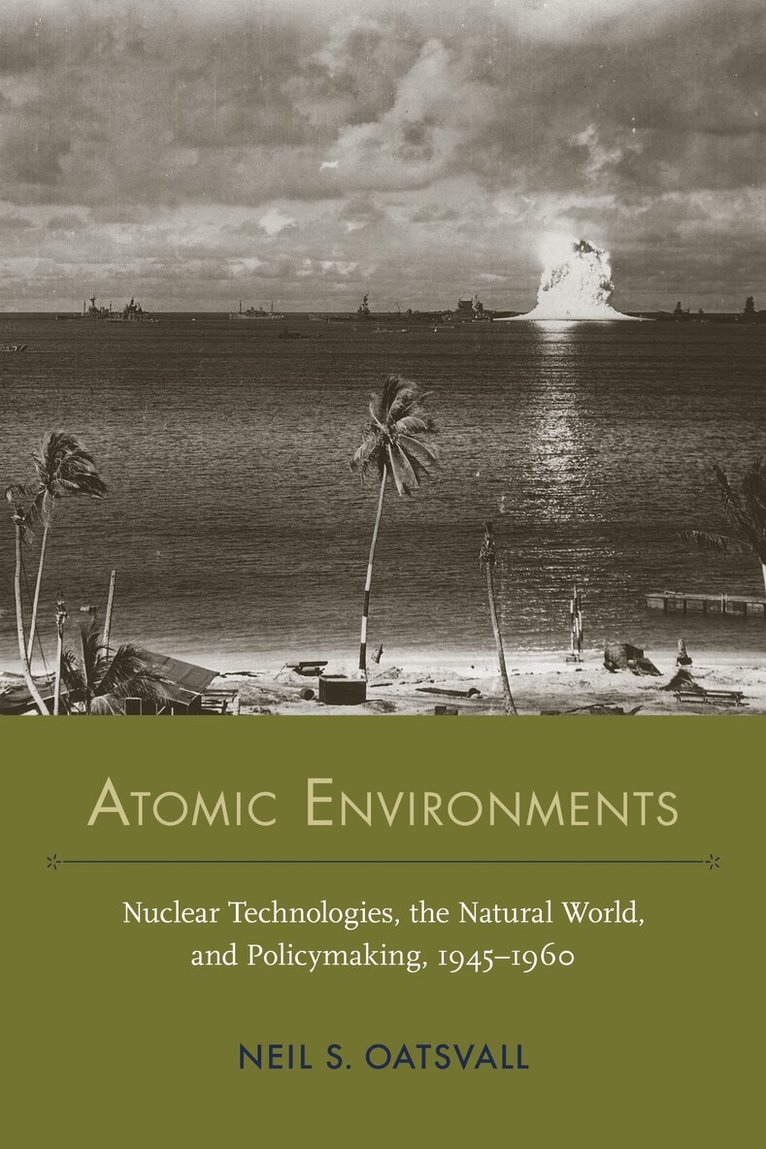
Demonstrates how policymakers influenced environmental science during the early nuclear ageIn Atomic Environments: Nuclear Technologies, the Natural World, and Policymaking, 1945–1960, Neil S. Oatsvall examines how top officials in the Truman and Eisenhower administrations used environmental science to develop nuclear strategy at the beginning of the Cold War. While many people were involved in research and analysis during the period in question, it was at highest levels of executive decision-making where environmental science and nuclear science most clearly combined to shape the nation’s policies.Oatsvall clearly demonstrates how the natural world and the scientific disciplines that study it became integral parts of nuclear science rather than adversarial fields of knowledge. But while nuclear technologies heavily depended on environmental science to develop, those same technologies frequently caused great harm to the natural world. Moreover, while some individuals expressed real anxieties about the damage wrought by nuclear technologies, policymakers as a class consistently made choices that privileged nuclear boosterism and secrecy, prioritizing institutional values over the lives and living systems that they were ostensibly charged to protect.By scrutinizing institutional policymaking practices and agendas at the birth of the nuclear age, a constant set of values becomes clear. Oatsvall reveals an emerging technocratic class that routinely valued knowledge about the environment to help create and maintain a nuclear arsenal, despite its existential threat to life on earth and the negative effects many nuclear technologies had on ecosystems and the American people alike. Although policymakers took their charge to protect and advance the welfare of the United States and its people seriously, Atomic Environments demonstrates how they often failed to do so because their allegiance to the US nuclear hierarchy blinded them to the real risks and dangers of the nuclear age.
Inbunden, Engelska, 2025
1 217 kr
Skickas inom 5-8 vardagar
Inbunden, Engelska, 2025
1 181 kr
Skickas inom 5-8 vardagar
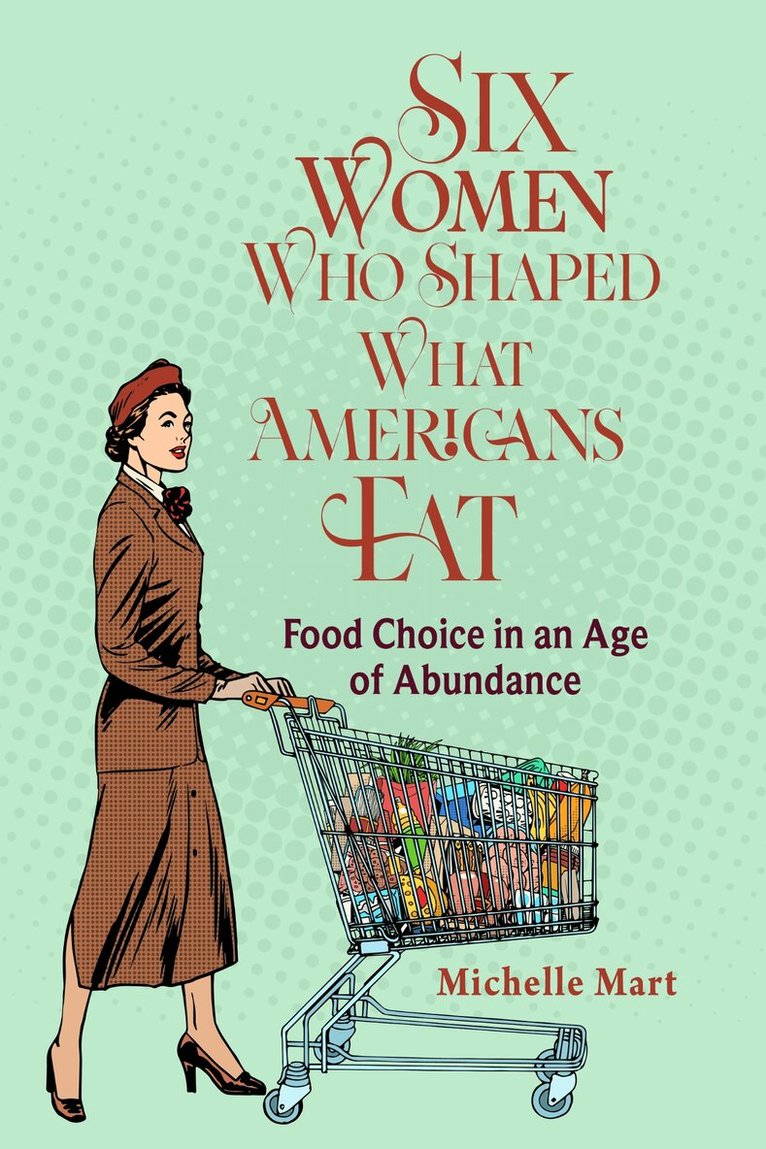
Six Women Who Shaped What Americans Eat tells the stories of six women whose lives and careers influenced American food culture: Hazel Stiebeling, Poppy Cannon, Julia Child, Frances Moore LappÉ, Marion Nestle, and Alice Waters. Each of these women had a substantial impact on American cuisine, attitudes toward food, and what people chose to eat. They highlighted the politics of food, the pleasure of food, the connection between food and health, and the environmental harm of poor food choices.
Inbunden, Engelska, 2026
1 218 kr
Kommande
Inbunden, Engelska, 2027
1 532 kr
Kommande
Häftad, Engelska, 2025
378 kr
Skickas inom 5-8 vardagar
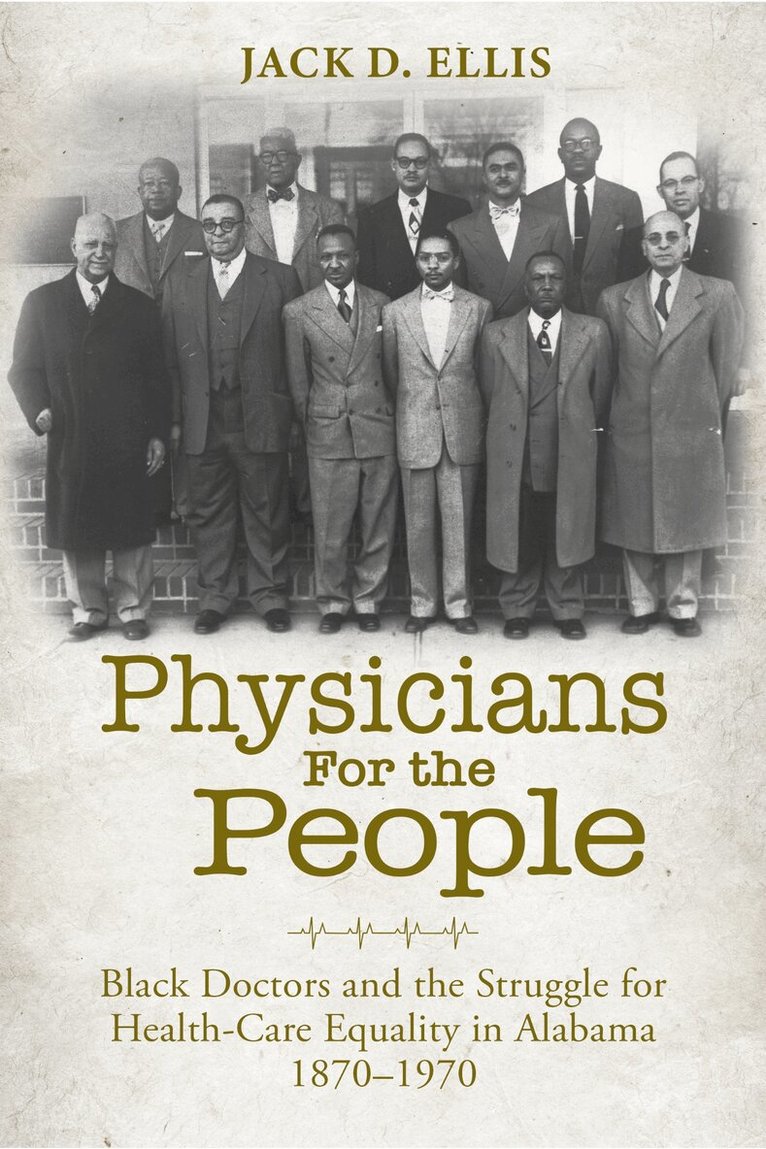
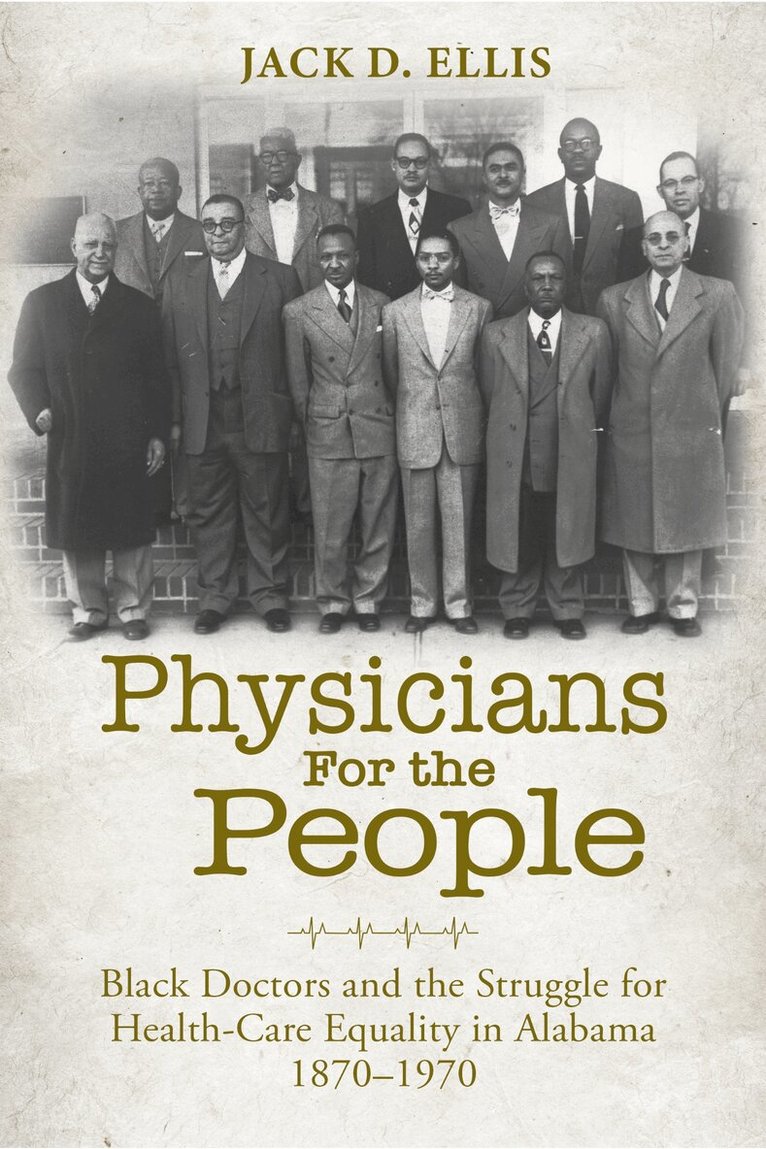
In Physicians for the People, Jack D. Ellis illuminates the post-Civil War lives of Black physicians, dentists, pharmacists, nurses, and midwives, highlighting both the causes of health care disparities among African Americans and the reasons for their continued underrepresentation in medical professions.
Häftad, Engelska, 2025
378 kr
Skickas inom 5-8 vardagar
Häftad, Engelska, 2025
367 kr
Skickas inom 5-8 vardagar
Six Women Who Shaped What Americans Eat tells the stories of six women whose lives and careers influenced American food culture: Hazel Stiebeling, Poppy Cannon, Julia Child, Frances Moore LappÉ, Marion Nestle, and Alice Waters. Each of these women had a substantial impact on American cuisine, attitudes toward food, and what people chose to eat. They highlighted the politics of food, the pleasure of food, the connection between food and health, and the environmental harm of poor food choices.
Häftad, Engelska, 2025
323 kr
Skickas inom 5-8 vardagar
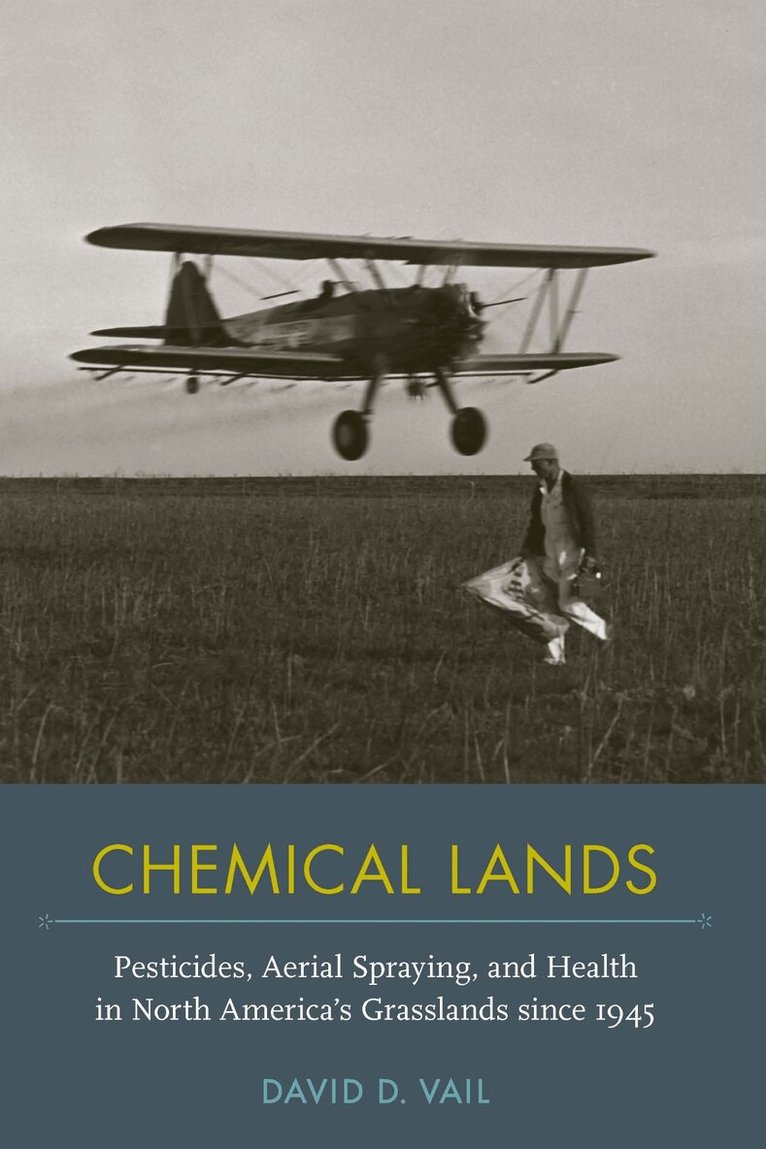
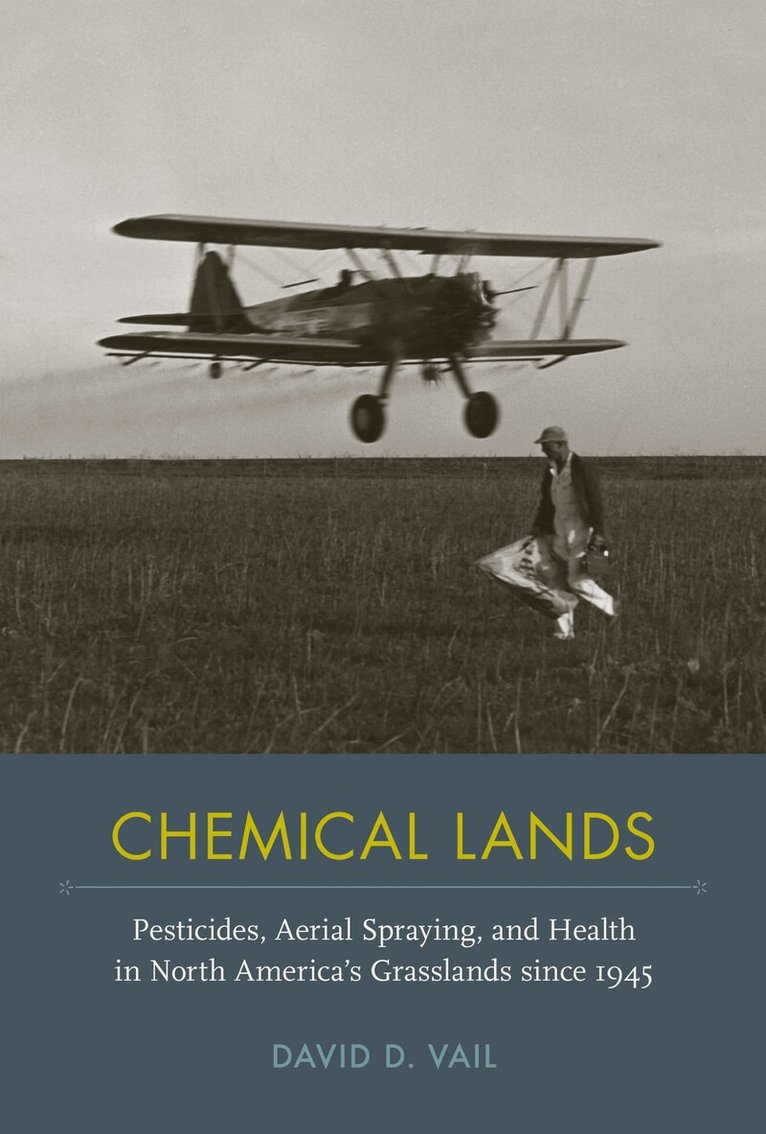
An exploration of the elaborate relationship between farmers, aerial sprayers, agriculturalists, crop pests, chemicals, and the environment.The controversies in the 1960s and 1970s that swirled around indiscriminate use of agricultural chemicals—their long-term ecological harm versus food production benefits—were sparked and clarified by biologist Rachel Carson’s Silent Spring (1962). This seminal publication challenged long-held assumptions concerning the industrial might of American agriculture while sounding an alarm for the damaging persistence of pesticides, especially chlorinated hydrocarbons such as DDT, in the larger environment. In Chemical Lands: Pesticides, Aerial Spraying, and Health in North America’s Grasslands since 1945 David D. Vail shows, however, that a distinctly regional view of agricultural health evolved. His analysis reveals a particularly strong ethic in the North American grasslands where practitioners sought to understand and deploy insecticides and herbicides by designing local scientific experiments, engineering more precise aircraft sprayers, developing more narrowly specific chemicals, and planting targeted test crops. Their efforts to link the science of toxicology with environmental health reveal how the practitioners of pesticides evaluated potential hazards in the agricultural landscape while recognizing the production benefits of controlled spraying. Chemical Lands adds to a growing list of books on toxins in the American landscape. This study provides a unique Grasslands perspective of the Ag pilots, weed scientists, and farmers who struggled to navigate novel technologies for spray planes and in the development of new herbicides/insecticides while striving to manage and mitigate threats to human health and the environment.
Häftad, Engelska, 2026
352 kr
Kommande
Häftad, Engelska, 2027
609 kr
Kommande