Stuart A. Rose Manuscript, Archives, and Rare Book Library at Emory University Publications – serie
Visar alla böcker i serien Stuart A. Rose Manuscript, Archives, and Rare Book Library at Emory University Publications. Handla med fri frakt och snabb leverans.
3 produkter
3 produkter
423 kr
Skickas inom 3-6 vardagar
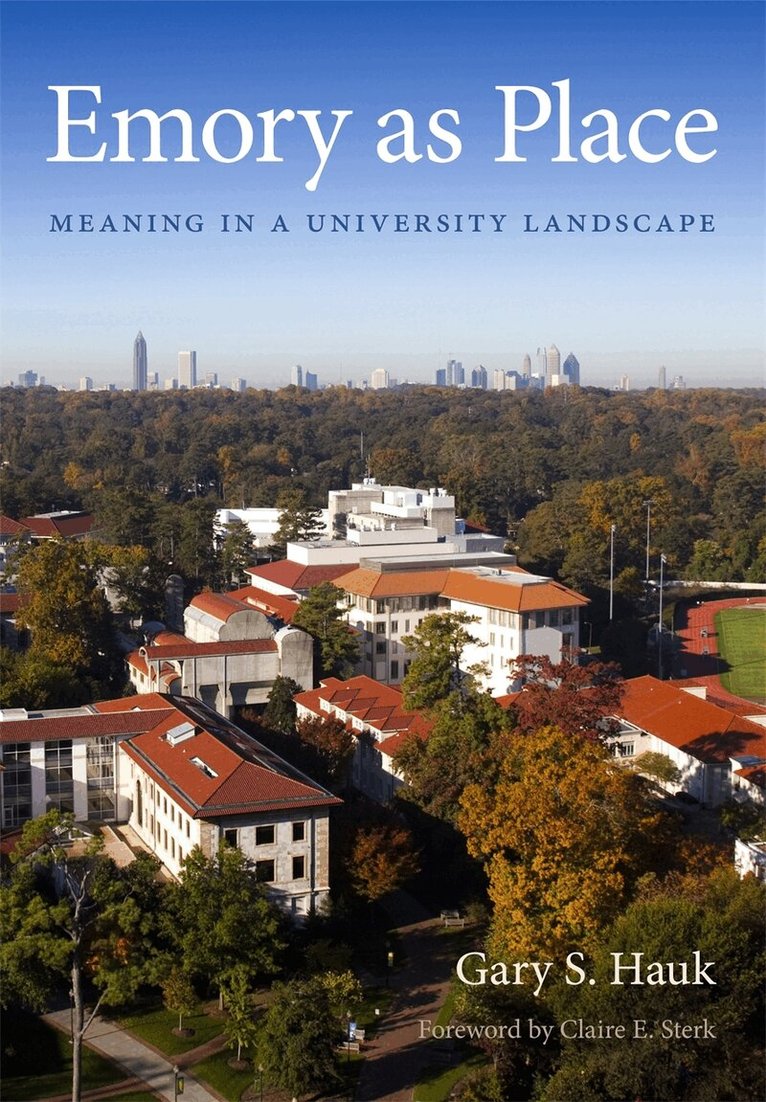
Universities are more than engines propelling us into a bold new future. They are also living history. A college campus serves as a repository for the memories of countless students, staff, and faculty who have passed through its halls. The history of a university resides not just in its archives but also in the place itself—the walkways and bridges, the libraries and classrooms, the gardens and creeks winding their way across campus.To think of Emory as place, as Gary S. Hauk invites you to do, is not only to consider its geography and its architecture (the lay of the land and the built-up spaces its people inhabit) but also to imagine how the external, constructed world can cultivate an internal world of wonder and purpose and responsibility—in short, how a landscape creates meaning. Emory as Place offers physical, though mute, evidence of how landscape and population have shaped each other over decades of debate about architecture, curriculum, and resources. More than that, the physical development of the place mirrors the university’s awareness of itself as an arena of tension between the past and the future—even between the past and the present, between what the university has been and what it now purports or intends to be, through its spaces. Most of all, thinking of Emory as place suggests a way to get at the core meaning of an institution as large, diverse, complex, and tentacled as a modern research university.
472 kr
Skickas inom 3-6 vardagar
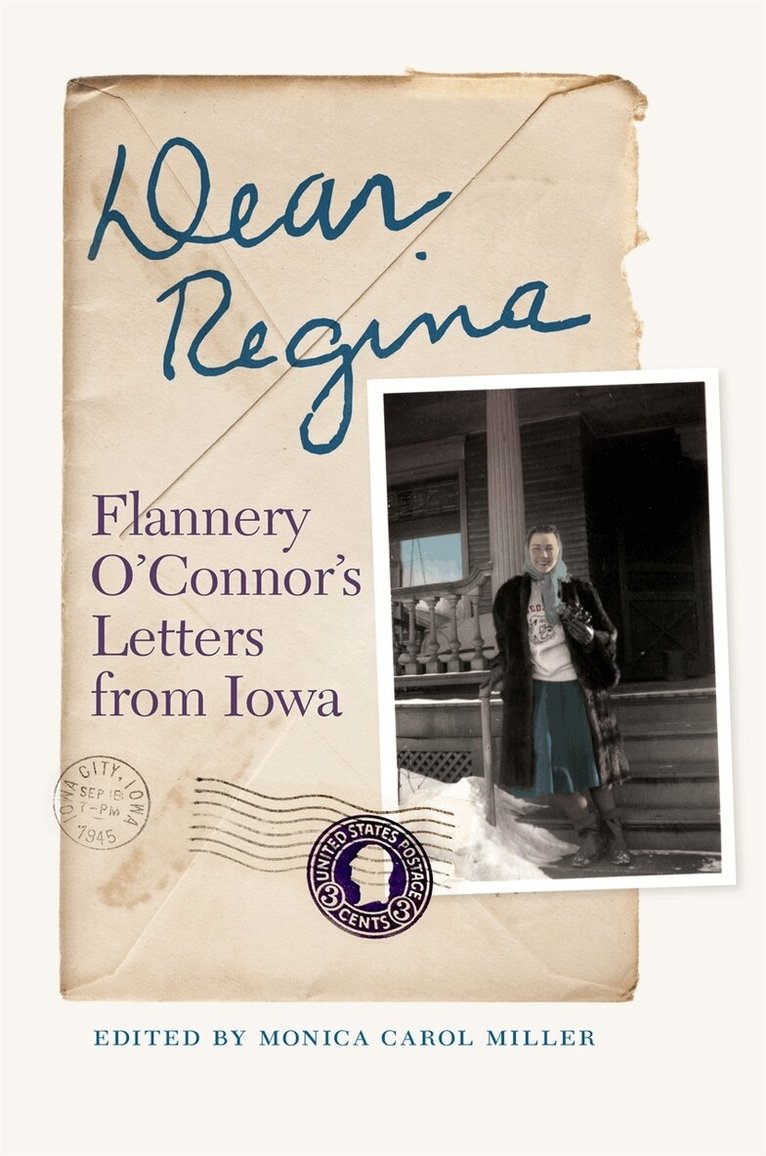
Dear Regina offers a remarkable window into the early years of one of America’s best-known literary figures. While at the University of Iowa Writer’s Workshop from 1945 to 1948, Flannery O’Connor wrote to her mother Regina Cline O’Connor (who she addressed by her first name) nearly every day and sometimes more than once a day. The complete correspondence of more than six hundred letters is housed at the Stuart A. Rose Manuscript, Archives, and Rare Book Library at Emory University. From that number, Miller selects 486 letters to show us a young adult learning to adjust to life on her own for the first time. In these letters, O’Connor shares details about living in a boardinghouse and subsisting on canned food and hot-plate dinners, and she asks for advice about a wide range of topics, including how to assuage her relatives’ concerns about her well-being and how to buy whiskey to use for cough medicine.These letters, which are being published for the first time with the unprecedented permission of the Mary Flannery O’Connor Charitable Trust, also offer readers important insights into O’Connor’s intellectually formative years, when her ideas about writing, race, class, and interpersonal relationships were developing and changing. Her preoccupation with money, employment, and other practical matters reveals a side of O’Connor that we do not often see in her previously published letters. Most importantly, the letters show us her relationship with her mother in a much more intimate, positive light than we have seen before. The importance of this aspect of the letters cannot be overstated, given that so much literary analysis conflates her and Regina with the “sour, deformed daughters and self-righteous mothers” that critic Louise Westling sees so often in O’Connor’s work.
414 kr
Kommande
Dear Regina offers a remarkable window into the early years of one of America’s best-known literary figures. While at the University of Iowa Writer’s Workshop from 1945 to 1948, Flannery O’Connor wrote to her mother Regina Cline O’Connor (who she addressed by her first name) nearly every day and sometimes more than once a day. The complete correspondence of more than six hundred letters is housed at the Stuart A. Rose Manuscript, Archives, and Rare Book Library at Emory University. From that number, Miller selects 486 letters to show us a young adult learning to adjust to life on her own for the first time. In these letters, O’Connor shares details about living in a boardinghouse and subsisting on canned food and hot-plate dinners, and she asks for advice about a wide range of topics, including how to assuage her relatives’ concerns about her well-being and how to buy whiskey to use for cough medicine.These letters, which are being published for the first time with the unprecedented permission of the Mary Flannery O’Connor Charitable Trust, also offer readers important insights into O’Connor’s intellectually formative years, when her ideas about writing, race, class, and interpersonal relationships were developing and changing. Her preoccupation with money, employment, and other practical matters reveals a side of O’Connor that we do not often see in her previously published letters. Most importantly, the letters show us her relationship with her mother in a much more intimate, positive light than we have seen before. The importance of this aspect of the letters cannot be overstated, given that so much literary analysis conflates her and Regina with the “sour, deformed daughters and self-righteous mothers” that critic Louise Westling sees so often in O’Connor’s work.