Studies in the Anthropology of Language, Sign, and Social Life – serie
Visar alla böcker i serien Studies in the Anthropology of Language, Sign, and Social Life. Handla med fri frakt och snabb leverans.
4 produkter
4 produkter
310 kr
Skickas inom 7-10 vardagar
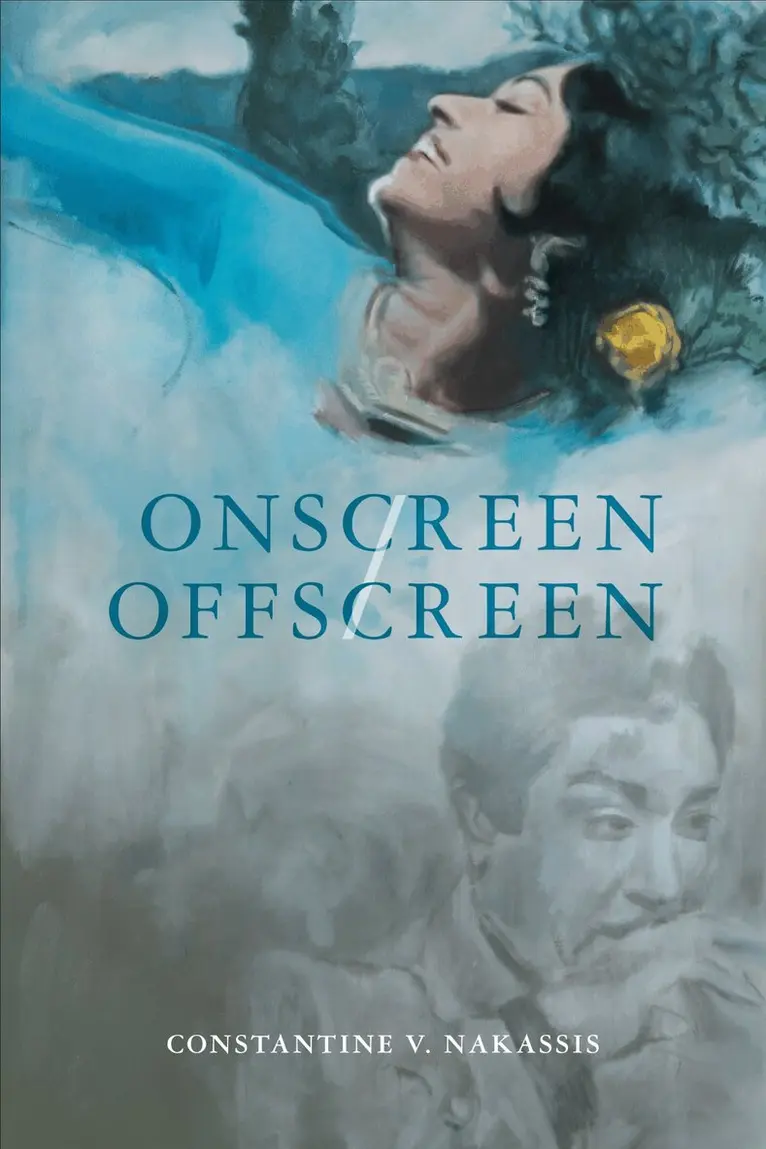
Based on over a decade of ethnographic fieldwork in the South Indian state of Tamil Nadu, Onscreen/Offscreen is an exploration of the politics and being of filmic images. The book examines contestations inside and outside the Tamil film industry over the question "what is an image?" Answers to this question may be found in the ontological politics that take place on film sets, in theatre halls, and in the social fabric of everyday life in South India, from populist electoral politics and the gendering of social space to caste uplift and domination.Bridging and synthesizing linguistic anthropology, film studies, visual studies, and media anthropology, Onscreen/Offscreen rethinks key issues across a number of fields concerned with the semiotic constitution of social life, from the performativity and ontology of images to questions of spectatorship, realism, and presence. In doing so, it offers both a challenge to any approach that would separate image from social context and a new vision for linguistic anthropology beyond the question of "language."
416 kr
Skickas inom 7-10 vardagar
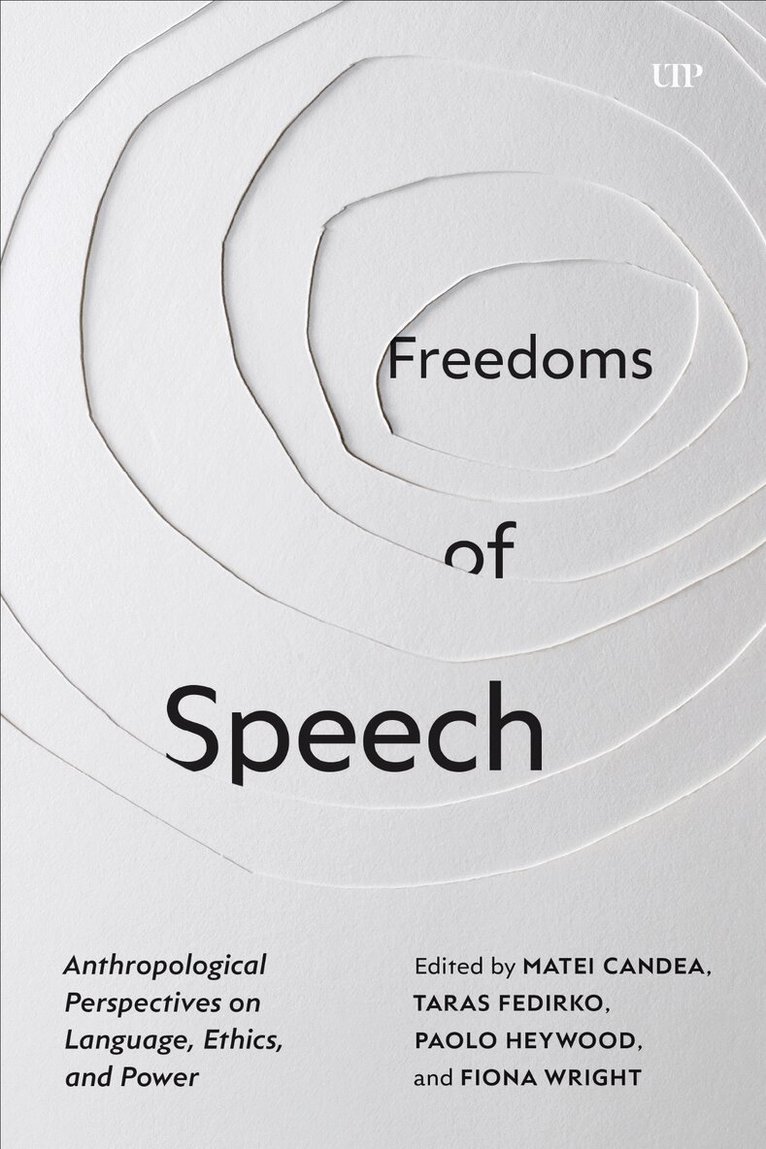
Bringing together leading anthropologists, this collection sheds light on the vast topic of freedoms of speech from a comparatively human perspective. Freedoms of Speech provides a sustained, empirical exploration of the variety of ways freedom of speech is lived, valued, and contested in practice; envisioned as an ideal; and mediated by various linguistic, ethical, and material forms.From Ireland to India, from Palestine to West Papua, from contemporary Java to early twentieth-century Britain, and from colonial Vietnam to the contemporary United States, the book broadly interrogates the classic vision of a singular "Western liberal tradition" of freedom of speech, exploring its internal complexities and highlighting alternative perspectives on the relationship between speech, freedom, and constraint in other times and places. Chapters analyse subjects commonly linked to freedom-of-speech debates, shedding new light on familiar topics that include campus speech codes, defamation, and press freedom, while also exploring unexpected ones such as therapy, gift-giving, and martyrdom. These analyses not only provide unexpected perspectives and unique insights but also address a myriad of questions, contributing to a rich, interdisciplinary, and human understanding of the nature of freedom of speech.
494 kr
Skickas inom 7-10 vardagar
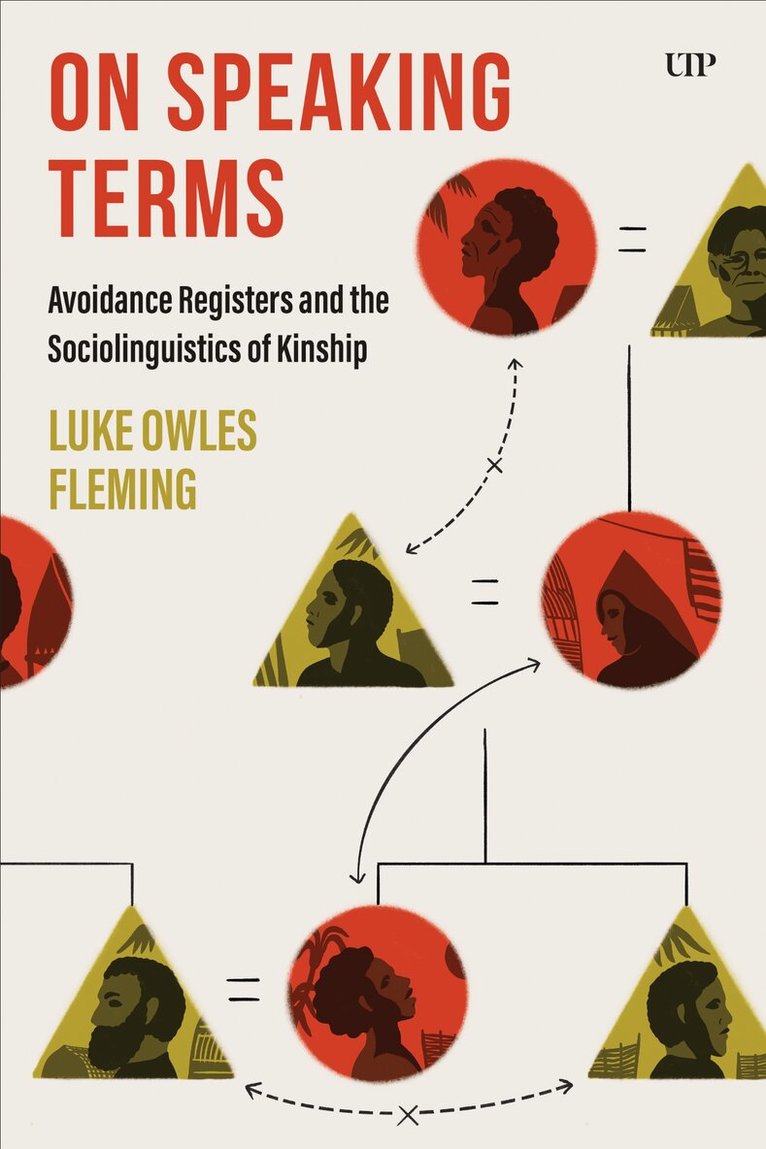
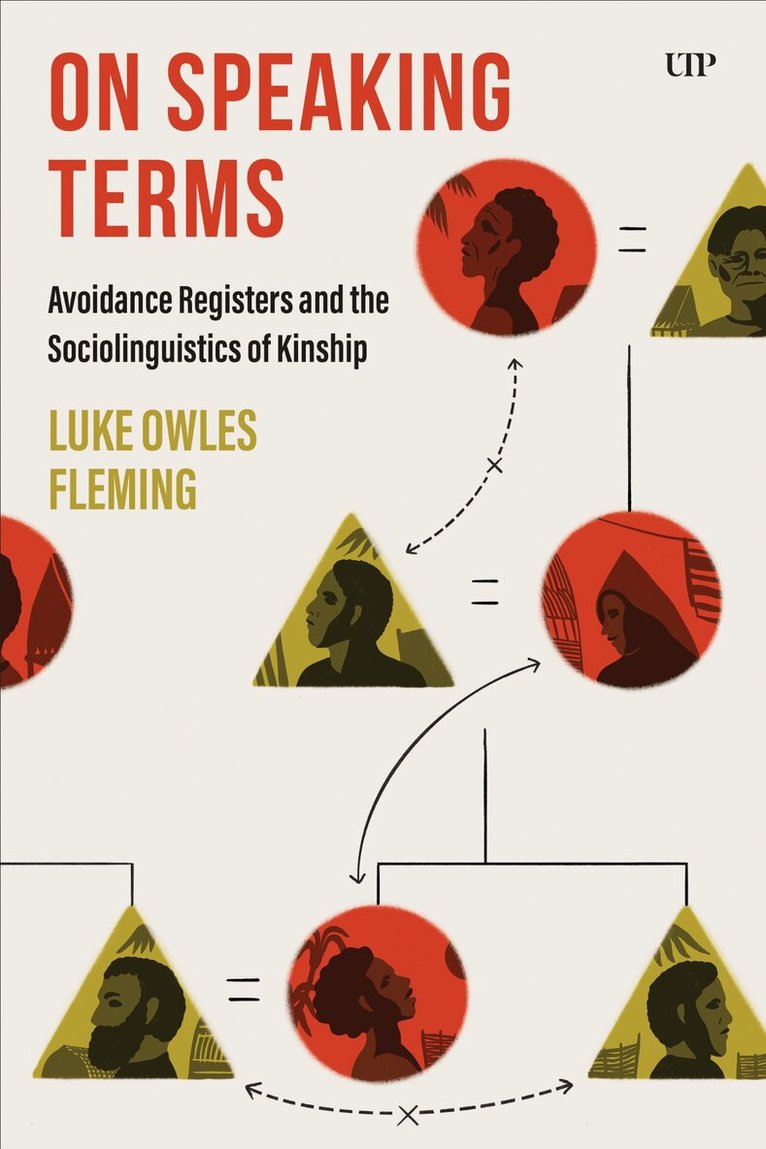
Why are kin, in societies all over the world, divided into "joking" and "avoidance" relations? Foundational figures in the human sciences, from E.B. Tylor and Alfred Radcliffe-Brown to Sigmund Freud and Claude Lévi-Strauss, have sought to explain why some classes of kin are normatively expected to prank and tease one another while others must studiously avoid each other’s presence. In this extensively researched comparative study, linguistic anthropologist Luke Owles Fleming offers a bold new answer to this problem.With a particular focus on avoidance relationships, On Speaking Terms argues that in order to understand cross-cultural convergences in the patterning of kinship-keyed comportments, we must attend to the sociolinguistic codes through which kinship relationships are enacted. Drawing on ethnographic data from more than one hundred different societies, the book documents and analyses parallels in the linguistic and non-verbal signs through which avoidance relationships are experientially realized. With dedicated discussions of Aboriginal Australian "mother-in-law languages," name and word tabooing practices, pronominal honorification, and non-verbal strategies of interactional and sensorial avoidance, it reveals recurrent sociolinguistic patterns attested in kinship avoidance. In demonstrating the vital role of sociolinguistic codes for transforming kinship categories into phenomenologically rich relationships, On Speaking Terms makes an important contribution to the anthropology of kinship.
Spectres of Affinity
The Social Life of Comparison at a Southeast Asian Border
Inbunden, Engelska, 2026
644 kr
Kommande
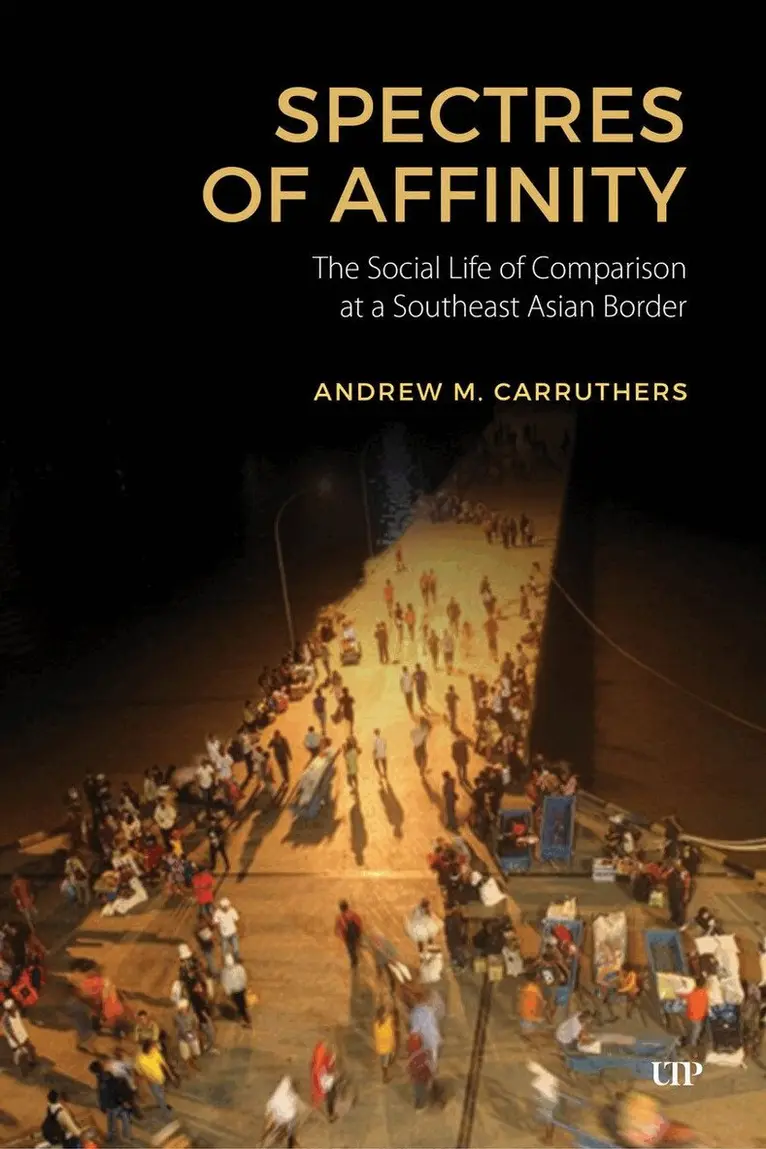
Undocumented immigrants are generally assumed to exhibit clear signs of their so-called outsider status. In the absence of such signs, however, how is the “illegal immigrant” made legible or policed? How might migrants negotiate their statuses as objects of state surveillance by exploiting their similarities or affinities with those who seek them out? Spectres of Affinity explores these issues in the east Malaysian state of Sabah, a scene of some of the largest clandestine cross-border flows in the world, and a place where migrants are widely assumed to look, talk, and otherwise behave like locals. In Sabah, the ability of outsiders to pass as insiders has long animated public anxieties about the boundaries of citizenship, ethnicity, race, religion, labour, and language. Against this backdrop of social indeterminacy and political uncertainty, migrants and Malaysians are now jointly evaluating and adjudicating the ways they are sama, tapi berbeza – “the same, but different” – to sometimes devastating effect. In exploring the social life of comparison in the shadow of a notoriously porous Southeast Asian border, Spectres of Affinity calls for renewed attention to comparison not merely as a rarefied social scientific method or mode of inquiry, but as part of people’s everyday equipment for living in increasingly uncertain and unsettling times.