Improvisation, Community, and Social Practice - Böcker
Visar alla böcker i serien Improvisation, Community, and Social Practice. Handla med fri frakt och snabb leverans.
10 produkter
10 produkter
1 286 kr
Skickas inom 7-10 vardagar
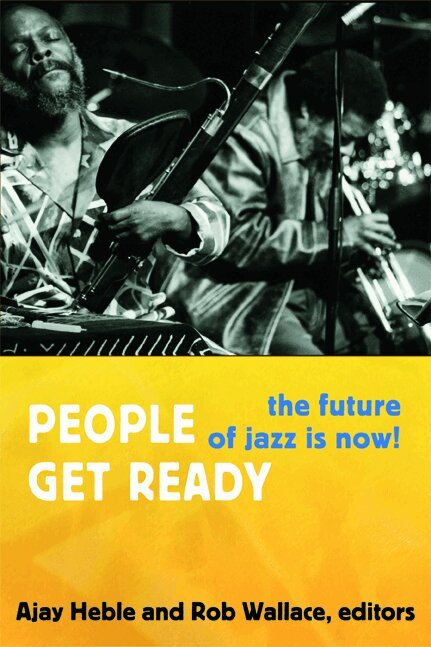
In People Get Ready, musicians, scholars, and journalists write about jazz since 1965, the year that Curtis Mayfield composed the famous civil rights anthem that gives this collection its title. The contributors emphasize how the political consciousness that infused jazz in the 1960s and early 1970s has informed jazz in the years since then. They bring nuance to historical accounts of the avant-garde, the New Thing, Free Jazz, "non-idiomatic" improvisation, fusion, and other forms of jazz that have flourished since the 1960s, and they reveal the contemporary relevance of those musical practices. Many of the participants in the jazz scenes discussed are still active performers. A photographic essay captures some of them in candid moments before performances. Other pieces revise standard accounts of well-known jazz figures, such as Duke Ellington, and lesser-known musicians, including Jeanne Lee; delve into how money, class, space, and economics affect the performance of experimental music; and take up the question of how digital technology influences improvisation. People Get Ready offers a vision for the future of jazz based on an appreciation of the complexity of its past and the abundance of innovation in the present. Contributors. Tamar Barzel, John Brackett, Douglas Ewart, Ajay Heble, Vijay Iyer, Thomas King, Tracy McMullen, Paul D. Miller/DJ Spooky, Nicole Mitchell, Roscoe Mitchell, Famoudou Don Moye, Aldon Lynn Nielsen, Eric Porter, Marc Ribot, Matana Roberts, Jaribu Shahid, Julie Dawn Smith, Wadada Leo Smith, Alan Stanbridge, John Szwed, Greg Tate, Scott Thomson, Rob Wallace, Ellen Waterman, Corey Wilkes
375 kr
Skickas inom 7-10 vardagar
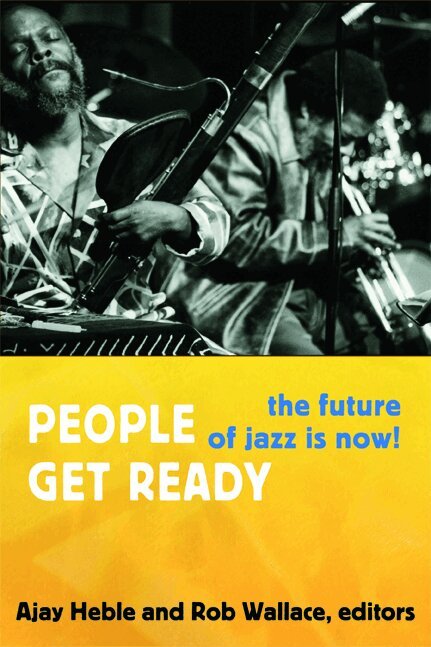
In People Get Ready, musicians, scholars, and journalists write about jazz since 1965, the year that Curtis Mayfield composed the famous civil rights anthem that gives this collection its title. The contributors emphasize how the political consciousness that infused jazz in the 1960s and early 1970s has informed jazz in the years since then. They bring nuance to historical accounts of the avant-garde, the New Thing, Free Jazz, "non-idiomatic" improvisation, fusion, and other forms of jazz that have flourished since the 1960s, and they reveal the contemporary relevance of those musical practices. Many of the participants in the jazz scenes discussed are still active performers. A photographic essay captures some of them in candid moments before performances. Other pieces revise standard accounts of well-known jazz figures, such as Duke Ellington, and lesser-known musicians, including Jeanne Lee; delve into how money, class, space, and economics affect the performance of experimental music; and take up the question of how digital technology influences improvisation. People Get Ready offers a vision for the future of jazz based on an appreciation of the complexity of its past and the abundance of innovation in the present. Contributors. Tamar Barzel, John Brackett, Douglas Ewart, Ajay Heble, Vijay Iyer, Thomas King, Tracy McMullen, Paul D. Miller/DJ Spooky, Nicole Mitchell, Roscoe Mitchell, Famoudou Don Moye, Aldon Lynn Nielsen, Eric Porter, Marc Ribot, Matana Roberts, Jaribu Shahid, Julie Dawn Smith, Wadada Leo Smith, Alan Stanbridge, John Szwed, Greg Tate, Scott Thomson, Rob Wallace, Ellen Waterman, Corey Wilkes
1 177 kr
Skickas inom 7-10 vardagar
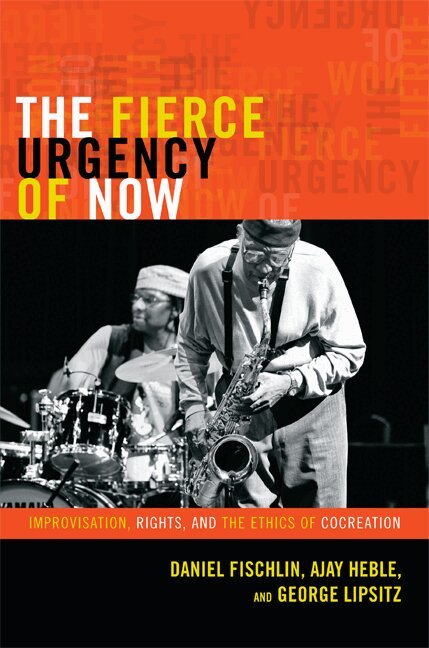
The Fierce Urgency of Now links musical improvisation to struggles for social change, focusing on the connections between the improvisation associated with jazz and the dynamics of human rights struggles and discourses. The authors acknowledge that at first glance improvisation and rights seem to belong to incommensurable areas of human endeavor. Improvisation connotes practices that are spontaneous, personal, local, immediate, expressive, ephemeral, and even accidental, while rights refer to formal standards of acceptable human conduct, rules that are permanent, impersonal, universal, abstract, and inflexible. Yet the authors not only suggest that improvisation and rights can be connected; they insist that they must be connected. Improvisation is the creation and development of new, unexpected, and productive cocreative relations among people. It cultivates the capacity to discern elements of possibility, potential, hope, and promise where none are readily apparent. Improvisers work with the tools they have in the arenas that are open to them. Proceeding without a written score or script, they collaborate to envision and enact something new, to enrich their experience in the world by acting on it and changing it. By analyzing the dynamics of particular artistic improvisations, mostly by contemporary American jazz musicians, the authors reveal improvisation as a viable and urgently needed model for social change. In the process, they rethink politics, music, and the connections between them.
306 kr
Skickas inom 7-10 vardagar
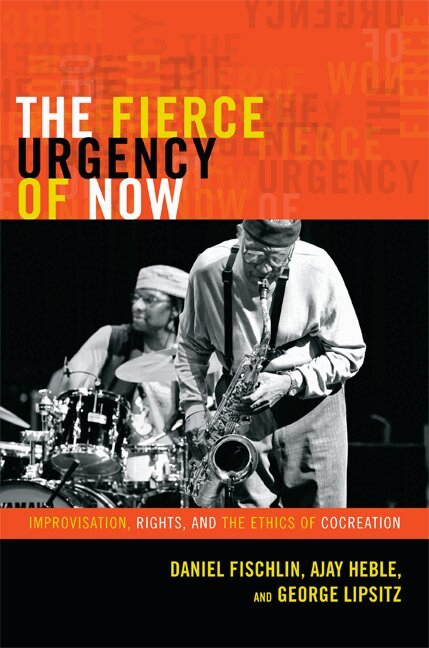
The Fierce Urgency of Now links musical improvisation to struggles for social change, focusing on the connections between the improvisation associated with jazz and the dynamics of human rights struggles and discourses. The authors acknowledge that at first glance improvisation and rights seem to belong to incommensurable areas of human endeavor. Improvisation connotes practices that are spontaneous, personal, local, immediate, expressive, ephemeral, and even accidental, while rights refer to formal standards of acceptable human conduct, rules that are permanent, impersonal, universal, abstract, and inflexible. Yet the authors not only suggest that improvisation and rights can be connected; they insist that they must be connected. Improvisation is the creation and development of new, unexpected, and productive cocreative relations among people. It cultivates the capacity to discern elements of possibility, potential, hope, and promise where none are readily apparent. Improvisers work with the tools they have in the arenas that are open to them. Proceeding without a written score or script, they collaborate to envision and enact something new, to enrich their experience in the world by acting on it and changing it. By analyzing the dynamics of particular artistic improvisations, mostly by contemporary American jazz musicians, the authors reveal improvisation as a viable and urgently needed model for social change. In the process, they rethink politics, music, and the connections between them.
1 732 kr
Skickas inom 7-10 vardagar
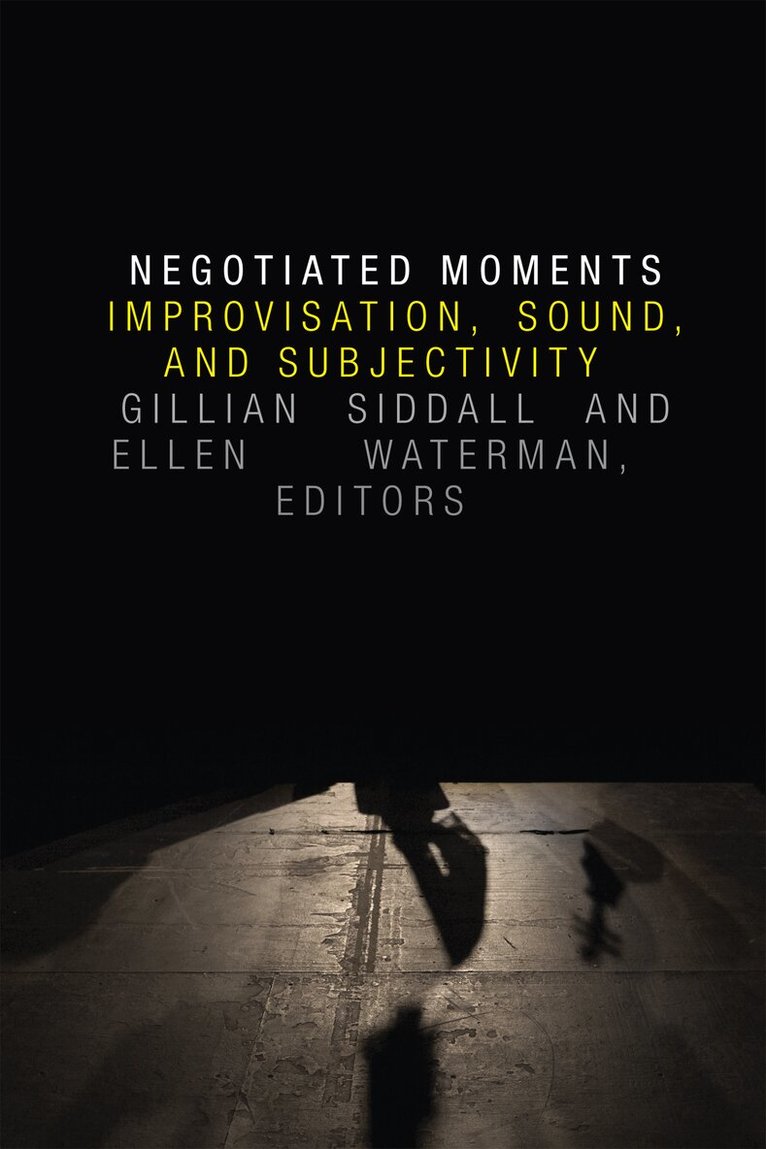
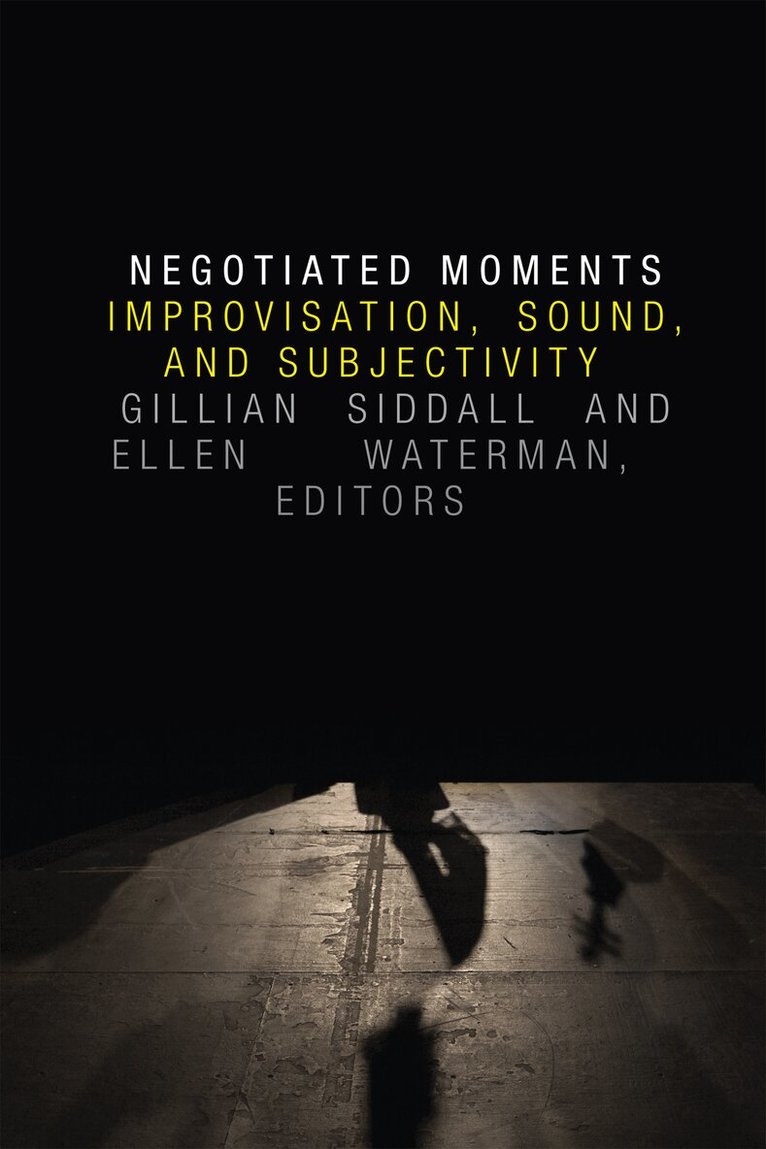
The contributors to Negotiated Moments explore how subjectivity is formed and expressed through musical improvisation, tracing the ways the transmission and reception of sound occur within and between bodies in real and virtual time and across memory, history, and space. They place the gendered, sexed, raced, classed, disabled, and technologized body at the center of critical improvisation studies and move beyond the field's tendency toward celebrating improvisation's utopian and democratic ideals by highlighting the improvisation of marginalized subjects. Rejecting a singular theory of improvisational agency, the contributors show how improvisation helps people gain hard-won and highly contingent agency. Essays include analyses of the role of the body and technology in performance, improvisation's ability to disrupt power relations, Pauline Oliveros's ideas about listening, flautist Nicole Mitchell's compositions based on Octavia Butler's science fiction, and an interview with Judith Butler about the relationship between her work and improvisation. The contributors' close attention to improvisation provides a touchstone for examining subjectivities and offers ways to hear the full spectrum of ideas that sound out from and resonate within and across bodies. Contributors. George Blake, David Borgo, Judith Butler, Rebecca Caines, Louise Campbell, Illa Carrillo RodrÍguez, Berenice Corti, Andrew Raffo Dewar, Nina Eidsheim, Tomie Hahn, Jaclyn Heyen, Christine Sun Kim, Catherine Lee, Andra McCartney, Tracy McMullen, Kevin McNeilly, Leaf Miller, Jovana Milovic, FranÇois Mouillot, Pauline Oliveros, Jason Robinson, Neil Rolnick, Simon Rose, Gillian Siddall, Julie Dawn Smith, Jesse Stewart, Clara Tomaz, Sherrie Tucker, Lindsay Vogt, Zachary Wallmark, Ellen Waterman, David Whalen, Pete Williams, Deborah Wong, Mandy-Suzanne Wong
429 kr
Skickas inom 7-10 vardagar
The contributors to Negotiated Moments explore how subjectivity is formed and expressed through musical improvisation, tracing the ways the transmission and reception of sound occur within and between bodies in real and virtual time and across memory, history, and space. They place the gendered, sexed, raced, classed, disabled, and technologized body at the center of critical improvisation studies and move beyond the field's tendency toward celebrating improvisation's utopian and democratic ideals by highlighting the improvisation of marginalized subjects. Rejecting a singular theory of improvisational agency, the contributors show how improvisation helps people gain hard-won and highly contingent agency. Essays include analyses of the role of the body and technology in performance, improvisation's ability to disrupt power relations, Pauline Oliveros's ideas about listening, flautist Nicole Mitchell's compositions based on Octavia Butler's science fiction, and an interview with Judith Butler about the relationship between her work and improvisation. The contributors' close attention to improvisation provides a touchstone for examining subjectivities and offers ways to hear the full spectrum of ideas that sound out from and resonate within and across bodies. Contributors. George Blake, David Borgo, Judith Butler, Rebecca Caines, Louise Campbell, Illa Carrillo RodrÍguez, Berenice Corti, Andrew Raffo Dewar, Nina Eidsheim, Tomie Hahn, Jaclyn Heyen, Christine Sun Kim, Catherine Lee, Andra McCartney, Tracy McMullen, Kevin McNeilly, Leaf Miller, Jovana Milovic, FranÇois Mouillot, Pauline Oliveros, Jason Robinson, Neil Rolnick, Simon Rose, Gillian Siddall, Julie Dawn Smith, Jesse Stewart, Clara Tomaz, Sherrie Tucker, Lindsay Vogt, Zachary Wallmark, Ellen Waterman, David Whalen, Pete Williams, Deborah Wong, Mandy-Suzanne Wong
1 732 kr
Skickas inom 7-10 vardagar
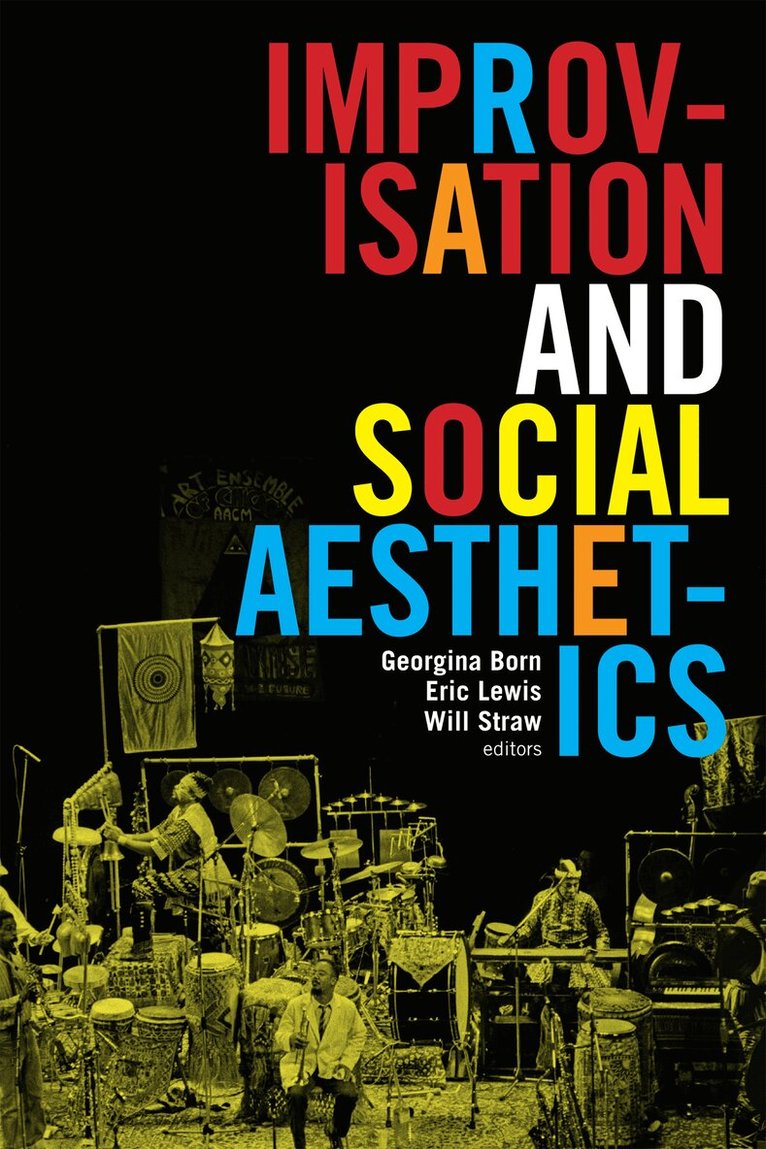
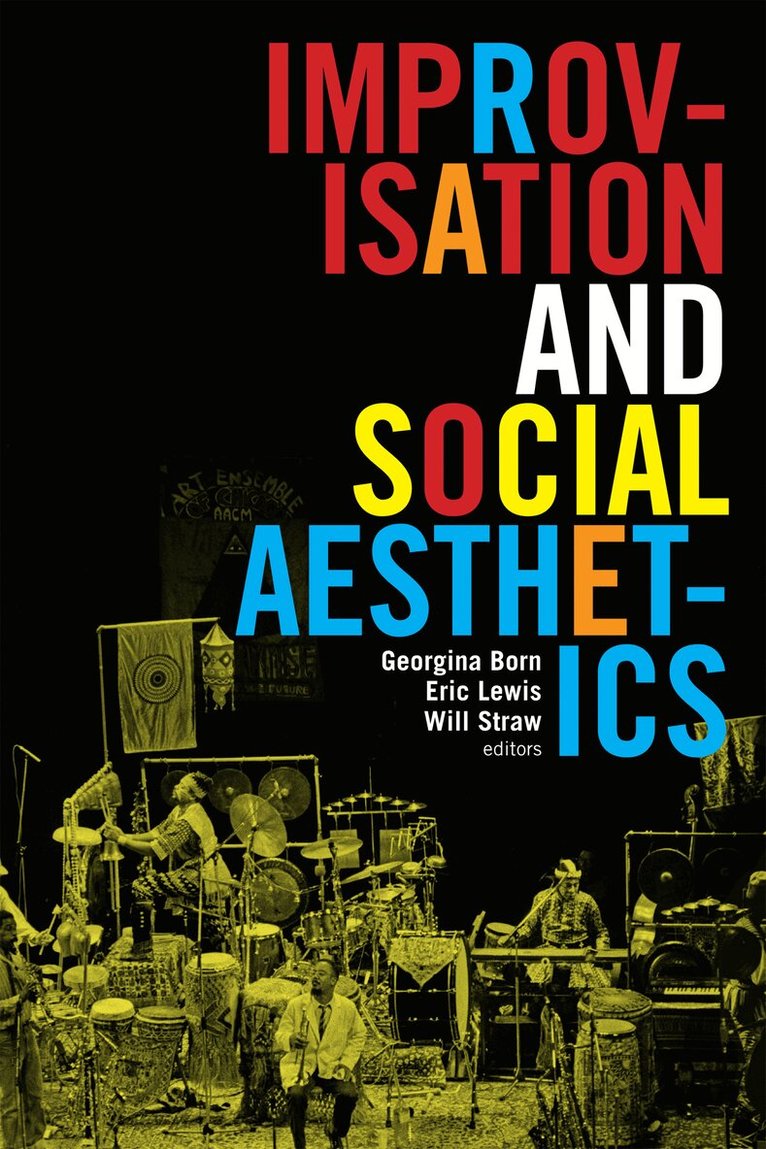
Addressing a wide range of improvised art and music forms-from jazz and cinema to dance and literature-this volume's contributors locate improvisation as a key site of mediation between the social and the aesthetic. As a catalyst for social experiment and political practice, improvisation aids in the creation, contestation, and codification of social realities and identities. Among other topics, the contributors discuss the social aesthetics of the Association for the Advancement of Creative Musicians, the Feminist Improvising Group, and contemporary Malian music, as well as the virtual sociality of interactive computer music, the significance of "uncreative" improvisation, responses to French New Wave cinema, and the work of figures ranging from bell hooks and Billy Strayhorn to Kenneth Goldsmith. Across its diverse chapters, Improvisation and Social Aesthetics argues that ensemble improvisation is not inherently egalitarian or emancipatory, but offers a potential site for the cultivation of new forms of social relations. It sets out a new conceptualization of the aesthetic as immanently social and political, proposing a new paradigm of improvisation studies that will have reverberations throughout the humanities.Contributors. Lisa Barg, Georgina Born, David Brackett, Nicholas Cook, Marion Froger, Susan Kozel, Eric Lewis, George E. Lewis, Ingrid Monson, Tracey Nicholls, Winfried Siemerling, Will Straw, ZoË Svendsen, Darren Wershler
429 kr
Skickas inom 7-10 vardagar
Addressing a wide range of improvised art and music forms-from jazz and cinema to dance and literature-this volume's contributors locate improvisation as a key site of mediation between the social and the aesthetic. As a catalyst for social experiment and political practice, improvisation aids in the creation, contestation, and codification of social realities and identities. Among other topics, the contributors discuss the social aesthetics of the Association for the Advancement of Creative Musicians, the Feminist Improvising Group, and contemporary Malian music, as well as the virtual sociality of interactive computer music, the significance of "uncreative" improvisation, responses to French New Wave cinema, and the work of figures ranging from bell hooks and Billy Strayhorn to Kenneth Goldsmith. Across its diverse chapters, Improvisation and Social Aesthetics argues that ensemble improvisation is not inherently egalitarian or emancipatory, but offers a potential site for the cultivation of new forms of social relations. It sets out a new conceptualization of the aesthetic as immanently social and political, proposing a new paradigm of improvisation studies that will have reverberations throughout the humanities.Contributors. Lisa Barg, Georgina Born, David Brackett, Nicholas Cook, Marion Froger, Susan Kozel, Eric Lewis, George E. Lewis, Ingrid Monson, Tracey Nicholls, Winfried Siemerling, Will Straw, ZoË Svendsen, Darren Wershler
1 724 kr
Skickas inom 7-10 vardagar
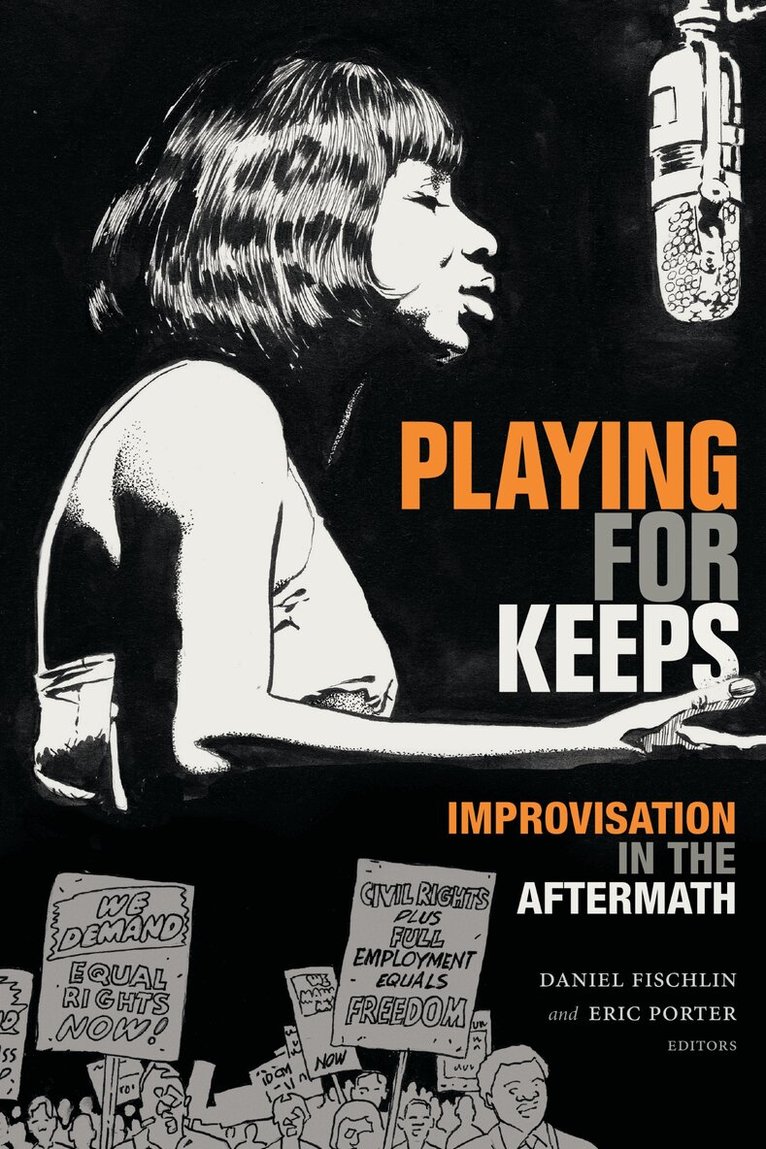
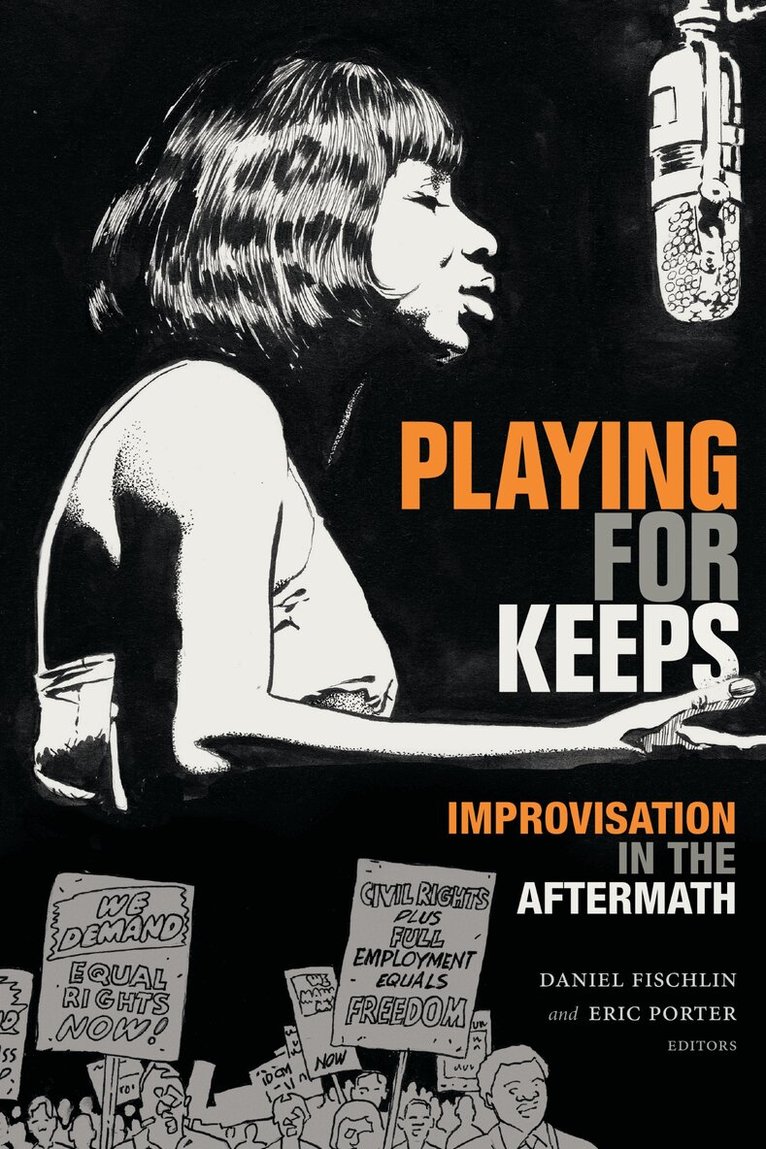
The contributors to Playing for Keeps examine the ways in which musical improvisation can serve as a method for negotiating violence, trauma, systemic inequality, and the aftermaths of war and colonialism. Outlining the relation of improvisatory practices to local and global power structures, they show how in sites as varied as South Africa, Canada, Egypt, the United States, and the Canary Islands, improvisation provides the means for its participants to address the past and imagine the future. In addition to essays, the volume features a poem by saxophonist Matana Roberts, an interview with pianist Vijay Iyer about his work with U.S. veterans of color, and drawings by artist Randy DuBurke that chart Nina Simone's politicization. Throughout, the contributors illustrate how improvisation functions as a model for political, cultural, and ethical dialogue and action that can foster the creation of alternate modes of being and knowing in the world.Contributors. Randy DuBurke, Rana El Kadi, Kevin Fellezs, Daniel Fischlin, Kate Galloway, Reem Abdul Hadi, Vijay Iyer, Mark Lomanno, Moshe Morad, Eric Porter, Sara Ramshaw, Matana Roberts, Darci Sprengel, Paul Stapleton, Odeh Turjman, Stephanie Vos
427 kr
Skickas inom 7-10 vardagar
The contributors to Playing for Keeps examine the ways in which musical improvisation can serve as a method for negotiating violence, trauma, systemic inequality, and the aftermaths of war and colonialism. Outlining the relation of improvisatory practices to local and global power structures, they show how in sites as varied as South Africa, Canada, Egypt, the United States, and the Canary Islands, improvisation provides the means for its participants to address the past and imagine the future. In addition to essays, the volume features a poem by saxophonist Matana Roberts, an interview with pianist Vijay Iyer about his work with U.S. veterans of color, and drawings by artist Randy DuBurke that chart Nina Simone's politicization. Throughout, the contributors illustrate how improvisation functions as a model for political, cultural, and ethical dialogue and action that can foster the creation of alternate modes of being and knowing in the world.Contributors. Randy DuBurke, Rana El Kadi, Kevin Fellezs, Daniel Fischlin, Kate Galloway, Reem Abdul Hadi, Vijay Iyer, Mark Lomanno, Moshe Morad, Eric Porter, Sara Ramshaw, Matana Roberts, Darci Sprengel, Paul Stapleton, Odeh Turjman, Stephanie Vos