Apocalypse and the Global Middle Ages – serie
Visar alla böcker i serien Apocalypse and the Global Middle Ages. Handla med fri frakt och snabb leverans.
3 produkter
3 produkter
2 113 kr
Skickas inom 10-15 vardagar
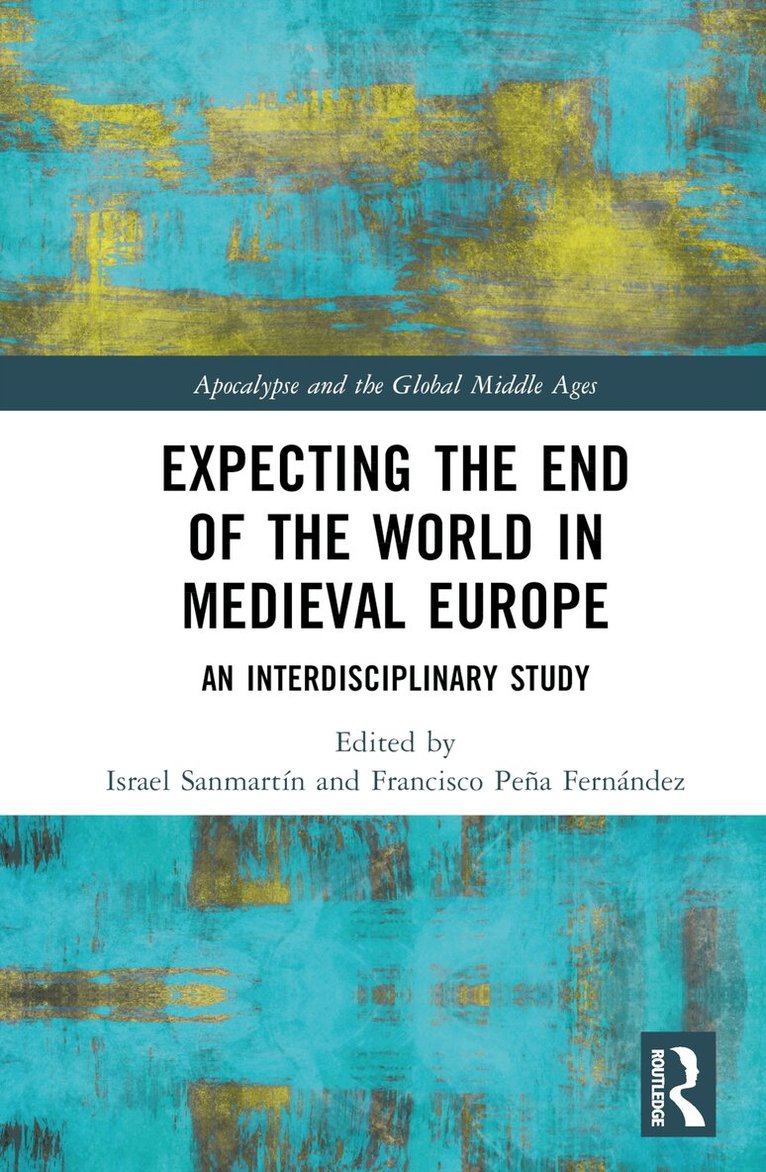
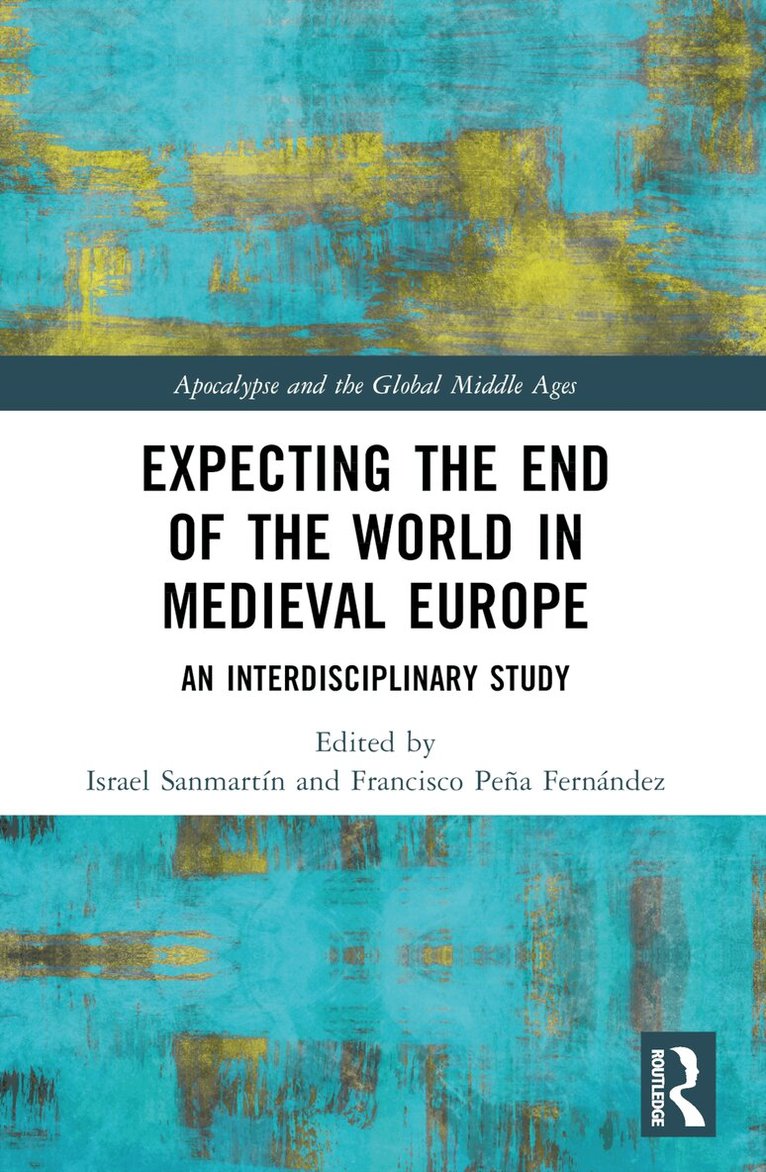
Expecting the End of the World in Medieval Europe: An Interdisciplinary Study examines the phenomenon of medieval eschatology from a global perspective, both geographically and intellectually. The collected contributions analyze texts, authors, social movements, and cultural representations covering a wide period, from the 6th to the 16th century, in geographically liminal spaces where Catholic, Byzantine, Islamic, and Jewish cultures converged.The book is organized in eleven chapters which reflect and explore the following arguments: the study of specific eschatological episodes in medieval Europe and their interpretations; the analysis of apocalyptic visionaries, apocalyptic authors, and their individual contributions; the social and political implications of eschatology in medieval society; the study of medieval apocalyptic literature from a rhetorical, narratological, and historiographical perspective; the history of the transmission of apocalyptic literature and its transformation over time; and a comparative examination of apocalypticism between the Middle Ages and the Early Modern era.This study provides a lens through which academics, specialists, and interested researchers can observe and reflect on this entire eschatological universe, dwelling both on well-known texts, authors, and events, and on others which are much less popular. In gathering different paradigms, tools, and theoretical frameworks, the book exposes readers to the complex reality of medieval anxiety regarding the end of the world.
2 113 kr
Skickas inom 10-15 vardagar
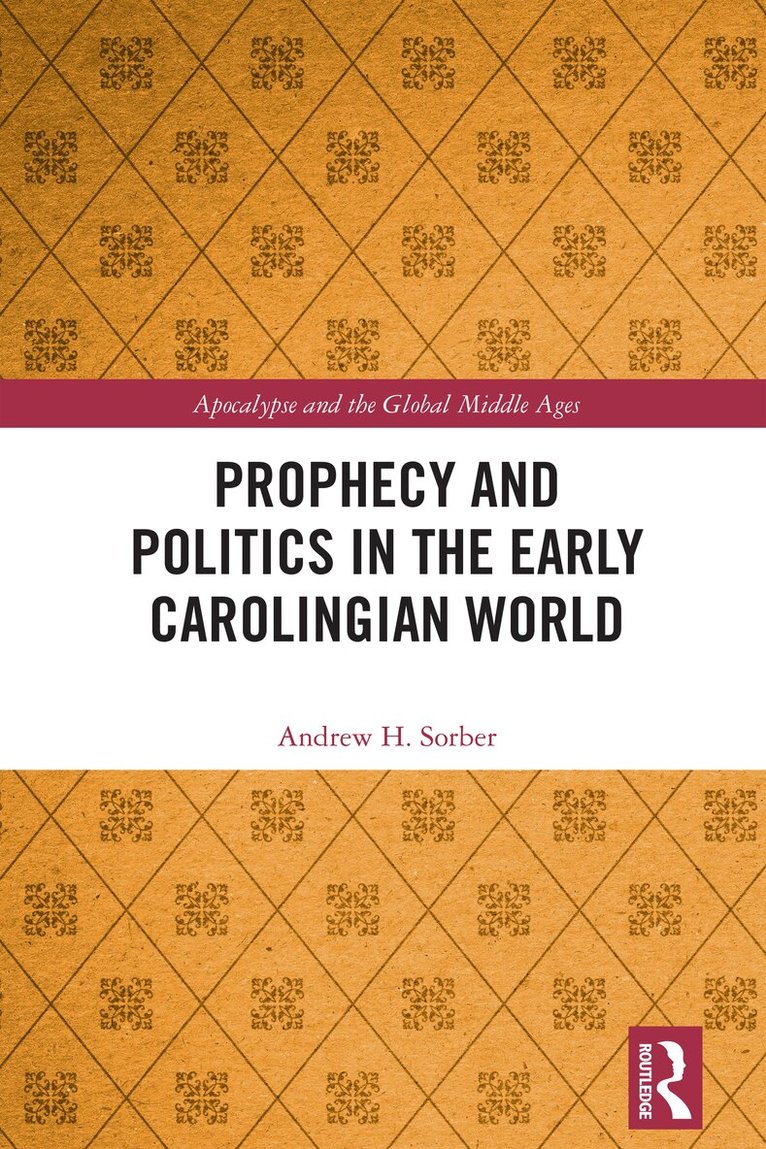
Prophetic and apocalyptic rhetoric play critical roles in the development and articulation of political authority in the reigns of Charlemagne (d. 814) and Louis the Pious (d. 840). The rhetorical authority derived from claims of receiving revelation, interpreting divine communication, speaking for God, and foreseeing calamities became a competitive medium through which individuals legitimized political behaviour, debated their long- and short-term aspirations, and struggled for political supremacy. Ranging from claims of revelations, dreams, and visions, to the adoption of rhetorical voices based on biblical prophets, to the interpretation of signs and portents, prophetic rhetoric enjoyed extensive experimentation and varied application throughout early medieval political discourse.Prophecy and Politics in the Early Carolingian World argues that claims of divine revelation, resistant to any attempts to monopolize them, provided a powerful means of speaking with authority for all participants in Frankish political discourse. This authority proved instrumental in the articulation and dismantling of effective Carolingian royal authority from 768 to 840. The volume introduces and reinterprets early Carolingian political discourse and intellectual activity, as well as the centrality of apocalypticism in the Carolingian period, by emphasizing prophecy, or revelation and authority, rather than prediction and calamity.Early Carolingian political discourse was a dialogue that took place across royal proclamations, legal statements, historical texts, visions, scriptural commentaries, and manifestations of the natural world, and in this dialogue, the ability to interpret God’s will was as powerful as it was problematic.
675 kr
Kommande
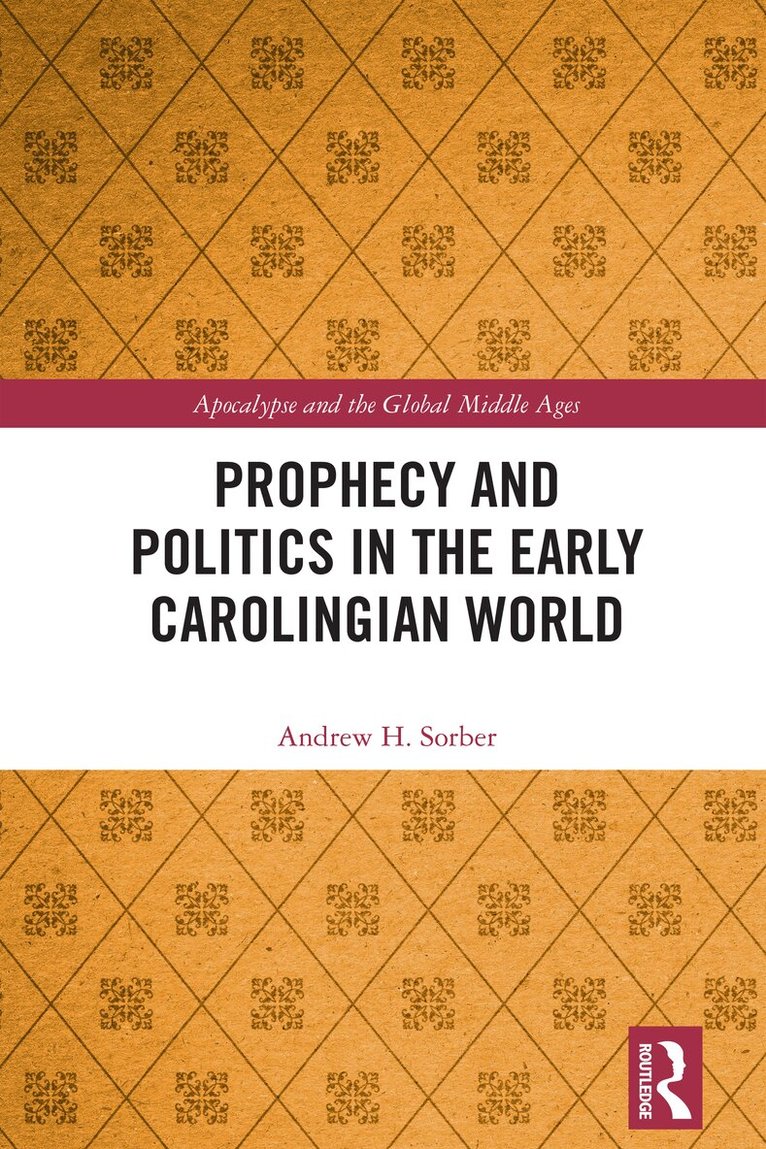
Prophetic and apocalyptic rhetoric play critical roles in the development and articulation of political authority in the reigns of Charlemagne (d. 814) and Louis the Pious (d. 840). The rhetorical authority derived from claims of receiving revelation, interpreting divine communication, speaking for God, and foreseeing calamities became a competitive medium through which individuals legitimized political behaviour, debated their long- and short-term aspirations, and struggled for political supremacy. Ranging from claims of revelations, dreams, and visions, to the adoption of rhetorical voices based on biblical prophets, to the interpretation of signs and portents, prophetic rhetoric enjoyed extensive experimentation and varied application throughout early medieval political discourse.Prophecy and Politics in the Early Carolingian World argues that claims of divine revelation, resistant to any attempts to monopolize them, provided a powerful means of speaking with authority for all participants in Frankish political discourse. This authority proved instrumental in the articulation and dismantling of effective Carolingian royal authority from 768 to 840. The volume introduces and reinterprets early Carolingian political discourse and intellectual activity, as well as the centrality of apocalypticism in the Carolingian period, by emphasizing prophecy, or revelation and authority, rather than prediction and calamity.Early Carolingian political discourse was a dialogue that took place across royal proclamations, legal statements, historical texts, visions, scriptural commentaries, and manifestations of the natural world, and in this dialogue, the ability to interpret God’s will was as powerful as it was problematic.